
Ingredient Portrait
Retinol facts, minus the marketing fog
Retinol is not magic. It can improve texture and tone, but it can also bring dryness, irritation and a skin barrier that feels like it has been put through a test it never signed up for. Here are the retinol facts that help you decide when it makes sense — and when your skin would rather have something gentler.

Is retinol always the answer?
Retinol is a vitamin A derivative that the skin converts step by step into retinaldehyde and then into retinoic acid, the active signal that changes how cells behave. That’s why retinol can speed up cell turnover, support collagen-related pathways and smooth rough texture. But the same conversion is also why it can be so irritating: the stronger the push, the more likely redness, peeling and the classic retinization phase become.
Mainstream skincare loves to act as if more actives automatically mean better skin. They don’t. A healthy barrier is not something you bully into compliance. For sensitive or already stressed skin, retinol can become a source of inflammation rather than progress. And because retinol can increase sun sensitivity, SPF is not a nice extra — it is part of the deal.
There are also moments when retinol is simply not the right call. During pregnancy, retinoids are usually avoided, and many people who are breastfeeding prefer to keep risk low as well. If your goal is calmer skin, better balance and less reactivity, there are other ways to get there without forcing your skin through a protest period first.
How to use retinol wisely
Start absurdly low
Begin with a low strength and use retinol 1–2 nights a week at first. Only increase when your skin has felt stable for at least two weeks. More is rarely smarter in the beginning.
Apply to dry skin
Put it on fully dry skin after cleansing to reduce stinging. Waiting 10–20 minutes can help if you are easily flushed. Damp skin can make retinol feel harsher.
Skip other strong actives
Do not pair retinol with strong acids or aggressive exfoliation on the same night. Your skin does not need a double challenge. Keep the rest of the routine simple and barrier-friendly.
Take sun protection seriously
Use daily sunscreen when you use retinol, especially if you notice more sensitivity. Chasing glow without SPF usually just means chasing irritation in slow motion.
Stop during pregnancy
If you are pregnant, it is sensible to pause retinol and choose other options. If you want a calmer routine without retinization, there are alternatives that do not ask for the same compromises.

When skin wants less drama
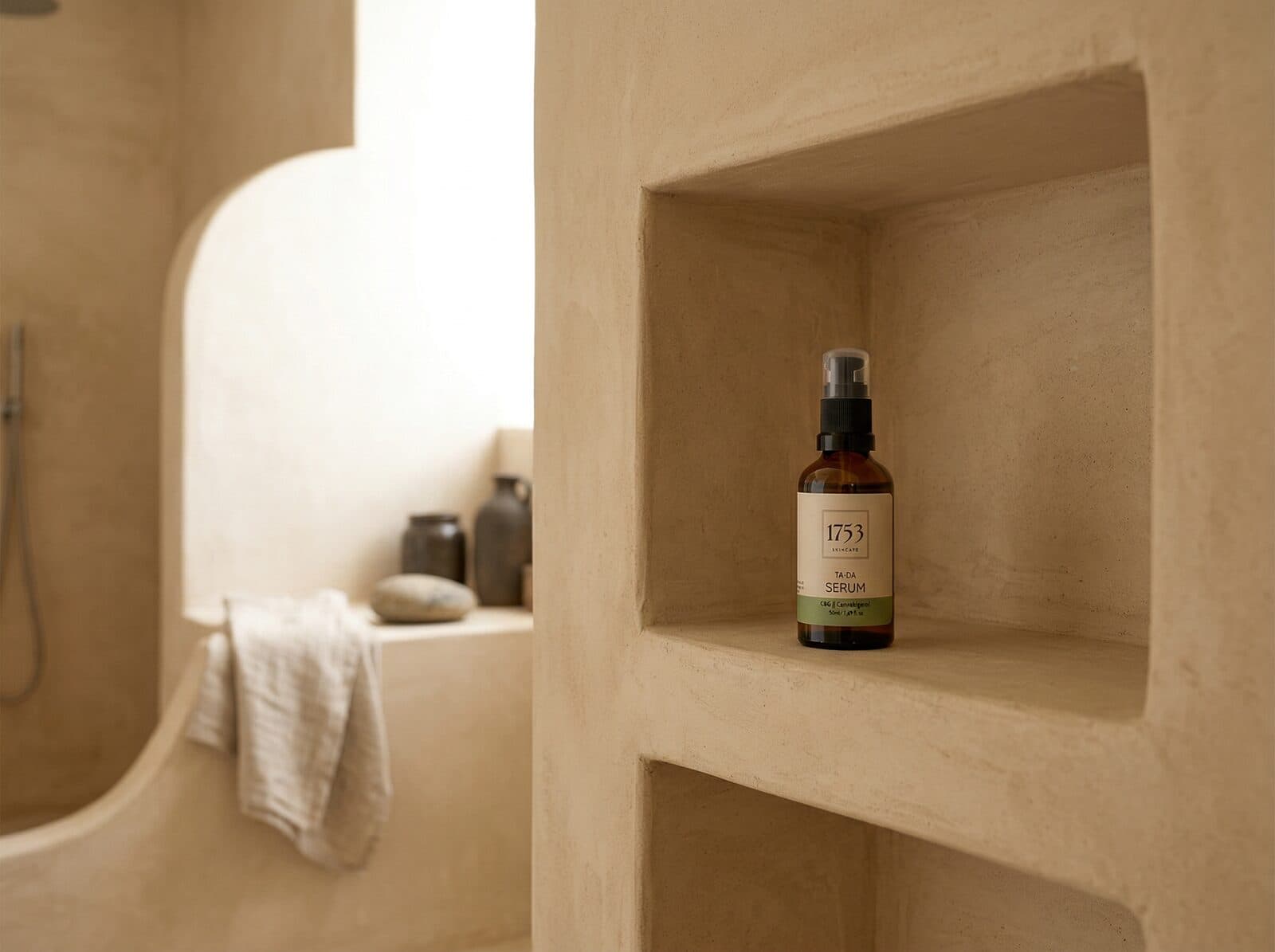
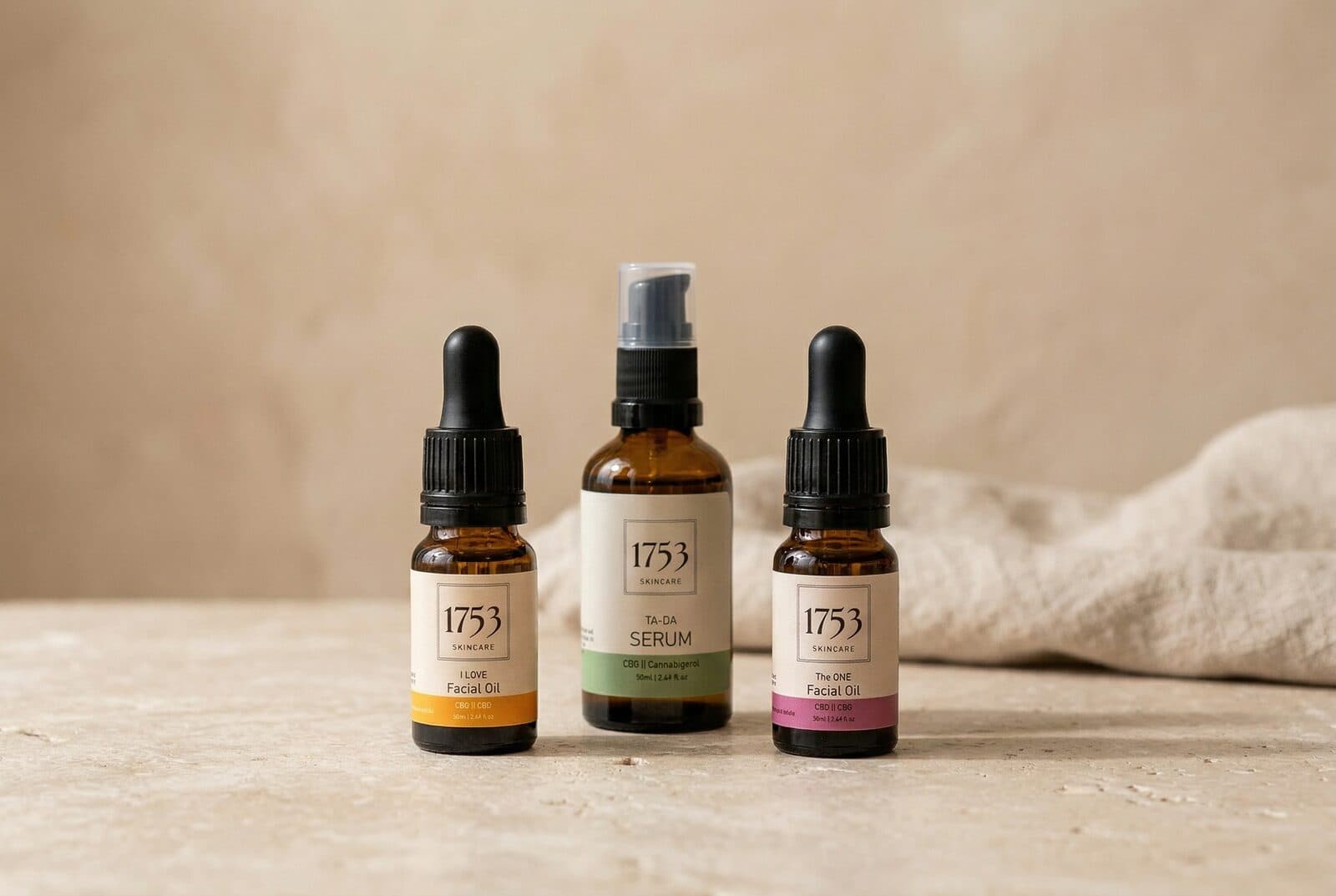
If you want more even skin and better balance without retinization, it makes sense to look at ingredients that work with the skin rather than against it. Ta-DA serum combines CBG and adaptogens in an antioxidant cocktail designed to help skin handle stress and support a healthier pace of renewal. DUO Ta-DA extends that idea with The ONE and I LOVE, giving you a cannabinoid-based routine that feels more like partnership than pressure.
For cleansing without stripping away everything that keeps the barrier calm, Au Naturel Makeup Remover is a better first move than the usual “clean skin at any cost” mindset. MCT oil lifts makeup gently and leaves skin less wound up, which matters when your face already reacts to too many actives.
The difference is simple: retinol pushes skin through an irritation detour before results show up, while cannabinoid-based options like Ta-DA and DUO Ta-DA can support balance without a retinization phase. That makes them especially interesting for pregnant or breastfeeding people, or for anyone who is simply done treating skincare like a science experiment.
Frequently asked questions
What is the difference between retinol and retinaldehyde?
Retinol has to be converted several steps before it becomes retinoic acid, while retinaldehyde sits one step closer to the active form. That can mean faster results, but also a higher chance of irritation.
Why does retinol make skin red?
Retinol can temporarily disrupt the barrier and trigger inflammation while the skin adapts. That is part of retinization, not proof that your skin “loves it”. Ongoing stinging is a sign to stop.
Can you use retinol in summer?
Yes, but only if you are careful with sunscreen and frequency. Because retinol can raise sun sensitivity, many people reduce use during high-sun periods or switch to gentler alternatives.
Is there an alternative without retinization?
Yes. Ta-DA and DUO Ta-DA are built to support renewal in a more balanced way, without the classic retinization phase. They are also a better fit when you want to avoid retinoids during pregnancy or breastfeeding.
Sources
- Oláh A, Tóth BI, Borbíró I, et al. Cannabidiol exerts sebostatic and antiinflammatory effects on human sebocytes. J Clin Invest 2014;124(9):3713–3724.
- Lin TK, Zhong L, Santiago JL. Anti-Inflammatory and Skin Barrier Repair Effects of Topical Application of Some Plant Oils. Int J Mol Sci 2017;19(1):70.
- Tóth KF, Ádám D, Bíró T, Oláh A. Cannabinoid signaling in the skin: therapeutic potential of the c(ut)annabinoid system. Molecules 2019;24(5):918.
Article reviewed by Christopher Genberg, founder of 1753 SKINCARE.
Related articles
Ingredient Portrait
cbd for skin – less noise, more balance
CBD for skin is interesting because it doesn’t try to bully the skin into behaving. It works with th...
Ingredient Portrait
cbg for skin – the mother cannabinoid that calms and renews
CBG usually lives in CBD’s shadow, but skin can tell the difference. This is the cannabinoid that ma...
Ingredient Portrait
Peptides skin – signals, not hype
Peptides sound technical because they are. But in skincare they’re mostly tiny messengers trying to ...
How to
Natural retinol alternatives – when your skin wants results, not punishment
Retinol has been crowned the answer to everything, but skin rarely cares about trends. If you’re sen...
COMPARISON
cbd vs retinol – same conversation, different jobs
CBD and retinol are often grouped together, but they do not behave the same way. Retinol pushes cell...
Comparison
cbd vs hyaluronic acid – hydration or calm?
This is not a fight between two good ingredients. Hyaluronic acid draws water in. CBD works more aro...