
Travel Skin
Travel skin jetlag – when your face lands later
The plane may have taken you somewhere warm, but your skin often stays back in the cabin. With cabin humidity around 20 %, plus sleep debt and dehydration, the result is often tightness, dullness and three days of post-flight aftermath.

Why does travel skin jetlag hit so hard?
It’s not just a feeling. Dry cabin air increases transepidermal water loss, and when sleep debt stacks up, cortisol can rise more easily too. That combo can disrupt the skin barrier, alter oil balance and slow recovery after stress.
Most people try to fix it with harsher cleansing, more acids or another active that promises a reset. But skin that’s already dehydrated and overstimulated usually needs fewer hits, not more. The mainstream “treat it harder” approach looks productive and often behaves like sabotage.
What shows up after landing is usually delayed: first the skin feels a little flat, then it gets tight, then it starts flushing or flaking. If that sounds familiar, it’s not because you failed your routine. It’s because your skin just went through a climate shift.
How to keep skin steady on the road
Pack less, not more
Don’t bring your entire bathroom. Travel with cleansing, hydration and protection only. A simpler routine means fewer chances to irritate skin that’s already under pressure.
Hydrate before thirst hits
Dehydration often starts before you notice it. Sip water regularly during the flight, and don’t rely on coffee alone if you want your skin to feel less wrung out.
Skip strong exfoliation
Acids and scrubs may have a place at home, but not when your skin is facing dry cabin air and sleep debt. Give it a pause until you’re back in your rhythm.
Apply protection early
Don’t wait until your face feels raw. A protective layer before boarding is often more useful than trying to rescue skin once it has already dried out.
Let the skin sleep
Jet lag is sleep debt for your skin too. Keep the evening routine short for the first nights and let your barrier recover without extra fuss.

How to actually solve travel skin jetlag
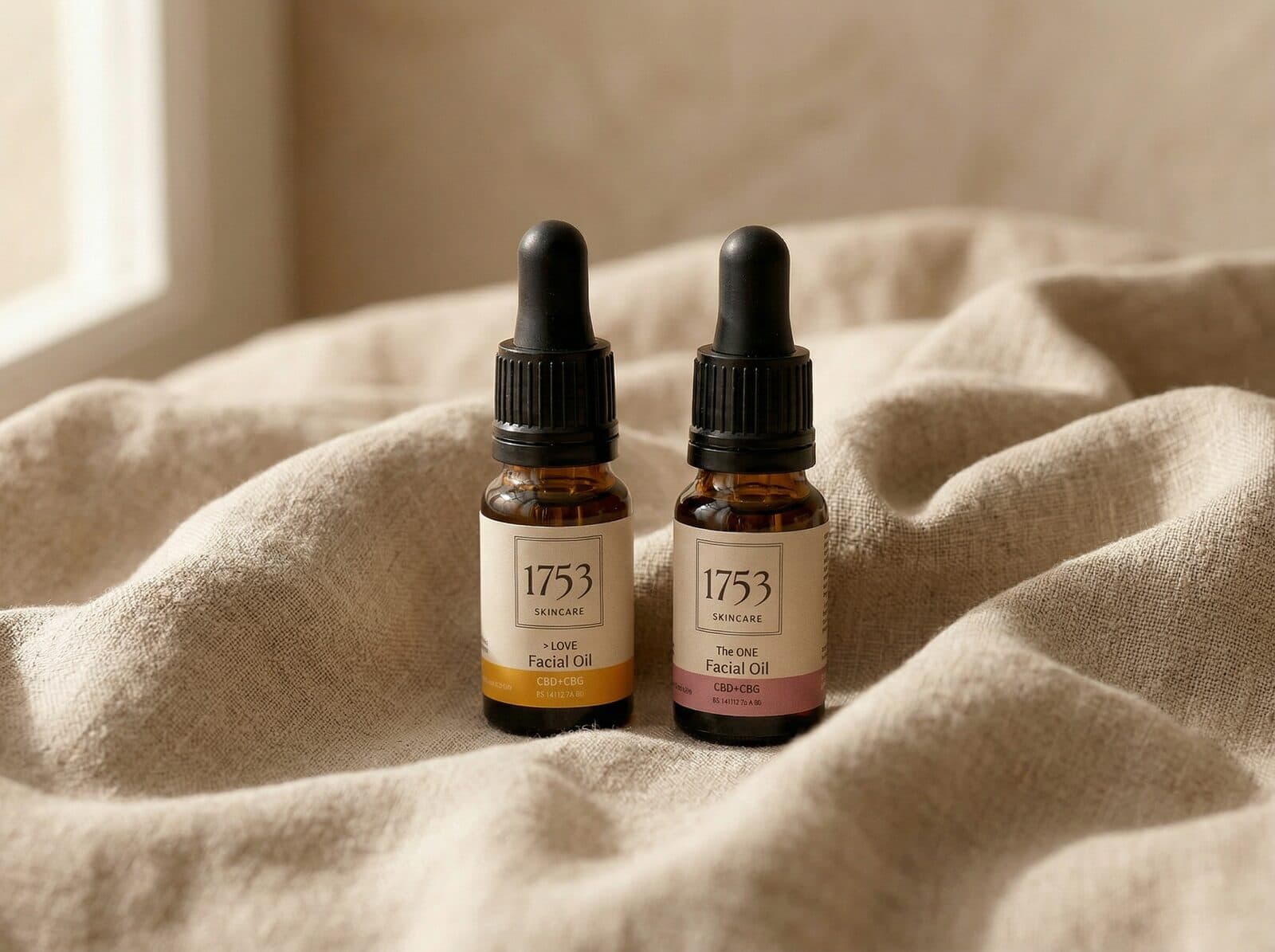
Start with stability, not fireworks. The DUO kit with The ONE and I LOVE gives skin a steady, year-round base that makes sense after flying, climate changes and poor sleep. It’s the kind of routine that calms the barrier instead of trying to dominate it.
Once you’ve landed, layer Ta-DA serum on top for extra protection when skin feels more vulnerable than usual. The antioxidant cocktail with CBG and adaptogens fits beautifully when stress is showing up in both your face and your energy. For cleansing, Au Naturel Makeup Remover stays gentle even when the climate has made skin cranky — exactly what you want after hours in dry cabin air.
The fix is not to do more. It’s to do less, better: a mild cleanse, a calming oil, a CBG serum and, when needed, an extra shield. That’s how you help skin come back online without adding another battle to the trip.
Products we recommend
 Save €34
DUO kit
Two face oils, one for morning and one for evening. Simple skincare that works with your skin, not against it.
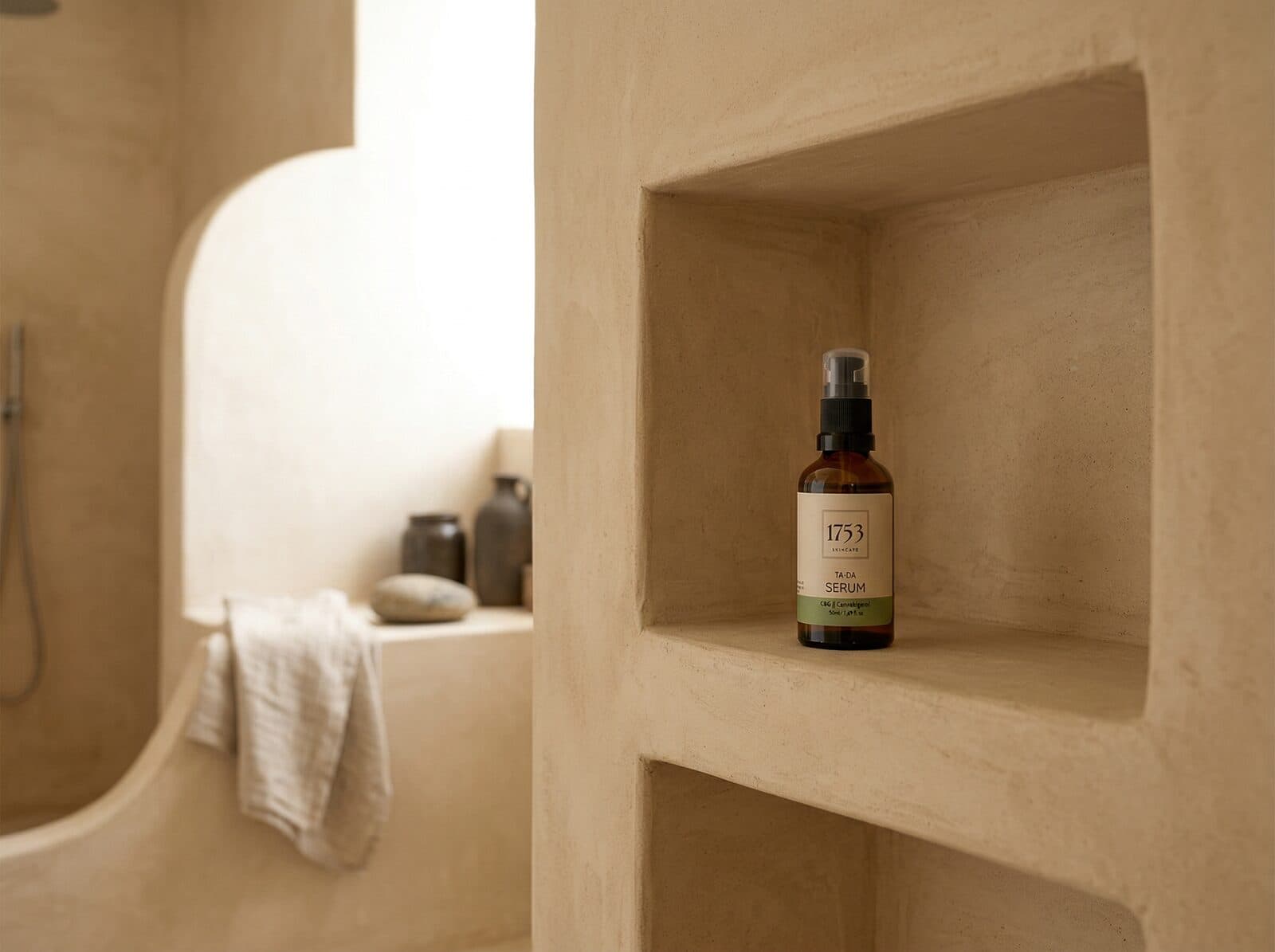
TA-DA Serum
A CBG-powered serum that seals in moisture and adds glow, whatever the season.
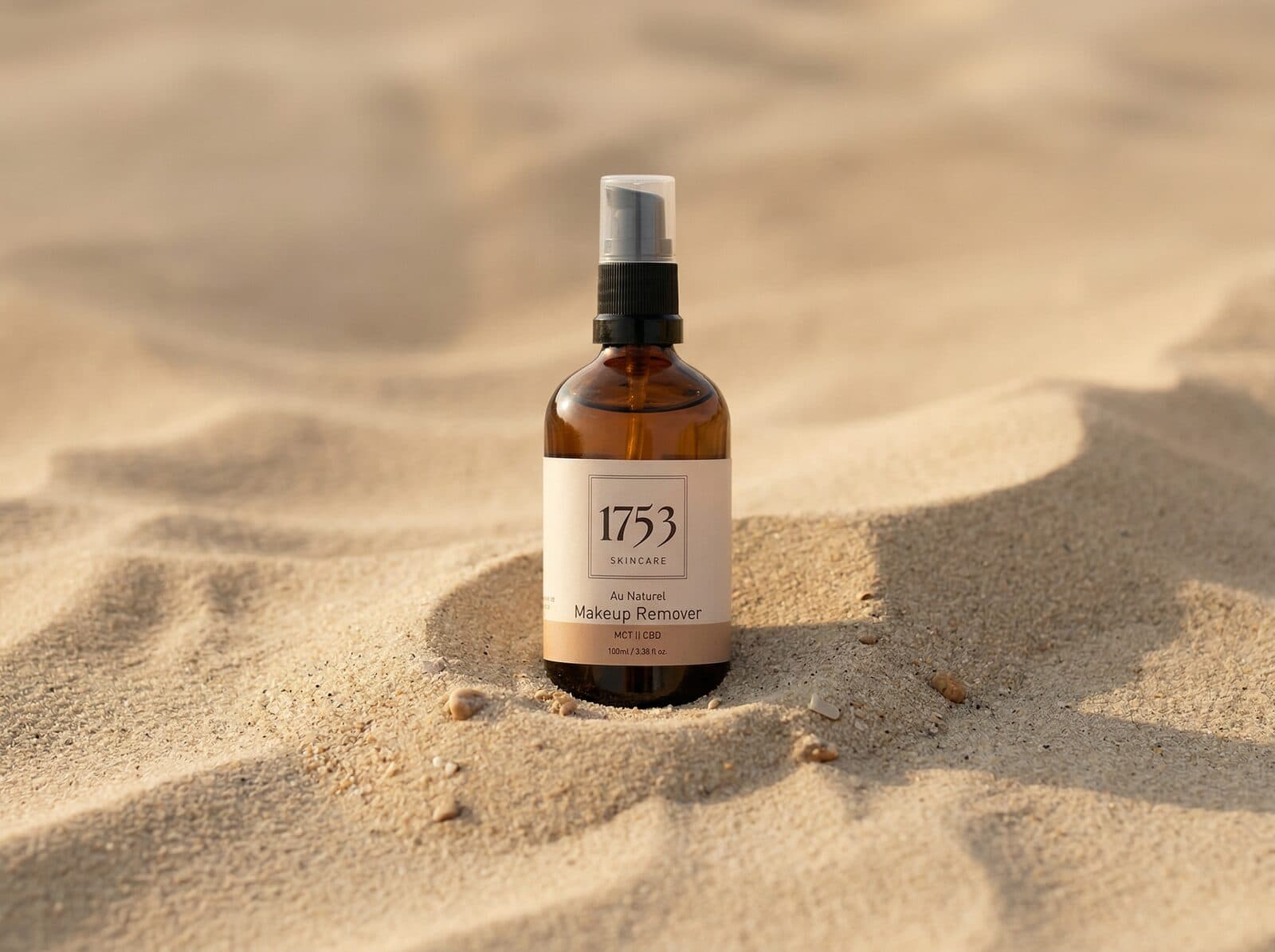
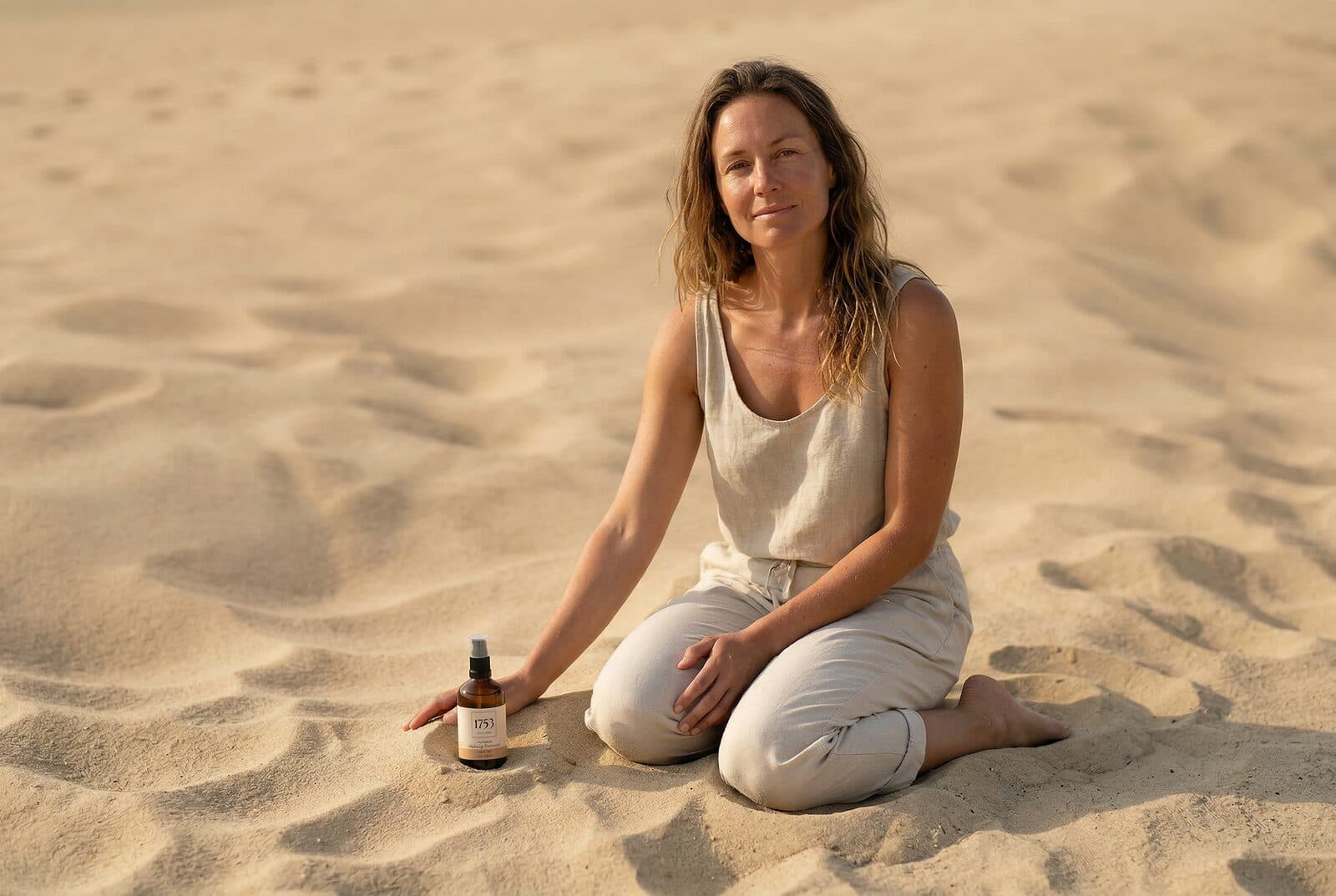
Au Naturel Makeup Remover
A cleansing oil with MCT and CBD that removes makeup and buildup without stripping your skin bare.
Frequently asked questions
Why does my skin feel tight after flying?
Cabin humidity is often around 20 %, which encourages water loss from the skin. Add sleep debt and stress, and the barrier can feel dry, sensitive and slow to bounce back.
Should I use acids after a flight?
Not right away if your skin feels stressed. Wait until tightness and flaking settle, otherwise you may increase irritation instead of helping recovery.
How long does travel skin jetlag last?
For many people, it shows up the same day or the next day after landing, and the after-effects can linger for around three days. It depends on the flight, the climate shift and how much you slept.
What should I pack for skin on a trip?
Bring a gentle cleanser, a calming oil or serum, and something that adds extra protection. Keeping the routine simple helps skin handle the change more easily.
Sources
- Engebretsen KA, Johansen JD, Kezic S, Linneberg A, Thyssen JP. The effect of environmental humidity and temperature on skin barrier function and dermatitis. J Eur Acad Dermatol Venereol 2016;30(2):223–249.
- Lin TK, Zhong L, Santiago JL. Anti-Inflammatory and Skin Barrier Repair Effects of Topical Application of Some Plant Oils. Int J Mol Sci 2017;19(1):70.
Article reviewed by Christopher Genberg, founder of 1753 SKINCARE.
Related articles
Seasonal Skin
Summer Skin Guide – let skin breathe
When UV index sits at 6–11, sweat is constant and the air feels thick, your skin does not need a res...
Seasonal Damage
sunburn skin rescue – cool it, calm it, leave it alone
A sunburn often looks harmless at first, then the heat and sting start talking back. What you’re dea...
Season
In Flight Skin Hydration – when your skin gives up at 10,000 feet
With cabin air hovering around 20% humidity, pressurized air and a small oxygen drop, skin can turn ...
Cyclic Skincare
Menstrual Cycle and Skin – why one routine doesn’t fit all
Your skin doesn’t run on a fixed schedule; it runs with your body. Across the menstrual cycle, hormo...
Postpartum Skin
Postpartum skin – why it changes so much
After pregnancy, skin can feel like it belongs to someone else. Hormones drop, sleep gets broken, an...
Skin Streaming
Minimalist 5 step routine – why less can do more
Skincare has become too much of everything: too many steps, too much exfoliation, too much cleansing...