
Comparison
Cleansing oil vs balm – same job, different feel
Both are meant to dissolve makeup, SPF and sebum without rubbing your face raw. The real difference is texture: an oil pours, a balm starts solid and melts with heat. For most people, the decision is less about performance and more about how the first cleanse feels on skin.

Is the difference bigger than it sounds?
Mechanically, cleansing oil and cleansing balm work on the same principle: oil dissolves oil. They lift away sebum, sunscreen and makeup so you can rinse instead of scrub. That is why double cleansing often feels kinder than harsh foaming cleansers, especially when the skin barrier is already under pressure.
In practice, the difference is texture and pace. An oil is easy to dispense and spreads immediately, while a balm needs to melt between the fingers before it turns soft enough to massage in. Some people love that slower ritual; others find the solid form fussy, especially in a cold bathroom or when they want a quick cleanse.
There is no universal winner. Studies on cleansing and barrier function suggest the bigger issue is overcleansing, strong surfactants and too much friction, not whether your first cleanse comes in a bottle or a jar. So the real question is not what sounds more advanced, but what you will actually use consistently.
How to choose well
Match your climate
If you live somewhere cold or keep products in a chilly bathroom, balm can feel stiff at first. Cleansing oil is usually the easier pick when you want speed and less need for hand-warming.
Consider your makeup
Heavy mascara, long-wear foundation and SPF often need a first cleanse that can sit on skin long enough to do its work. Both formats can manage that, but balm may give you a bit more control during massage.
Watch your skin response
If your skin turns red or tight after washing, the goal is less friction, not a “stronger” cleanser. Choose the texture your skin tolerates best and add a mild second cleanse only if you actually need double cleansing.
Think about dosing
A bottle suits you if you want pump, massage and rinse with almost no fuss. A balm suits you if you prefer taking a small amount and controlling the feel more precisely in your hands.
Read the base
What matters most is not the format itself, but the base oils and how cleanly the formula rinses away. A good cleanser should lift grime without leaving skin oddly greasy or stripped.

Here is the practical fix
If you want to keep things simple, choose the texture that helps you cleanse gently every night. Cleansing oil is often the most straightforward option for quick application, while cleansing balm suits people who like a slower melt and a more enveloping feel on skin.
For makeup or sunscreen wearers, double cleansing often makes sense: first an oil-based step to break down the surface layer, then a mild second cleanser if your skin needs it. That is where Au Naturel Makeup Remover fits naturally, with MCT oil doing the dissolving without drama. If your skin tends to feel reactive or irritated after cleansing, I LOVE is an easy follow-up because the CBG serum is built to calm and balance.
And if you want a routine that respects the barrier instead of bullying it, 1753 makes sense either way. The ONE can follow cleansing when you want CBD-based skin regulation, and Ta-DA serum adds an antioxidant layer for days when your skin needs a bit more support. Oil or balm, the point is the same: cleanse without picking a fight with your face.
Products we recommend
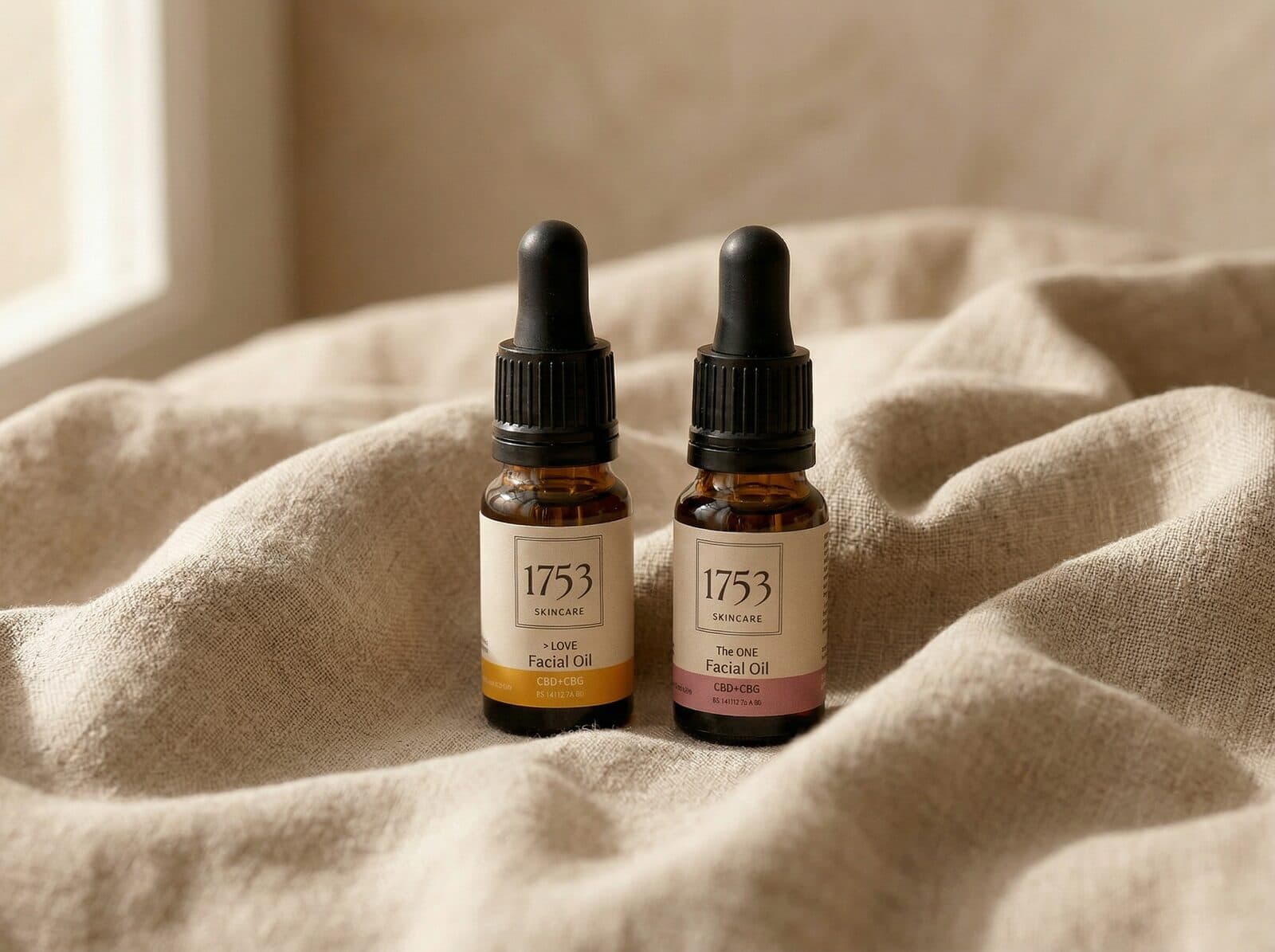
 Save €34
DUO kit
Two face oils, one for morning and one for evening. Simple skincare that works with your skin, not against it.
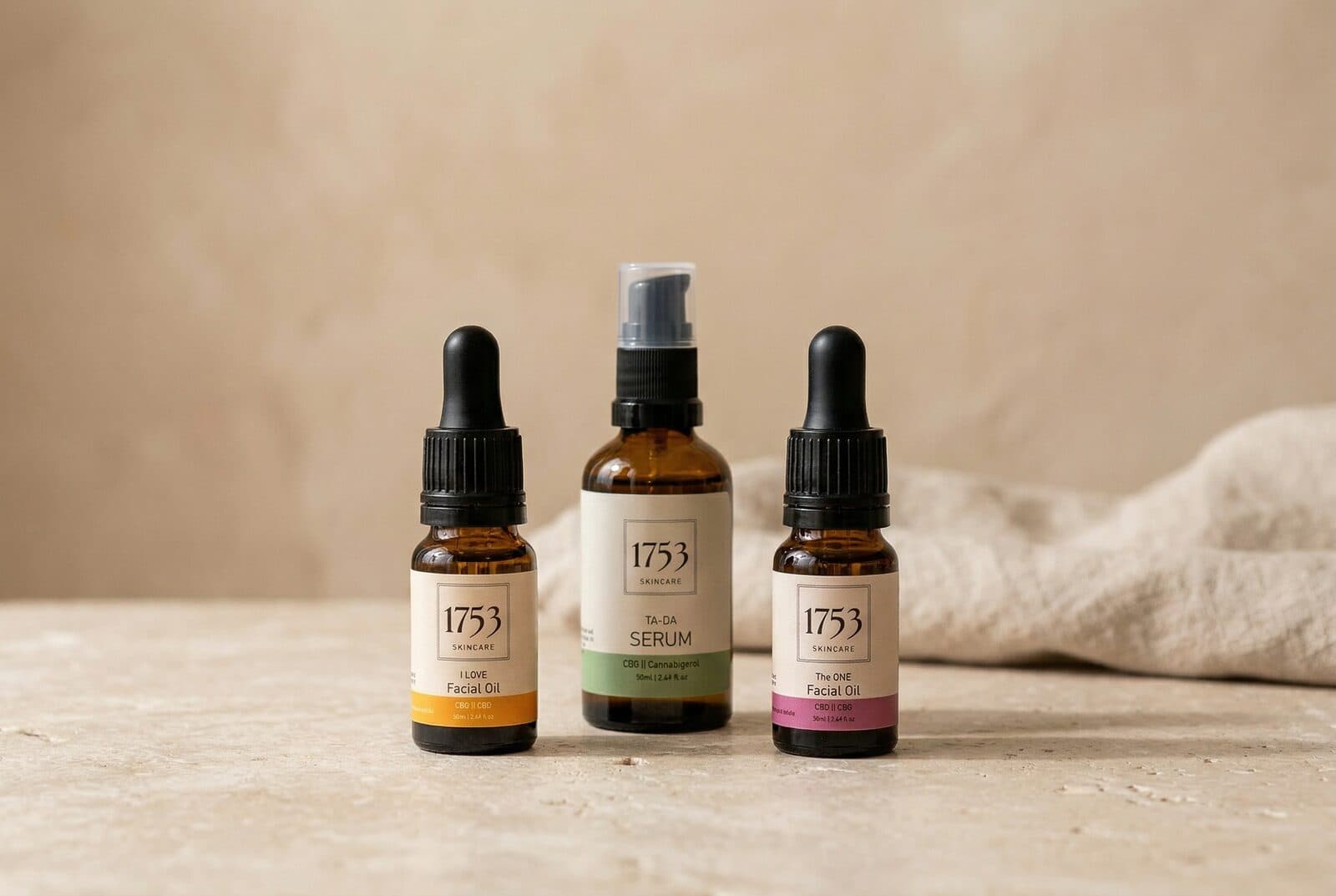
 Save €60
DUO kit + TA-DA Serum
The full routine in one: three products that help skin become calmer, stronger and more resilient.
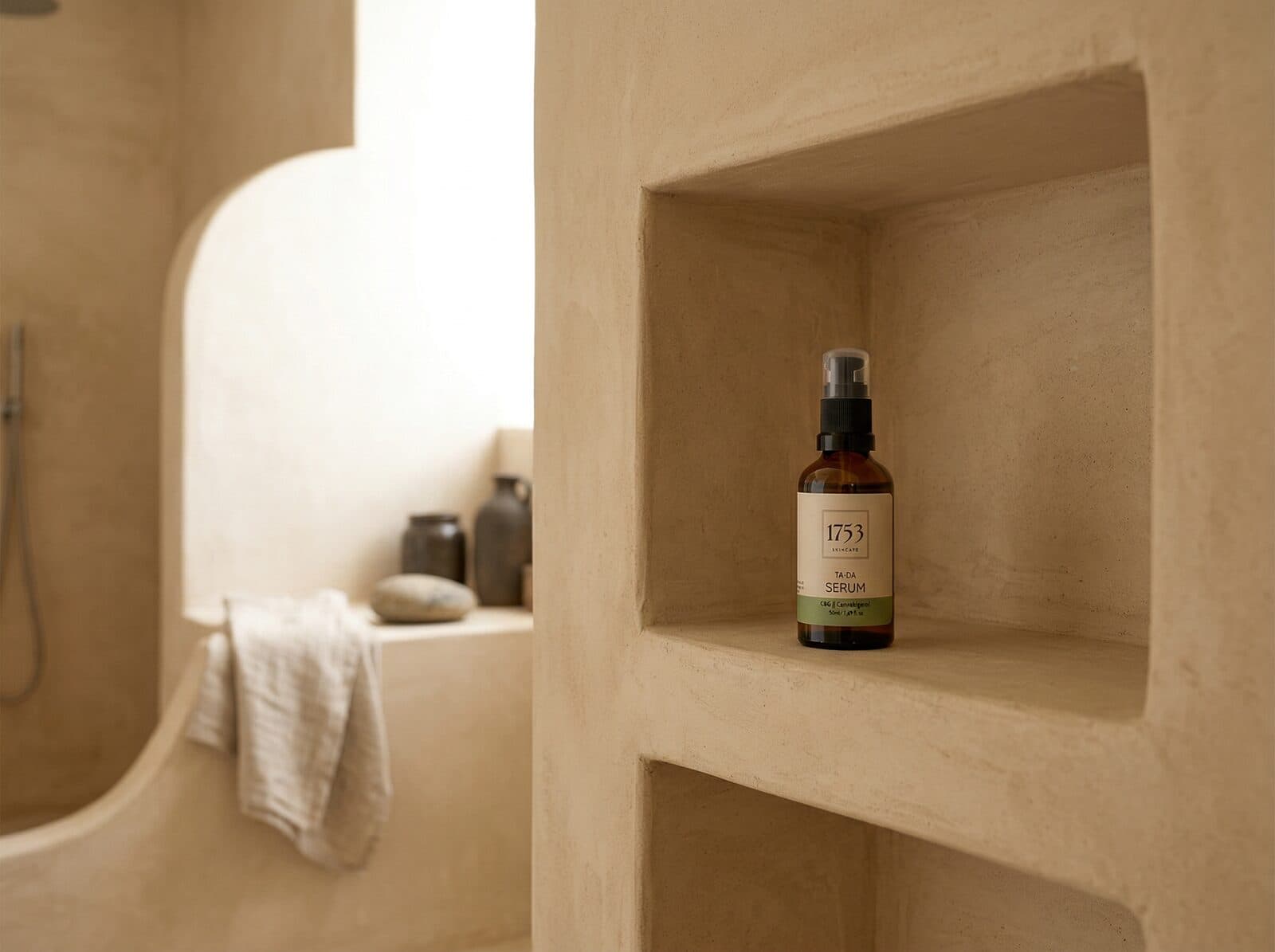
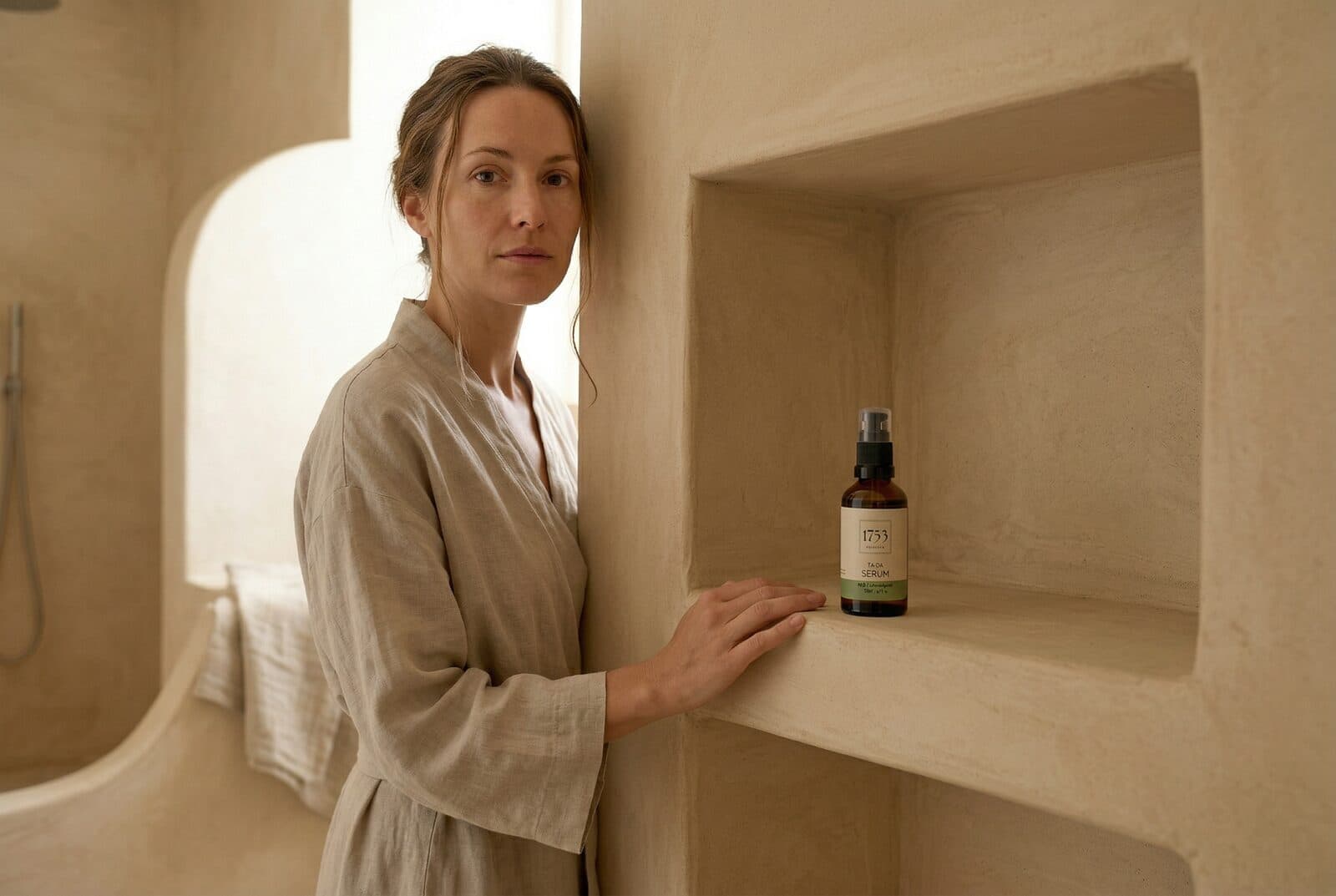
TA-DA Serum
A CBG-powered serum that seals in moisture and adds glow, whatever the season.
Frequently asked questions
Is cleansing oil better than balm?
Not overall. Oil is often faster and easier, while balm can feel richer and give more control during massage. The real difference is how the formula dissolves makeup and how well it rinses, not the format alone.
Does balm really melt better on skin?
Yes, that is the point: a solid balm softens with body heat and turns oily enough to glide over skin. For some, that feels more cushioned than a liquid oil, especially when they want a longer cleanse.
Do I always need double cleanse?
No, but it is often useful if you wear SPF, makeup or a lot of daily buildup. Some people do fine with one oily cleanse and a thorough rinse, while others prefer a gentle second cleanse.
Can cleansing oil clog pores?
Not by default, if the formula is good and you rinse properly. The usual problem is leftover product or overstripping afterward, not oil-based cleansing itself.
Sources
- Oláh A, Tóth BI, Borbíró I, et al. Cannabidiol exerts sebostatic and antiinflammatory effects on human sebocytes. J Clin Invest 2014;124(9):3713–3724.
- Tóth KF, Ádám D, Bíró T, Oláh A. Cannabinoid signaling in the skin: therapeutic potential of the c(ut)annabinoid system. Molecules 2019;24(5):918.
Article reviewed by Christopher Genberg, founder of 1753 SKINCARE.
Related articles
COMPARISON
cbd vs retinol – same conversation, different jobs
CBD and retinol are often grouped together, but they do not behave the same way. Retinol pushes cell...
Comparison
cbd vs hyaluronic acid – hydration or calm?
This is not a fight between two good ingredients. Hyaluronic acid draws water in. CBD works more aro...
COMPARISON
cbd vs niacinamide – two ways to less shine
If your skin is oily but also easily irritated, it is easy to get stuck between two classics: cbd vs...
Ingredient Portrait
cbd for skin – less noise, more balance
CBD for skin is interesting because it doesn’t try to bully the skin into behaving. It works with th...
Ingredient Portrait
cbg for skin – the mother cannabinoid that calms and renews
CBG usually lives in CBD’s shadow, but skin can tell the difference. This is the cannabinoid that ma...
Ingredient Portrait
Shea butter skin – rich, warm, not for everyone
Shea butter is one of skincare’s most loved butters, and one of the most misunderstood. It comes fro...