
Ingredient Portrait
Probiotics skin – when the microbiome is left alone
Skincare has spent years treating skin like something to scrub, strip and control. But skin is an ecosystem, not a surface to win over. Probiotics skin is about supporting the microbiome with the right strains, postbiotics and a routine that stops picking fights with the barrier.

Why does skin get worse when we try to “fix” it?
The skin has its own microbiome, where lactobacillus, bifidobacterium and other helpful microbes can support balance. They compete with unwanted bacteria, help shape pH and can influence the skin’s immune response. When that balance is disrupted, skin often becomes more reactive, dry or breakout-prone.
Conventional skincare often pushes in the opposite direction: harsh cleansing, frequent acids and stacked actives. Some ingredients can help, sure, but too much exfoliation and oil stripping can stress the barrier and disturb the microbiome. Research on probiotics, prebiotics and postbiotics suggests that skin often responds better to support than assault.
The useful part is that you do not always need live bacteria to get a skin benefit. Postbiotics — the compounds produced when bacteria ferment — can still help calm skin, support barrier function and influence inflammation. Less hype, more biology. That is why probiotics skin deserves a serious look.
How to use probiotics wisely
Choose the form
Topical products with probiotics, postbiotics or fermented ingredients are often used daily, morning and night. Oral supplements should be taken exactly as directed on the label, consistently for several weeks before judging the effect.
Look for strains
Search for names like lactobacillus and bifidobacterium, not just the word “probiotic.” Specific strains tell you much more about what the product is trying to do for the microbiome.
Tone down the routine
If skin is already irritated, pause harsh exfoliation and aggressive cleansers. A simpler routine often gives the barrier room to recover, which is where many real improvements start.
Give it time
The skin microbiome does not shift overnight. Expect at least 2–4 weeks before judging comfort, and longer if you are dealing with recurring redness or breakouts.
Support from within
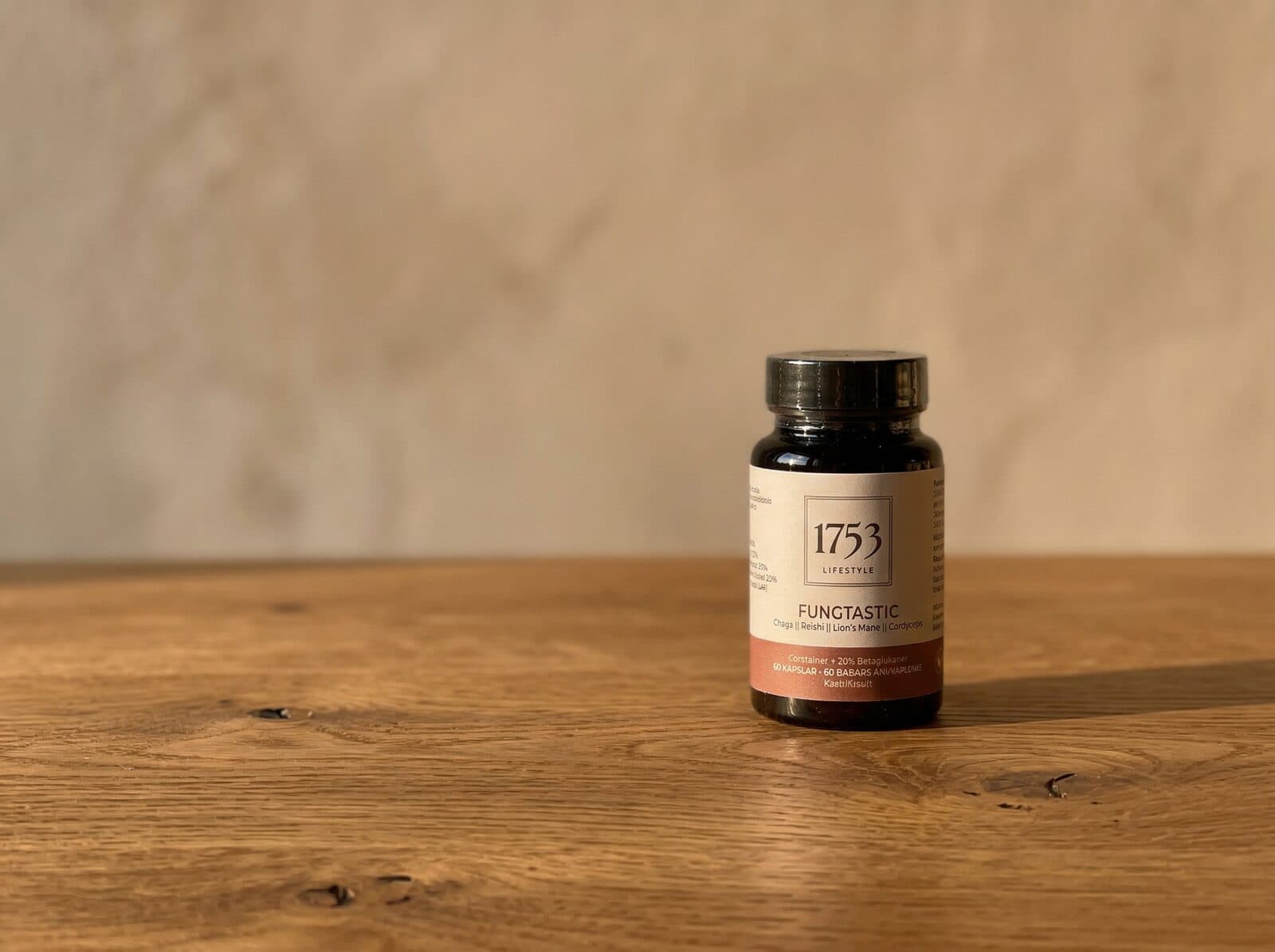
Gut and skin are connected through the immune system. If you want to support the bigger picture, an oral mushroom blend like Fungtastic can be a straightforward way to back the gut, especially when digestion feels off.

How to actually support skin
The sensible move is to stop fighting the skin and start supporting it. Topicals with probiotic or postbiotic components can help the microbiome without disrupting it, while lactic acid in a low, thoughtful dose can offer gentle exfoliation while respecting skin pH. The point is balance, not sterilisation.
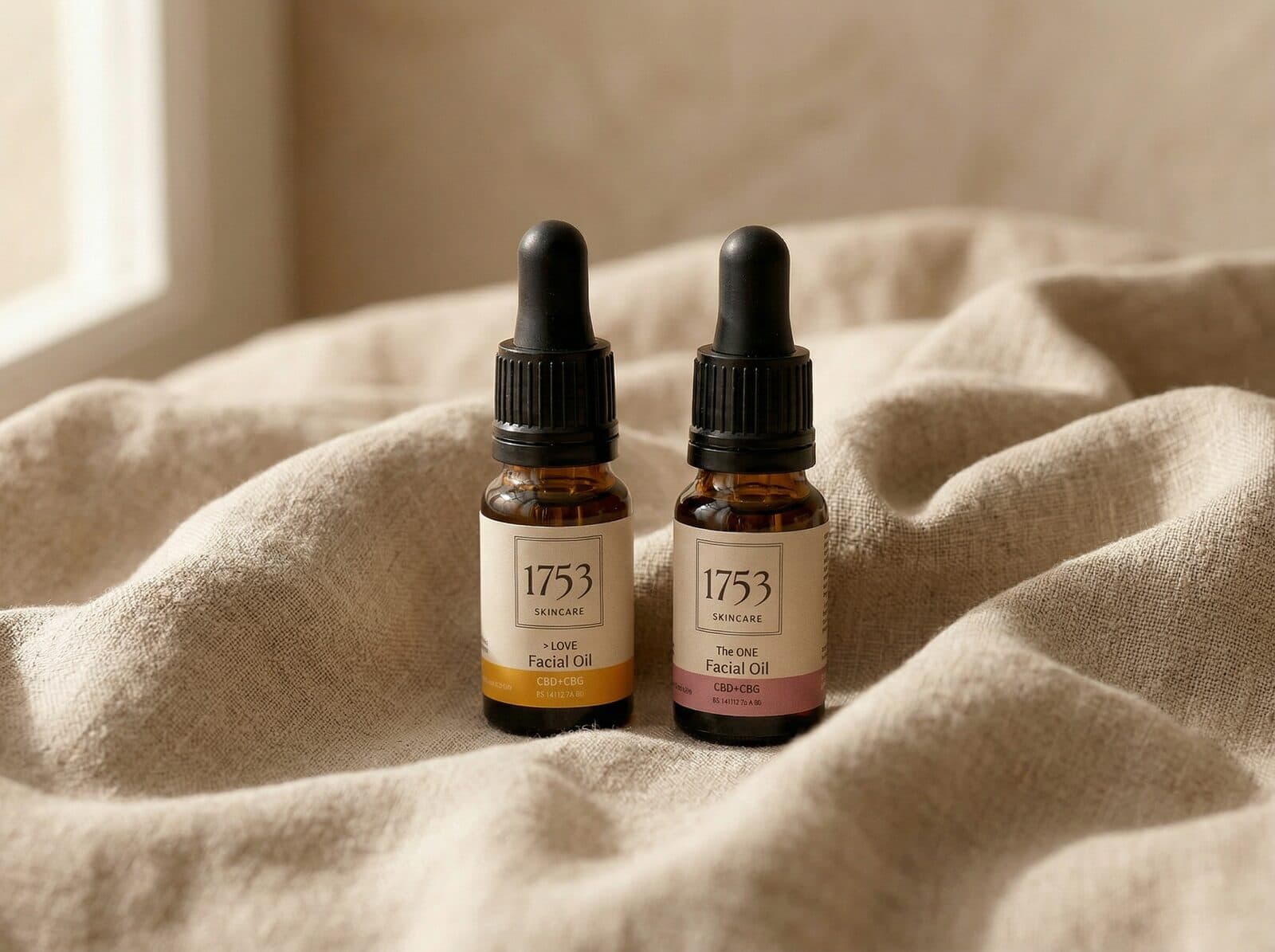
That is where the DUO-kit fits naturally. The ONE and I LOVE support skin without treating it like something that needs to be stripped into submission. You get regulation without microbiome sabotage. If you want to go further with antioxidants and anti-aging support, Ta-DA serum adds CBG and adaptogens without the usual harshness.
And if you want to work from the inside too, Fungtastic Mushroom Extract is a simple supplement for the gut, where a large part of the immune system lives. Skin and gut talk constantly. That is not wellness fluff; it is a practical angle if you want better conditions for your skin than yet another “purifying” routine.


Frequently asked questions
Are probiotics good for skin?
Yes, especially when the goal is to support the microbiome and barrier rather than overwhelm the skin. Benefits can come from live strains, fermented ingredients or postbiotics that influence pH, inflammation and tolerance.
What is the difference between probiotics and postbiotics?
Probiotics are live microorganisms, while postbiotics are the bioactive compounds they produce. For skin, postbiotics are often attractive because they are stable, gentle and easier to formulate.
Can probiotics help with acne or redness?
They can be relevant because the microbiome and immune response are linked. But think support, not a quick fix: results depend on your routine, your tolerance and whether you stop overloading skin with harsh actives.
How long until I see a difference?
Some people notice calmer skin within a few weeks, but microbiome work is usually gradual. Give it at least 2–4 weeks and judge how skin feels, not just how it looks on one random day.
Sources
- Oláh A, Tóth BI, Borbíró I, et al. Cannabidiol exerts sebostatic and antiinflammatory effects on human sebocytes. J Clin Invest 2014;124(9):3713–3724.
- Lin TK, Zhong L, Santiago JL. Anti-Inflammatory and Skin Barrier Repair Effects of Topical Application of Some Plant Oils. Int J Mol Sci 2017;19(1):70.
- Tóth KF, Ádám D, Bíró T, Oláh A. Cannabinoid signaling in the skin: therapeutic potential of the c(ut)annabinoid system. Molecules 2019;24(5):918.
Article reviewed by Christopher Genberg, founder of 1753 SKINCARE.
Related articles
Ingredient Portrait
cbd for skin – less noise, more balance
CBD for skin is interesting because it doesn’t try to bully the skin into behaving. It works with th...
Ingredient Portrait
cbg for skin – the mother cannabinoid that calms and renews
CBG usually lives in CBD’s shadow, but skin can tell the difference. This is the cannabinoid that ma...
Ingredient Portrait
Chaga mushroom skin – the taiga’s quiet shield
Chaga is not another glossy wellness gimmick. It’s a survival mushroom from the cold taiga, packed w...
Skin Streaming
Minimalist 5 step routine – why less can do more
Skincare has become too much of everything: too many steps, too much exfoliation, too much cleansing...
CBD Skincare
CBD for acne – stop fighting your skin
Acne isn't about being dirty. It's about inflammation, hormones, and skin that needs support – not p...
CBD Skincare
CBD for oily skin – balance instead of dehydration
Drying out oily skin only makes it oilier. Sounds backwards, but that's exactly what happens. CBD of...