
Pregnancy
Pregnancy skin – when everything shifts
Pregnancy can make skin feel luminous one day and impossible the next. Hormones, blood flow and immune changes move fast, and skin doesn’t always keep up. Here’s the straight version of what’s happening, what’s normal, and what’s worth using.

Why does pregnancy skin get so unpredictable?
During pregnancy, rising estrogen, progesterone and melanocyte-stimulating signals can affect pigment, oil production and sensitivity. That’s why melasma, often called pregnancy mask, shows up as darker patches on the cheeks, forehead or upper lip. At the same time, skin may feel drier, more reactive, or suddenly oilier than usual.
Stretch marks happen when skin stretches faster than its collagen and elastin can adapt. It’s not a sign that you did anything wrong; genetics, rapid body changes and hormone-driven shifts in connective tissue all play a role. Studies also show that itching can be simple dryness, but sometimes it can point to something more serious, such as cholestasis, which should always be checked.
The real problem is usually not that skin is “difficult” — it’s that people try to treat it as if nothing has changed. Harsh cleansing, over-exfoliating and chasing actives rarely help. Pregnancy skin wants less friction, not more.
What can you do today?
Cleanse gently
Use a cleanser that leaves skin comfortable, not tight. If your face feels squeaky after washing, it is probably too aggressive right now.
Moisturise on damp skin
Apply oil or serum right after washing or showering to trap more water in the skin. Small move, big difference when everything feels depleted.
Take sun seriously
Melasma is easily worsened by UV, even through clouds and windows. Sun protection is boring, but it is one of the few things that actually makes sense here.
Skip retinol
Retinol and pregnancy do not mix. If you want a routine that stays safe and simple, leave uncertain actives on the shelf for now.
Respect persistent itch
Strong itching, especially on palms or soles, should not be brushed off. If cholestasis is a possibility, contact your healthcare provider promptly.
How to build a routine that actually works
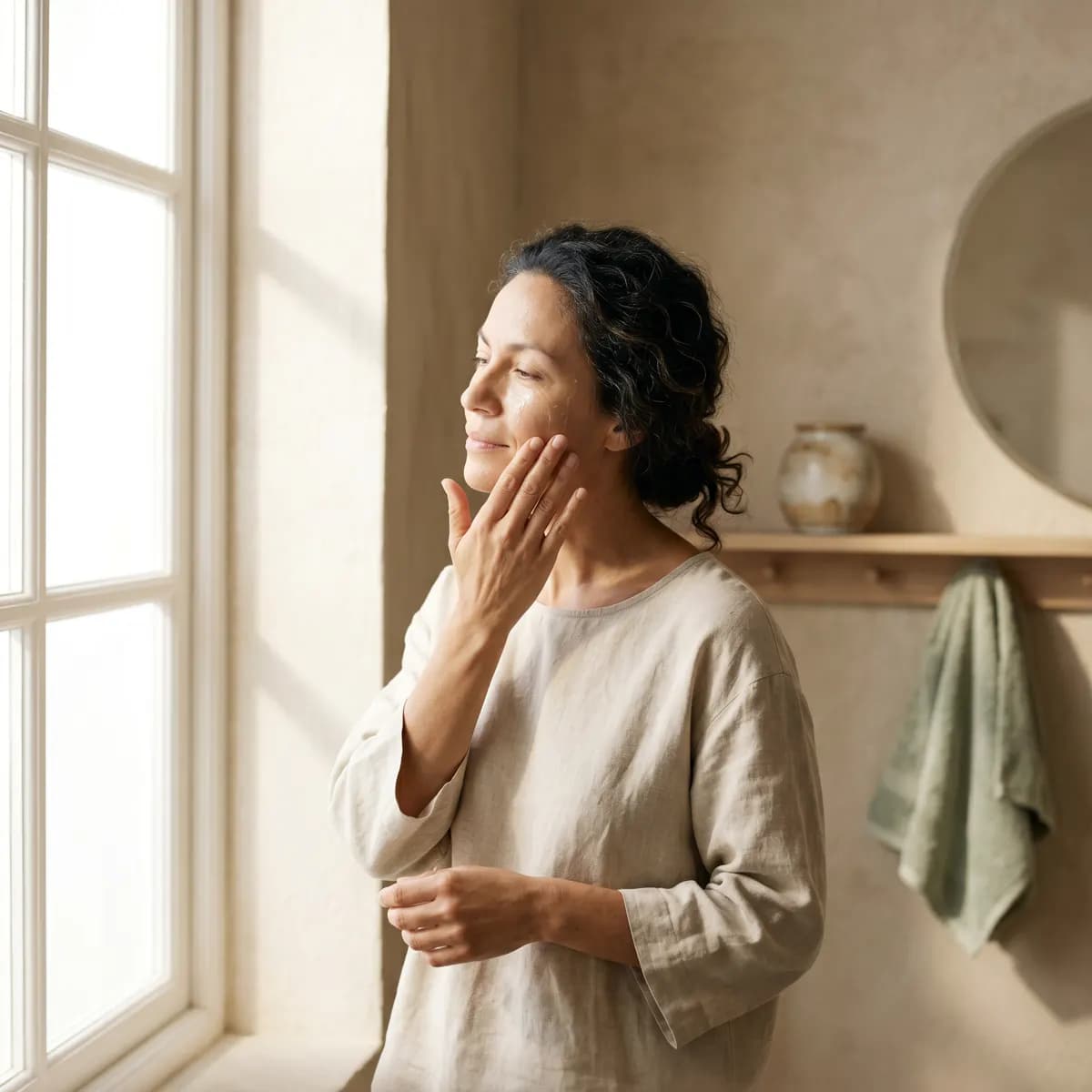
The smartest approach in pregnancy is a routine that does less, but does it consistently. Au Naturel Makeup Remover is a gentle first step when you need to remove sunscreen, makeup or daily buildup without stripping the barrier. After that, the goal is calm skin, not a ten-step rescue mission.
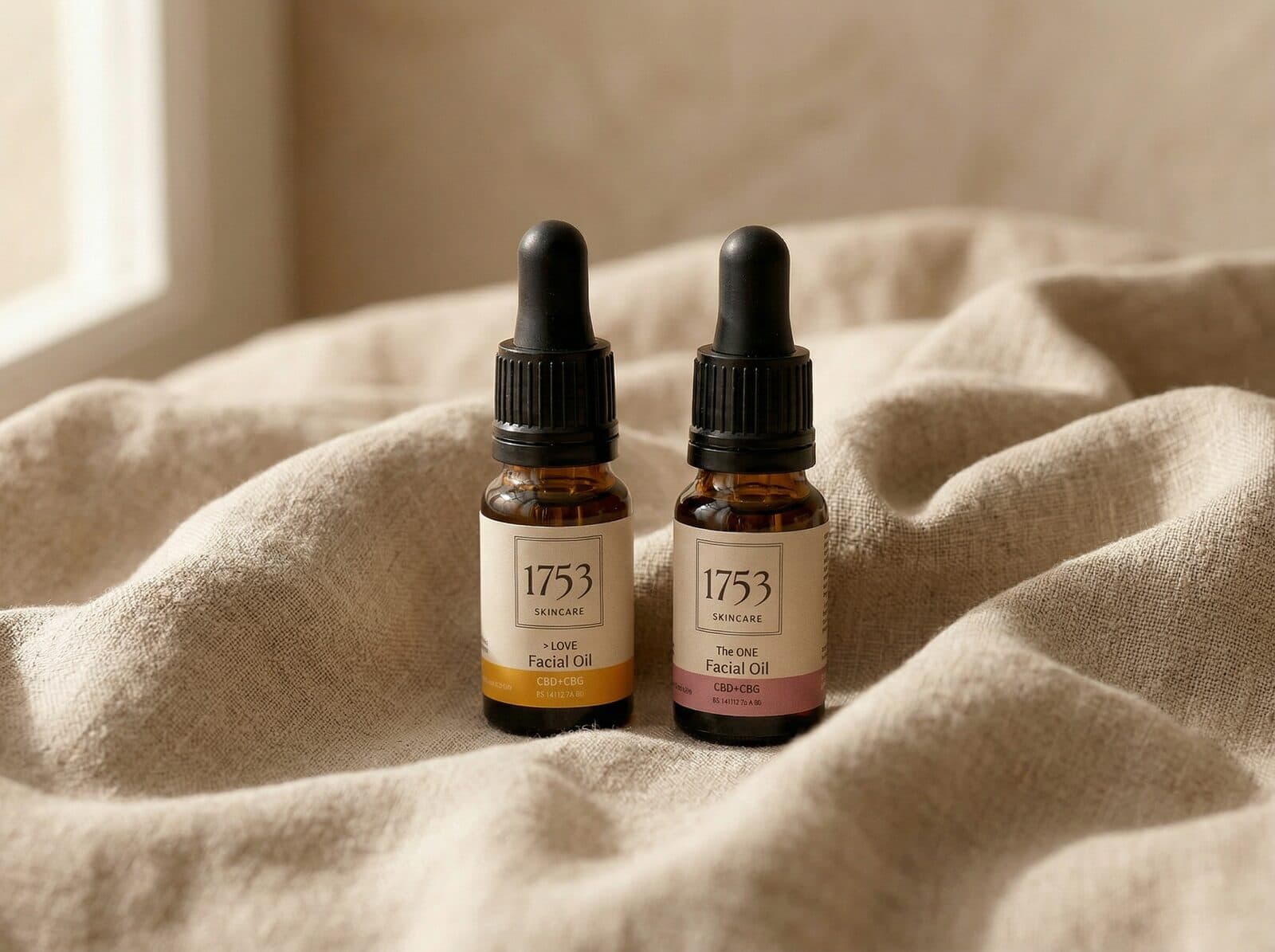
For many people, The ONE and I LOVE become a stable base when skin swings between dry, shiny and reactive. The CBD oil and CBG serum are easy to adapt across life stages, which is the whole point: your skin philosophy does not need a hard reset just because your body is changing. If you want extra antioxidant support when skin looks tired or uneven, Ta-DA serum fits in without making the routine noisy.
And when hormones are wobbling in more ways than your face shows, the body may appreciate support from the inside too. Fungtastic Mushroom Extract is a practical way to give everyday life a bit more resilience and a bit less chaos. Not magic — just a more sensible form of self-care when your system is working overtime.
Products we recommend
 Save €34
DUO kit
Two face oils, one for morning and one for evening. Simple skincare that works with your skin, not against it.
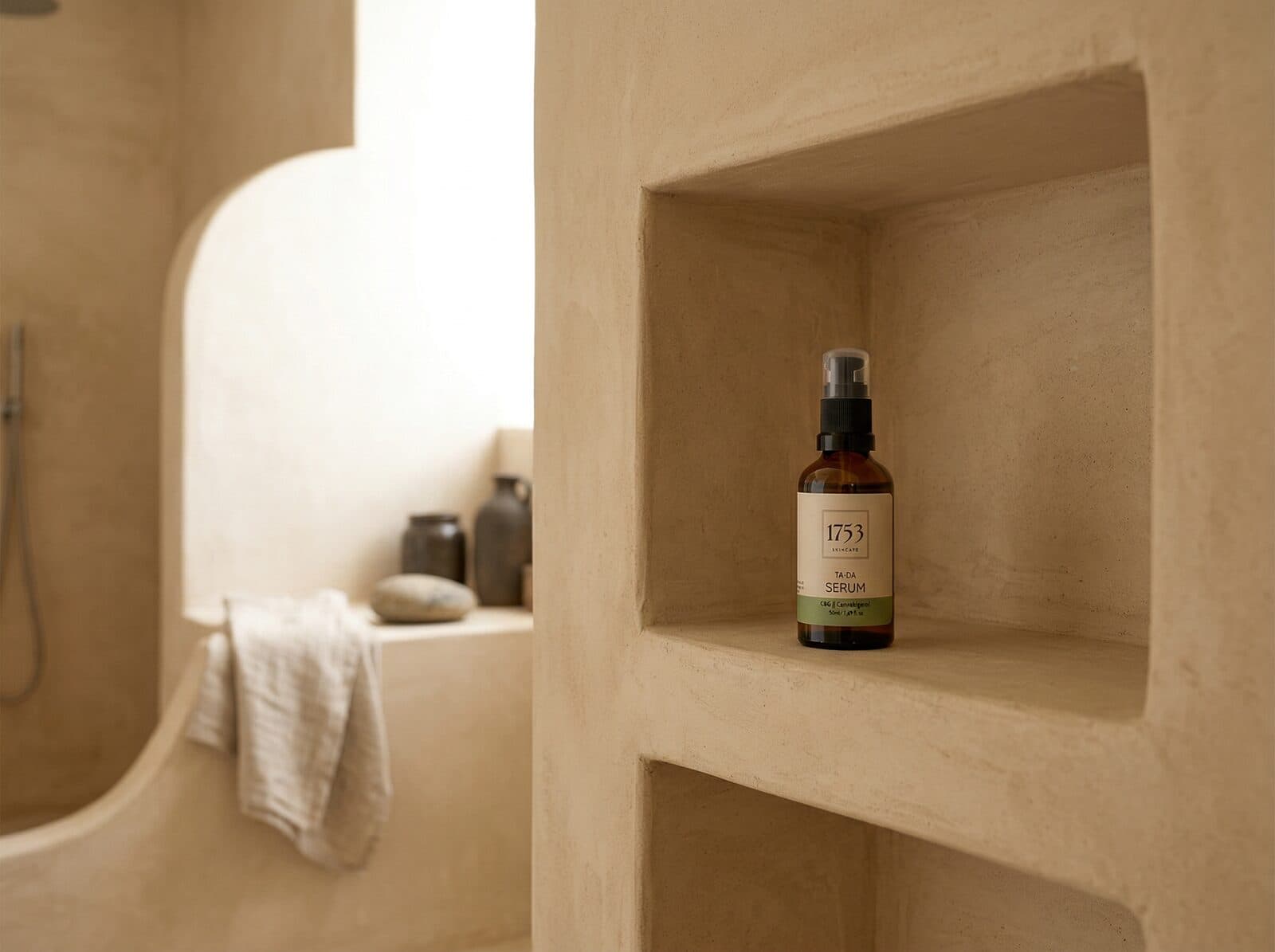
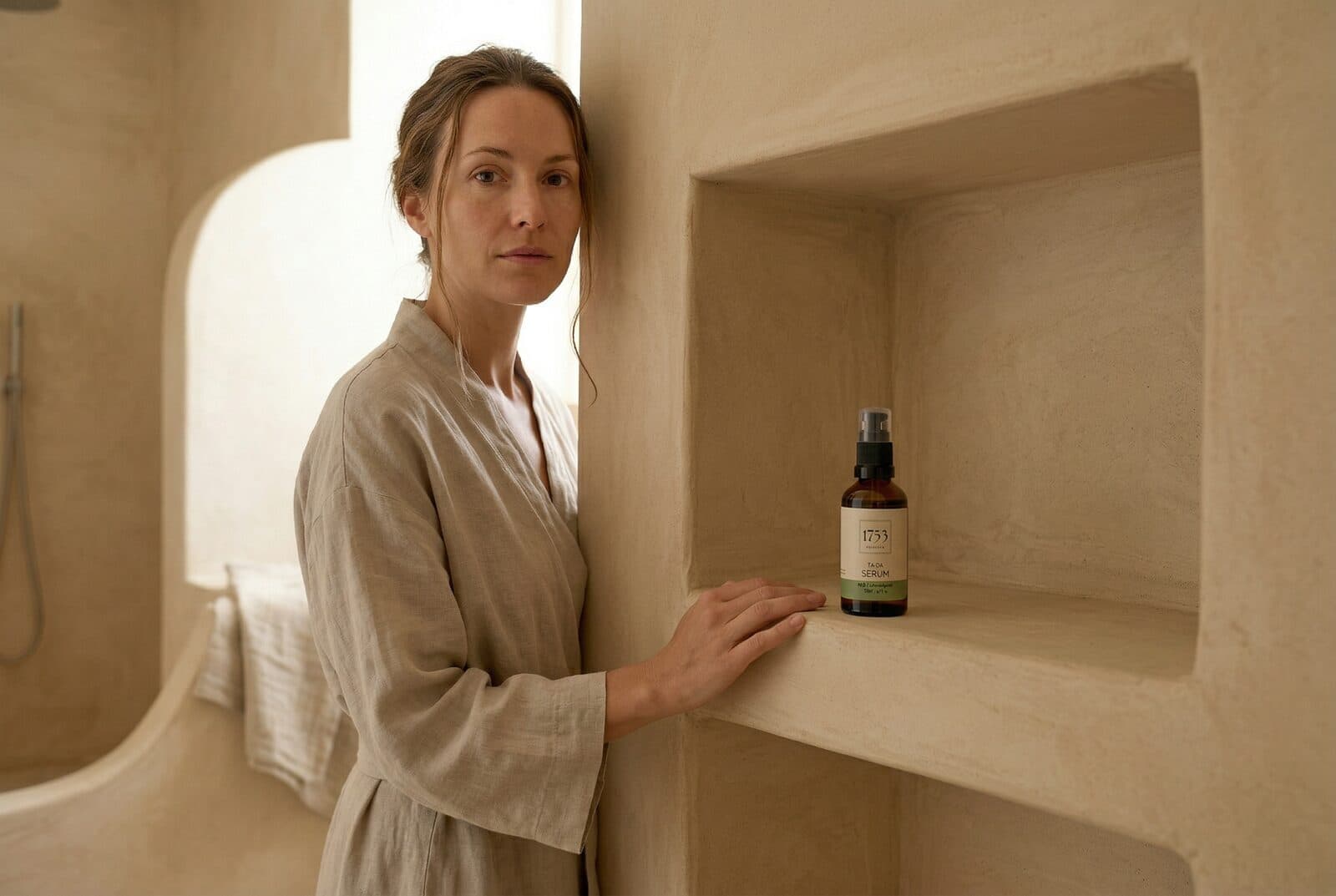
TA-DA Serum
A CBG-powered serum that seals in moisture and adds glow, whatever the season.
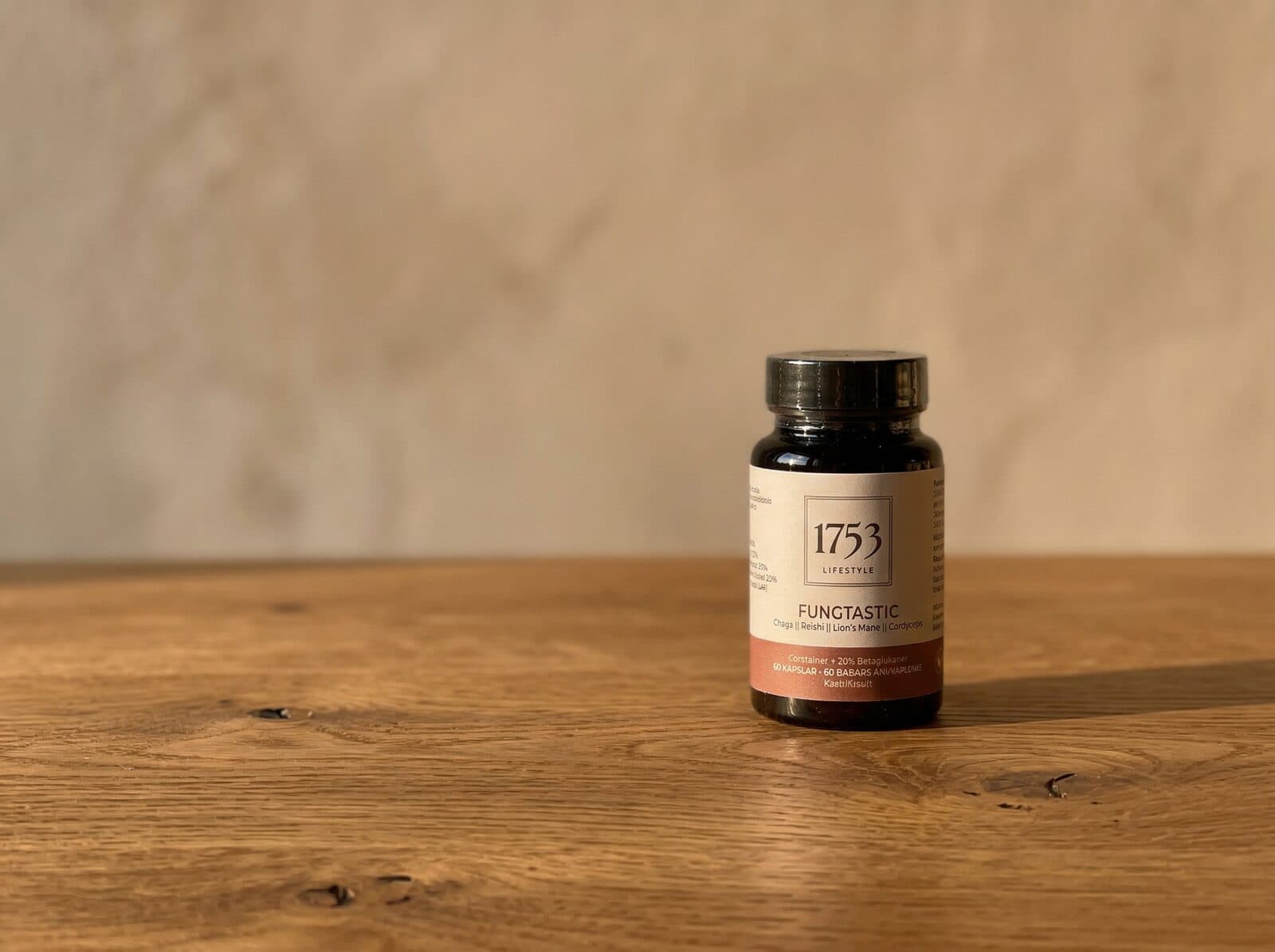
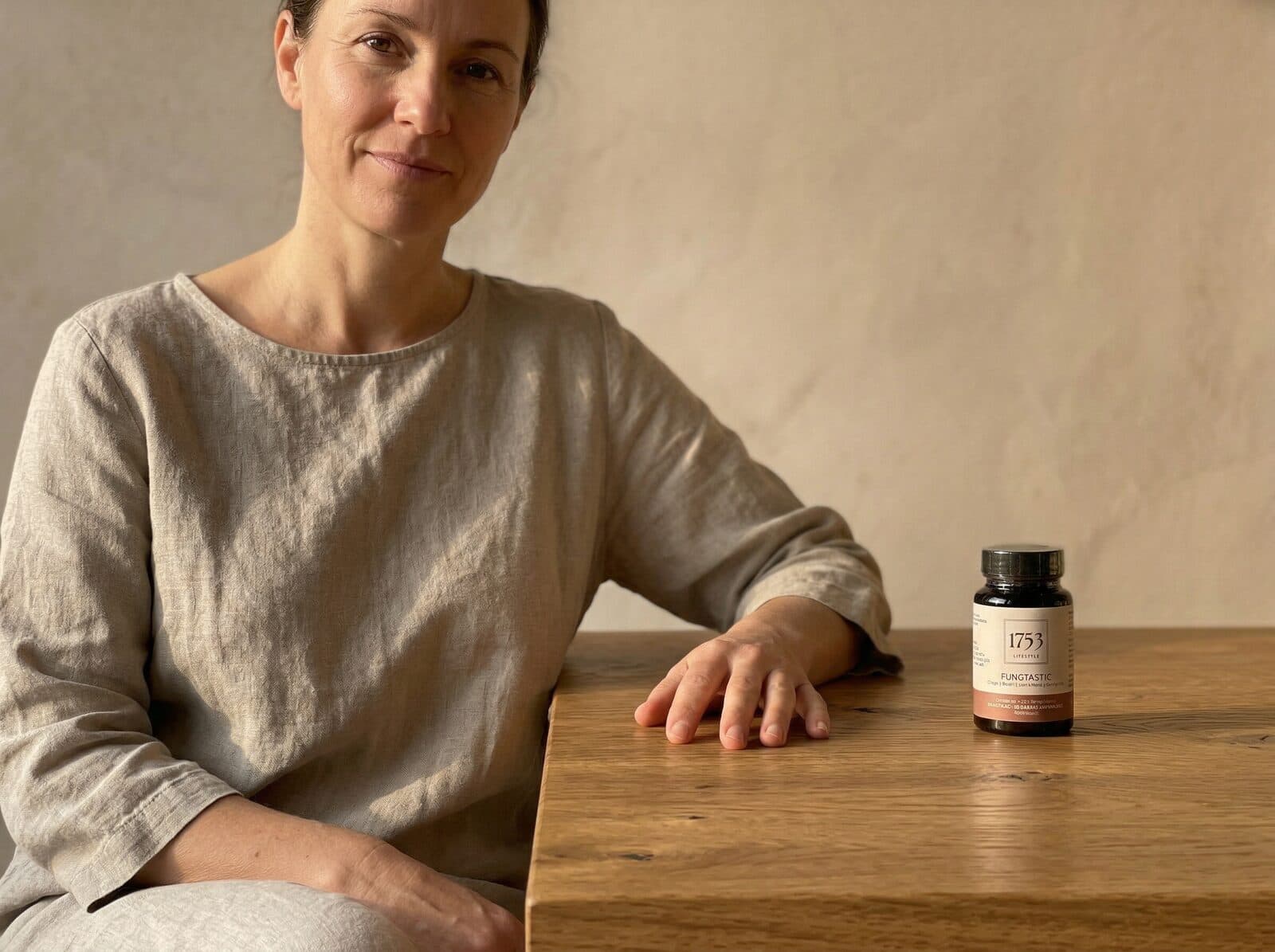
Fungtastic Mushroom Extract
Four mushrooms in one formula to support immunity, focus, energy and sleep from within.
Frequently asked questions
Is melasma common in pregnancy?
Yes, pigment changes are very common during pregnancy. Sun exposure and hormonal shifts often make it more noticeable, so gentle care and consistent sun protection are smart.
What does itchy skin on the belly mean?
Mild itch can come from stretching skin and dryness. But strong or persistent itching, especially without a clear rash, should be reviewed by a clinician.
Can I use retinol while pregnant?
No, retinol is generally not recommended during pregnancy. Stick to simple, soothing skincare with ingredients you do not have to second-guess.
Do stretch marks go away after birth?
They often fade over time, but usually do not disappear completely. Keeping skin comfortable and hydrated can help it feel better while it changes.
Sources
- Zouboulis CC, Makrantonaki E. Hormonal therapy of intrinsic aging. Rejuvenation Res 2012;15(3):302–312.
- Raghunath RS, Venables ZC, Millington GWM. The menstrual cycle and the skin. Clin Exp Dermatol 2015;40(2):111–115.
Article reviewed by Christopher Genberg, founder of 1753 SKINCARE.
Related articles
Life Stage
Skincare in your 20s – build the skin before it starts complaining
In your twenties, skin can look fine on the surface while quietly learning its habits. The barrier, ...
Life Stage
Skincare in your 30s – when the rules start changing
In your 30s, your skin often starts acting a little differently. Collagen production slows down, hor...
Life Stage
Skincare in your 40s – when the rules change
In your 40s, your skin often changes faster than your routine. Estrogen starts to drop, the barrier ...
Wellness
Sleep skin connection – when the night does the work
Beauty sleep is not a cliché. While you sleep, cortisol drops, growth hormone rises and the body get...
Wellness Axis
Gut skin connection – when the gut shows on your face
Your skin is not a separate island. It listens to your gut, your stress, and the state of your intes...
WELLNESS
Stress skin – when your body hits the alarm button
You usually feel it before you can explain it: redness, tightness, stinging, or a psoriasis flare th...