
Season Shift
Autumn transition skin – when the air changes, so does your face
Autumn air gets drier, UV behaves differently, and temperature swings can stress skin more than you’d expect. Add too-hot showers and suddenly your face feels tight, flaky, and oddly reactive. It’s not a mystery, just a seasonal shift skin notices immediately.

Why does autumn transition skin dry out so fast?
When the humidity drop arrives in autumn, the air holds less moisture and skin loses water more easily. The barrier becomes less efficient, transepidermal water loss rises, and what once felt fine can start to sting. Studies on barrier function consistently show that dry air makes dehydration and sensitivity more likely.
At the same time, many of us lean into hot shower overuse. It feels comforting, but hot water and harsh cleansing strip away the skin’s own lipids and can leave the barrier even more vulnerable. This is exactly when skin needs less force, not more “deep cleansing” mythology.
Then comes the sensitivity spike: wind, hats, skincare, even the same products you used all summer can suddenly feel too much. That’s not your skin being difficult. It’s your skin asking for a slower pace, fewer irritants, and more support while the season changes.
What helps skin in autumn
Shorten the showers
Keep showers shorter and use lukewarm water instead of hot. It’s one of the fastest ways to reduce how much barrier lipid you wash away.
Cut back on over-exfoliating
Ease off strong scrubs, acids, and aggressive cleansing when the air turns dry. Skin often needs recovery more than stimulation during seasonal change.
Layer lightly
Use a few thin layers instead of piling on too many actives at once. That gives skin a better shot at holding moisture without getting irritated.
Seal in moisture after washing
Apply skincare right after cleansing, while skin is still slightly damp. That helps trap water before dry air and indoor heating pull it back out.
Choose a gentle cleanser
Go for a cleanser that removes makeup and grime without leaving skin stripped. When the barrier is stressed, gentleness is the move, not a compromise.

How to actually handle autumn transition skin
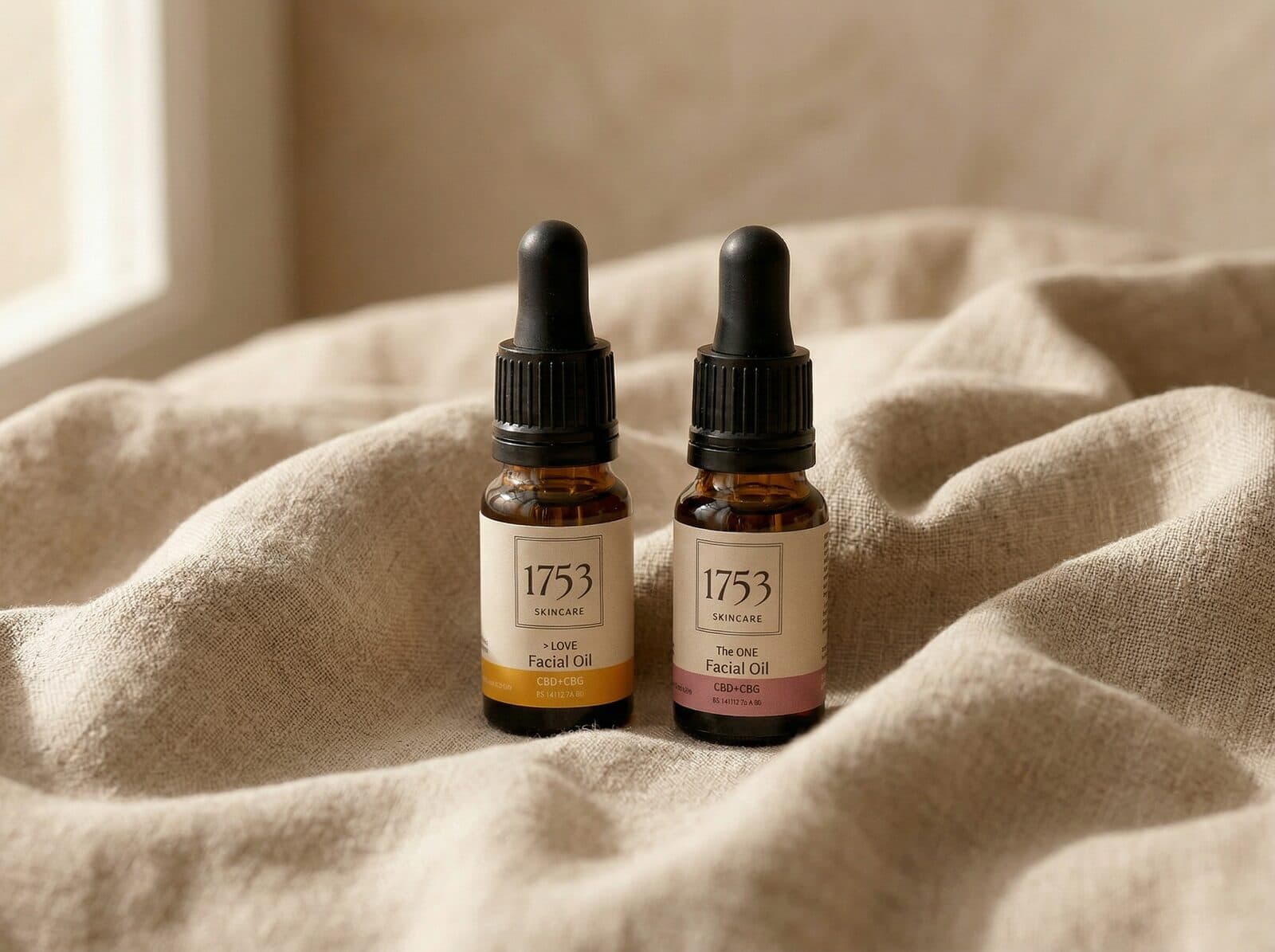
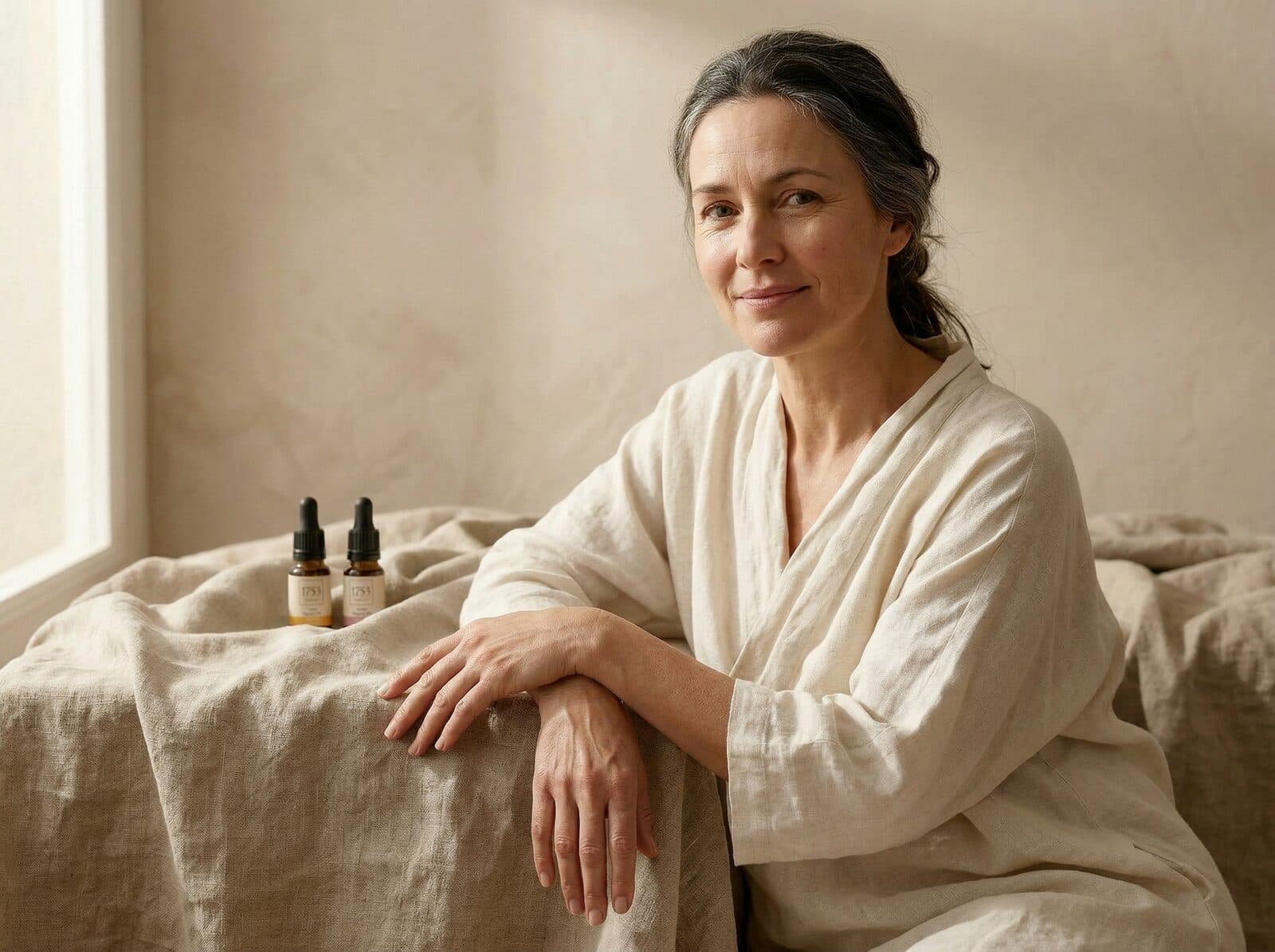
The real answer is stability, not a louder routine. The DUO kit with The ONE and I LOVE gives skin a balanced year-round setup: an oil that supports the barrier and a serum that helps calm things down when skin turns reactive. No drama, just a steadier base for shifting weather.
When the temperature starts jumping around and the air gets drier, Ta-DA serum is the extra layer that makes sense. Its antioxidant cocktail with CBG and adaptogens fits those weeks when skin looks tired from the season and needs more resilience, not more aggressive actives. It’s the kind of support autumn skin actually understands.
And if skin is already annoyed by the climate, Au Naturel Makeup Remover is as kind as it sounds. The MCT oil cleanses without picking a fight with a stressed barrier. Together, these products make a routine that lets skin settle, recover, and keep up with the season instead of battling it.
Products we recommend
 Save €34
DUO kit
Two face oils, one for morning and one for evening. Simple skincare that works with your skin, not against it.
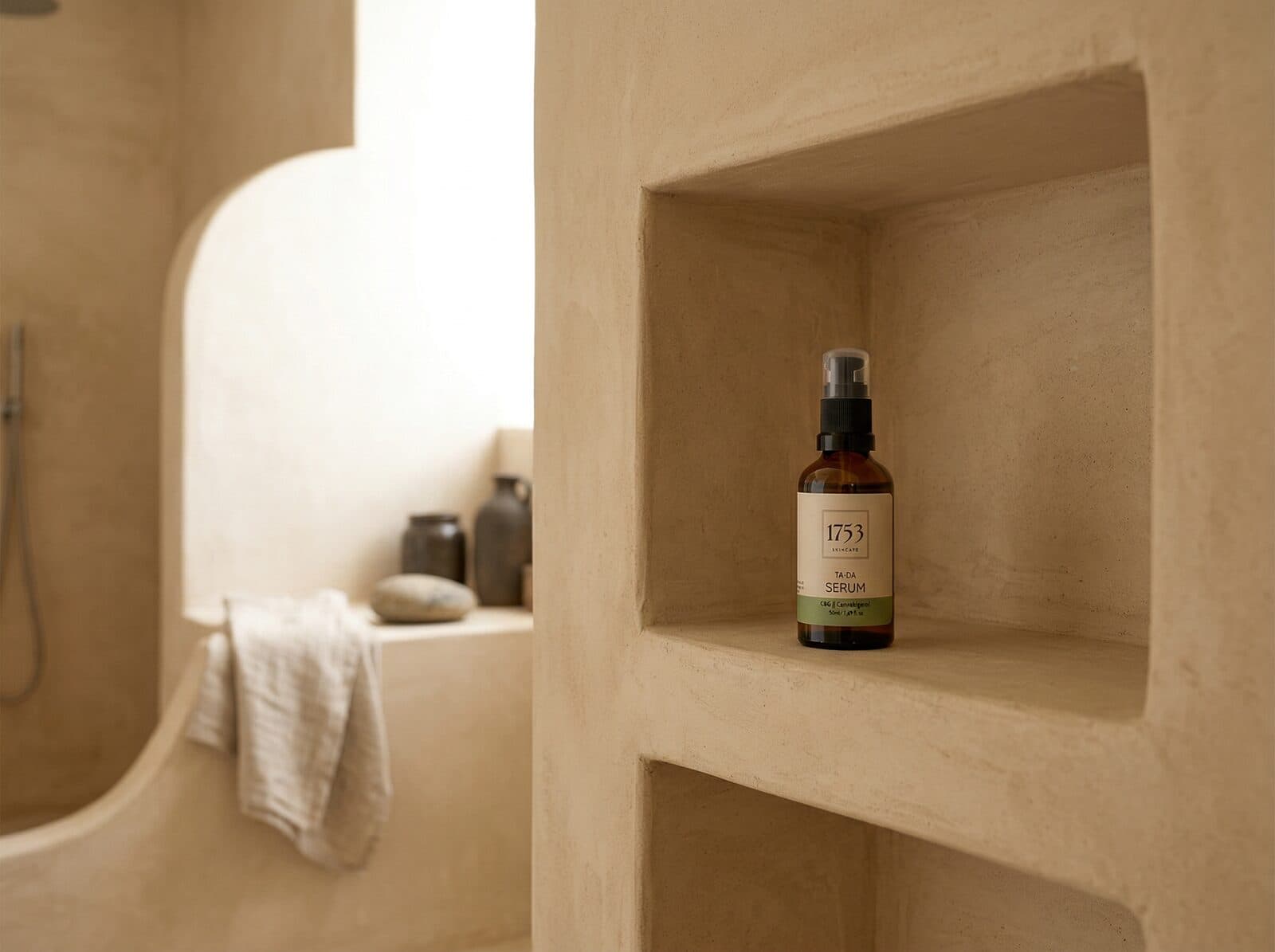
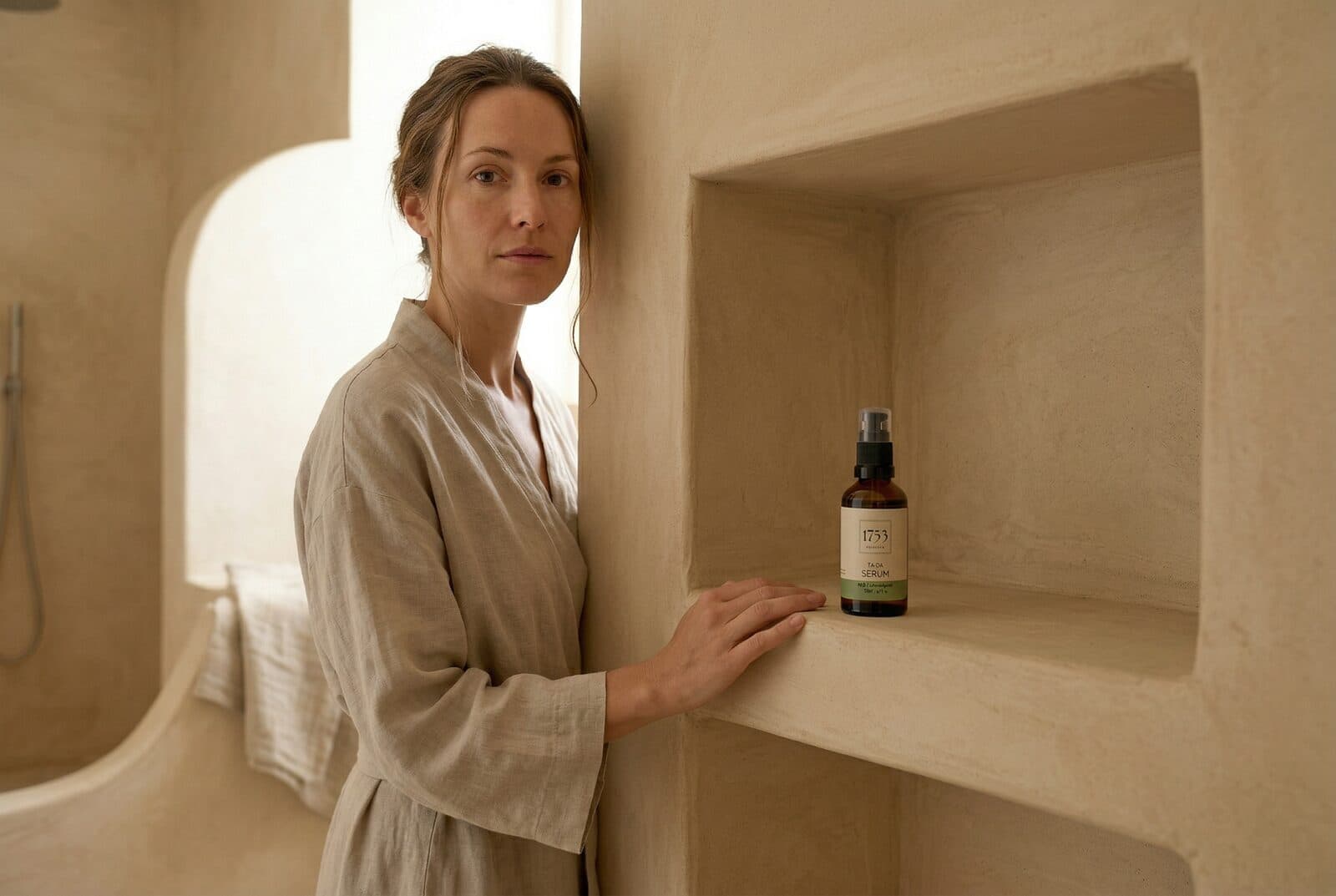
TA-DA Serum
A CBG-powered serum that seals in moisture and adds glow, whatever the season.
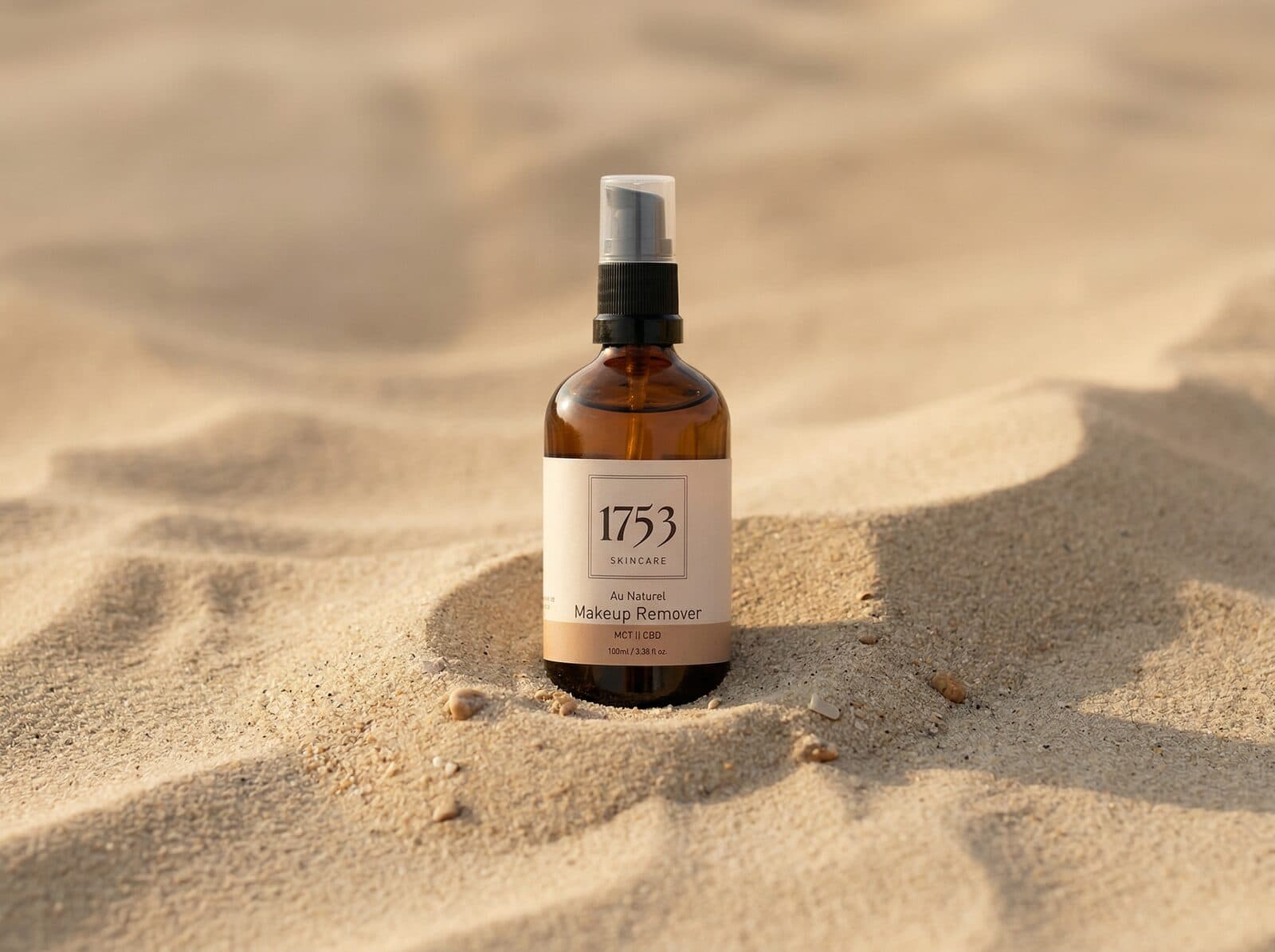
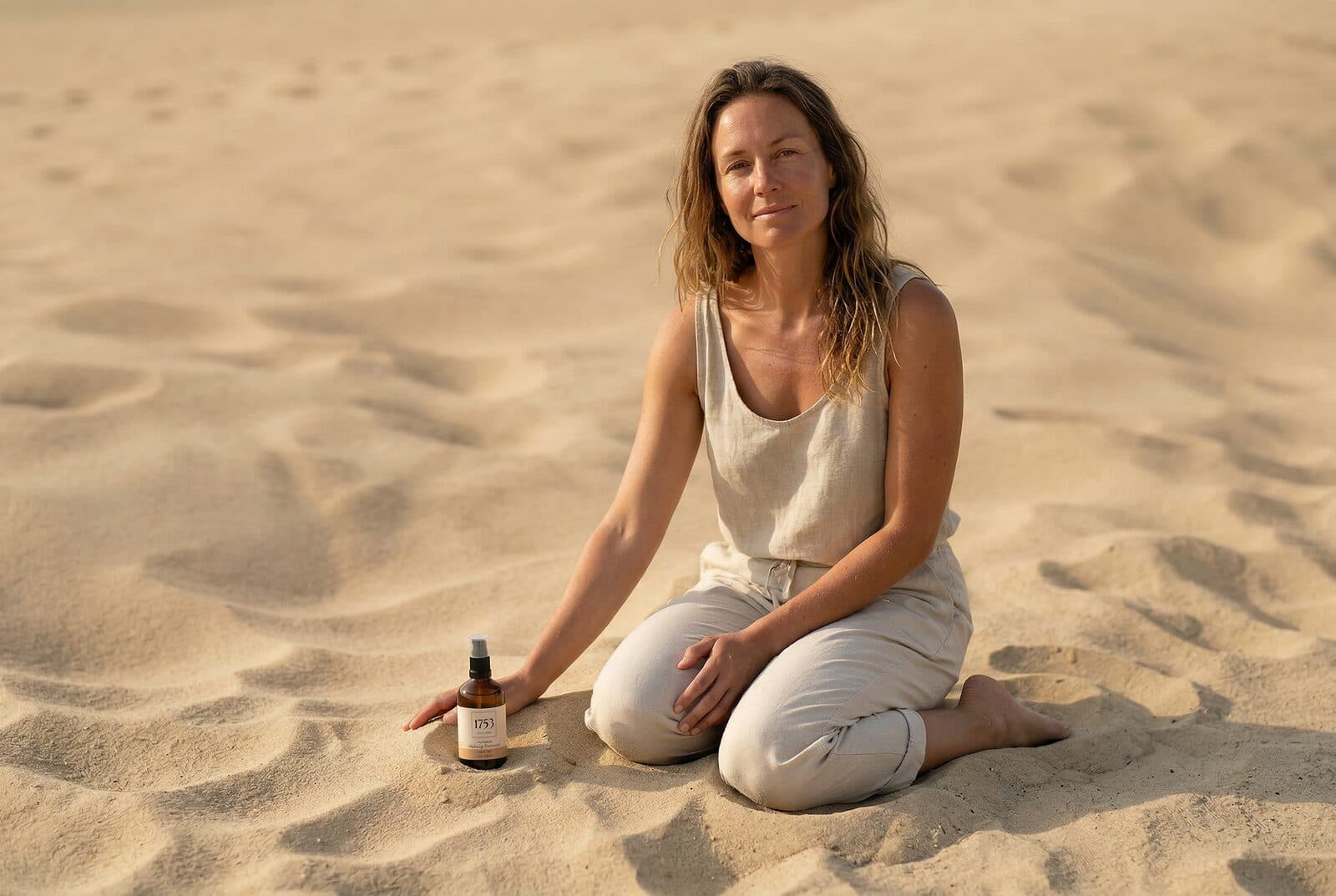
Au Naturel Makeup Remover
A cleansing oil with MCT and CBD that removes makeup and buildup without stripping your skin bare.
Frequently asked questions
Why does skin get drier in autumn?
Because the air usually holds less moisture, which increases water loss from the skin. Cooler temperatures, wind, and indoor heating often make the effect more noticeable.
Are hot showers really that bad for skin?
They can be, especially when skin is already dry or sensitive. Hot water can disrupt the lipids that help protect the barrier, making tightness and irritation linger.
Do I need more actives in autumn?
Usually not. When autumn transition skin starts acting up, it often needs calm, moisture, and barrier support more than stronger treatments.
What’s the simplest autumn routine?
Keep it minimal: gentle cleansing, a calming layer, and something that helps lock moisture in. Add more only if your skin clearly asks for it.
Sources
- Engebretsen KA, Johansen JD, Kezic S, Linneberg A, Thyssen JP. The effect of environmental humidity and temperature on skin barrier function and dermatitis. J Eur Acad Dermatol Venereol 2016;30(2):223–249.
- Lin TK, Zhong L, Santiago JL. Anti-Inflammatory and Skin Barrier Repair Effects of Topical Application of Some Plant Oils. Int J Mol Sci 2017;19(1):70.
Article reviewed by Christopher Genberg, founder of 1753 SKINCARE.
Related articles
Seasonal Skin
Summer Skin Guide – let skin breathe
When UV index sits at 6–11, sweat is constant and the air feels thick, your skin does not need a res...
Seasonal Damage
sunburn skin rescue – cool it, calm it, leave it alone
A sunburn often looks harmless at first, then the heat and sting start talking back. What you’re dea...
Travel Skin
Travel skin jetlag – when your face lands later
The plane may have taken you somewhere warm, but your skin often stays back in the cabin. With cabin...
Cyclic Skincare
Menstrual Cycle and Skin – why one routine doesn’t fit all
Your skin doesn’t run on a fixed schedule; it runs with your body. Across the menstrual cycle, hormo...
Postpartum Skin
Postpartum skin – why it changes so much
After pregnancy, skin can feel like it belongs to someone else. Hormones drop, sleep gets broken, an...
Skin Streaming
Minimalist 5 step routine – why less can do more
Skincare has become too much of everything: too many steps, too much exfoliation, too much cleansing...