
Seasonal Skin
Allergy season skin – when your face feels it too
Pollen season is not just about a runny nose. When your airways are busy, your face often joins the conversation: more redness, tightness and a skin mood that turns reactive fast. With the right routine, you can move through the season without overworking your skin.

Why does skin act up when pollen does?
When the body meets pollen, it releases histamine, a messenger that helps defend you but can also bring itching, redness and swelling. That’s where the rinitis link shows up: nose, eyes and skin often seem to flare together. Research suggests that airway inflammation and a weakened skin barrier frequently travel in the same direction, especially around the cheeks and nose.
It’s easy to blame the wrong skincare, but the real issue is usually bigger. Spring brings drier winds, shifting temperatures and stronger UV, all of which make skin lose water faster and become more easily irritated. At that point, scrubbing harder or piling on strong acids rarely helps. Skin needs less force, not more.
If your face gets hot, flushed or prickly during allergy season, you’re not imagining it. Allergy season skin is often dealing with climate stress and immune stress at the same time. The goal is not to fight your skin into submission, but to help it stay steady while the season does its thing.
What can you do today?
Cleanse more gently
Skip aggressive cleansing morning and night. During pollen season, removing sweat, sunscreen and pollen softly is usually enough to protect the barrier.
Use mask-help wisely
If your skin flares on windy days or after commuting through heavy pollen, a mask can help reduce direct exposure. It’s not magic, but fewer particles on skin can mean less irritation.
Respect UV early
Spring sunlight is sneaky. UV can fuel inflammation and make redness more obvious, especially when your skin is already busy handling allergy stress.
Keep moisture steady
Choose products that help skin hold water without feeling heavy. When humidity swings up and down, a calm, cushioned surface can be the difference between comfort and a flare.
Cut back on actives
Pause over-exfoliation and strong acids when skin feels hot or stingy. That’s not being precious; it’s basic sense when the barrier is already under pressure.

How do you actually calm it down?
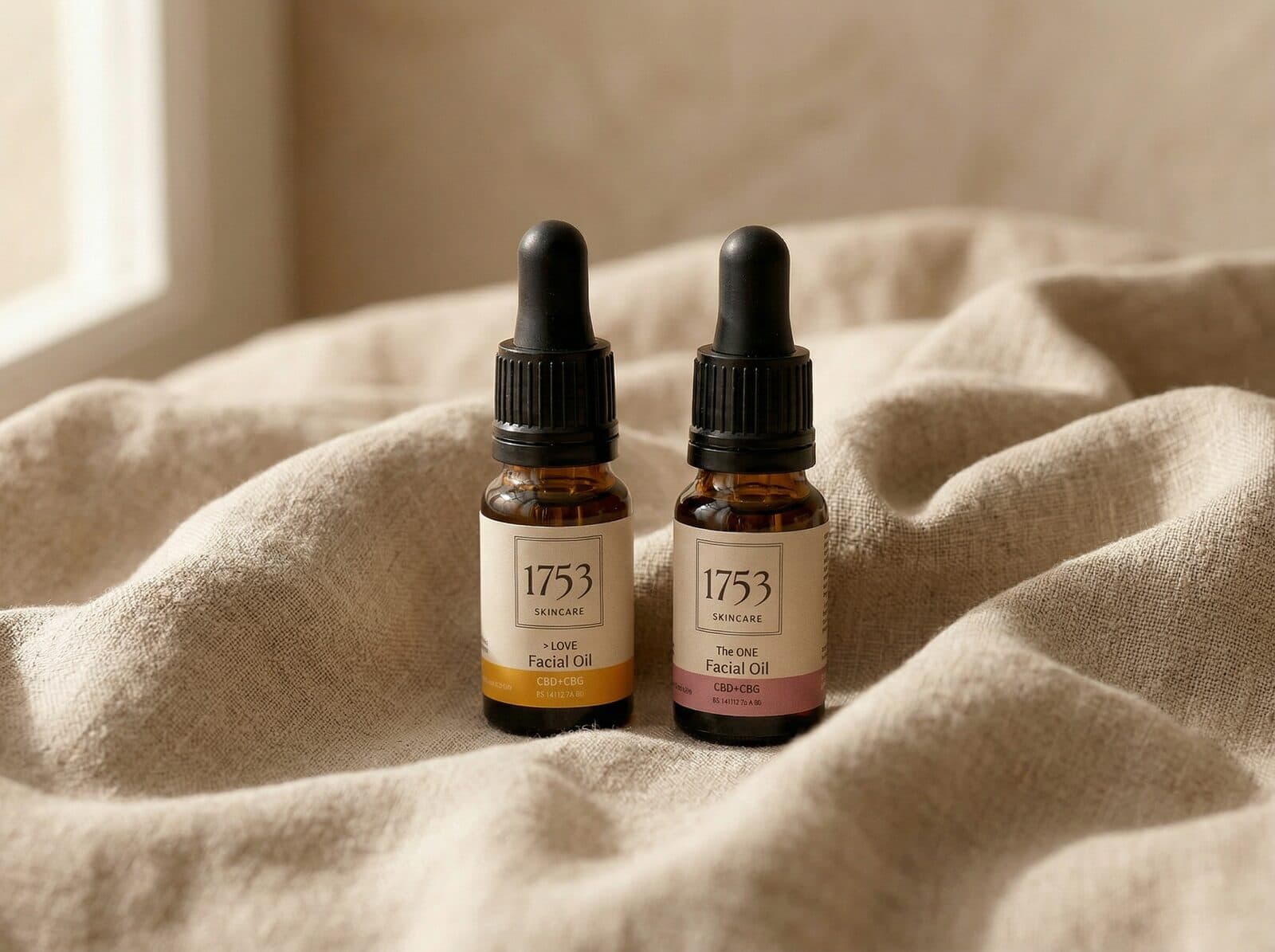
Build the routine as if your skin already has enough to deal with. The DUO kit brings stability year-round with The ONE and I LOVE: a CBD face oil and a CBG serum that help skin stay more balanced when histamine, pollen and weather are all in the mix. This is not the moment for a complicated routine. It’s the moment for fewer, better steps.
When you want an extra layer of protection, Ta-DA serum fits naturally. Its antioxidant cocktail with CBG and adaptogens is especially useful when climate change makes the season harder to predict: stronger UV, shifting humidity and temperature swings that can make skin look and feel more reactive. The point is support, not control.
And when your face has already had enough of weather, pollen or too much cleansing, Au Naturel Makeup Remover is as gentle as it sounds. The MCT oil removes makeup and daily buildup without leaving skin stripped. Under allergy season skin stress, that kind of simplicity often does the most good.
Products we recommend
 Save €34
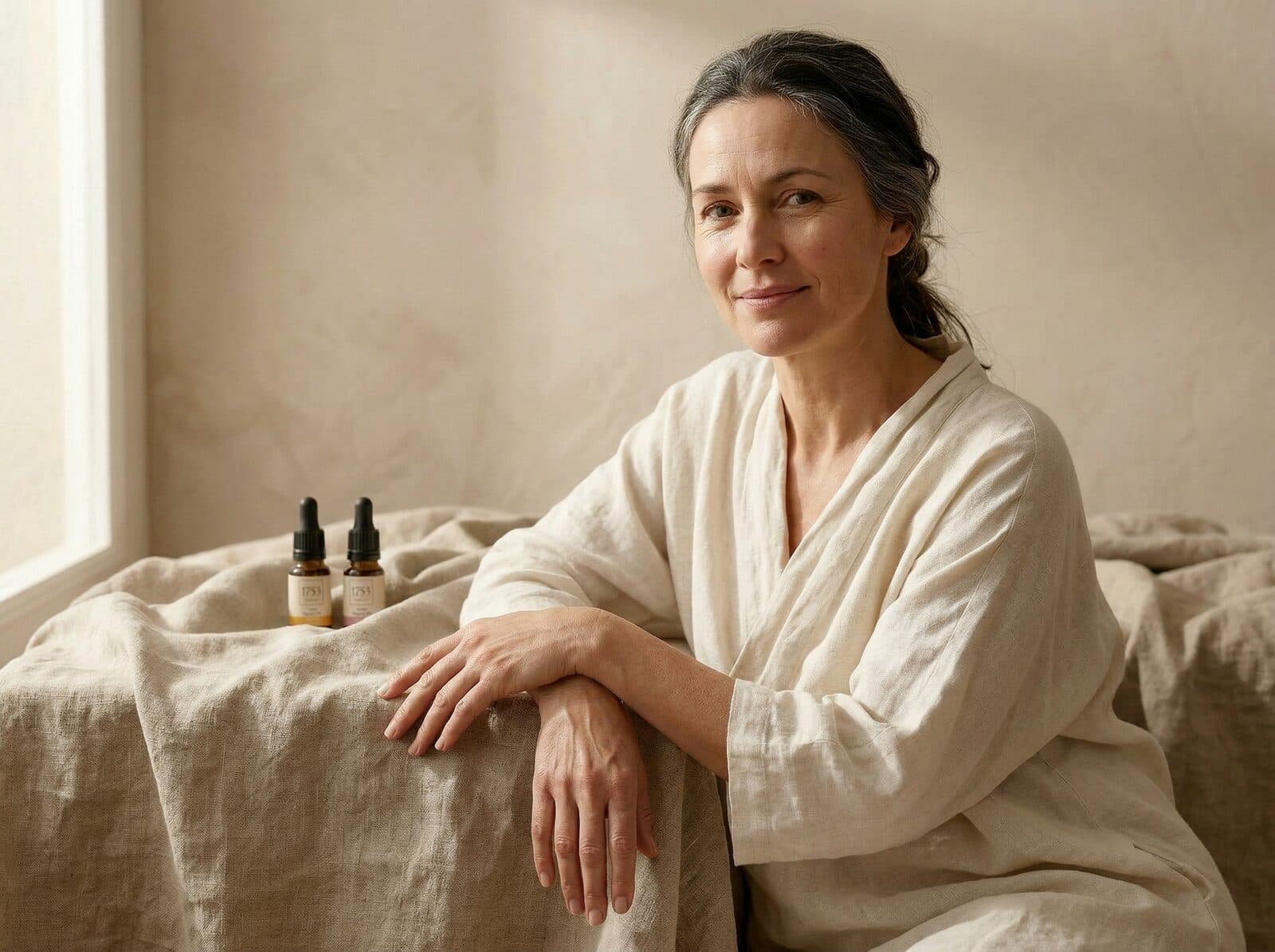
DUO kit
Two face oils, one for morning and one for evening. Simple skincare that works with your skin, not against it.
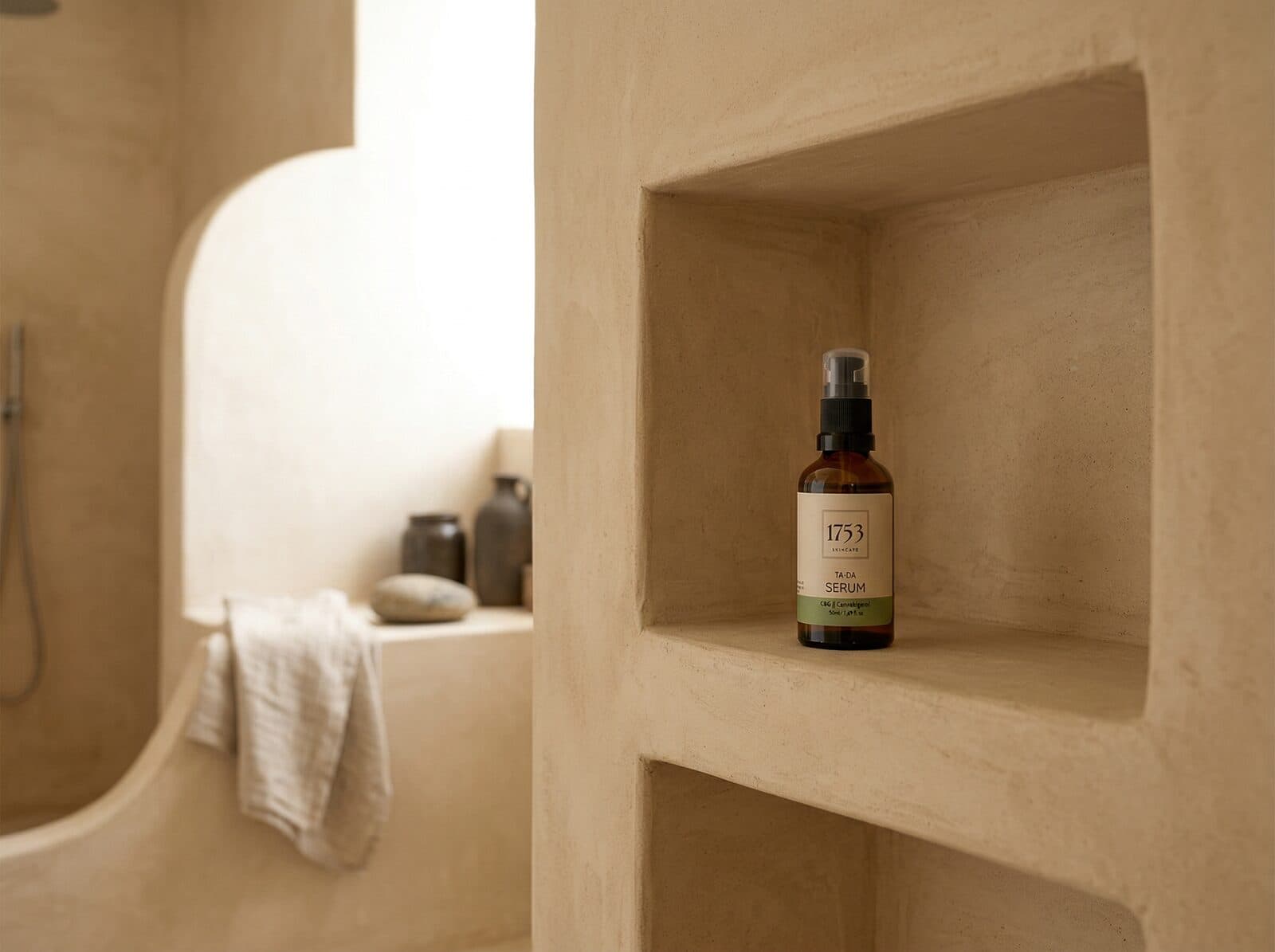
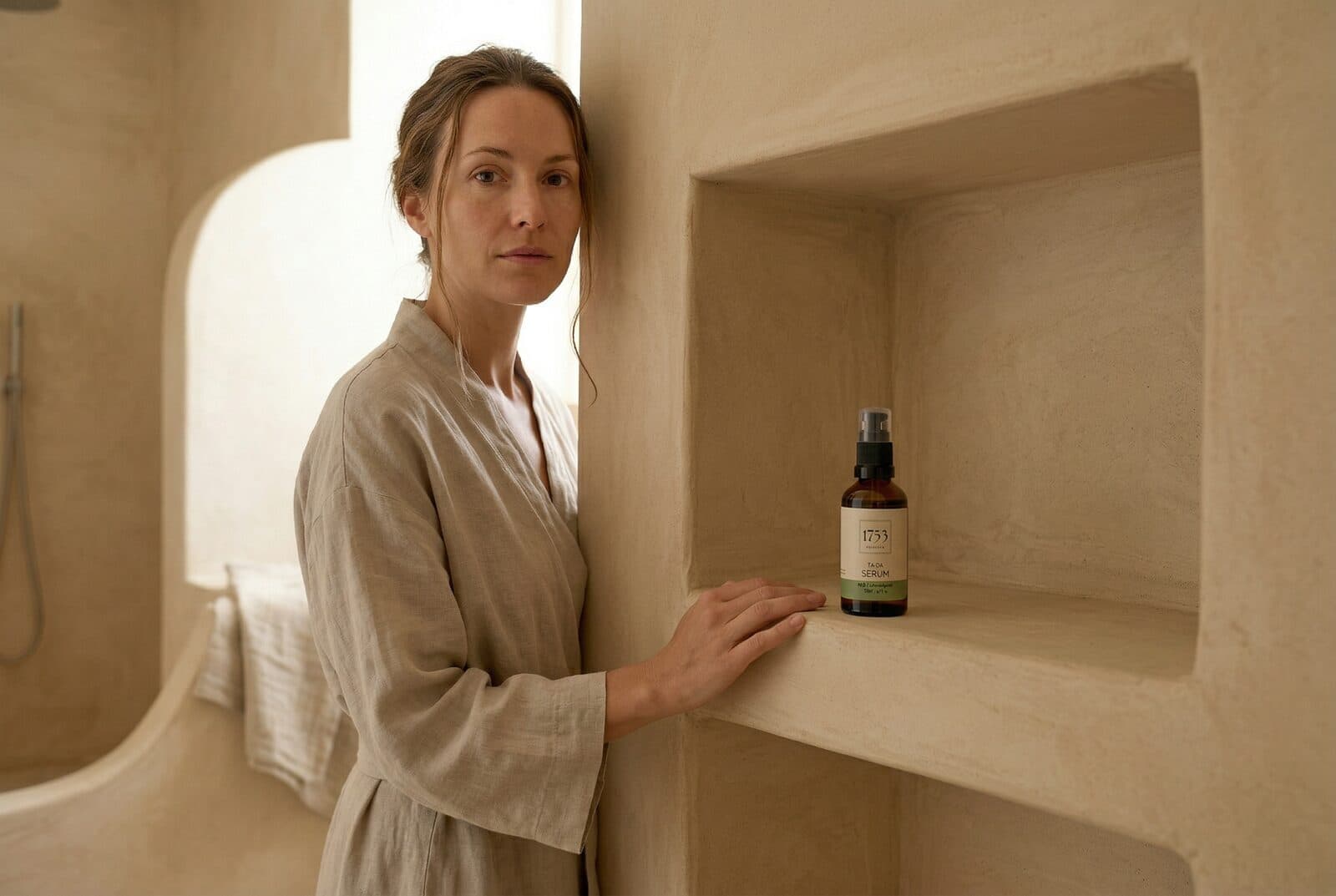
TA-DA Serum
A CBG-powered serum that seals in moisture and adds glow, whatever the season.
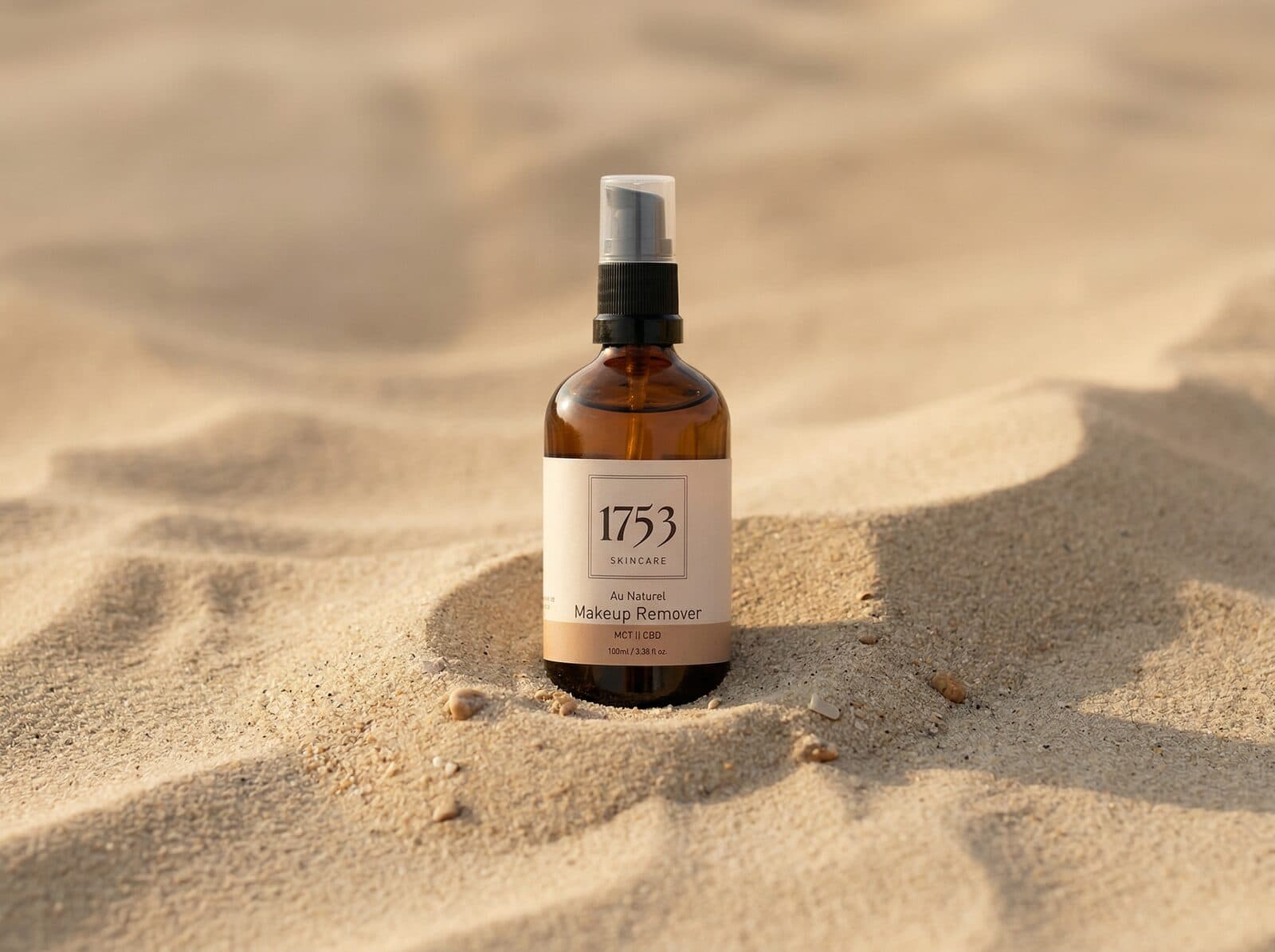
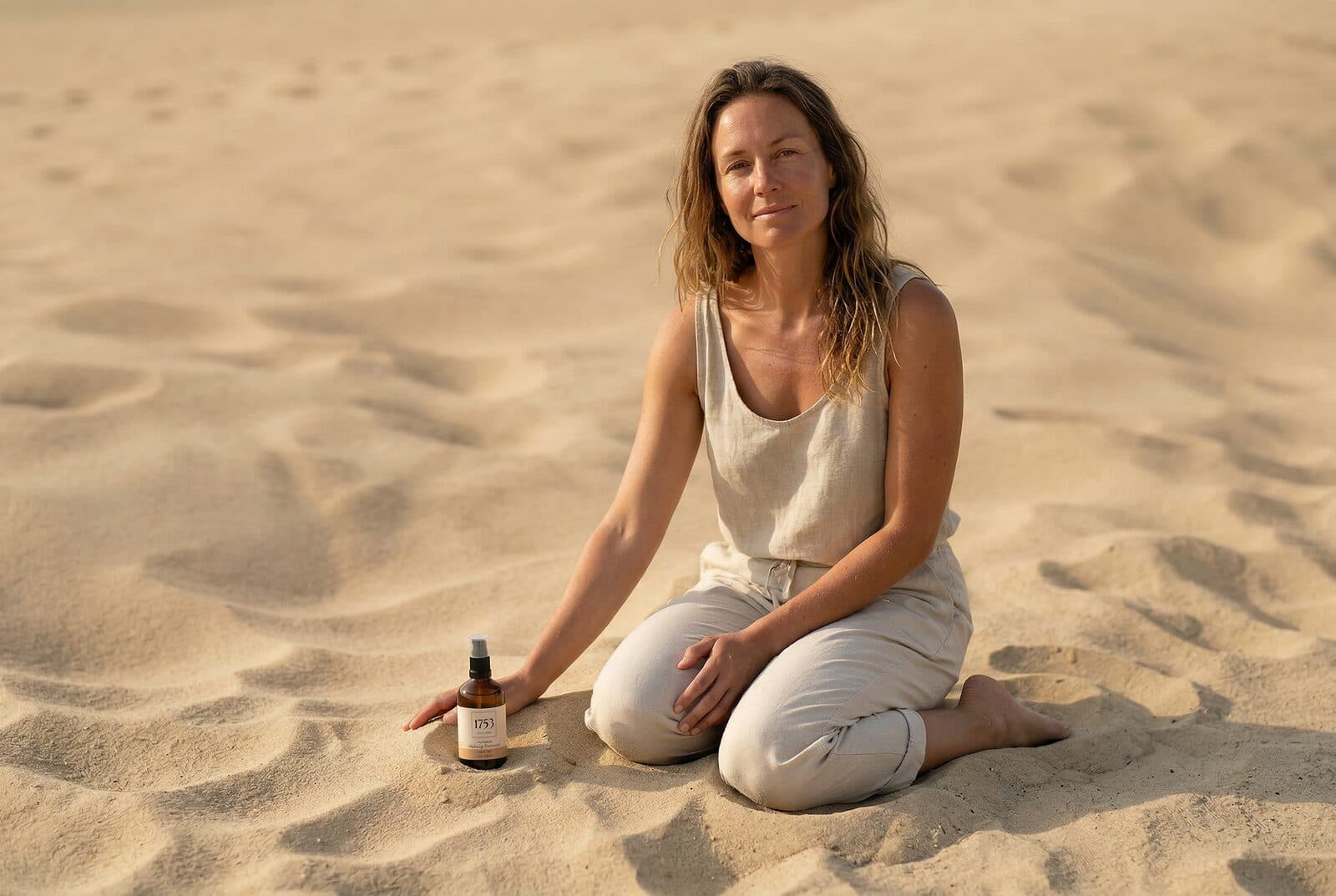
Au Naturel Makeup Remover
A cleansing oil with MCT and CBD that removes makeup and buildup without stripping your skin bare.
Frequently asked questions
Can allergies really affect the skin?
Yes. Histamine and allergy-driven inflammation can make skin more reactive, especially if your barrier is already stressed by dry air, UV or temperature swings.
Why is spring skin worse for some people?
Because spring is rarely just mild. More pollen, more UV and bigger shifts in humidity and temperature can all trigger redness, tightness and histamine flares.
Does a mask help with pollen on skin?
It can help a bit, especially on high-pollen or windy days. It’s not the whole answer, but less direct exposure often means less irritation around the nose and cheeks.
Should I overhaul my routine for allergy season?
Not necessarily. Think simpler, gentler and more barrier-friendly: mild cleansing, soothing serum and oil for stability, instead of adding more active ingredients.
Sources
- Engebretsen KA, Johansen JD, Kezic S, Linneberg A, Thyssen JP. The effect of environmental humidity and temperature on skin barrier function and dermatitis. J Eur Acad Dermatol Venereol 2016;30(2):223–249.
- Lin TK, Zhong L, Santiago JL. Anti-Inflammatory and Skin Barrier Repair Effects of Topical Application of Some Plant Oils. Int J Mol Sci 2017;19(1):70.
Article reviewed by Christopher Genberg, founder of 1753 SKINCARE.
Related articles
Seasonal Skin
Summer Skin Guide – let skin breathe
When UV index sits at 6–11, sweat is constant and the air feels thick, your skin does not need a res...
Seasonal Damage
sunburn skin rescue – cool it, calm it, leave it alone
A sunburn often looks harmless at first, then the heat and sting start talking back. What you’re dea...
Travel Skin
Travel skin jetlag – when your face lands later
The plane may have taken you somewhere warm, but your skin often stays back in the cabin. With cabin...
Cyclic Skincare
Menstrual Cycle and Skin – why one routine doesn’t fit all
Your skin doesn’t run on a fixed schedule; it runs with your body. Across the menstrual cycle, hormo...
Postpartum Skin
Postpartum skin – why it changes so much
After pregnancy, skin can feel like it belongs to someone else. Hormones drop, sleep gets broken, an...
Skin Streaming
Minimalist 5 step routine – why less can do more
Skincare has become too much of everything: too many steps, too much exfoliation, too much cleansing...