
Science
Phytocannabinoids research – what actually holds up
Cannabis in skincare gets plenty of noise, but far less honest reading of the evidence. From 2020 to 2025, the picture has sharpened: CBD in clinical trials, CBG as an emerging player, and dermatology journals pointing to the same thing – skin prefers balance, not punishment.
What does the research really say, beyond the hype?
Phytocannabinoids are plant-derived cannabinoids from hemp and cannabis, and they do not work by magically “resetting” skin. They interact with the skin’s endocannabinoid system, where receptors, enzymes, and signalling molecules help regulate inflammation, sebum production, and barrier function. That mechanism fits skin biology better than harsh acids and stripping cleansers.
Between 2020 and 2025, CBD has received the most clinical attention. Studies and reviews in dermatology journals suggest potential benefits for calming reactive skin, reducing oxidative stress, and supporting the barrier, especially when the skin is already under stress. Still, the research is uneven: many studies are small, formulations vary, and outcomes depend heavily on concentration and delivery.
CBG has less data, but the emerging picture is interesting. Early evidence points to soothing and antibacterial properties, which makes it relevant when skin is out of sync or easily irritated. The point is not to stack more actives, but to understand when fewer, smarter ingredients do more.
How to read the evidence better
Look at the mechanism
Don’t ask only whether an ingredient is trendy. Ask what it does in skin: inflammation, barrier support, sebum regulation? If the mechanism makes sense, the study results are much easier to interpret.
Choose skin studies
In vitro is not the same as living skin, and oral data does not automatically translate to the face. Prioritise clinical studies, dermatology journals, and formulations that resemble real products.
Watch for overdoing it
If your routine already includes harsh cleansing, daily exfoliation, and multiple actives, the skin may be the issue – not the lack of one more serum. Barrier research is pretty clear on that.
Read between the lines
A promising review is not the same as proven efficacy. But when several studies point in the same direction, especially around calming and antioxidant effects, a pattern starts to emerge.
Test in the right context
Phytocannabinoids work best in a routine that is not undermining the skin at the same time. Start with gentle cleansing, a soothing serum, and a skin-regulating oil rather than forcing in another strong active.
How to actually use phytocannabinoids
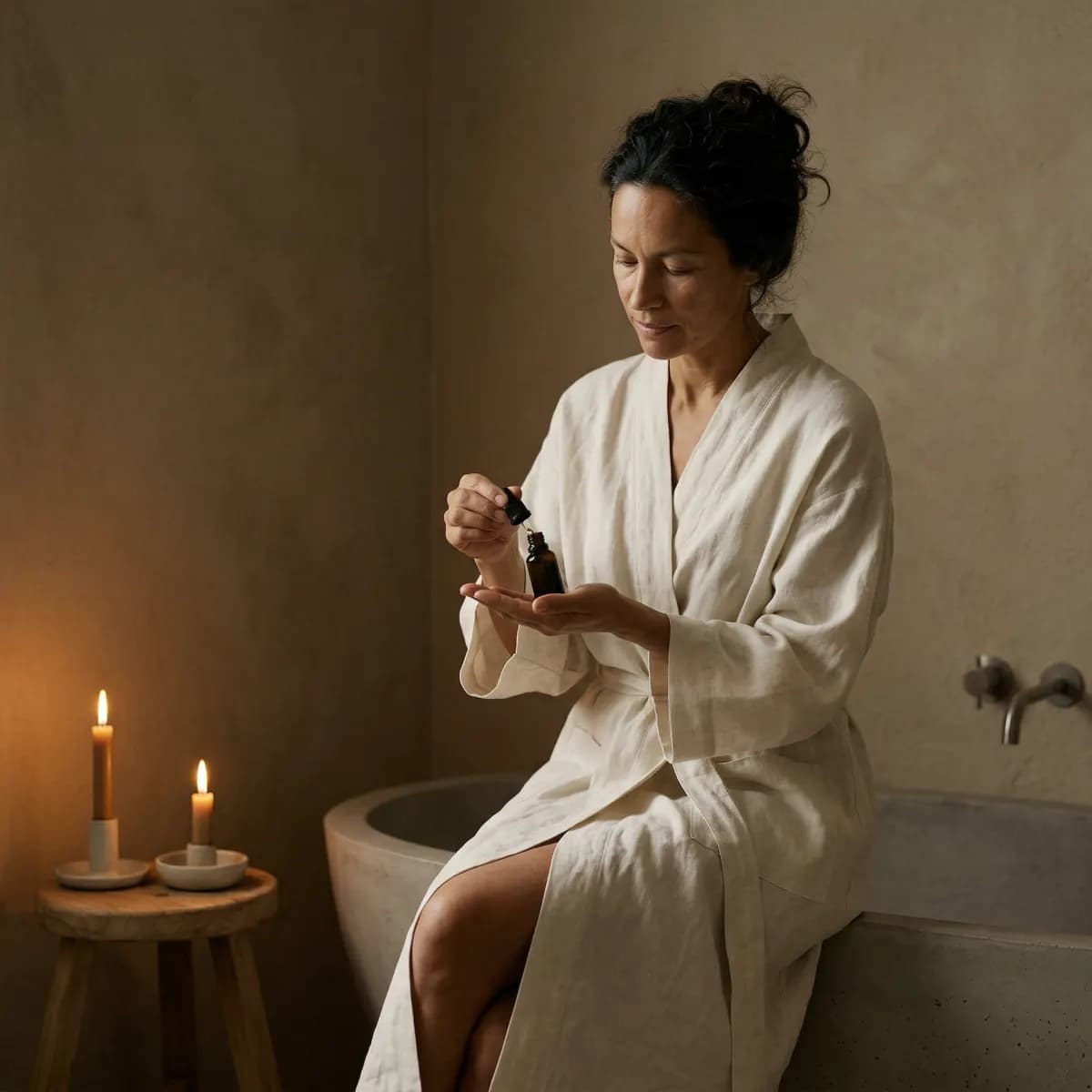
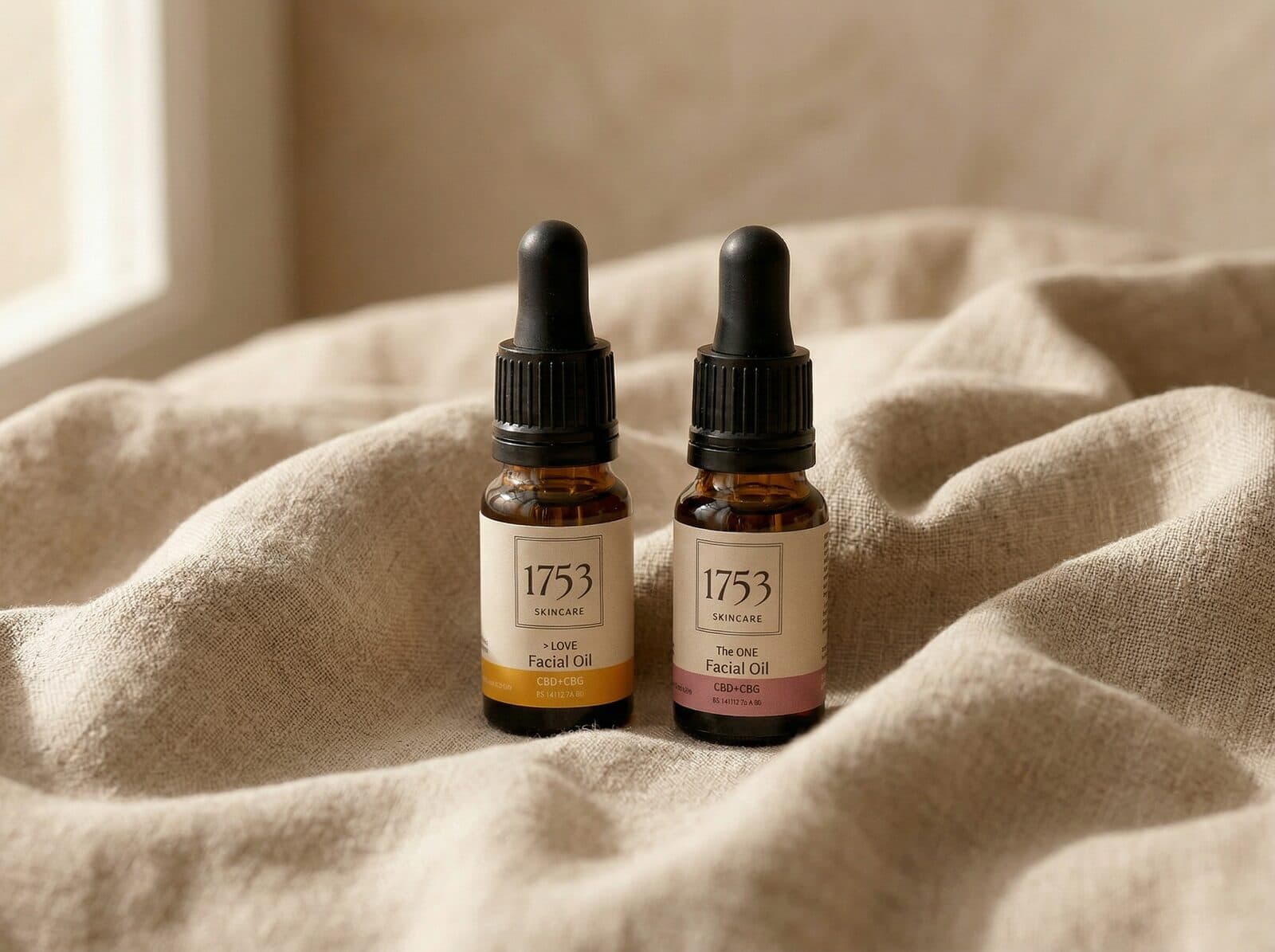
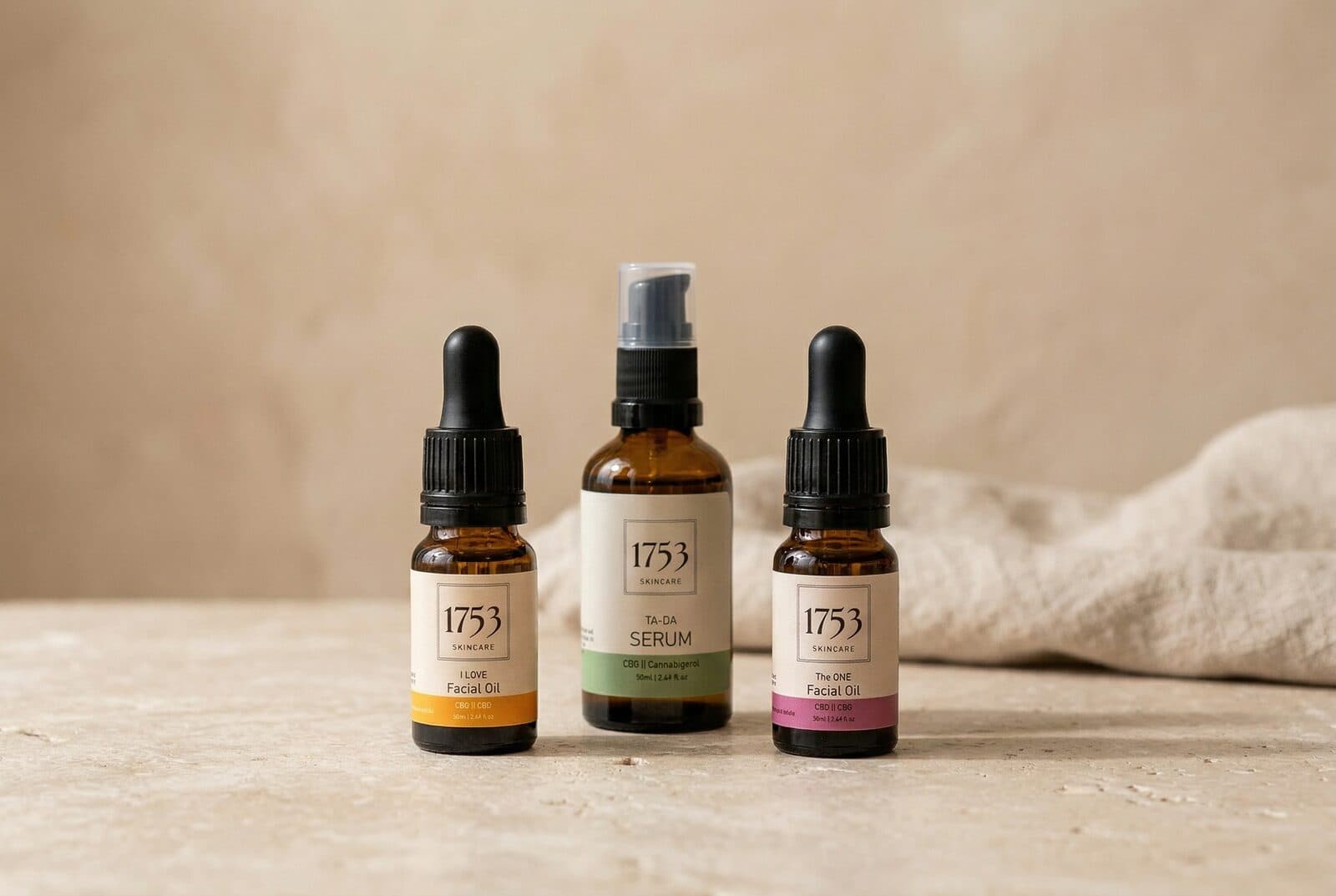
The most sensible translation of the research into daily life is to reduce friction, not add more. The ONE combines CBD with MCT in a skin-regulating facial oil that fits when the barrier needs support and the skin feels reactive. I LOVE, with CBG, is a soothing serum with an antibacterial profile, especially relevant for skin that slips out of balance easily.
When you want to go a step further, Ta-DA serum brings CBG together with antioxidant-rich adaptogens in a formula leaning toward anti-ageing without becoming aggressive. That is a more grown-up skincare strategy: support, protect, and calm instead of scrubbing and hoping. 1753 uses phytocannabinoids from certified hemp in safer formulas for exactly that reason.
If you want a simple starting point, the DUO kit with The ONE and I LOVE is the most logical way into a full cannabinoid spectrum. And if you already know your skin does better with restraint than with more force, these formulas make a lot more sense than yet another harsh actives trend.
Products we recommend
 Save €34
DUO kit
Two face oils, one for morning and one for evening. Simple skincare that works with your skin, not against it.
 Save €60
DUO kit + TA-DA Serum
The full routine in one: three products that help skin become calmer, stronger and more resilient.
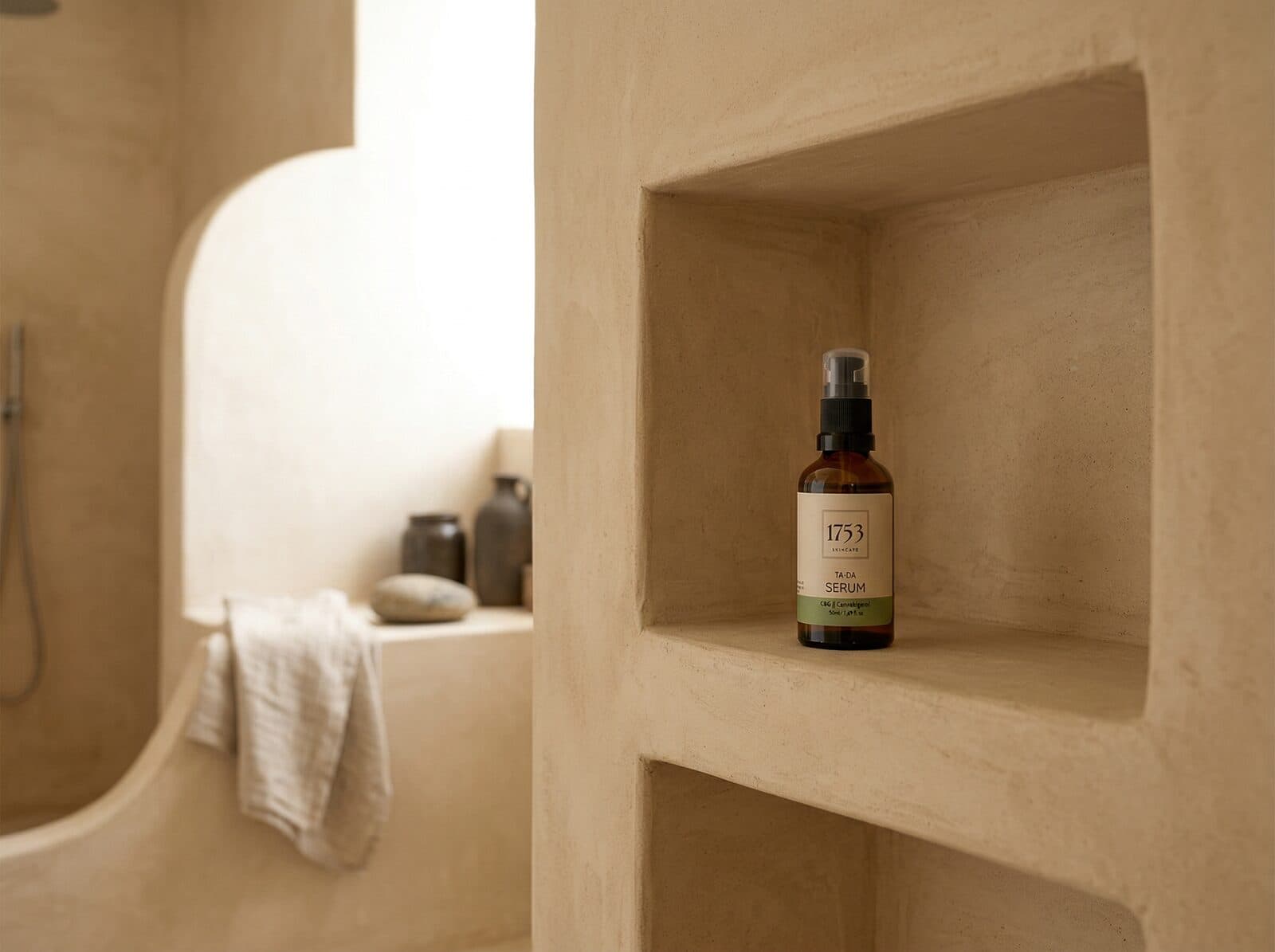
TA-DA Serum
A CBG-powered serum that seals in moisture and adds glow, whatever the season.
Frequently asked questions
What is the difference between CBD and CBG?
CBD is the best-studied phytocannabinoid in skincare and is usually linked to calming and barrier-supporting effects. CBG is newer, but the data points toward similar soothing benefits plus antibacterial potential. They complement each other well.
Is there clinical evidence for phytocannabinoids?
Yes, especially for CBD there are clinical studies and reviews from 2020 to 2025 showing promising results for reactive and stressed skin. But the effect depends on the formulation, dose, and how well the ingredient reaches the skin.
Can phytocannabinoids be used on sensitive skin?
Often yes, because they tend to fit a routine that aims to calm rather than provoke. But sensitive skin reacts to the whole formula too, so choose gentle cleansing and simple products without unnecessary overload.
Why not just use more active ingredients?
Because skin does not always need more pressure. Barrier and inflammation research shows that over-treatment can make skin more reactive. Sometimes a well-built, gentle routine is more effective than an aggressive one.
Sources
- Bíró T, Tóth BI, Haskó G, Paus R, Pacher P. The endocannabinoid system of the skin in health and disease. Trends Pharmacol Sci 2009;30(8):411–420.
- Tóth KF, Ádám D, Bíró T, Oláh A. Cannabinoid signaling in the skin: therapeutic potential of the c(ut)annabinoid system. Molecules 2019;24(5):918.
- Byrd AL, Belkaid Y, Segre JA. The human skin microbiome. Nat Rev Microbiol 2018;16(3):143–155.
Article reviewed by Christopher Genberg, founder of 1753 SKINCARE.
Related articles
Science
Endocannabinoid system skin guide – your skin’s built-in calm
Your skin is not just a surface. It is a living control system trying to stay calm, resilient, and b...
SKIN SCIENCE
CB1 CB2 receptors skin – let the skin lead for once
Skin is not a passive surface. It has its own signalling network, where CB1 and CB2 help shape calm,...
Science
ECS and stress – your body’s built-in brake
Stress is not just a mindset problem. It starts as a biological chain reaction: the HPA axis fires, ...
Ingredient Portrait
cbd for skin – less noise, more balance
CBD for skin is interesting because it doesn’t try to bully the skin into behaving. It works with th...
Ingredient Portrait
cbg for skin – the mother cannabinoid that calms and renews
CBG usually lives in CBD’s shadow, but skin can tell the difference. This is the cannabinoid that ma...
Ingredient Portrait
Shea butter skin – rich, warm, not for everyone
Shea butter is one of skincare’s most loved butters, and one of the most misunderstood. It comes fro...