
Life Stage
Weight loss skin – when the body shrinks but the skin lingers
Big weight loss is not just a number on a scale. The skin has been along for the ride too, stretching, protecting and trying to adapt. When weight drops quickly or significantly, elasticity can only do so much — and it’s normal for skin to need more time than your motivation does.

Why does the skin seem to lag behind weight loss?
Skin is not a rubber band, even if people often treat it like one. When the volume underneath decreases, the dermis has to remodel itself. That process depends on collagen, elastin and the fat layer beneath, and studies show that dermal recoil varies with age, genetics, sun damage and how fast the weight came off.
That’s why loose skin is a perfectly logical outcome after major weight loss. Striae, or stretch marks, are another sign that the tissue was pulled faster than it could adapt. Mainstream advice often sounds like “just wait” or “scrub more,” but harsh treatment rarely makes skin more cooperative.
The more realistic view is months, not days. Skin keeps remodeling after weight has stabilized, and many people notice gradual improvement once the body is under less stress. You do not need perfect firmness to take care of your skin well right now.
Practical moves that help today
Reduce friction
Choose a gentle cleanse and skip rough scrubs. Skin after weight loss usually does better without extra abrasion, especially if it already feels thin or tight.
Keep life steady
Sleep, eat regularly and let the body settle. Skin recovery does not follow hype; it improves when stress, swings and deficits become less extreme.
Support, don’t attack
Build your routine around hydration and barrier support instead of piling on more actives. Skin often needs calmer signals to feel more comfortable over time.
Be patient with striae
Stretch marks fade slowly and often become less red with time. Don’t expect overnight change — consistent care beats jumping between products.
Track different wins
Notice how skin feels, not only how it looks in the mirror. Less irritation, better comfort and a smoother feel are real progress, even if loose skin is still there.
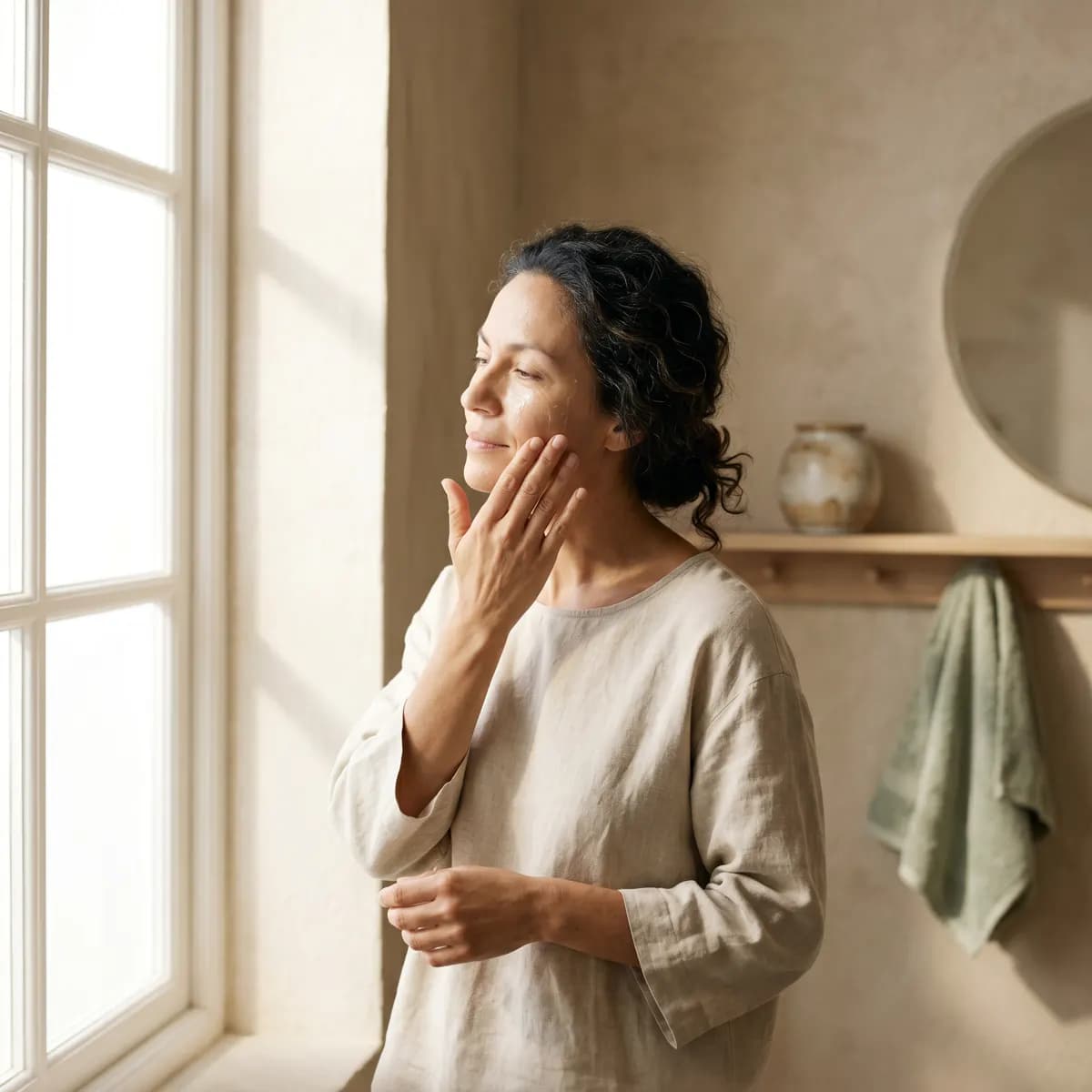
How to actually handle weight loss skin
The best approach is usually a routine that respects skin in repair mode. The ONE makes sense when skin feels drier, tighter or more reactive, because a skin-regulating oil can support it without overloading it. For many people, that is a smarter move than stacking acids and aggressive actives onto skin that is already working hard.
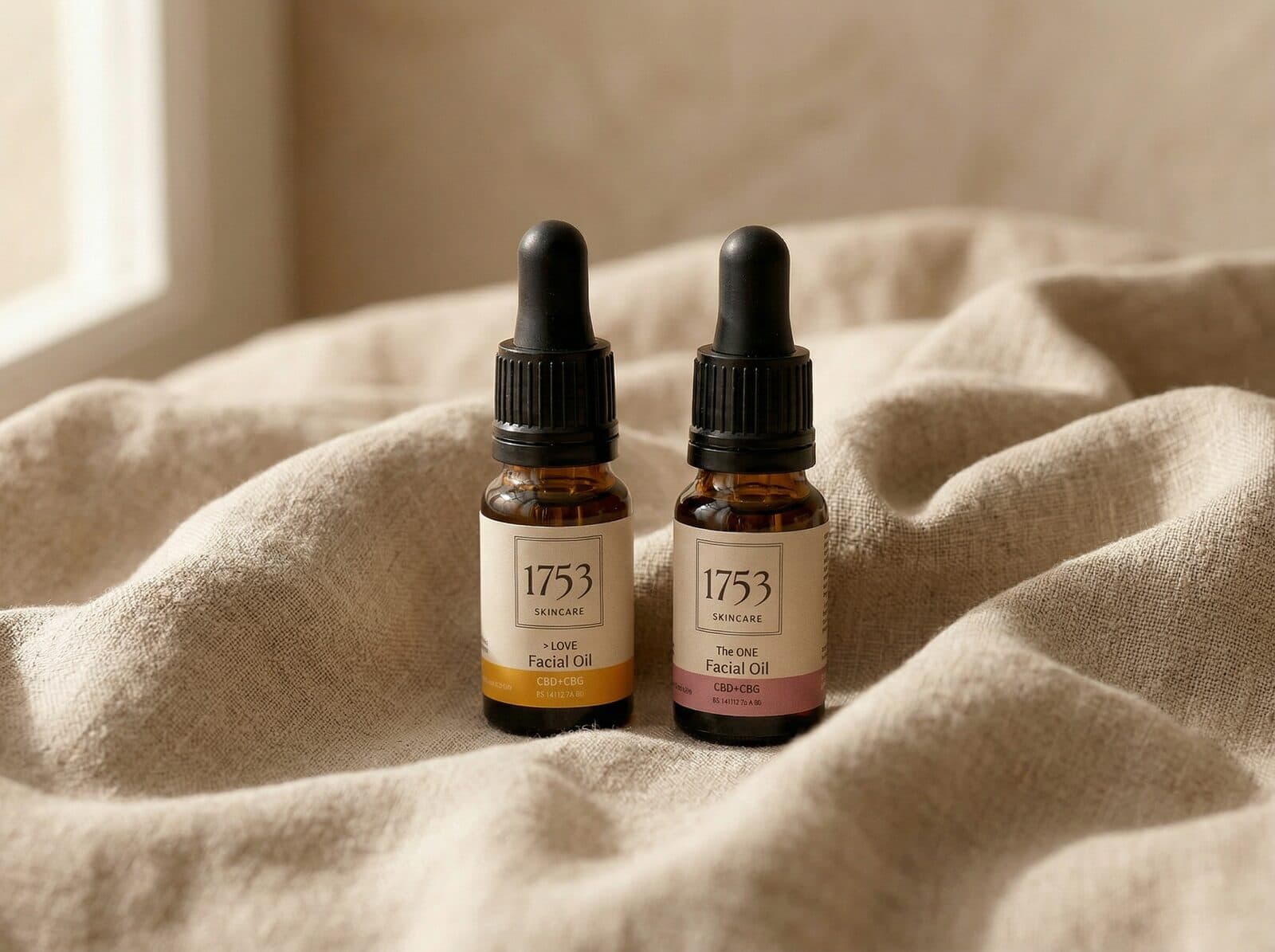
I LOVE fits naturally when skin needs calm and balance, especially if you’re dealing with small breakouts or a barrier that feels easily irritated. In the DUO kit, you get a full cannabinoid spectrum, which makes it an adaptable routine that can move with you through life stages instead of forcing you to start over every time your body changes.
If you want one more layer when the body has been through a lot, Ta-DA serum is a sensible add-on with its antioxidant cocktail of CBG and adaptogens. And when hormones are all over the place, Fungtastic Mushroom Extract can be an oral support that fits a more whole-body approach. The point is not to erase loose skin — it’s to give skin and body better conditions while remodeling happens.
Products we recommend
 Save €34
DUO kit
Two face oils, one for morning and one for evening. Simple skincare that works with your skin, not against it.
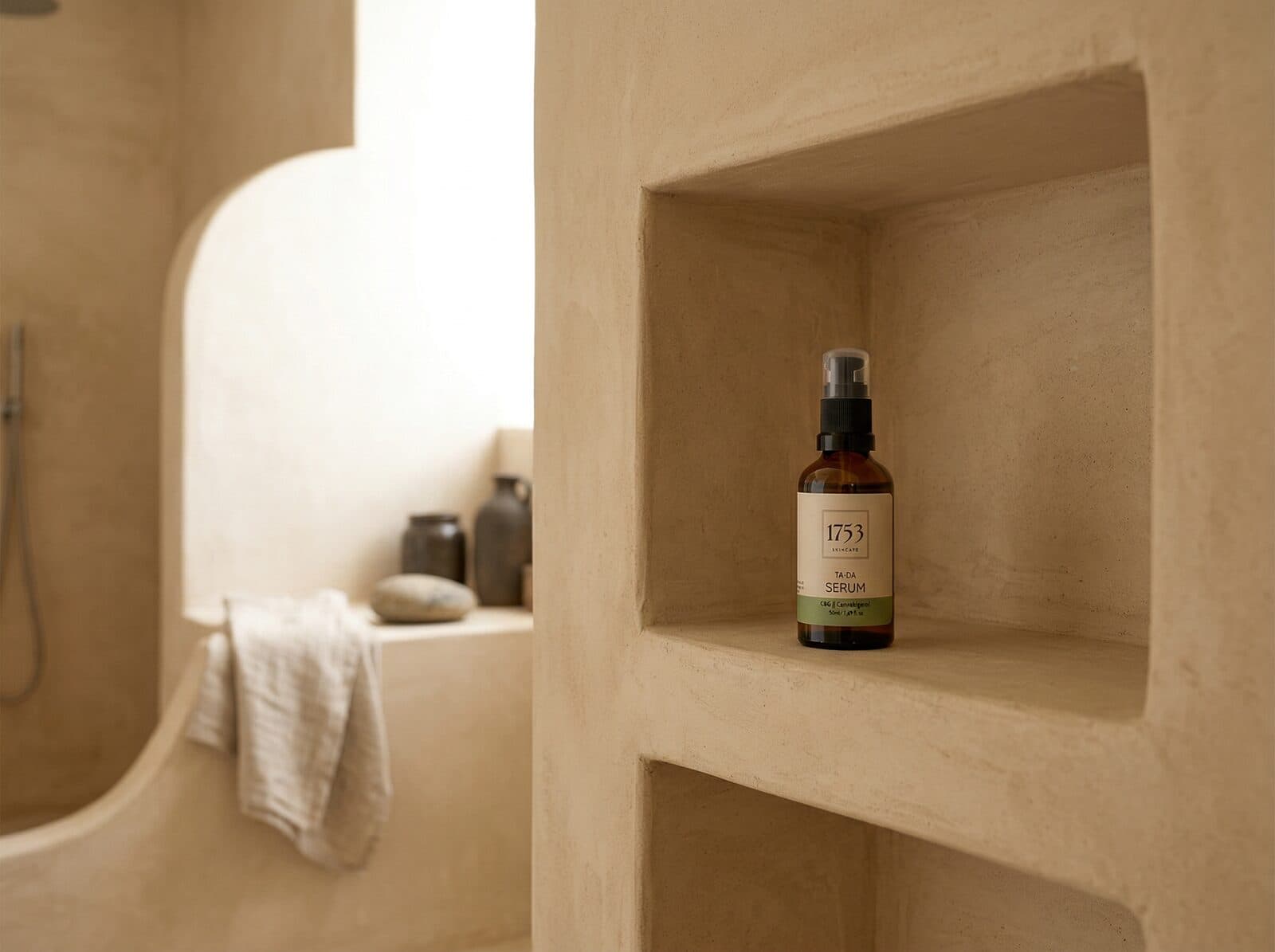
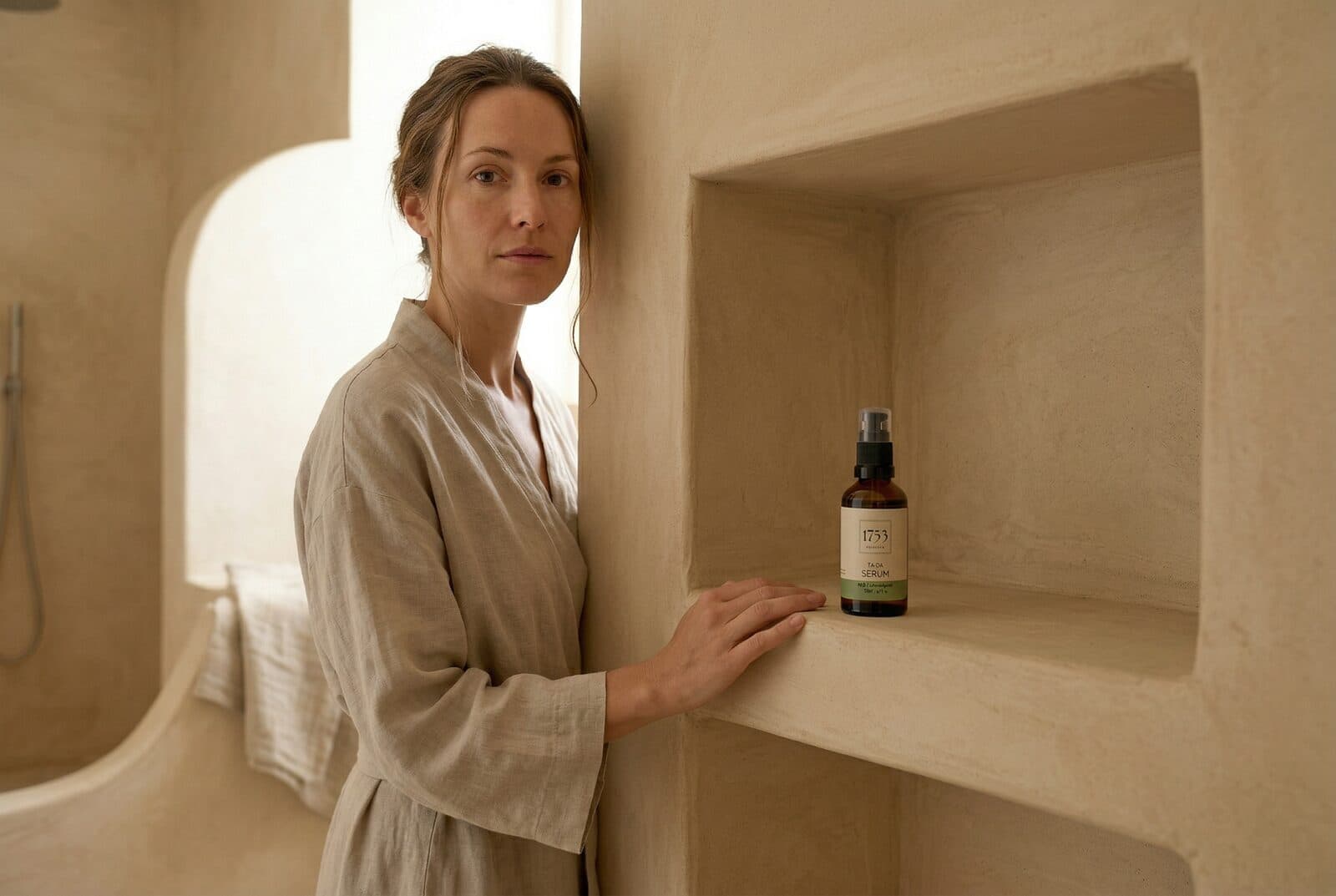
TA-DA Serum
A CBG-powered serum that seals in moisture and adds glow, whatever the season.
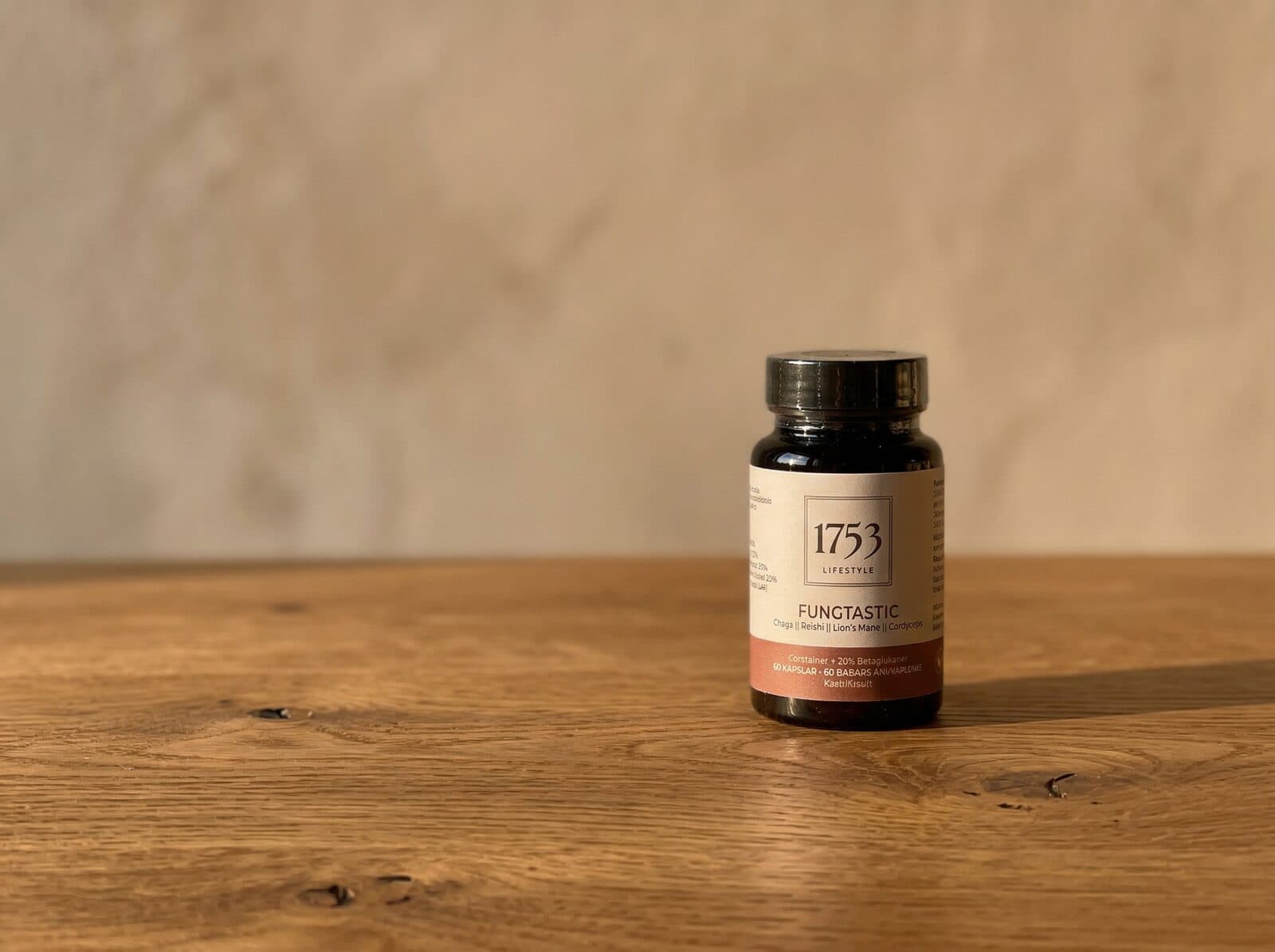
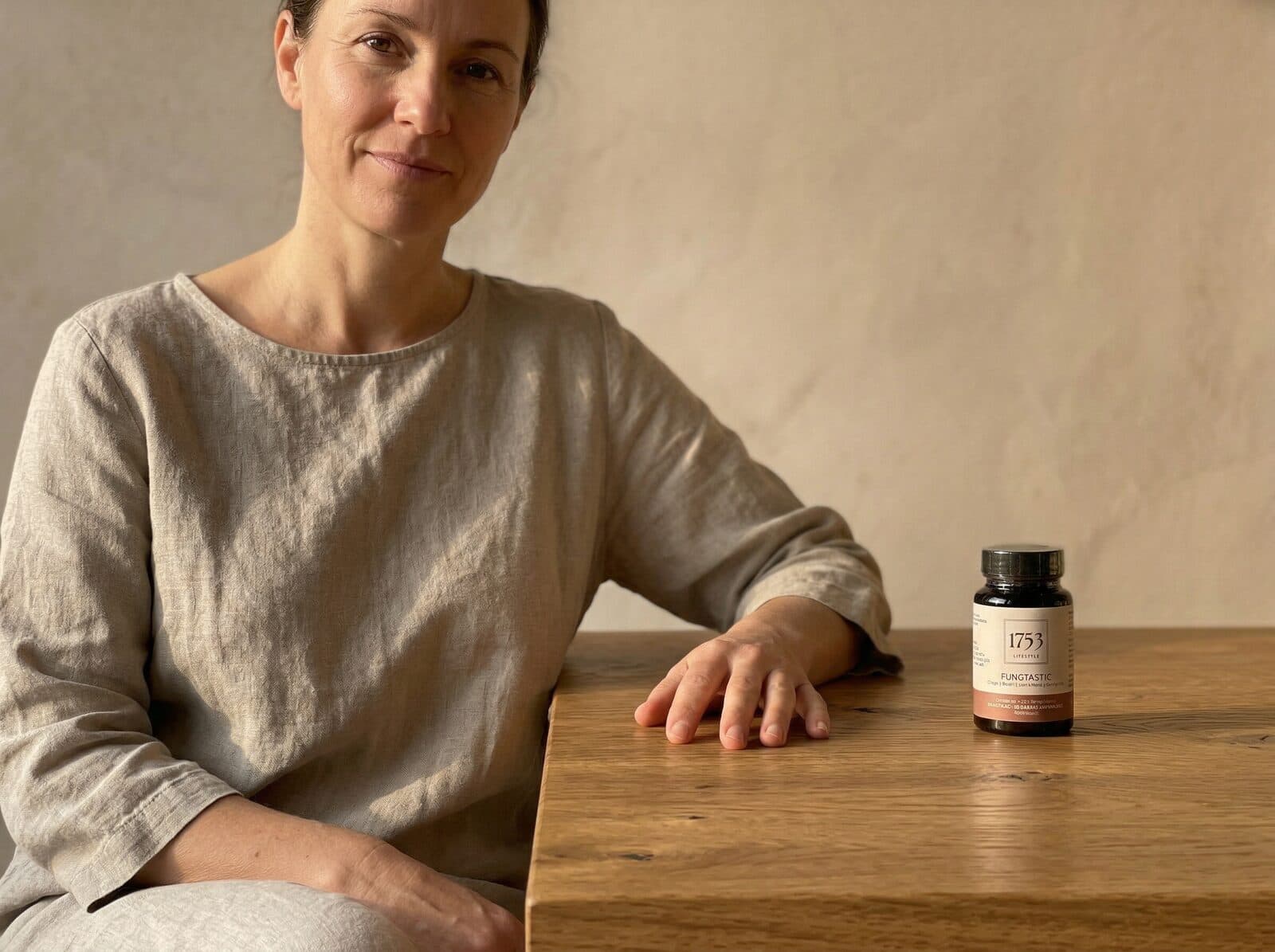
Fungtastic Mushroom Extract
Four mushrooms in one formula to support immunity, focus, energy and sleep from within.
Frequently asked questions
How long does it take for skin to tighten after weight loss?
It varies a lot. Some people notice changes within months after weight stabilizes, while others need longer. Age, genetics, how fast the weight came off and how long the skin was stretched all matter.
Can skincare get rid of loose skin completely?
Not realistically, no. Skincare can support comfort, barrier function and appearance, but it cannot replace tissue remodeling. The best strategy is patience plus a simple routine the skin can actually tolerate.
Do collagen creams help stretch marks?
Topical products can make skin feel softer and more comfortable, but they do not rebuild collagen in a fast, dramatic way. Think support, not miracle, and be skeptical of quick-fix promises.
Should I exfoliate harder to get firmer skin?
No, especially not if skin is already thin or sensitive. Over-exfoliating can increase irritation and make loose skin feel more noticeable. Gentleness usually wins in the long run.
Sources
- Zouboulis CC, Makrantonaki E. Hormonal therapy of intrinsic aging. Rejuvenation Res 2012;15(3):302–312.
- Raghunath RS, Venables ZC, Millington GWM. The menstrual cycle and the skin. Clin Exp Dermatol 2015;40(2):111–115.
Article reviewed by Christopher Genberg, founder of 1753 SKINCARE.
Related articles
Life Stage
Skincare in your 20s – build the skin before it starts complaining
In your twenties, skin can look fine on the surface while quietly learning its habits. The barrier, ...
Life Stage
Skincare in your 30s – when the rules start changing
In your 30s, your skin often starts acting a little differently. Collagen production slows down, hor...
Life Stage
Skincare in your 40s – when the rules change
In your 40s, your skin often changes faster than your routine. Estrogen starts to drop, the barrier ...
Wellness
Sleep skin connection – when the night does the work
Beauty sleep is not a cliché. While you sleep, cortisol drops, growth hormone rises and the body get...
Wellness Axis
Gut skin connection – when the gut shows on your face
Your skin is not a separate island. It listens to your gut, your stress, and the state of your intes...
WELLNESS
Stress skin – when your body hits the alarm button
You usually feel it before you can explain it: redness, tightness, stinging, or a psoriasis flare th...