
Postpartum Skin
Postpartum skin – why it changes so much
After pregnancy, skin can feel like it belongs to someone else. Hormones drop, sleep gets broken, and your face may swing from dry to oily, calm to inflamed. That’s not failure. That’s a body in transition, and the skin is simply keeping up.

Why does postpartum skin act so differently?
The short version: a hormone crash, stress and sleep deprivation. After birth, estrogen and progesterone fall quickly, and that can change sebum production, barrier function and pigmentation. At the same time, cortisol often runs high when nights are short, which can feed inflammation, breakouts and a more reactive complexion.
Stretch marks, melasma, hair shedding and postpartum acne are different issues, but they often share one root: the body is reallocating resources fast. Research shows that when recovery is under pressure, the skin barrier becomes easier to disrupt and pigment cells can be more easily triggered. That’s why harsh cleansing and over-exfoliating usually backfire.
So the goal is not to “fix” everything at once. It’s to give skin calm, moisture and ingredients that support it without adding noise. Especially if you’re breastfeeding, running on fragments of sleep, and have zero interest in a 10-step routine.
Five habits that calm postpartum skin
Cleanse gently
Use a cleanser that removes sunscreen, sweat and the day without stripping the barrier. Au Naturel Makeup Remover is built for mornings when time is already gone.
Support the barrier
Post-pregnancy dryness is often a barrier issue, not a sign that your skin needs more actives. Reach for nourishing oils and serum textures that help lock in moisture.
Keep it breastfeeding-safe
Choose ingredients and products you feel comfortable using every day. Less drama, more consistency tends to be kinder to both skin and brain.
Soothe breakouts
Postpartum acne is often driven by hormones and stress. Look for calming, antibacterial ingredients that work with sensitive skin instead of pushing it harder.
Protect from UV
Melasma can get darker with sun exposure, even through clouds and windows. Make sun protection part of the routine, not a side quest.

How to actually get skin back on track
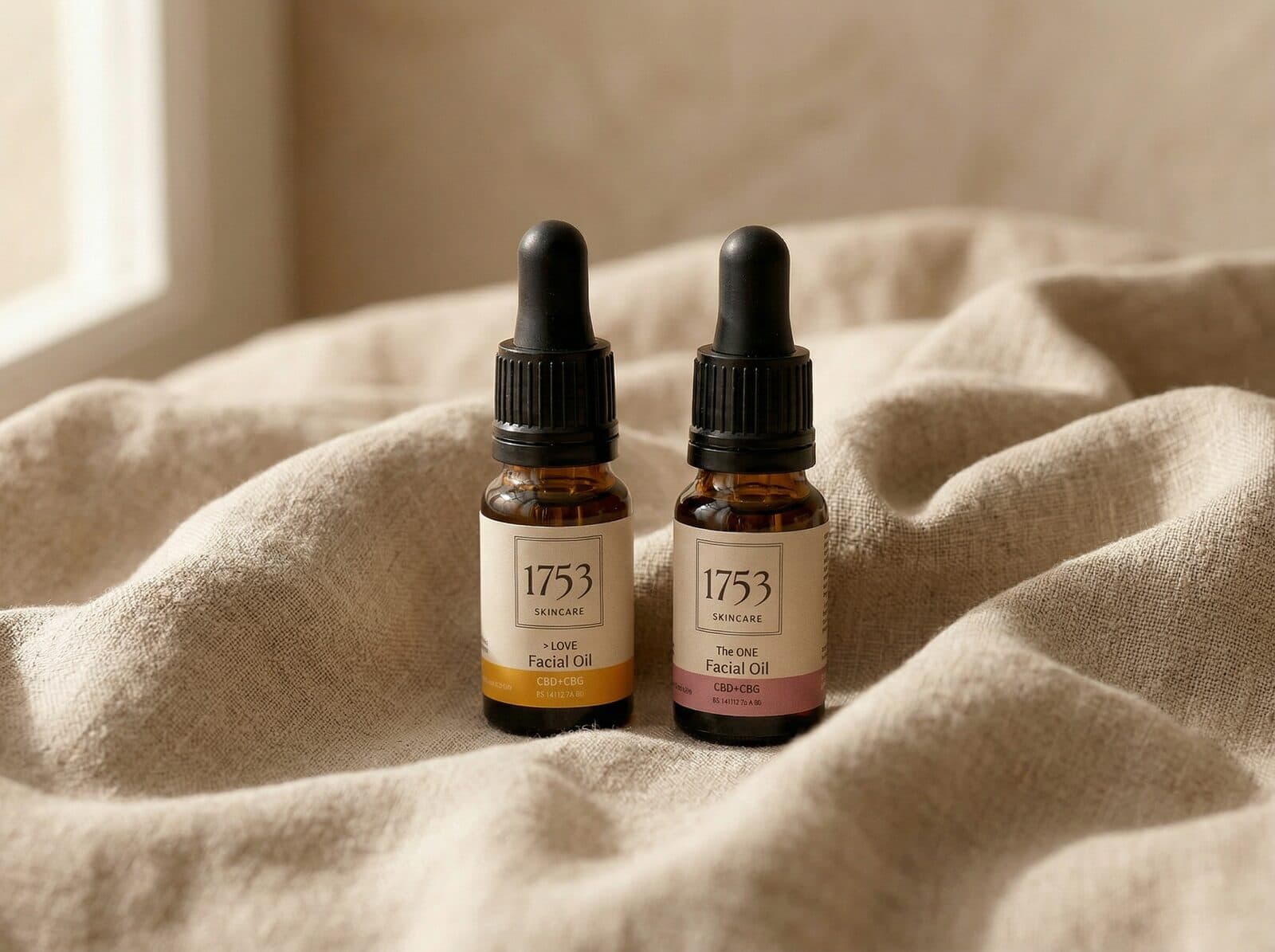
What usually works best after pregnancy is not more pressure, but better timing. For skin, that means gentle cleansing, hydration and ingredients that support recovery without stirring up irritation. That is where The ONE fits well when skin feels dry, tight or out of sync.
When hormones are bouncing and breakouts show up uninvited, DUO is the more sensible move: The ONE plus I LOVE gives a broader cannabinoid spectrum and supports both skin regulation and calm. It makes particular sense when breastfeeding, cortisol and poor sleep have made your skin more easily annoyed than usual.
For the dull, tired look that often comes with newborn nights, Ta-DA serum brings antioxidant support and a little less “I have not slept in years” energy. And when your morning needs to move fast, Au Naturel Makeup Remover keeps things simple in the real world. The whole 1753 range is breastfeeding-friendly, so you can build a routine that respects both skin and life.
Products we recommend
 Save €34
DUO kit
Two face oils, one for morning and one for evening. Simple skincare that works with your skin, not against it.
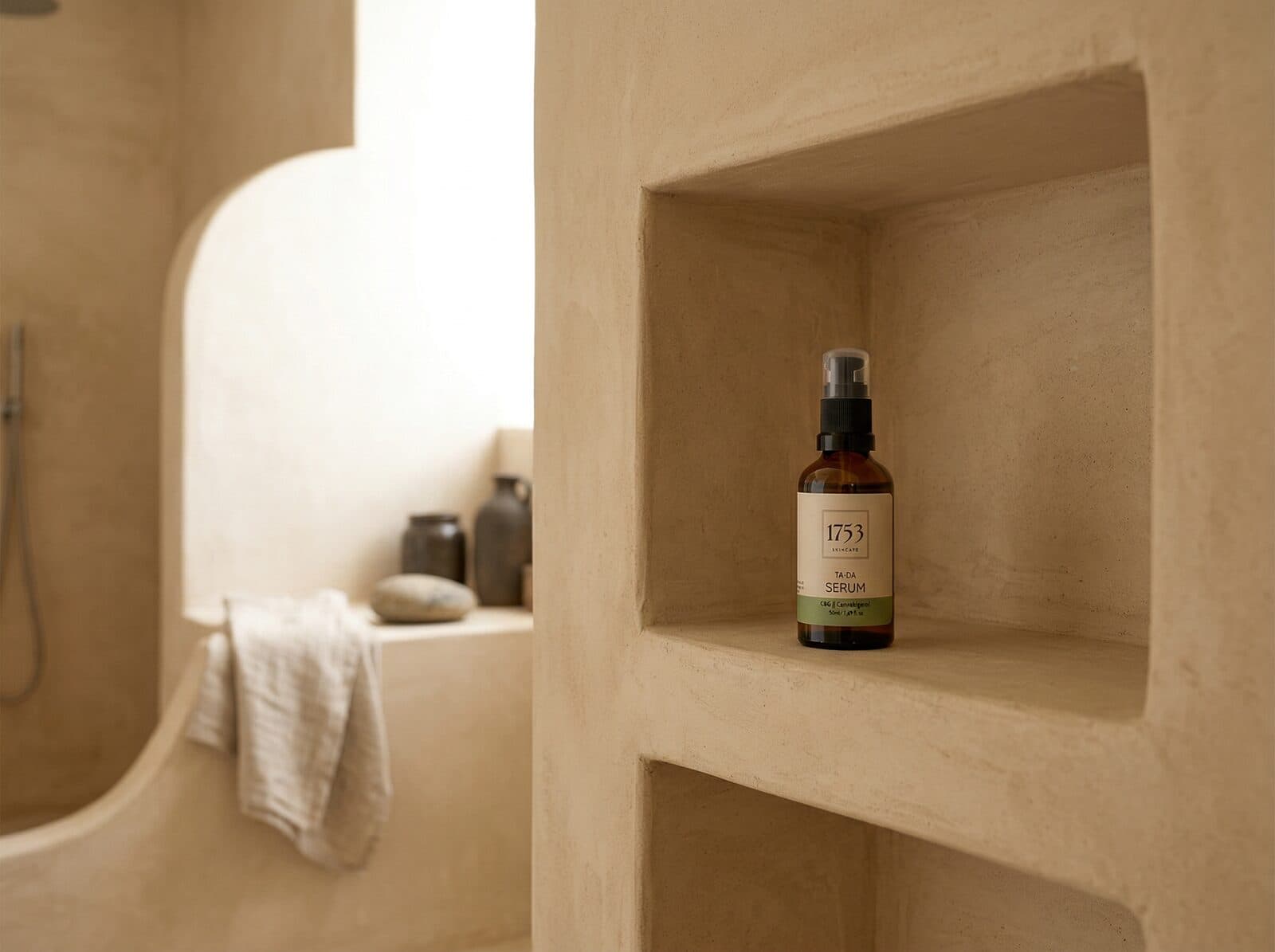
TA-DA Serum
A CBG-powered serum that seals in moisture and adds glow, whatever the season.
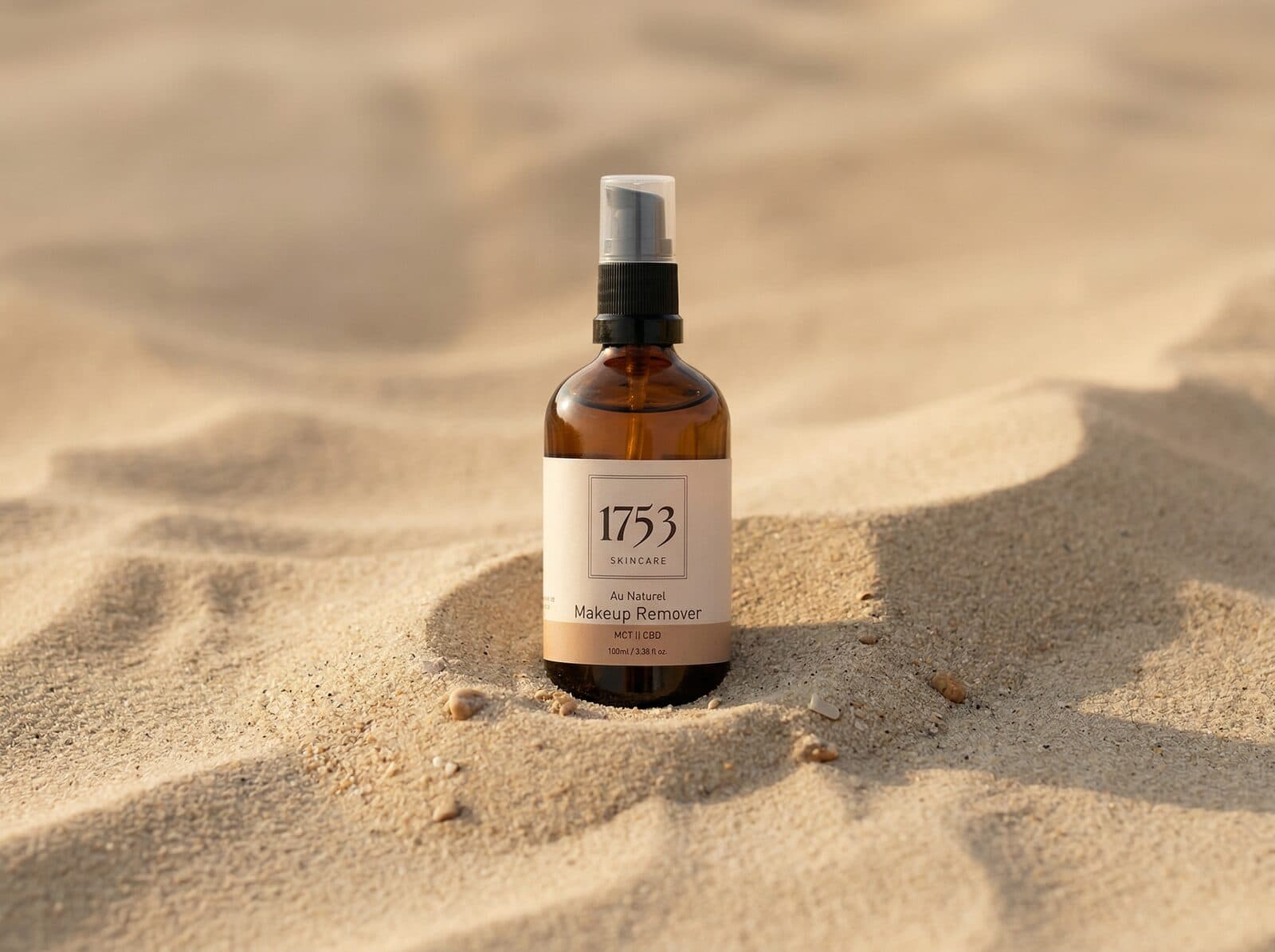
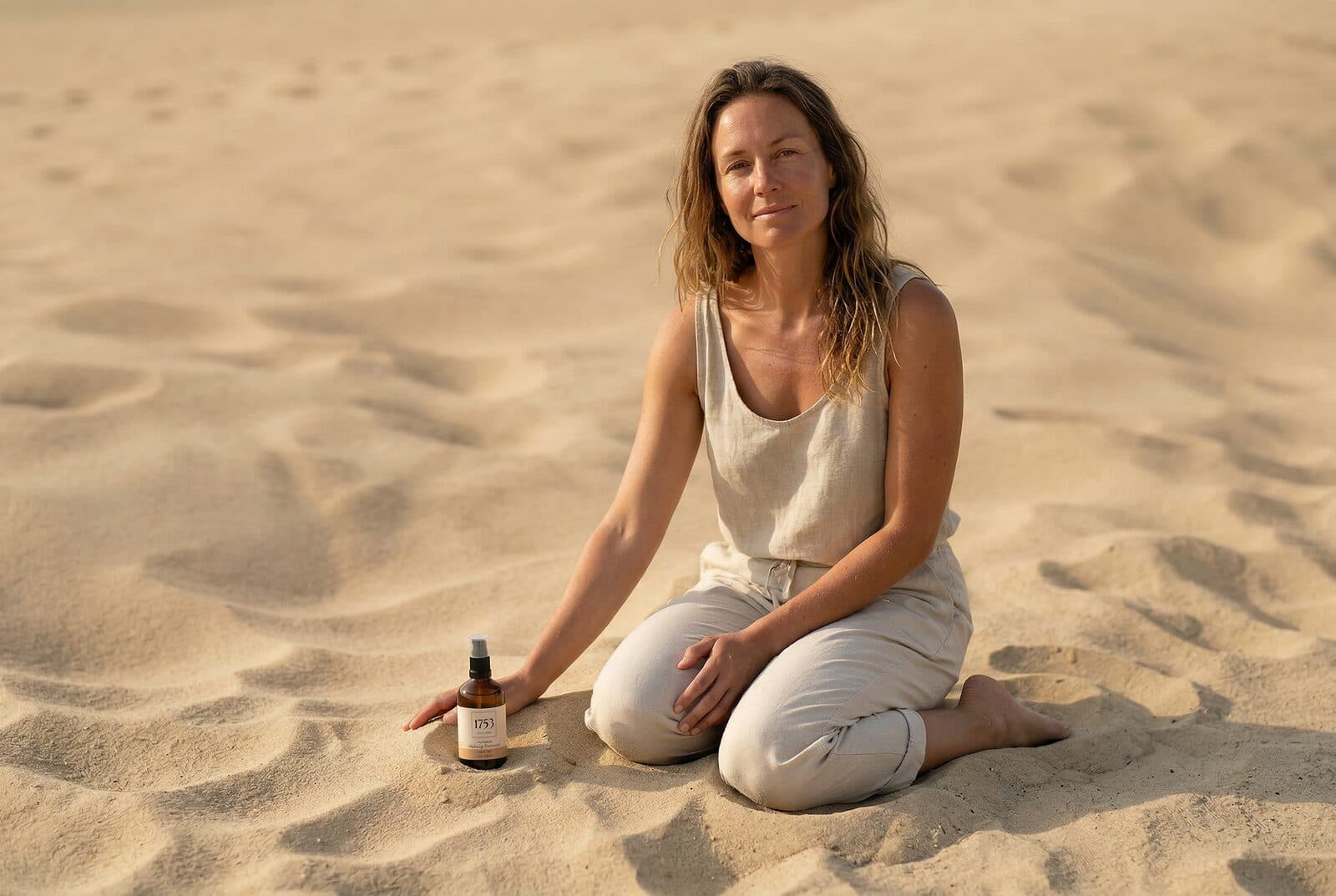
Au Naturel Makeup Remover
A cleansing oil with MCT and CBD that removes makeup and buildup without stripping your skin bare.
Frequently asked questions
Is it normal for skin to change after birth?
Yes, very normal. Hormone shifts, poor sleep, stress and breastfeeding can affect oil production, moisture balance and pigmentation. It usually means your skin is adjusting, not failing.
What ingredients are safe while breastfeeding?
Stick to gentle, skin-supporting ingredients that don’t feel harsh or overcomplicated. 1753 products are breastfeeding-friendly, which makes it easier to keep things simple and consistent.
What helps postpartum acne?
Focus on calming the skin instead of drying it out. A mild cleanse, skin-regulating oils and a soothing serum can do more than aggressive exfoliation when skin is already stressed.
How should I deal with melasma after pregnancy?
Melasma is often linked to hormones and UV exposure. Sunscreen, patience and a gentle routine matter more than trying to scrub pigmentation away.
Sources
- Chen Y, Lyga J. Brain-skin connection: stress, inflammation and skin aging. Inflamm Allergy Drug Targets 2014;13(3):177–190.
- Walker MP, van der Helm E. Overnight therapy? The role of sleep in emotional brain processing. Psychol Bull 2009;135(5):731–748.
- Katta R, Desai SP. Diet and Dermatology: The Role of Dietary Intervention in Skin Disease. J Clin Aesthet Dermatol 2014;7(7):46–51.
Article reviewed by Christopher Genberg, founder of 1753 SKINCARE.
Related articles
Cyclic Skincare
Menstrual Cycle and Skin – why one routine doesn’t fit all
Your skin doesn’t run on a fixed schedule; it runs with your body. Across the menstrual cycle, hormo...
Lifestyle & Skin
Exercise and skin – working out is skincare from within
A workout gives your skin more than an hour-long facial. Increased blood flow, reduced inflammation,...
Lifestyle & Skin
Diet and skin – you literally are what you eat
Every skin cell you have today was built from what you ate a few months ago. Collagen requires vitam...
Skin Streaming
Minimalist 5 step routine – why less can do more
Skincare has become too much of everything: too many steps, too much exfoliation, too much cleansing...
Skincare for men
Skincare for men – your skin doesn't care what society thinks
Men's skin is biologically different. Thicker, oilier, more collagen. But that doesn't mean it takes...
Skincare for combination skin
Skincare for combination skin – stop forcing your skin to pick a side
Oily on the forehead, dry on the cheeks, normal on the chin – maybe. Combination skin is your skin's...