
Science
Oxidative stress skin – when the barrier needs backup
Skin does not get overwhelmed by one bad day. It wears down from a constant chemical drip: UV, pollution, stress and overworked routines push oxidative stress higher. When the balance between free radicals and the skin’s own defenses shifts, the answer is not more aggression – it is smarter support.

Is your skin really missing more actives?
Oxidative stress happens when reactive oxygen species, or ROS, are produced faster than the skin can neutralize them. This is not just textbook chemistry. ROS can damage barrier lipids, proteins like collagen, and signaling pathways that regulate inflammation and repair. Recent studies keep pointing to UV oxidation as one of the biggest drivers.
That is where conventional skincare often gets it backwards. People scrub harder, stack more acids, or chase a "clean" feeling that can actually weaken the barrier further. The skin already has its own antioxidant defense network, including SOD, superoxide dismutase, and glutathione, but that system can get overloaded when exposure is too high or too constant.
The goal is not to strip the skin bare and hope for the best. It is to reduce the pressure so the skin’s own defenses can keep up. Once you understand oxidative stress skin, skincare stops being about punishment and starts being about support. That is usually where real change begins.
What to do today
Cut the overdoing
If your skin feels tight after cleansing, that is not "clean" skin. It is a sign the barrier may be losing lipids and water too quickly.
Respect UV oxidation
UV is one of the clearest ROS triggers. Think shade, hats and consistent sun protection as the base layer, not the rescue plan after damage.
Keep the routine steady
Do not swap products every week. Skin under stress responds better to predictability, especially when pollution, weather and too many actives are already in the mix.
Feed the antioxidant network
Vitamin C, polyphenols and the body’s own systems like glutathione work together. It is less about one hero ingredient and more about lowering oxidative load over time.
Read the skin, not the hype
Redness, shine that turns into dryness, or skin that feels "irritated but oily" often points to stress. Adjust to what the skin signals, not what sounds strongest on paper.

How to put out the fire
When oxidative stress skin is the core issue, you need formulas that work with the skin, not against it. 1753 uses phytocannabinoids from certified hemp in gentler formulas because cannabinoids may help support balance when skin is overstimulated. It is not magic; it is biology with more respect for the barrier.
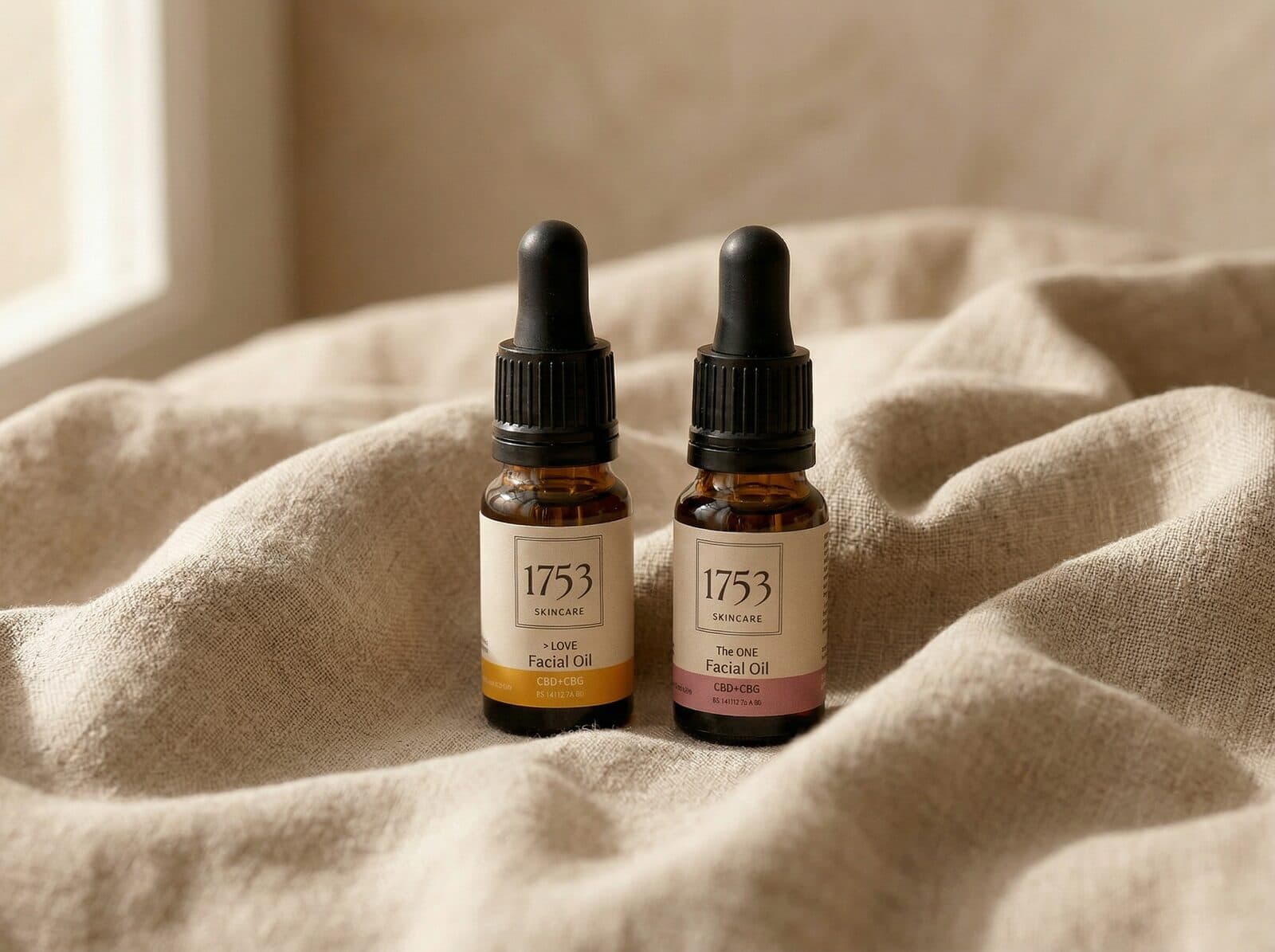
The ONE is a CBD facial oil for skin that needs calm, softness and less reactivity. I LOVE, with CBG, is a serum for skin that feels stressed, shiny and sensitive at the same time. Together in the DUO kit, they offer a fuller cannabinoid spectrum, making it easier to address imbalance without overloading the skin.
If you want to add more antioxidant support, Ta-DA serum is the obvious next step, combining CBG and adaptogens in an anti-aging formula. For cleansing, Au Naturel Makeup Remover is a simple MCT oil that lifts makeup and grime without wiping out the skin’s own defense line. Less oxidation to manage means more room for recovery.
Products we recommend
 Save €34
DUO kit
Two face oils, one for morning and one for evening. Simple skincare that works with your skin, not against it.
 Save €60
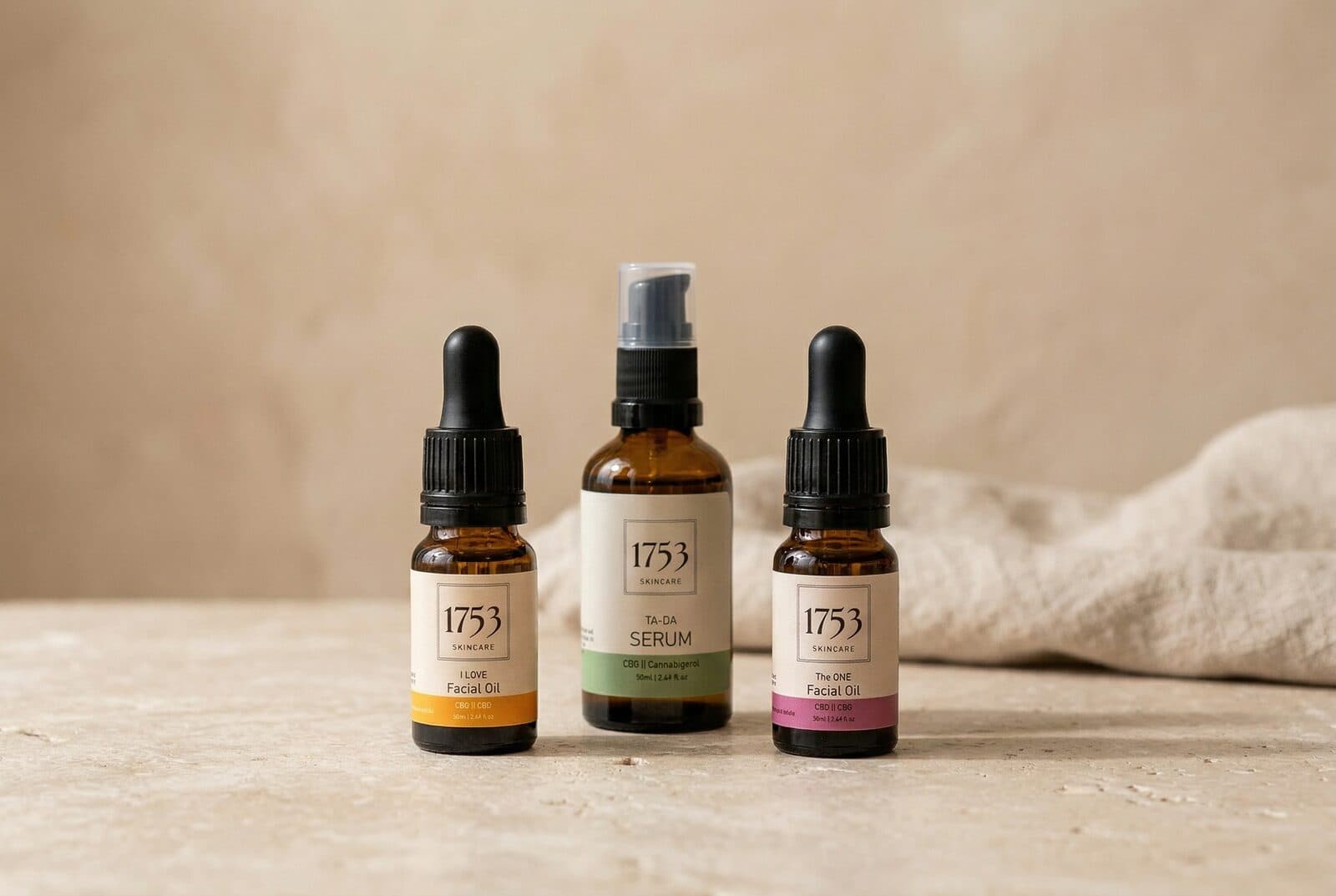
DUO kit + TA-DA Serum
The full routine in one: three products that help skin become calmer, stronger and more resilient.
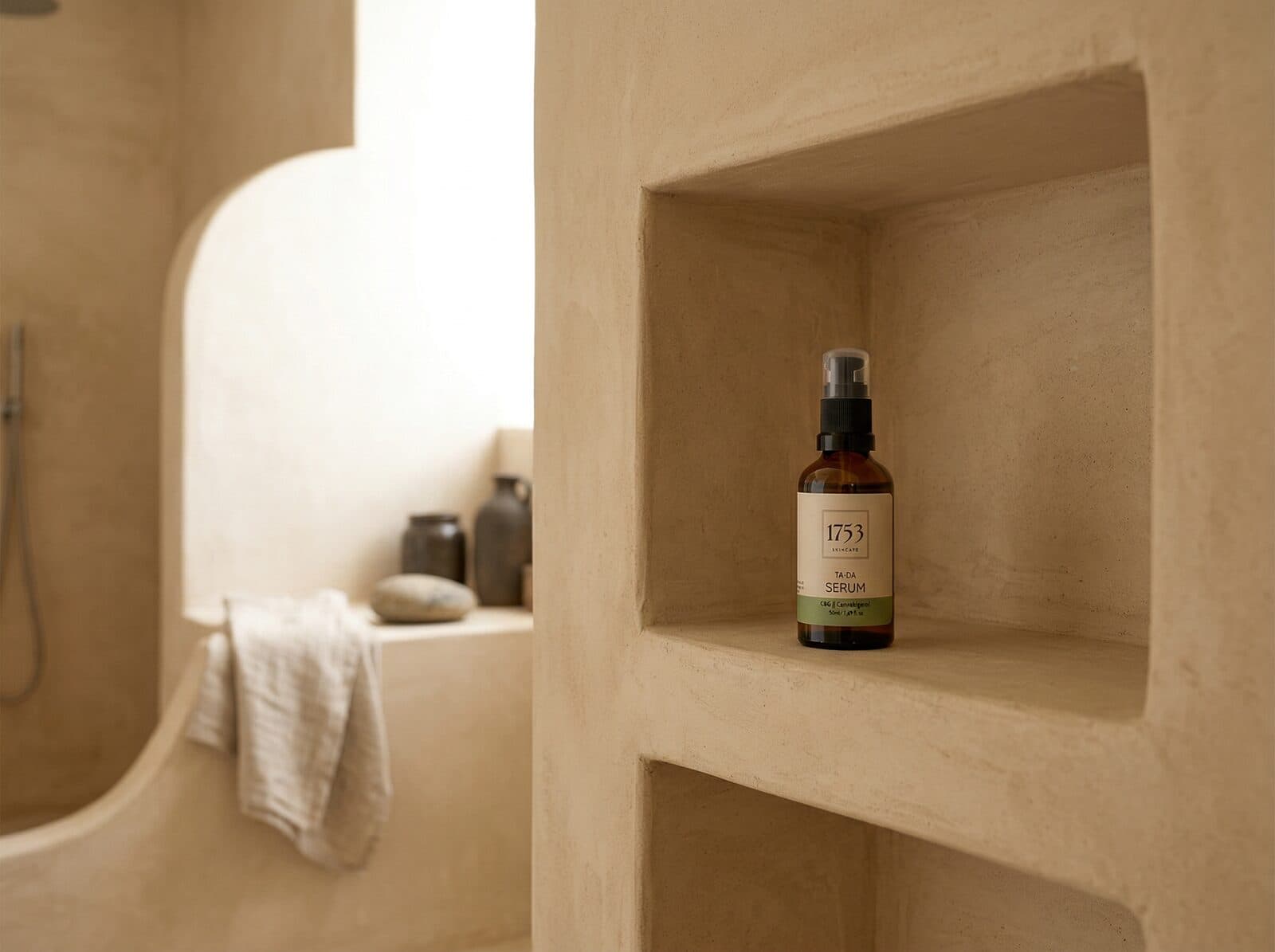
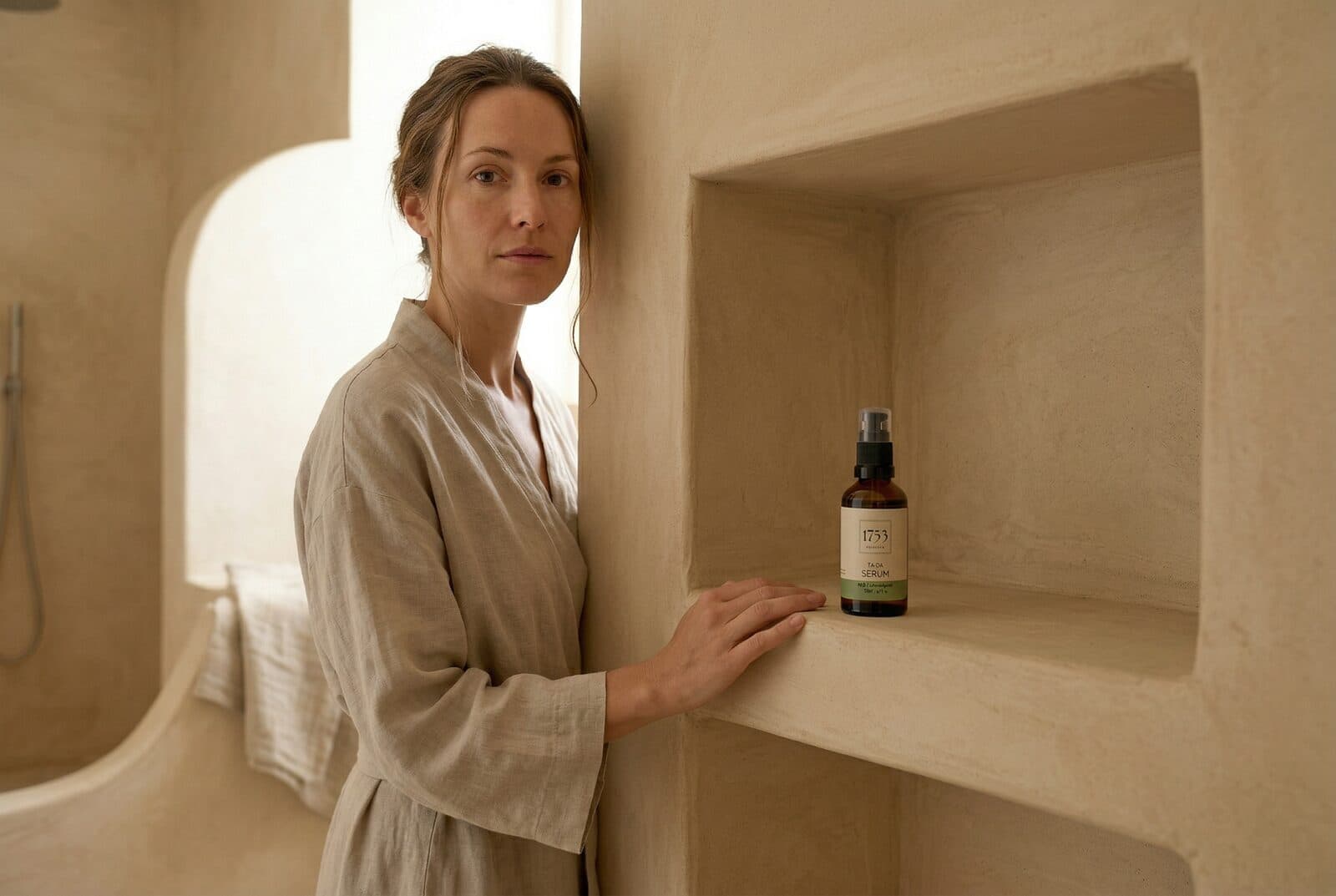
TA-DA Serum
A CBG-powered serum that seals in moisture and adds glow, whatever the season.
Frequently asked questions
What is the difference between free radicals and ROS?
Free radicals are highly reactive molecules, while ROS is the broader term for reactive oxygen species. Both can contribute to oxidative stress when the body and skin cannot neutralize them fast enough.
Why is UV mentioned so often with oxidative stress?
UV radiation drives ROS formation and can trigger chain reactions that affect lipids, proteins and DNA in the skin. That is why UV oxidation is central to ageing and irritation.
Can skin defend itself against oxidative stress?
Yes, to a degree. Enzymes like SOD and molecules like glutathione help neutralize oxidative attacks, but they are not infinite. Under high load, skin needs support, not more punishment.
Do antioxidants erase damage?
No. Antioxidants help reduce ongoing oxidative load and support balance, but they do not replace UV protection or a gentle routine. Think fire control, not time travel.
Sources
- Bíró T, Tóth BI, Haskó G, Paus R, Pacher P. The endocannabinoid system of the skin in health and disease. Trends Pharmacol Sci 2009;30(8):411–420.
- Tóth KF, Ádám D, Bíró T, Oláh A. Cannabinoid signaling in the skin: therapeutic potential of the c(ut)annabinoid system. Molecules 2019;24(5):918.
- Byrd AL, Belkaid Y, Segre JA. The human skin microbiome. Nat Rev Microbiol 2018;16(3):143–155.
Article reviewed by Christopher Genberg, founder of 1753 SKINCARE.
Related articles
Science
Endocannabinoid system skin guide – your skin’s built-in calm
Your skin is not just a surface. It is a living control system trying to stay calm, resilient, and b...
SKIN SCIENCE
CB1 CB2 receptors skin – let the skin lead for once
Skin is not a passive surface. It has its own signalling network, where CB1 and CB2 help shape calm,...
Science
ECS and stress – your body’s built-in brake
Stress is not just a mindset problem. It starts as a biological chain reaction: the HPA axis fires, ...
Ingredient Portrait
cbd for skin – less noise, more balance
CBD for skin is interesting because it doesn’t try to bully the skin into behaving. It works with th...
Ingredient Portrait
cbg for skin – the mother cannabinoid that calms and renews
CBG usually lives in CBD’s shadow, but skin can tell the difference. This is the cannabinoid that ma...
Ingredient Portrait
Shea butter skin – rich, warm, not for everyone
Shea butter is one of skincare’s most loved butters, and one of the most misunderstood. It comes fro...