
Ingredient Portrait
Omega 3 skin – when inflammation needs to quiet down
Omega 3 skin is not a trend story, it’s biology. EPA, DHA and ALA affect how easily skin gets inflamed, how fast it settles, and how resilient the barrier feels in daily life. It’s one of the few nutrition angles where skin can genuinely notice the difference over time.

Why does skin get inflamed so easily?
Skin that stings, flushes or feels reactive is often living in a state of low-grade stress. Omega-3 fatty acids, especially EPA, influence eicosanoid balance and can help the body produce fewer pro-inflammatory signals. DHA contributes more to cell-membrane structure, while ALA is a plant-based precursor that the body only converts partially.
This is where mainstream skincare often goes wrong: scrub harder, add more acids, try to “dry out” the issue. But a barrier that’s already stressed needs less aggression, not more. Research suggests that better fat intake can support skin tolerance, especially when dryness, redness and inflammation are part of the picture.
So omega 3 skin is not a fluffy wellness phrase. It’s about how membranes, signal molecules and recovery work together. And yes, the difference between fish oil, algae and plant sources matters — both for how much EPA/DHA you get and how efficiently skin can benefit from it.
How to feed skin the right fats
Lead with EPA
Choose a supplement with a clear EPA focus if your goal is less skin inflammation. EPA is the fatty acid most often linked to calmer reactivity.
Use a 4:1 ratio
A 4:1 EPA-to-DHA ratio is a practical benchmark when skin is more inflamed than dry. It’s not magic, but it’s a useful balance when the goal is to quiet the noise.
Take it with food
Omega-3 is usually better absorbed with a meal that contains fat. It also helps avoid the fishy burp that makes people quit after a week.
Stay consistent for 8–12 weeks
Skin fat balance does not change overnight. Give omega-3 at least 8 weeks, ideally 12, before judging whether redness, tightness or dryness has actually shifted.
Add ALA wisely
If you eat mostly plant-based, ALA from flax, chia and walnuts can help. Just don’t expect ALA alone to do the direct work EPA and DHA do.

How to actually fix it
If skin feels constantly switched on, you need to address the inflammation cascade from more than one angle. Omega-3 from fatty fish or algae is a sensible first step for many people, especially when you want more EPA and DHA than a typical diet delivers. For skin that flushes easily, this is less glamorous than a new acid, but far more relevant.
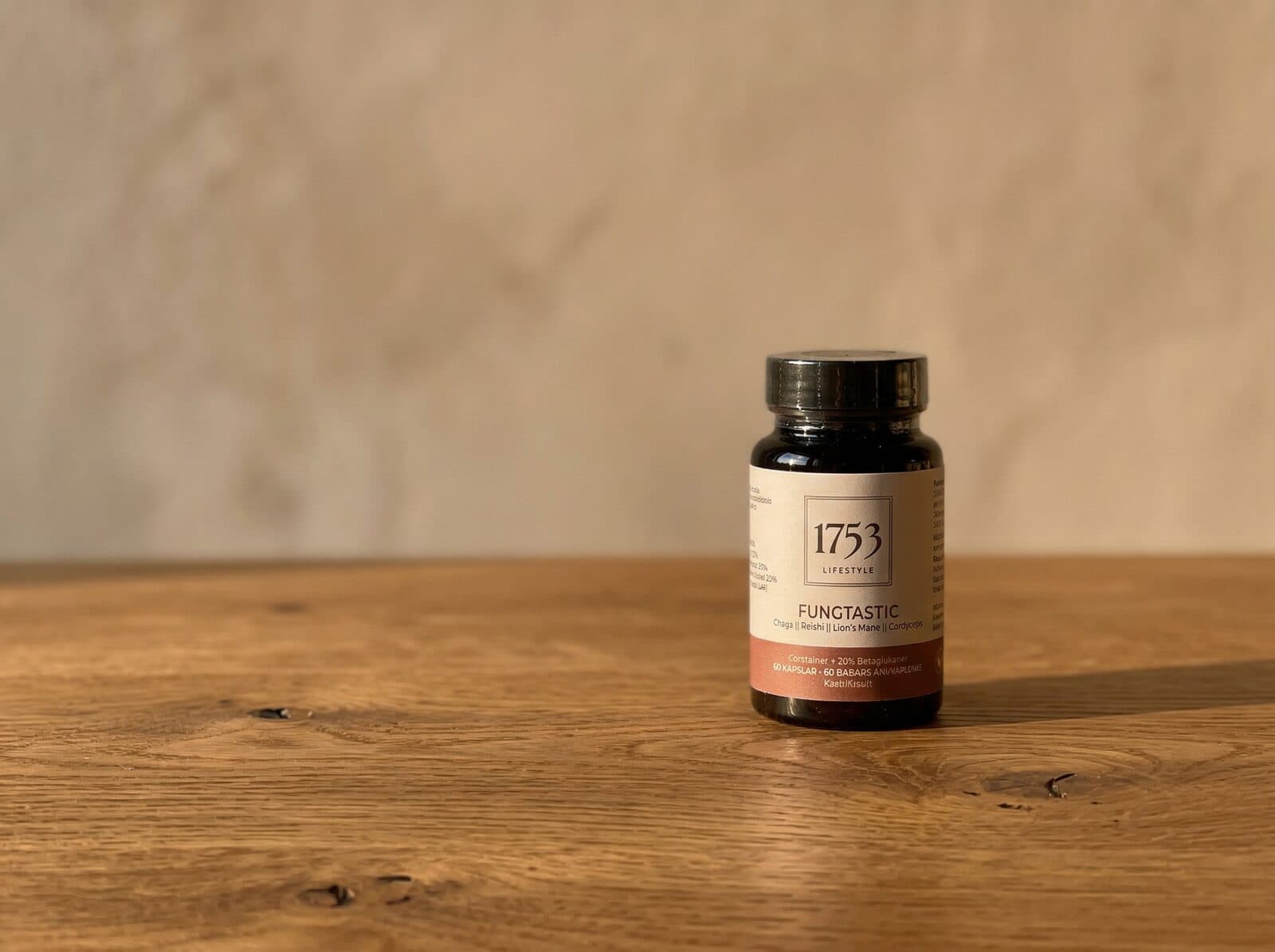
That’s where Fungtastic Mushroom Extract can complement things from the inside: not as a skin product, but as an oral supplement for anyone wanting broader systemic support. Chaga, Reishi, Lion’s Mane and Cordyceps are not omega-3, but they fit the same mindset of calming the system rather than bullying the skin from the outside. If you already use fish oil or algal oil, make sure the dose is consistent and that you’re getting a meaningful amount of EPA/DHA every day.
On the surface, don’t sabotage the barrier. The ONE helps skin stay regulated without overdoing actives, I LOVE supports a calmer and more balanced environment, and Au Naturel Makeup Remover cleans gently when you don’t want to strip away all the lipids in one go. Not flashy. Just what inflamed skin usually prefers.

Frequently asked questions
Is fish oil or algae oil better for skin?
Both can work, but fish oil often provides more EPA per capsule, while algae oil is a strong option if you want to avoid fish. What matters most is not the label, but how much EPA and DHA you actually get consistently.
What’s the difference between EPA, DHA and ALA?
EPA is most tied to inflammation regulation, DHA to membrane structure, and ALA is a plant-based precursor fatty acid. The body can convert ALA into EPA and DHA, but only in limited amounts.
How fast does omega-3 show on skin?
Usually it takes several weeks before the skin responds clearly. Many people notice changes after 8–12 weeks, especially around dryness, redness and how easily skin reacts to weather or cleansing.
Can omega-3 replace skincare?
No, but it can make skin less reactive so your skincare works better. A calmer diet strategy and a barrier-friendly routine are stronger together than any aggressive product alone.
Sources
- Oláh A, Tóth BI, Borbíró I, et al. Cannabidiol exerts sebostatic and antiinflammatory effects on human sebocytes. J Clin Invest 2014;124(9):3713–3724.
- Lin TK, Zhong L, Santiago JL. Anti-Inflammatory and Skin Barrier Repair Effects of Topical Application of Some Plant Oils. Int J Mol Sci 2017;19(1):70.
- Tóth KF, Ádám D, Bíró T, Oláh A. Cannabinoid signaling in the skin: therapeutic potential of the c(ut)annabinoid system. Molecules 2019;24(5):918.
Article reviewed by Christopher Genberg, founder of 1753 SKINCARE.
Related articles
Ingredient Portrait
Chaga mushroom skin – the taiga’s quiet shield
Chaga is not another glossy wellness gimmick. It’s a survival mushroom from the cold taiga, packed w...
Ingredient Portrait
Reishi for skin – the mushroom that calms the noise
Reishi earned its “mushroom of immortality” nickname for a reason: it matters more for skin than a l...
Ingredient Portrait
lions mane skin – the mushroom that starts with nerves
Lion's Mane, or Hericium erinaceus, is more than a wellness buzzword for focus. It matters for skin ...
Skin Streaming
Minimalist 5 step routine – why less can do more
Skincare has become too much of everything: too many steps, too much exfoliation, too much cleansing...
CBD Skincare
CBD for acne – stop fighting your skin
Acne isn't about being dirty. It's about inflammation, hormones, and skin that needs support – not p...
CBD Skincare
CBD for oily skin – balance instead of dehydration
Drying out oily skin only makes it oilier. Sounds backwards, but that's exactly what happens. CBD of...