
Comparison
Oil vs serum – depth, order and what really happens
Serum is often sold as the clever choice and oil as the simple one. But skin doesn’t care about marketing, only structure, balance and how ingredients behave together. Here we untangle oil vs serum without the fluff.

Is depth really the deciding factor?
The classic story says serum “goes deeper” and is therefore always better. In reality, it’s more about molecule size, carriers and how the skin lets substances interact with the outer barrier. Small, water-soluble ingredients often feel light and quick, while oils mainly work in the lipid layer on the surface.
That does not make serum superior. A serum without enough moisture can feel tight, and an oil without the right base can feel too heavy. The point is the skin’s lipid-water-balance: water brings fullness, lipids help reduce evaporation and keep the barrier calmer.
People also fall into the trap of thinking “more actives means better results”. But over-cleansing, harsh exfoliation and aggressive layering can disturb the skin more than they help it. If your skin is already stressed, the real question is not what sounds most advanced, but what it can actually tolerate.
How to choose the right order
Start with water
Apply thin, water-based products first if hydration is the priority. They can give the skin a quick moisture boost before you seal things in. Think of serum as replenishment, not just treatment.
Seal with oil
Use facial oil last when skin feels dry or out of balance. Oil helps reduce moisture loss and supports the barrier. It does not replace water, but it helps the skin hold on to it.
Think layers, not miracles
Layering works best when each step has one clear job. A serum for hydration, an oil for nutrition and protection. When everything tries to do everything, irritation is often the result.
Read skin tolerance
If skin stings, looks shiny but feels tight, or turns red after products, the routine is probably too harsh. Use fewer steps and let the barrier set the pace.
Match the climate
Dry winter air often calls for more lipids, while humid summer weather may only need lighter layers. In both cases the goal is the same: less evaporation, more comfort. Not more products.

How to solve it without overcomplicating
If you want to understand oil vs serum properly: serum is usually your moisture and targeted-step layer, while oil is your protective finish. Serum helps deliver water-based hydration and active ingredients that spread more easily through the skin surface. Oil helps keep what you’ve already given the skin in place.
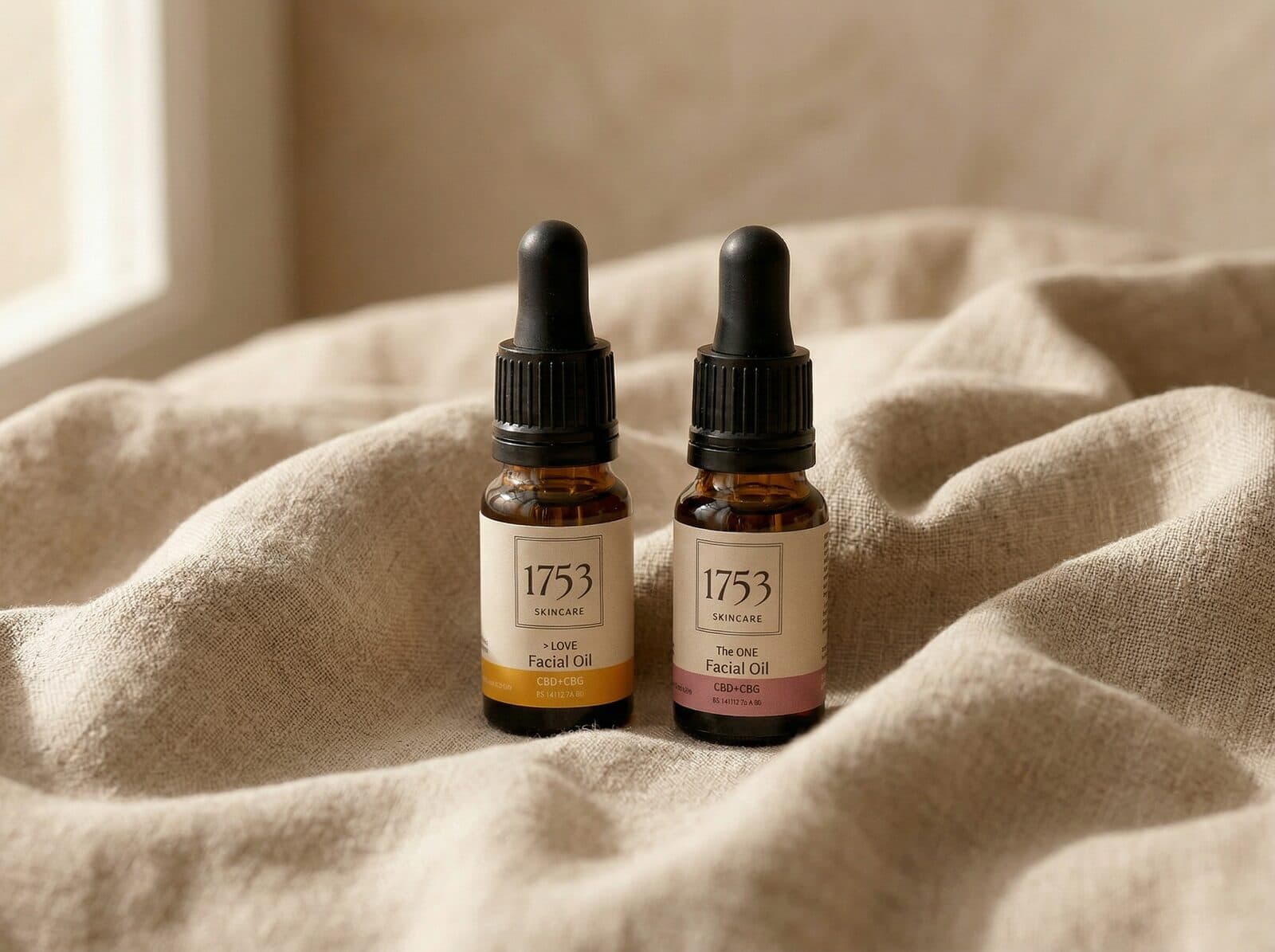
For many, the best answer is the combination. The ONE brings CBD + MCT in a skin-regulating facial oil that makes sense when the barrier needs calm and lipid support. I LOVE is a CBG serum that feels lighter, soothing and antibacterial, especially when skin gets stressed by too much or too harsh a routine. Together, they’re a rare example of a non-controversial complement.
If you want one step further, the DUO kit combines The ONE and I LOVE for a fuller cannabinoid spectrum in the routine. And if you want antioxidant support without confusing the skin, Ta-DA serum fits naturally. This is not magic. It’s just smart order, the right balance and products that respect the skin instead of attacking it.
Products we recommend
 Save €34
DUO kit
Two face oils, one for morning and one for evening. Simple skincare that works with your skin, not against it.
 Save €60
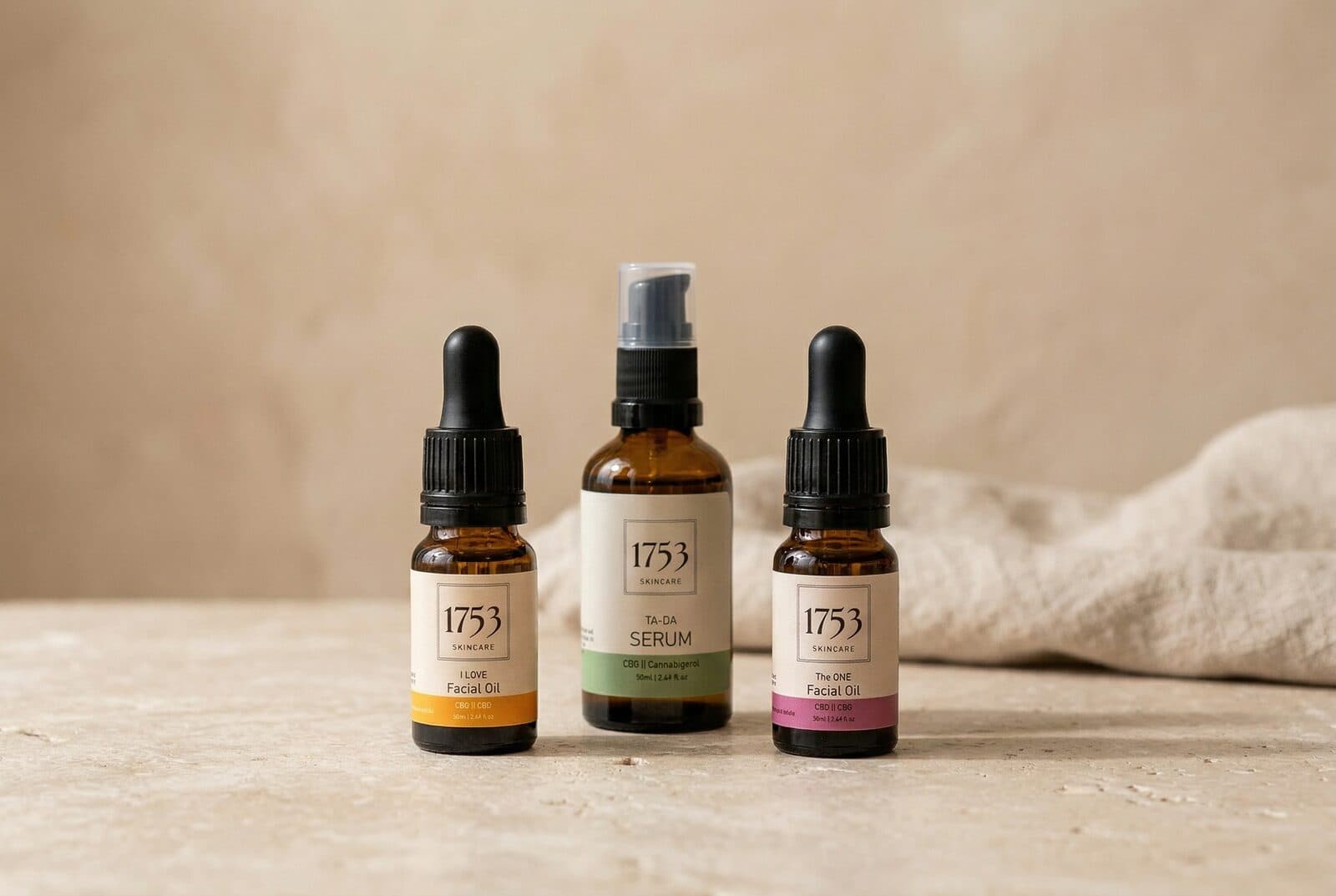
DUO kit + TA-DA Serum
The full routine in one: three products that help skin become calmer, stronger and more resilient.
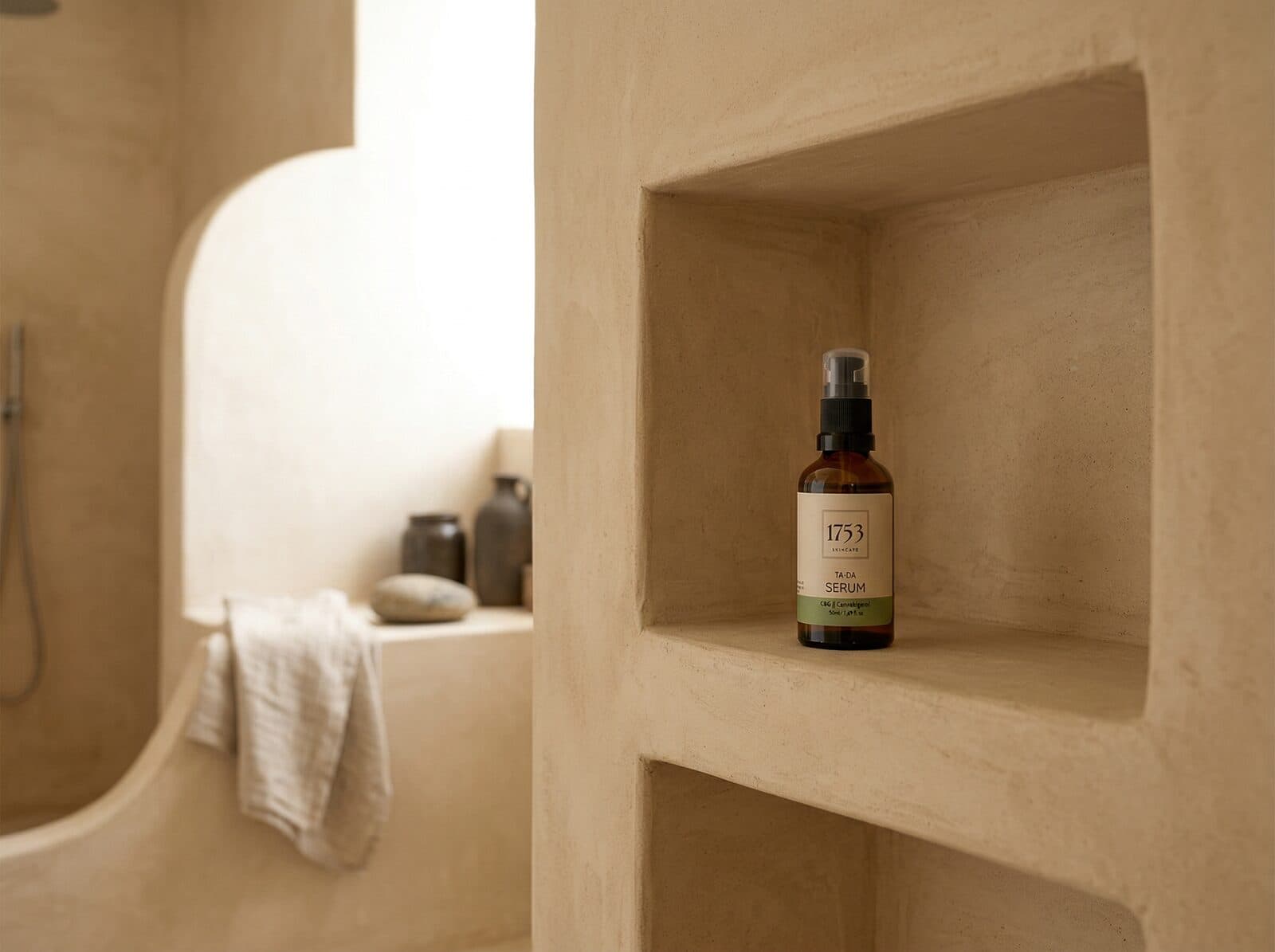
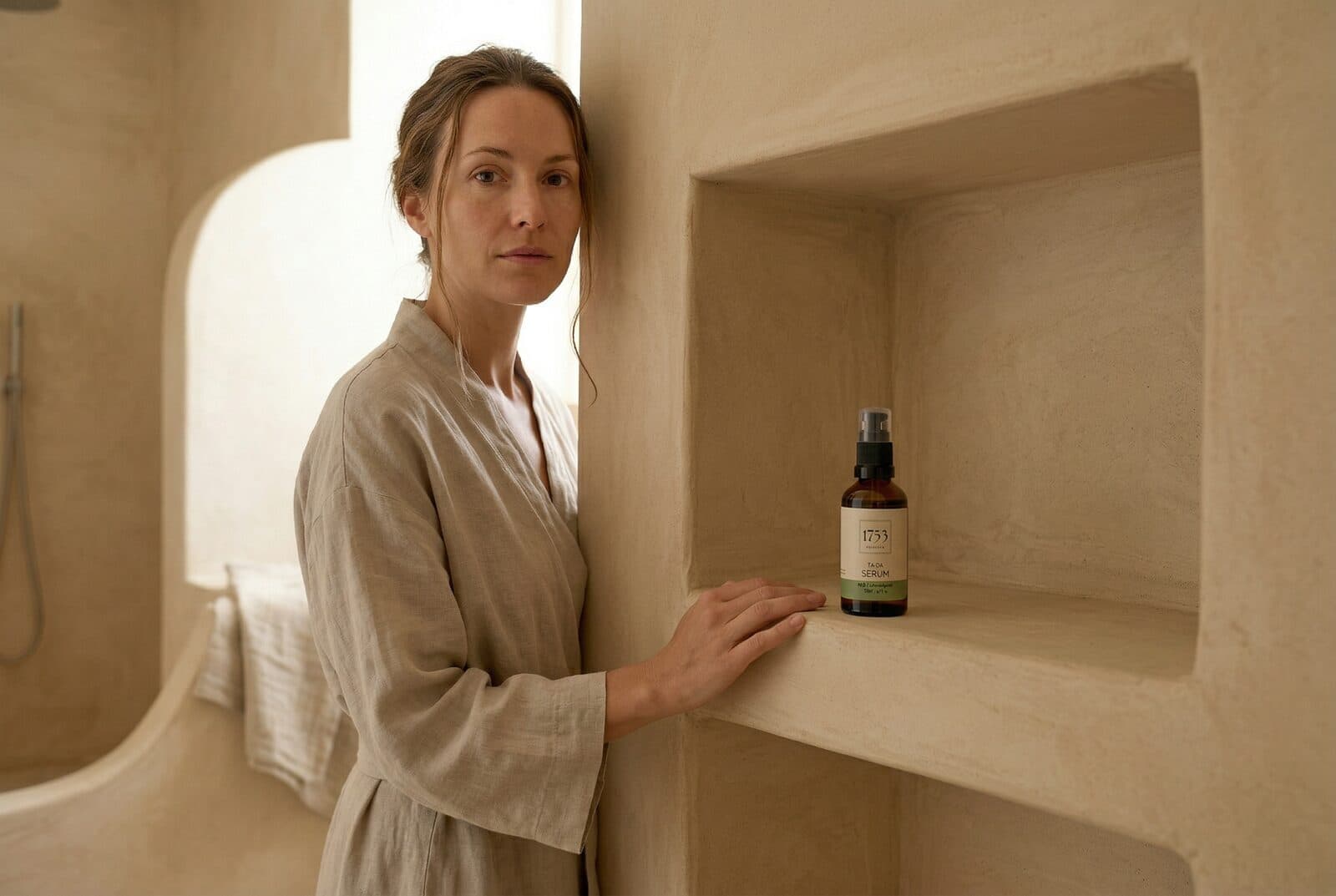
TA-DA Serum
A CBG-powered serum that seals in moisture and adds glow, whatever the season.
Frequently asked questions
Should serum always go before oil?
Usually, yes. Thinner, water-based products are typically applied first so the skin can receive hydration and actives before oil seals things in. But texture and function matter more than a rigid rule.
What is the difference between hydration and nutrition?
Hydration means adding water or water-binding ingredients. Nutrition is more about lipids and ingredients that support the barrier. Skin often needs both, just not in the same form.
Can I use facial oil on its own?
Yes, if your skin mainly needs comfort, softness and less moisture loss. But very dry or stressed skin often does better with hydration first, then oil to seal it in.
Is a serum always stronger than an oil?
Not necessarily. A serum may contain more actives and feel more targeted, but a good oil can be better for barrier support and tolerance. Stronger is not always better.
Sources
- Oláh A, Tóth BI, Borbíró I, et al. Cannabidiol exerts sebostatic and antiinflammatory effects on human sebocytes. J Clin Invest 2014;124(9):3713–3724.
- Tóth KF, Ádám D, Bíró T, Oláh A. Cannabinoid signaling in the skin: therapeutic potential of the c(ut)annabinoid system. Molecules 2019;24(5):918.
Article reviewed by Christopher Genberg, founder of 1753 SKINCARE.
Related articles
COMPARISON
cbd vs retinol – same conversation, different jobs
CBD and retinol are often grouped together, but they do not behave the same way. Retinol pushes cell...
Comparison
cbd vs hyaluronic acid – hydration or calm?
This is not a fight between two good ingredients. Hyaluronic acid draws water in. CBD works more aro...
COMPARISON
cbd vs niacinamide – two ways to less shine
If your skin is oily but also easily irritated, it is easy to get stuck between two classics: cbd vs...
Ingredient Portrait
cbd for skin – less noise, more balance
CBD for skin is interesting because it doesn’t try to bully the skin into behaving. It works with th...
Ingredient Portrait
cbg for skin – the mother cannabinoid that calms and renews
CBG usually lives in CBD’s shadow, but skin can tell the difference. This is the cannabinoid that ma...
Ingredient Portrait
Shea butter skin – rich, warm, not for everyone
Shea butter is one of skincare’s most loved butters, and one of the most misunderstood. It comes fro...