
Comparison
Oil vs cream – when skin wants less, not more
Face oil vs face cream is not a loyalty test. It’s about how skin behaves: how much water it loses, how much lipids it needs, and what actually sits well on top. Sometimes oil wins. Sometimes a cream or emulsion is simply the more practical move.

When does oil beat cream?
A face cream is usually an emulsion: water and oil held together with emulsifiers. That makes it easy to spread, but also more complex. A face oil is simpler. No water phase, fewer moving parts, and often a more direct feel on skin when you want less friction and a lighter routine.
The key is the occlusive effect: how well a product slows water loss. Oils can reduce transepidermal water loss effectively, but they do not add water themselves. Creams do both: they can deliver water, emollients and a barrier in one step. That is why cream often wins when skin is truly dry, while oil is enough when skin mainly needs comfort and protection.
Absorption is the wrong obsession. Skin does not need to “drink” everything you apply. What matters is how the product behaves: whether it settles quickly, sits well under a makeup-layer, or turns the face too shiny. The mainstream rule of “always choose the lightest texture” rarely survives contact with real life. Skin is not a spreadsheet.
Five ways to choose better
Check post-cleanse tension
If your skin feels tight right after cleansing, you likely need water support and barrier help, not just more oil. A cream or emulsion may make more sense than a pure face oil.
Match the weather
Cold wind, dry indoor heating and winter months increase water loss. In that setting, a more occlusive product often performs better than something that only feels airy.
Respect your makeup
If your base pills or turns too shiny under a makeup-layer, a lighter product may be the better daytime choice. Save the oil for evening if that works better on your face.
Choose by skin feel
Oily, reactive or congestion-prone skin often likes a simple face oil. Dry, dehydrated or tight skin usually prefers an emulsion that gives more than just slip.
Don’t stack too much
If you already use several actives, you do not need another heavy cream on top. Skin often does better with fewer steps, not more ambition.
How to solve it in real life
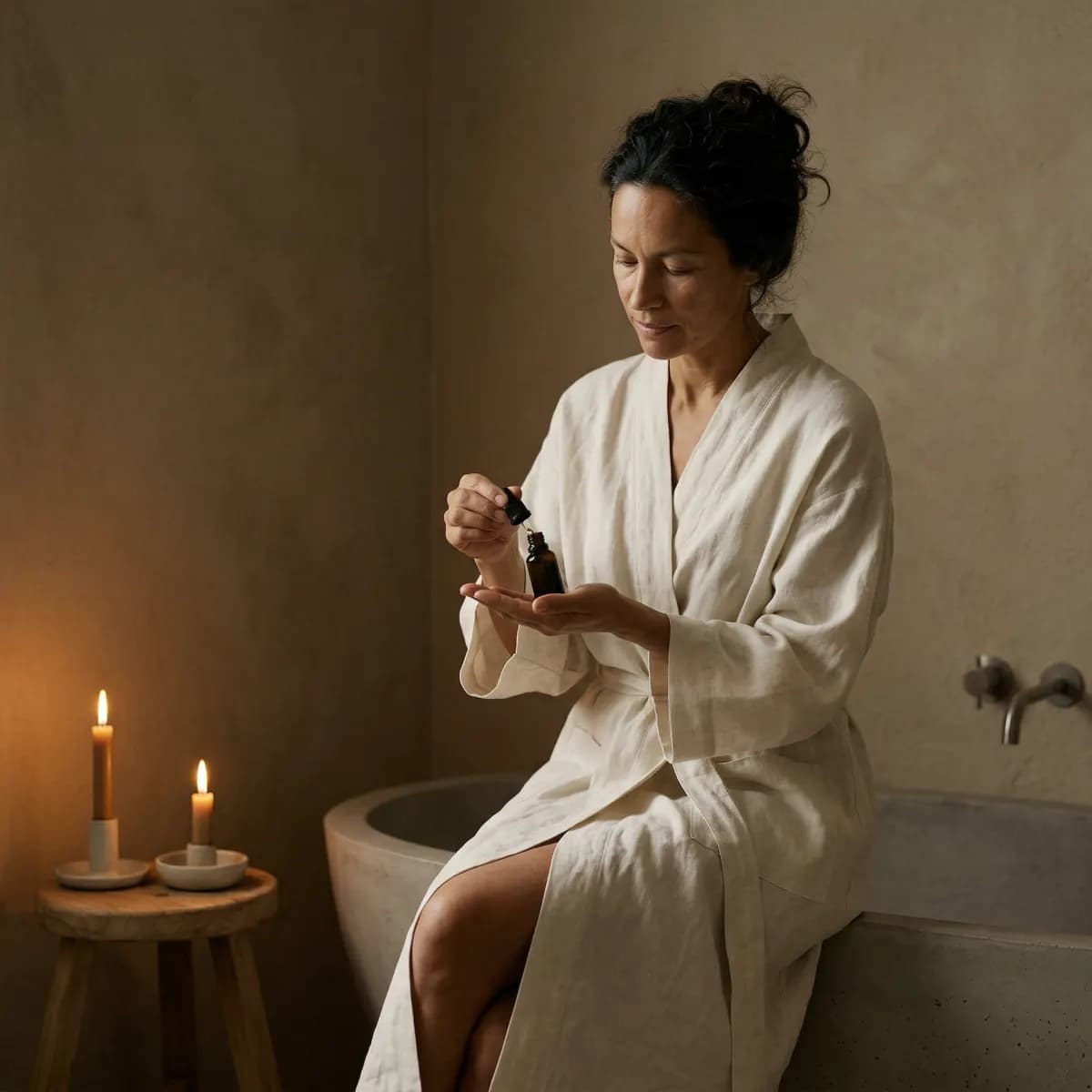
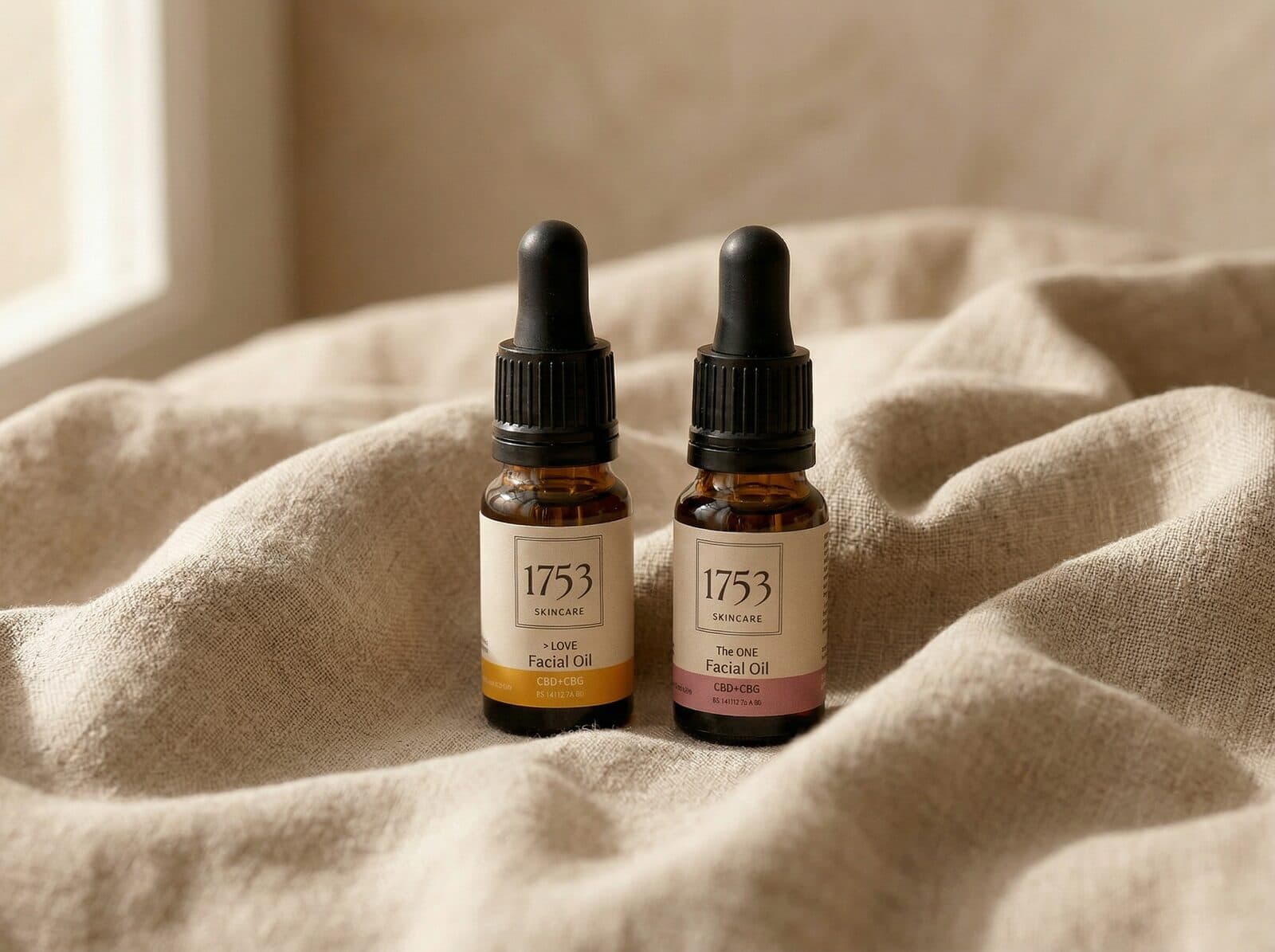
If oil is the better fit, it is usually because you want something simple that supports the barrier without feeling like a heavy coat. The ONE follows that logic: CBD + MCT in a skin-regulating face oil that works when the skin wants calm, softness and less friction.
If your skin is more inflamed, still shiny but sensitive, or prone to small breakouts, I LOVE can be the smarter move. The CBG serum is calming and antibacterial, so it acts more like a targeted step than a classic cream. And if you want both the simplicity of oil and the precision of a serum, the DUO kit with The ONE and I LOVE is a surprisingly sensible combination.
For more than bare-bones care, Ta-DA serum brings an antioxidant cocktail with CBG and adaptogens for people who want anti-aging without piling on overengineered actives. The simple truth: oil wins when skin needs protection, glide and less friction. Cream or emulsion wins when skin also needs water and a stronger occlusive effect.
Products we recommend
 Save €34
DUO kit
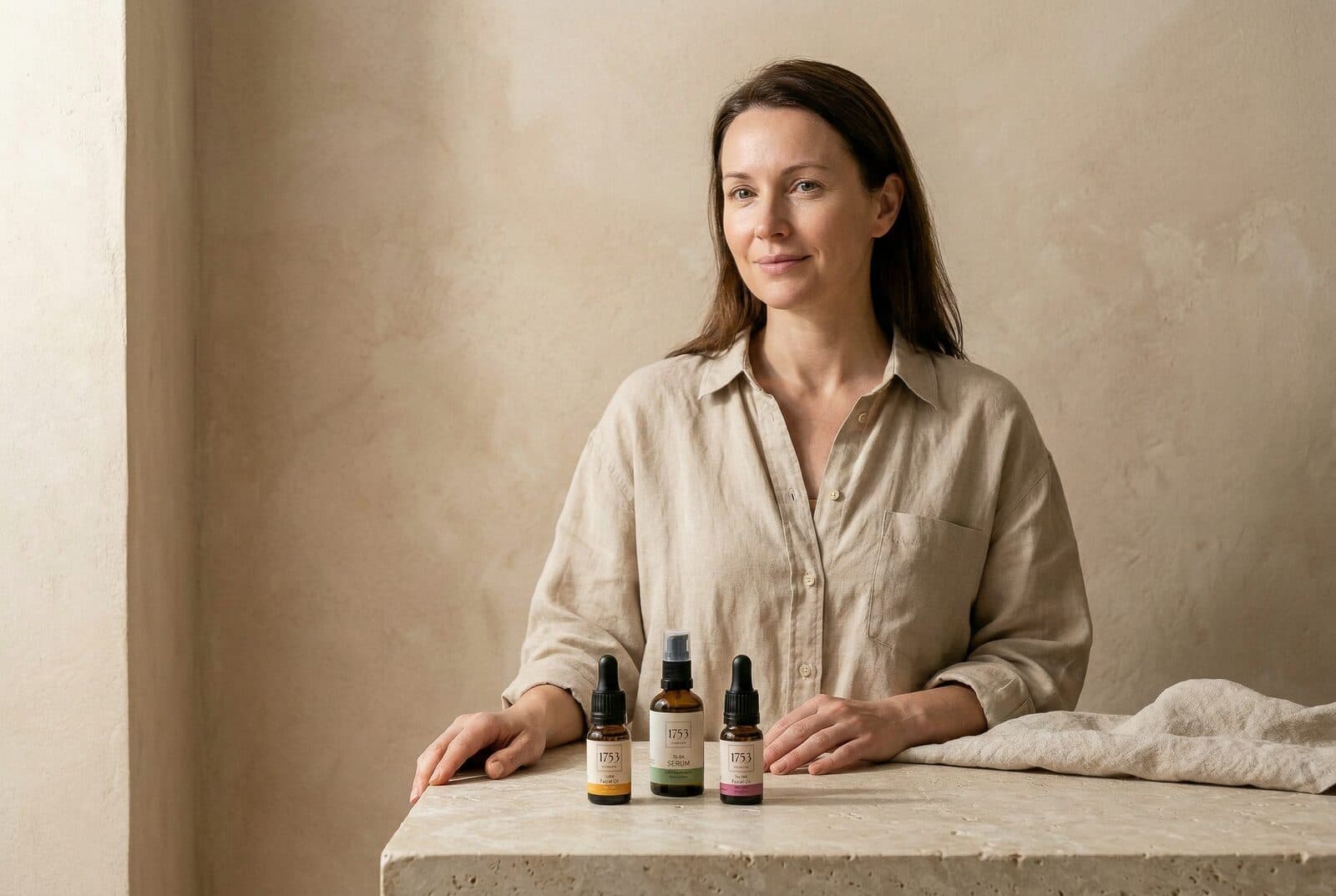
Two face oils, one for morning and one for evening. Simple skincare that works with your skin, not against it.
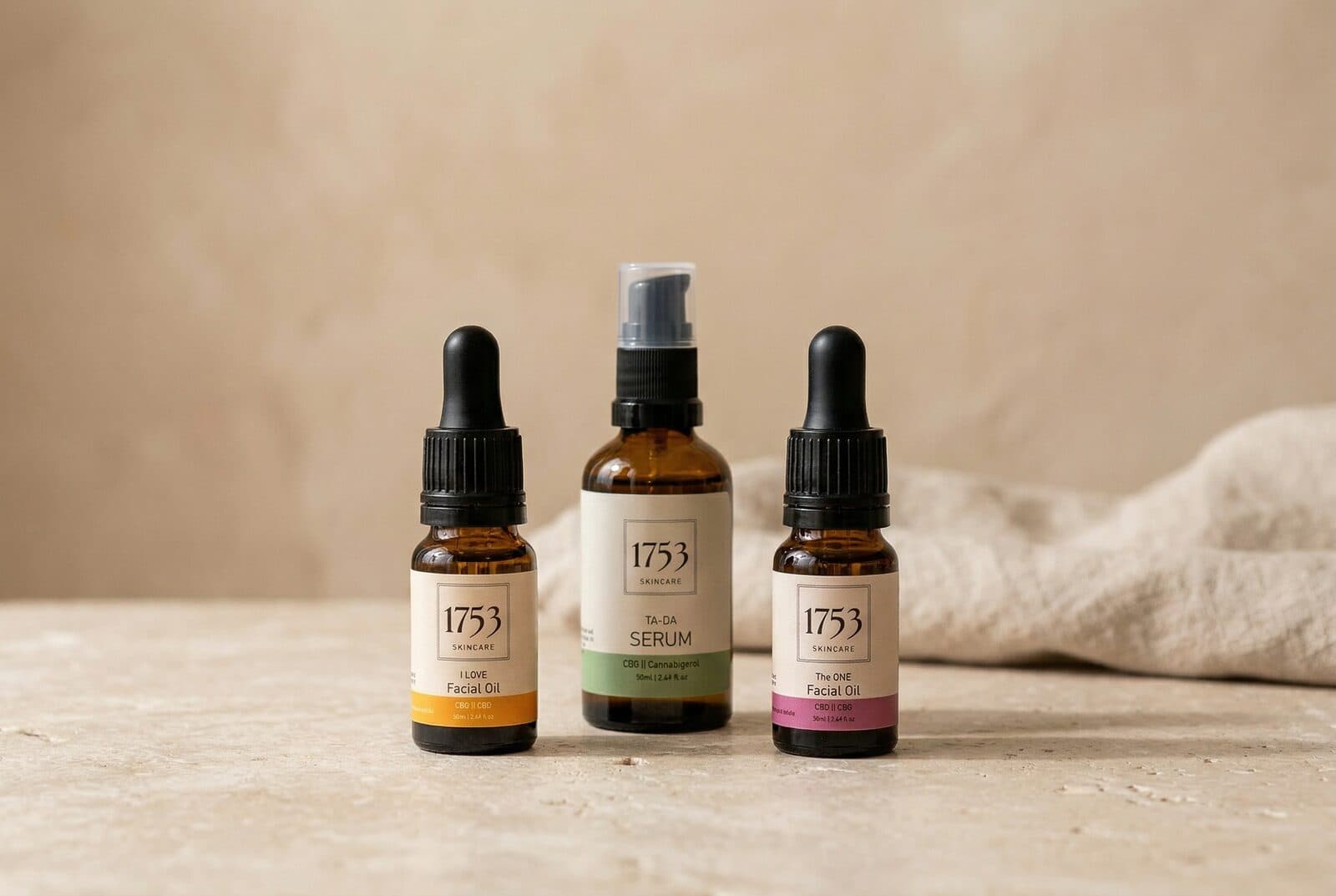
 Save €60
DUO kit + TA-DA Serum
The full routine in one: three products that help skin become calmer, stronger and more resilient.
TA-DA Serum
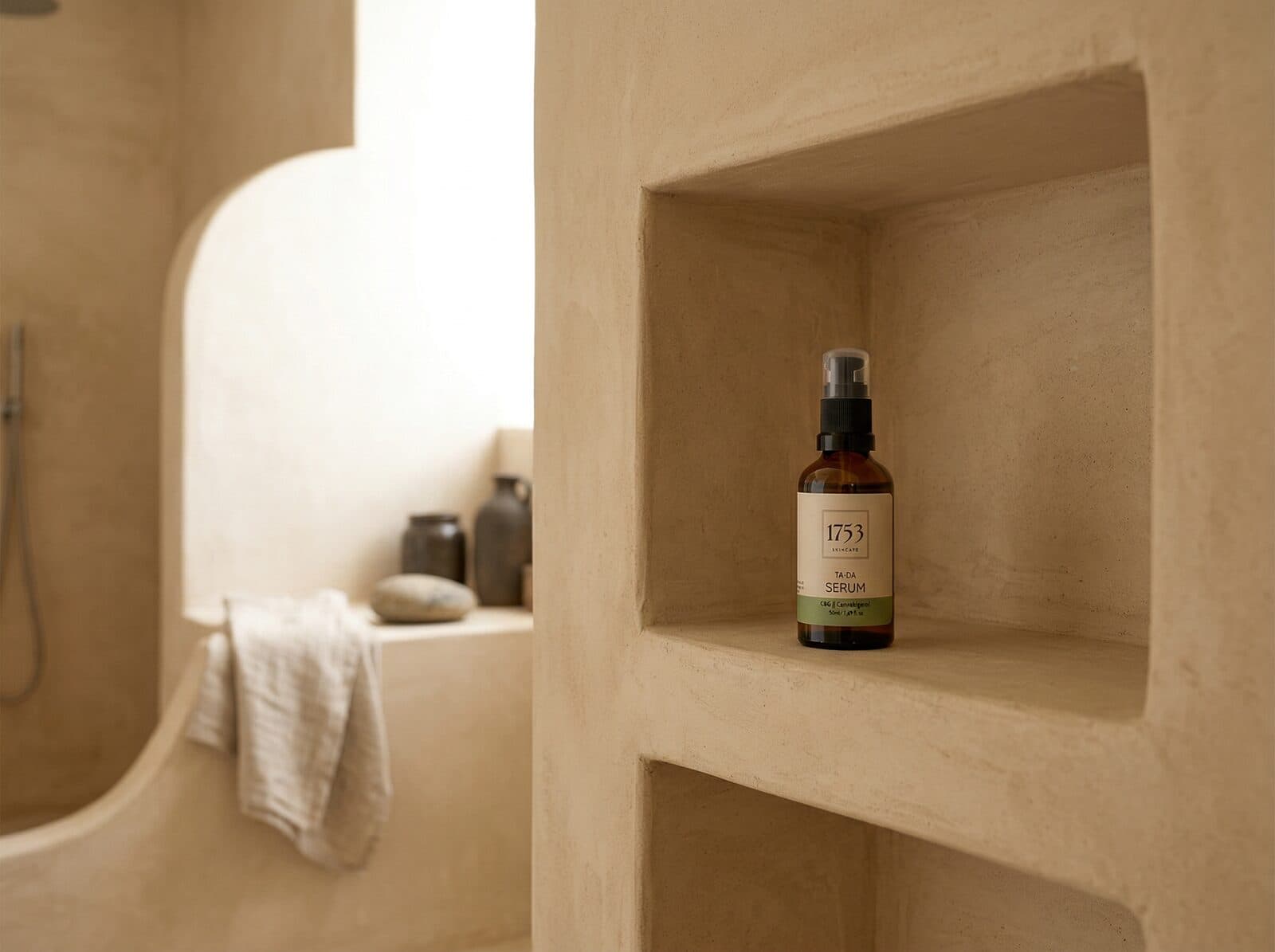
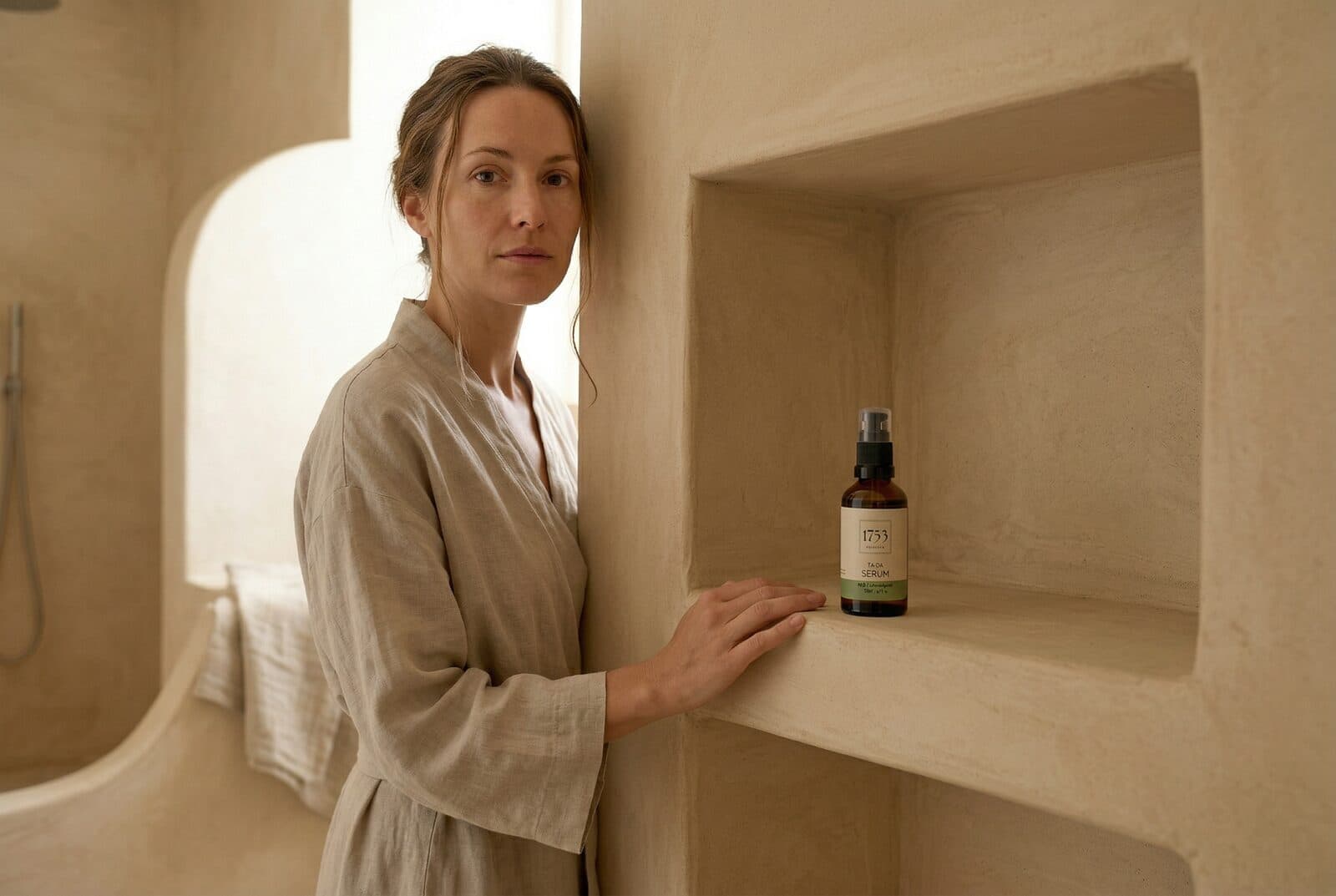
A CBG-powered serum that seals in moisture and adds glow, whatever the season.
Frequently asked questions
Is face oil always better than cream?
No. Oil is often better when you want to reduce water loss and keep the routine simple, but cream or emulsion is better when skin also needs water. The skin situation decides, not the trend.
Can I use oil under makeup?
Yes, if it sits well and does not make your base too shiny. Many people find that a thin layer works better than a rich cream under a makeup-layer. Test it in the morning, not right before you leave.
What does occlusive mean?
It means the product helps slow water evaporation from the skin. It does not create moisture from nowhere, but it can help skin hold on to what it already has. That is why oils and richer creams feel so protective.
When is cream better than oil?
When skin feels tight, flaky or genuinely thirsty. In that case, an emulsion can give both water and a protective layer, which is often more effective than oil alone. Especially in winter or after over-cleansing.
Sources
- Oláh A, Tóth BI, Borbíró I, et al. Cannabidiol exerts sebostatic and antiinflammatory effects on human sebocytes. J Clin Invest 2014;124(9):3713–3724.
- Tóth KF, Ádám D, Bíró T, Oláh A. Cannabinoid signaling in the skin: therapeutic potential of the c(ut)annabinoid system. Molecules 2019;24(5):918.
Article reviewed by Christopher Genberg, founder of 1753 SKINCARE.
Related articles
COMPARISON
cbd vs retinol – same conversation, different jobs
CBD and retinol are often grouped together, but they do not behave the same way. Retinol pushes cell...
Comparison
cbd vs hyaluronic acid – hydration or calm?
This is not a fight between two good ingredients. Hyaluronic acid draws water in. CBD works more aro...
COMPARISON
cbd vs niacinamide – two ways to less shine
If your skin is oily but also easily irritated, it is easy to get stuck between two classics: cbd vs...
Ingredient Portrait
cbd for skin – less noise, more balance
CBD for skin is interesting because it doesn’t try to bully the skin into behaving. It works with th...
Ingredient Portrait
cbg for skin – the mother cannabinoid that calms and renews
CBG usually lives in CBD’s shadow, but skin can tell the difference. This is the cannabinoid that ma...
Ingredient Portrait
Shea butter skin – rich, warm, not for everyone
Shea butter is one of skincare’s most loved butters, and one of the most misunderstood. It comes fro...