
Life Stage
Postpartum skin changes – when your body shifts gears
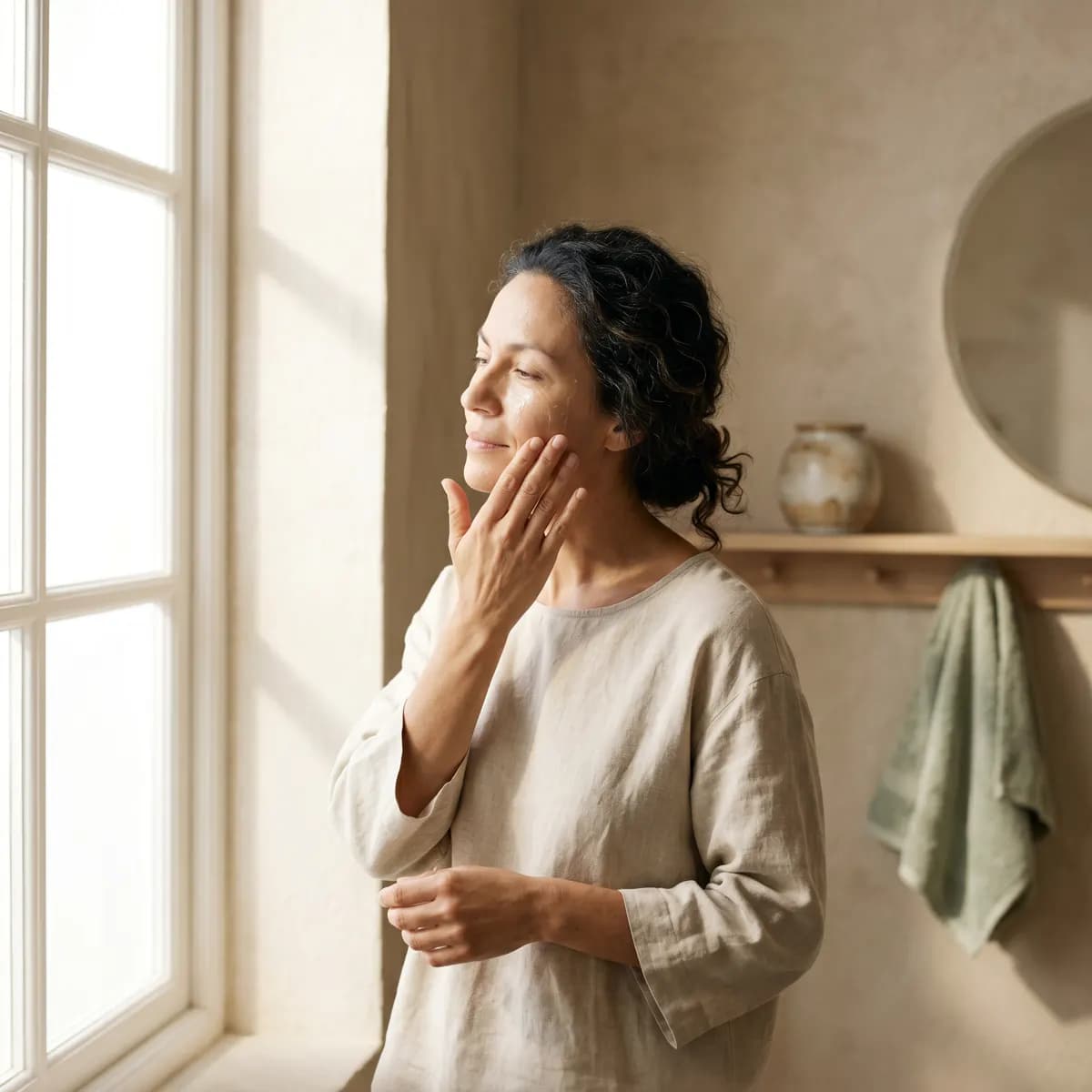
After birth, everything can feel slightly out of rhythm: hormones drop, sleep gets chopped up, and your skin suddenly needs more support than before. Dry patches, redness, spots, or a shower drain full of hair can all show up at once. That doesn’t mean your skin has failed – it means your body is recalibrating.

Why does postpartum skin feel so unpredictable?
After delivery, estrogen and progesterone fall quickly, and that hormonal crash can change sebum output and barrier function. Skin may feel dry, sensitive, congested, or oddly both oily and tight. Add breastfeeding, broken sleep, and the mental load of new parenthood, and even simple skincare can start to feel like too much.
The shedding many people notice is often called telogen effluvium. In plain terms, more follicles than usual shift into the resting phase after a trigger like childbirth, stress, or sleep deprivation. Research consistently links these triggers to temporary hair shedding, which is uncomfortable but usually part of a body-wide reset.
Mainstream skincare loves to prescribe stronger exfoliation and more “fixes” when skin is already stressed. But postpartum skin often needs the opposite: fewer steps, less friction, and formulas that respect real life. If you’re breastfeeding and running on fragments of sleep, your routine should be something you can actually repeat, not a second job.
Practical ways to make it easier
Cut the routine down
Use only the steps you can keep up with on your worst day. A gentle cleanse, one calming treatment, and a moisturising oil can be more effective than a shelf full of half-used products.
Choose breastfeeding-safe
In the breastfeeding phase, simpler often feels better. Pick products you can trust without overthinking every ingredient label, so your brain gets a break too.
Seal in moisture fast
Apply skincare straight after washing while the skin is still slightly damp. That small timing change can help more with postpartum tightness than adding another active.
Treat shedding gently
Telogen effluvium can look dramatic, but it’s usually temporary. Keep hair handling soft, avoid aggressive styling, and remember that the shed is often a phase, not a permanent change.
Support the whole body
When hormones are swinging and sleep is broken, skin stress is rarely only skin-deep. A simple oral support can fit the bigger picture without adding complexity to your day.
How to actually get it under control
Postpartum skin usually responds best to calm, not correction. That’s where Au Naturel Makeup Remover makes sense: a gentle MCT oil cleanse that lifts the day off the skin without turning cleansing into a battle. It’s especially useful when your barrier already feels fragile.
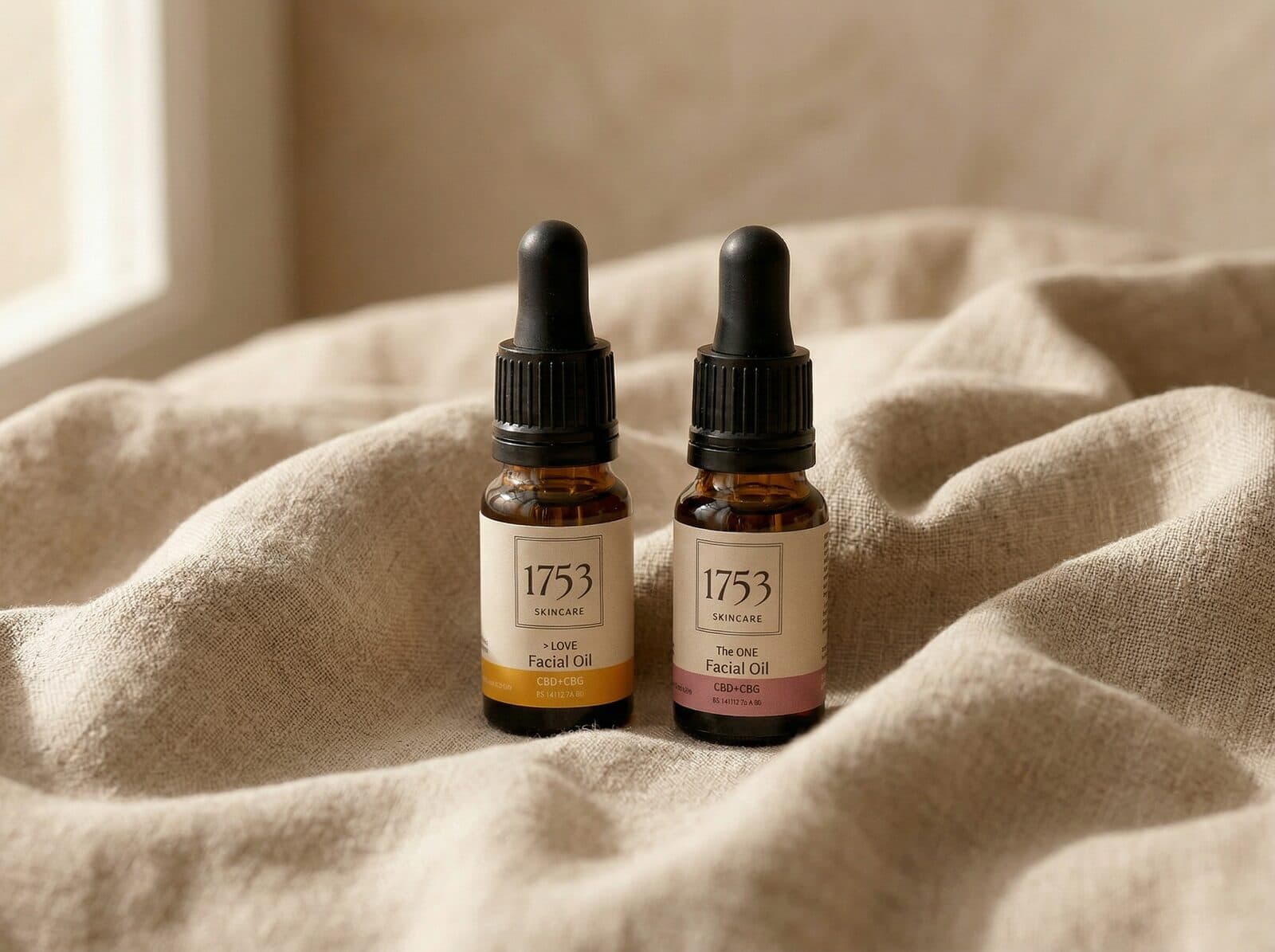
For day-to-day balance, The ONE and I LOVE work well as a DUO when your skin keeps changing its mind. The CBD face oil and CBG serum are easy to adjust between drier, more reactive, or breakout-prone days. If you want a bit more support for glow and resilience, Ta-DA serum fits naturally into the same no-nonsense routine.
And when the whole system feels drained by hormones and sleep loss, Fungtastic Mushroom Extract can be an uncomplicated oral support. Not a miracle, not a fuss, just a practical way to support the body while it finds its footing again. That’s the point: less pressure, more recovery space.
Products we recommend
 Save €34
DUO kit
Two face oils, one for morning and one for evening. Simple skincare that works with your skin, not against it.
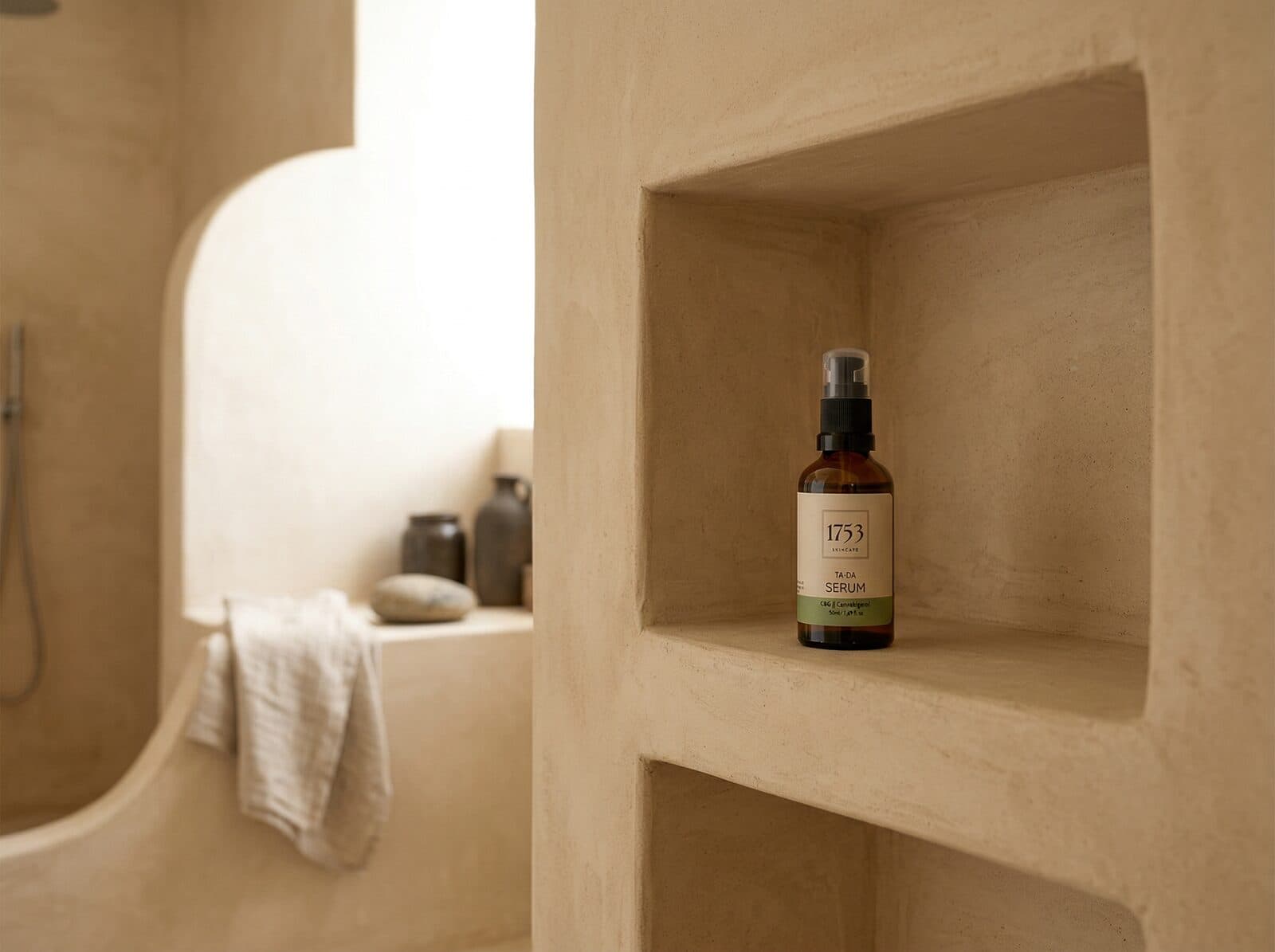
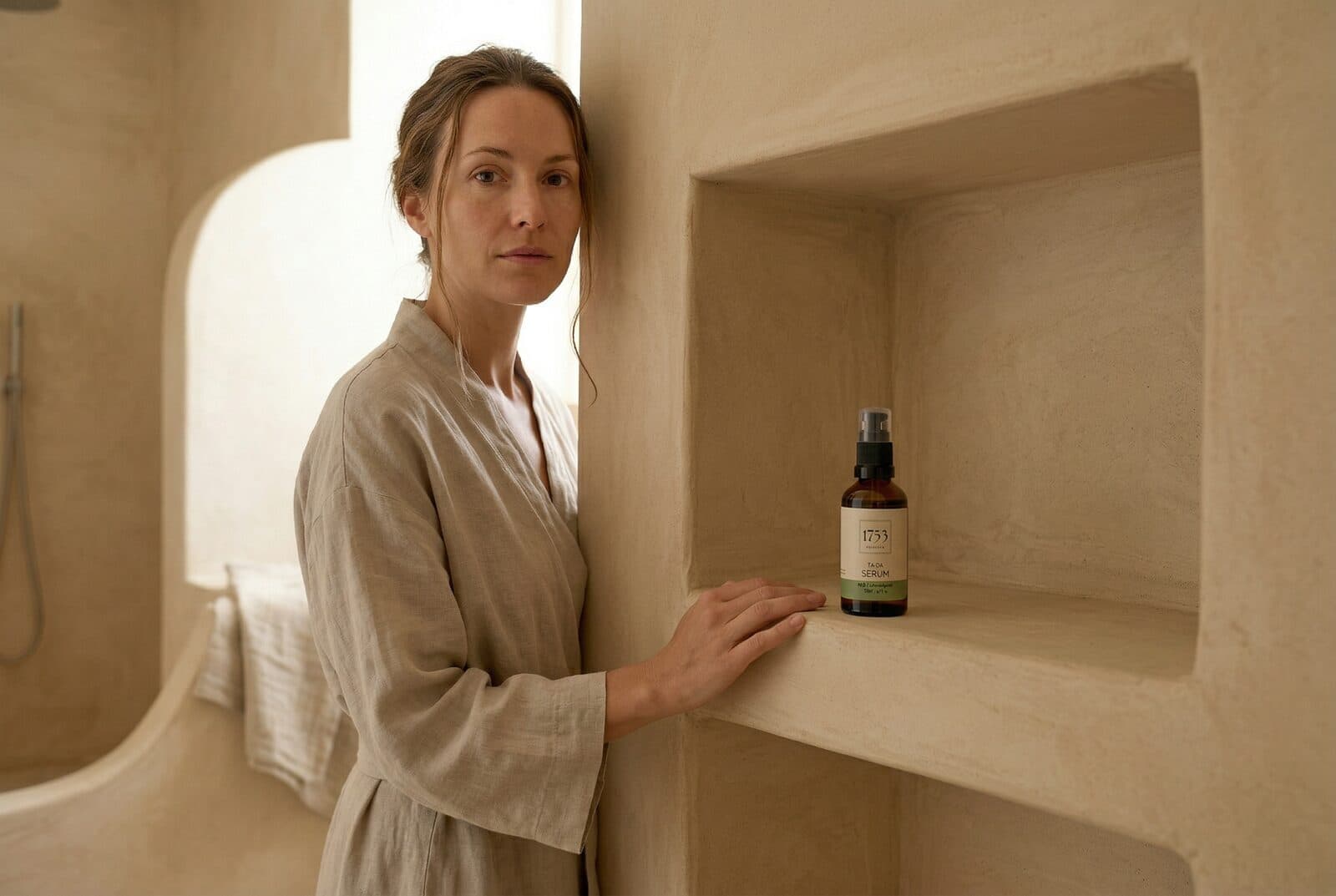
TA-DA Serum
A CBG-powered serum that seals in moisture and adds glow, whatever the season.
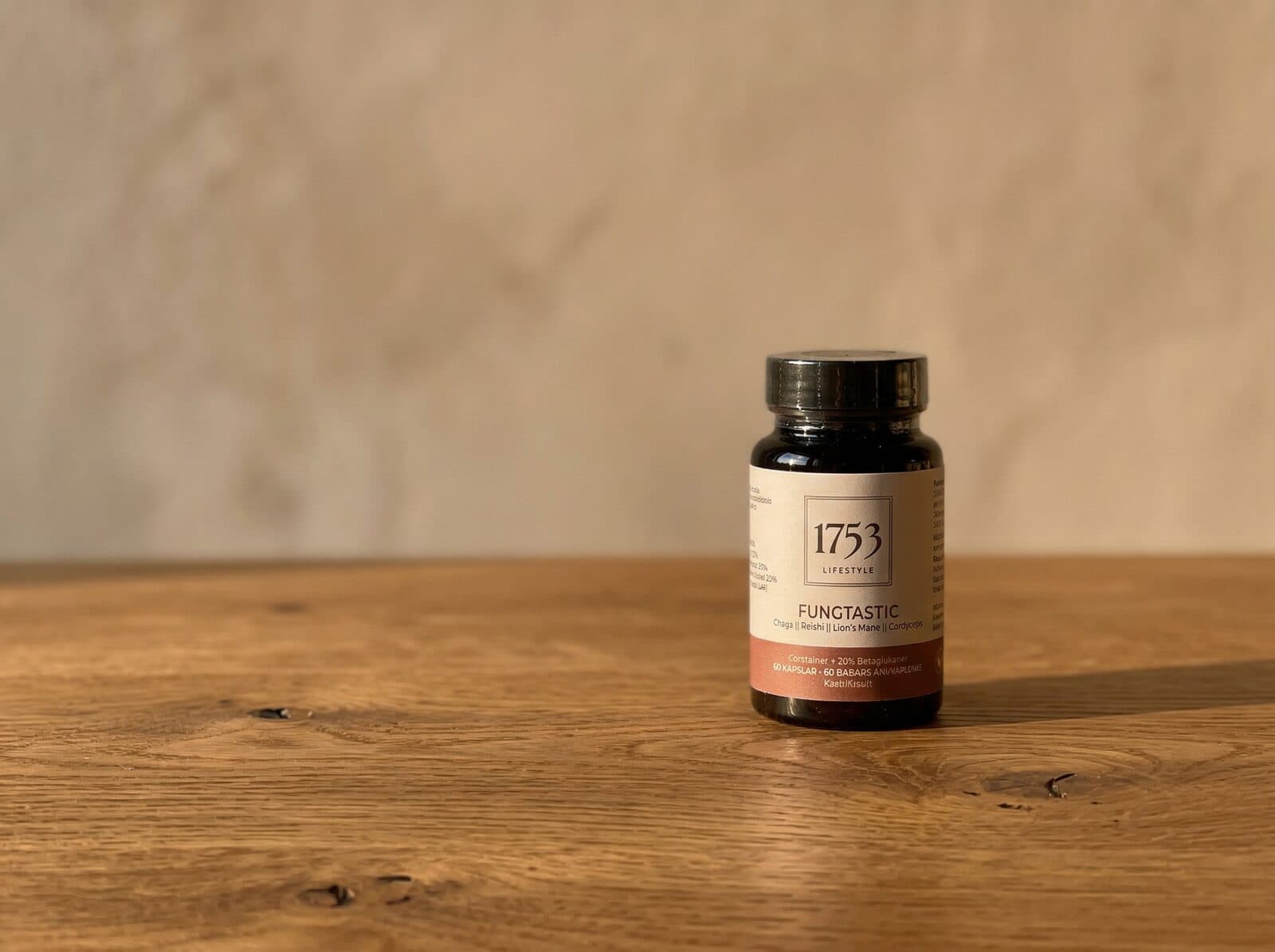
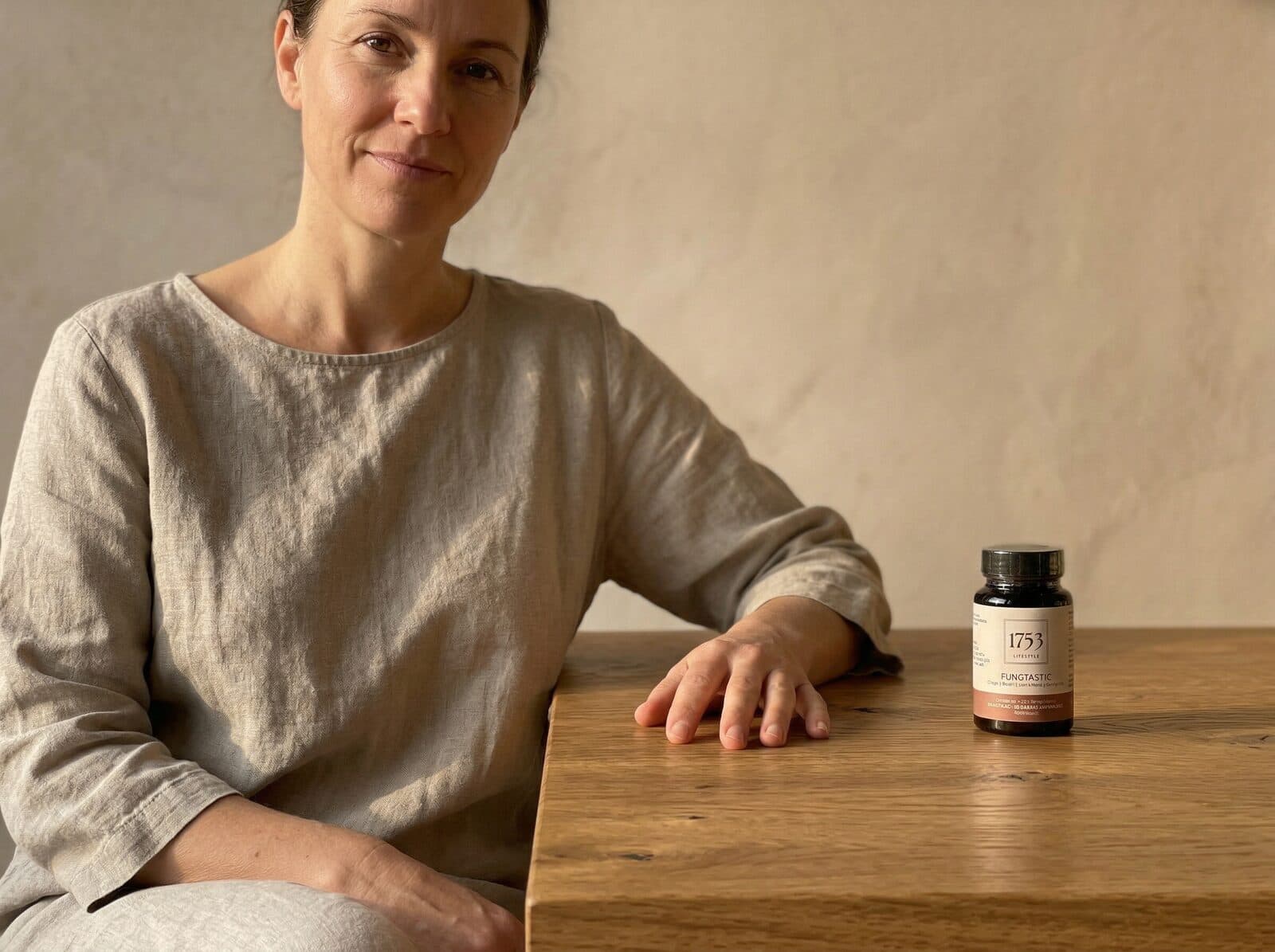
Fungtastic Mushroom Extract
Four mushrooms in one formula to support immunity, focus, energy and sleep from within.
Frequently asked questions
Are postpartum skin changes normal?
Yes. They’re common because hormone levels shift quickly after birth and sleep is often disrupted. Skin can become drier, more reactive, or more breakout-prone for a while.
Why am I losing hair after pregnancy?
It’s usually telogen effluvium, a temporary shedding phase triggered by childbirth and the hormone crash that follows. It can look intense, but it often settles as your body rebalances.
Is gentle skincare enough while breastfeeding?
Often, yes. During breastfeeding, a simple and gentle routine is usually the smartest move because skin is more likely to need support than correction.
Do I need actives to fix postpartum skin?
Not necessarily. When skin is stressed, aggressive actives can make it feel worse. Many people do better with barrier support, fewer steps, and a routine they can keep doing.
Sources
- Zouboulis CC, Makrantonaki E. Hormonal therapy of intrinsic aging. Rejuvenation Res 2012;15(3):302–312.
- Raghunath RS, Venables ZC, Millington GWM. The menstrual cycle and the skin. Clin Exp Dermatol 2015;40(2):111–115.
Article reviewed by Christopher Genberg, founder of 1753 SKINCARE.
Related articles
Life Stage
Skincare in your 20s – build the skin before it starts complaining
In your twenties, skin can look fine on the surface while quietly learning its habits. The barrier, ...
Life Stage
Skincare in your 30s – when the rules start changing
In your 30s, your skin often starts acting a little differently. Collagen production slows down, hor...
Life Stage
Skincare in your 40s – when the rules change
In your 40s, your skin often changes faster than your routine. Estrogen starts to drop, the barrier ...
Wellness
Sleep skin connection – when the night does the work
Beauty sleep is not a cliché. While you sleep, cortisol drops, growth hormone rises and the body get...
Wellness Axis
Gut skin connection – when the gut shows on your face
Your skin is not a separate island. It listens to your gut, your stress, and the state of your intes...
WELLNESS
Stress skin – when your body hits the alarm button
You usually feel it before you can explain it: redness, tightness, stinging, or a psoriasis flare th...