
Wellness
Dairy skin – when what you eat shows up on your face
Some skin gets calmer when dairy disappears. Other skin doesn’t care at all. That’s why blanket advice is weak. This page looks at dairy skin through IGF-1, whey, casein and your own tolerance – not through skincare folklore.

Is it really dairy – or how your body handles it?
There is a plausible biological reason dairy can affect acne in some people: IGF-1, insulin and downstream signals that influence sebum production and skin-cell turnover. Whey, especially in large amounts or in protein shakes, can push insulin and IGF-1 more than people expect.
Casein is not the same as whey, and that matters. Two people can eat the same yogurt or cheese and have totally different skin outcomes depending on stress, sleep, hormones and how sensitive their skin is to the insulin/IGF-1 axis. The research does not support a simple “dairy causes acne” slogan; it points to individual tolerance.
So no, you do not need to become a suspicious monk. But you do need a smarter test. If your skin flares after breakfast, post-workout shakes or late-night cheese, that is worth exploring. The question is not whether dairy is “bad” – it is what your skin does with it.
How to test your tolerance
Run a 14-day test
Cut obvious dairy sources for two weeks: milk, skyr, whey, ice cream. Track three things every night: new inflamed spots, oiliness and redness. That tells you more than a hunch ever will.
Start with whey
If you use protein shakes, pause whey first. Whey is often the most “hormonal” dairy piece in practice because it can trigger a stronger insulin response. Don’t change everything at once if you want a clear answer.
Watch the timing
Avoid a suspected trigger late at night if your sleep is already poor. The HPA axis and sleep deprivation make skin more reactive, so the same cheese plate at 10 pm can hit differently than at noon.
Compare cheese and yogurt
Some people react more to milk and whey, others to fermented dairy. Try one type at a time for a week and ask: are breakouts deeper, more frequent, or just shinier?
Track the delay
Note whether spots show up 24–72 hours after dairy, not just the same day. Acne is often delayed, so without a timeline you can easily blame the wrong meal.

How to calm skin without going extreme
If you suspect dairy skin, you do not need perfection; you need less noise. For internal support, Fungtastic is a simple way to back the body without piling on more harsh inputs. For some people, that kind of daily support is exactly what makes skin less reactive.
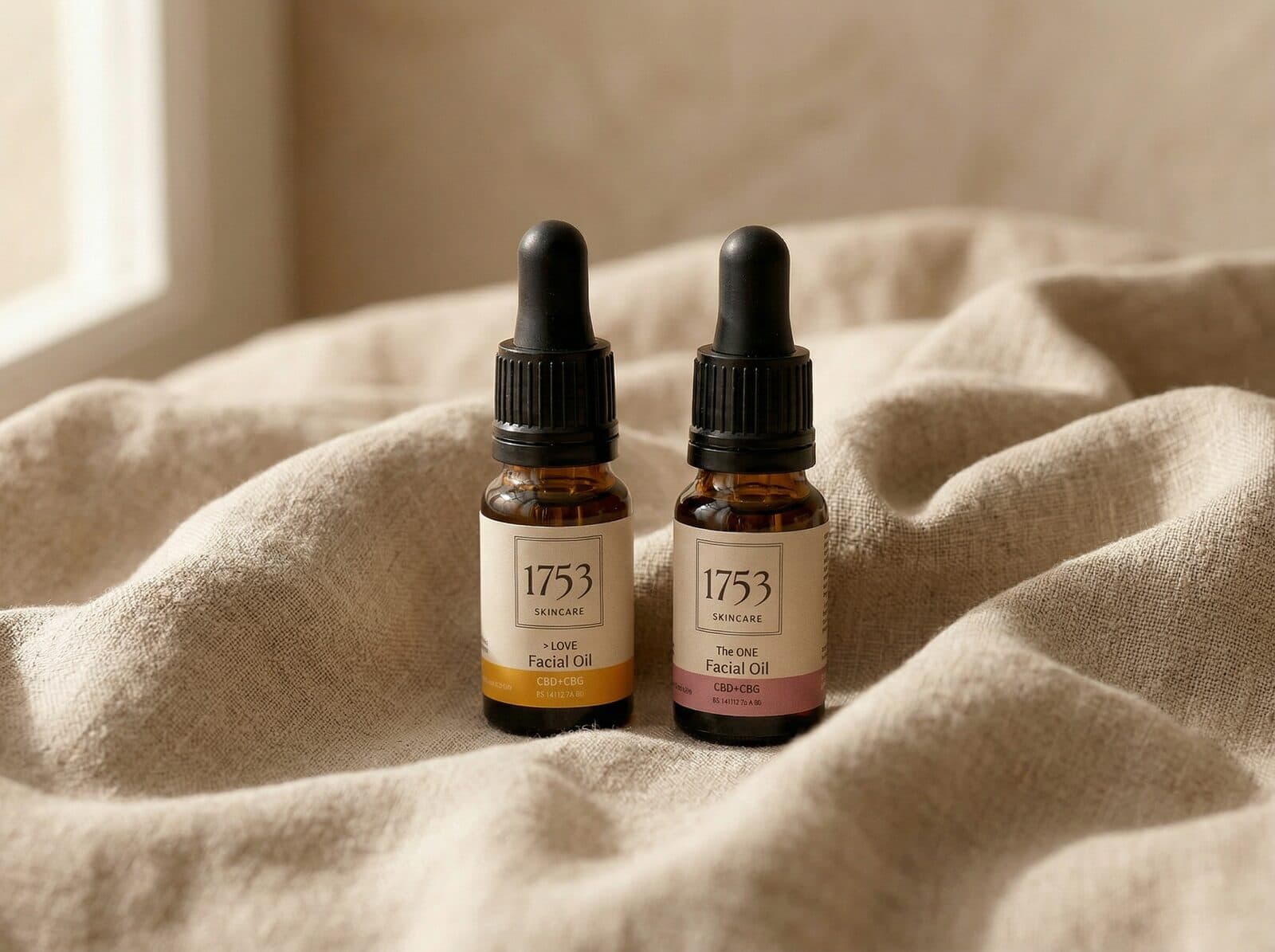
On the outside, the goal is to stop irritating already-stressed skin. The DUO kit with The ONE and I LOVE is made for that: The ONE helps skin stay regulated, while I LOVE acts like the calm hand that says, enough for now. No scrubbing. No overcorrection.
If you want one more layer for skin under pressure, Ta-DA serum is the obvious next step – antioxidant-rich, CBG-based and built for stressed skin without the drama. It is not a reason to keep eating whatever you want. It is a way to give your skin better conditions while you find your personal dairy threshold.
Products we recommend
 Save €34
DUO kit
Two face oils, one for morning and one for evening. Simple skincare that works with your skin, not against it.
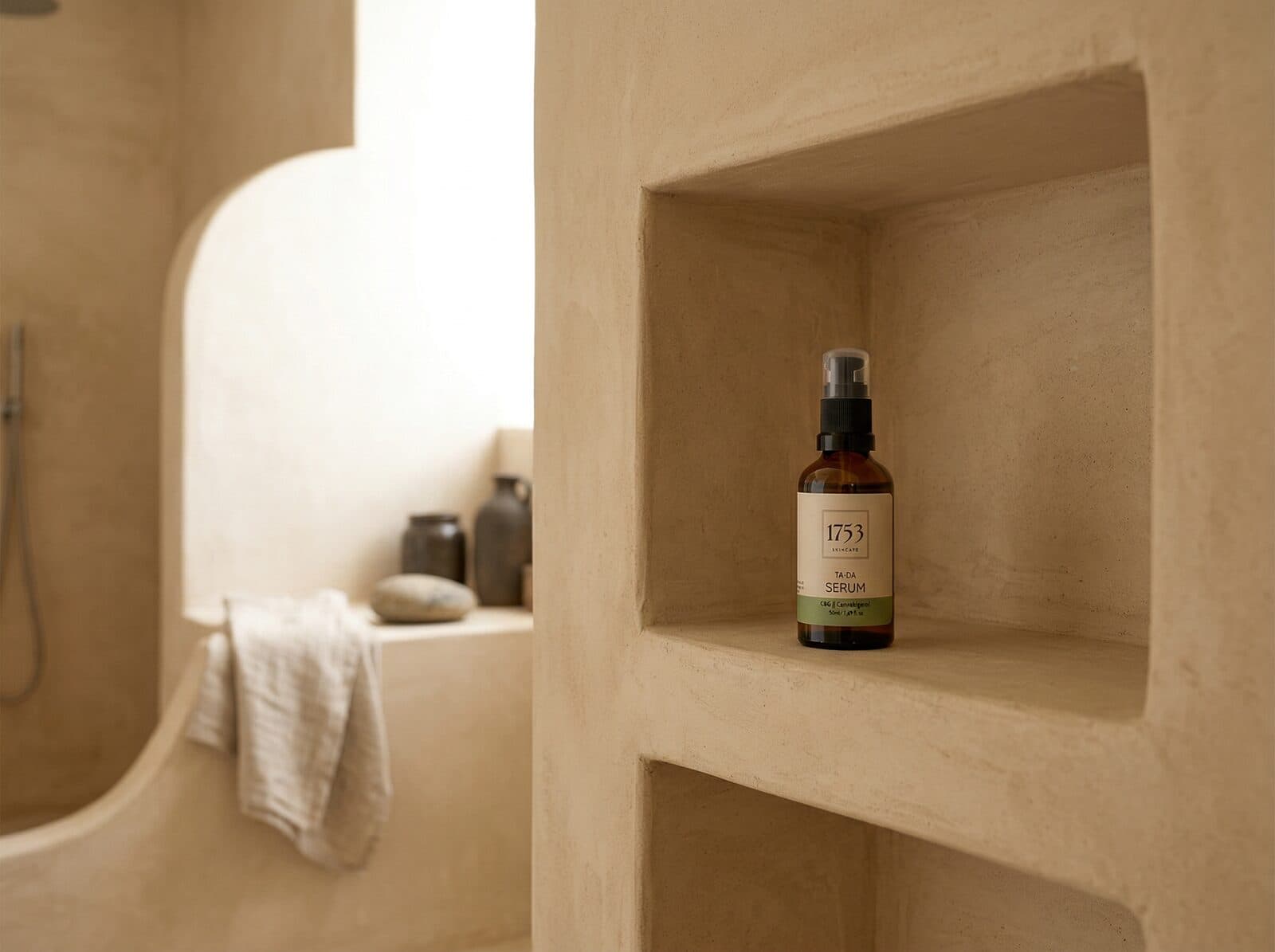
TA-DA Serum
A CBG-powered serum that seals in moisture and adds glow, whatever the season.
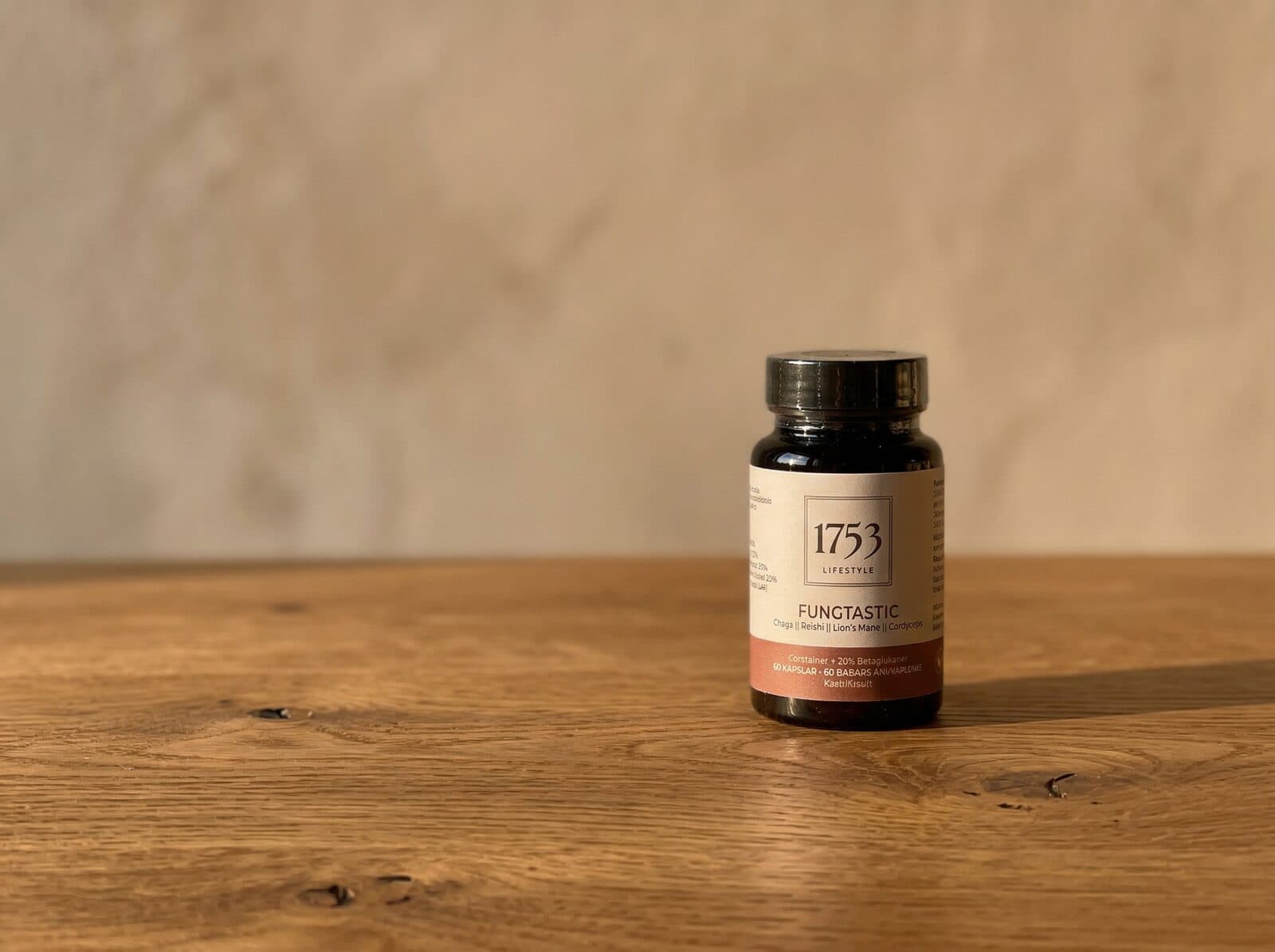

Fungtastic Mushroom Extract
Four mushrooms in one formula to support immunity, focus, energy and sleep from within.
Frequently asked questions
Do I need to quit all dairy if I get acne?
No, not automatically. Start by identifying what you actually react to: whey, milk, skyr, or just large amounts and late-night portions. Individual tolerance matters more than blanket rules.
Is whey worse than casein?
For many people, yes, but not everyone. Whey can drive a stronger insulin and IGF-1 response, while casein may be subtler. The useful move is to test them separately instead of lumping them together.
Can stress make dairy reactions worse?
Absolutely. The HPA axis affects how skin responds to inflammation and hormonal swings. If you are sleeping badly and running on caffeine, the same cheese can be more problematic than during a calm week.
How long until I see a difference?
Give it at least 2–4 weeks to spot a pattern, ideally with notes. Acne is often delayed, so one meal tells you very little. Look for trends, not drama.
Sources
- Chen Y, Lyga J. Brain-skin connection: stress, inflammation and skin aging. Inflamm Allergy Drug Targets 2014;13(3):177–190.
- Walker MP, van der Helm E. Overnight therapy? The role of sleep in emotional brain processing. Psychol Bull 2009;135(5):731–748.
- Katta R, Desai SP. Diet and Dermatology: The Role of Dietary Intervention in Skin Disease. J Clin Aesthet Dermatol 2014;7(7):46–51.
Article reviewed by Christopher Genberg, founder of 1753 SKINCARE.
Related articles
Wellness
Sleep skin connection – when the night does the work
Beauty sleep is not a cliché. While you sleep, cortisol drops, growth hormone rises and the body get...
Wellness Axis
Gut skin connection – when the gut shows on your face
Your skin is not a separate island. It listens to your gut, your stress, and the state of your intes...
WELLNESS
Stress skin – when your body hits the alarm button
You usually feel it before you can explain it: redness, tightness, stinging, or a psoriasis flare th...
Lifestyle
Perimenopause and skin – when everything shifts at once
One day your skin feels drier, thinner and suddenly touchy. Adult acne may show up, fine lines look ...
Cyclic Skincare
Menstrual Cycle and Skin – why one routine doesn’t fit all
Your skin doesn’t run on a fixed schedule; it runs with your body. Across the menstrual cycle, hormo...
Postpartum Skin
Postpartum skin – why it changes so much
After pregnancy, skin can feel like it belongs to someone else. Hormones drop, sleep gets broken, an...