
WELLNESS
Meditation skin – calm you can see
Your skin pays attention to more than creams. When the nervous system comes down a notch, inflammation markers can ease, and that often shows up as less redness, less reactivity and a steadier skin tone. This is not wellness fluff – it is biology you can notice.
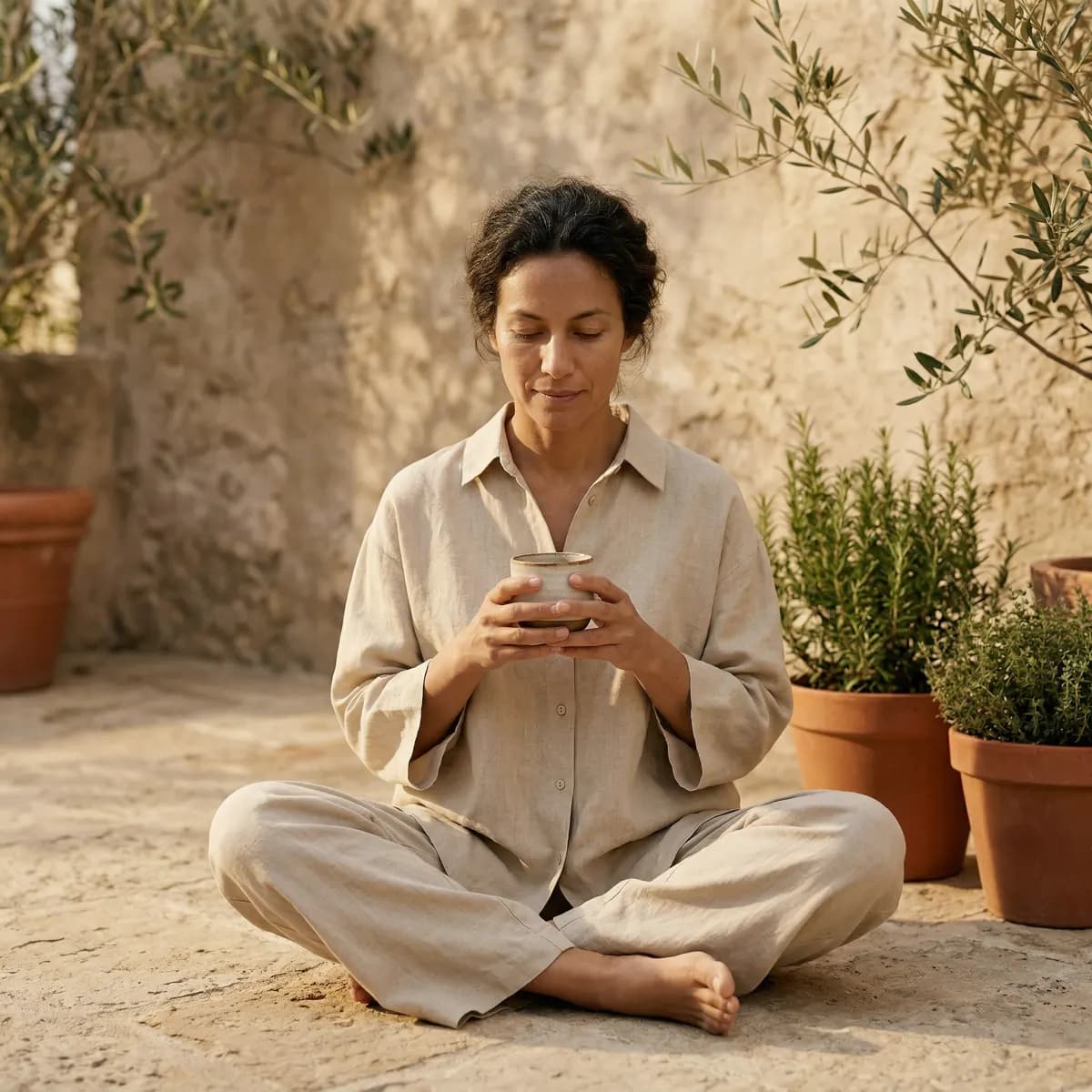
Why does skin act up when you are stressed?
When life stays on high alert, the HPA axis keeps the body in a constant readiness state. Cortisol, adrenaline and a stressed immune response can make skin more reactive, and research links chronic stress with higher inflammation and weaker barrier function.
That is why meditation skin is more than a buzzword. Studies on mindfulness and meditation often show improved HRV, which points to better vagal tone and a more adaptable nervous system. When the vagus nerve has more room to do its job, the body can move out of alarm more easily, and inflammation markers such as CRP and IL-6 often trend in a better direction.
Mainstream skincare loves to tell you to scrub, exfoliate and “treat” your skin harder when it is already irritated. But if your face turns red from almost everything, the real question is not which acid you are missing. It may be how much stress your skin is carrying right now.
How to test calm, not guess it
Breathe before coffee
Sit for 10 minutes at 7:00 a.m. and breathe through your nose, with a longer exhale than inhale. Then notice whether your skin feels less tight and whether your pulse settles faster after getting up.
Track your HRV
Use a simple app or wearable for three mornings in a row before caffeine. If HRV stays low, it often signals a nervous system that needs less stimulation, not more actives.
Try an evening reset
Turn off screens 60 minutes before bed and watch whether you wake up less puffy. Ask yourself: does my skin look calmer when sleep starts earlier?
Stabilize your lunch
Put protein first on the plate at lunch, ideally around 12:00, and see whether afternoon redness or breakouts ease. Insulin swings can quietly feed inflammation.
Move gently every day
A 20–30 minute walk after dinner can help glucose control and downshift stress. It is not magic, just a way to give the vagus nerve a quieter job.

How to calm skin from both sides
If you want to work smart with meditation skin, you need to think from the inside out and the outside in. Fungtastic supports the body internally with mushrooms that make sense in a life where stress, sleep and recovery actually matter. It is a practical way to give the system a better baseline instead of chasing symptoms.
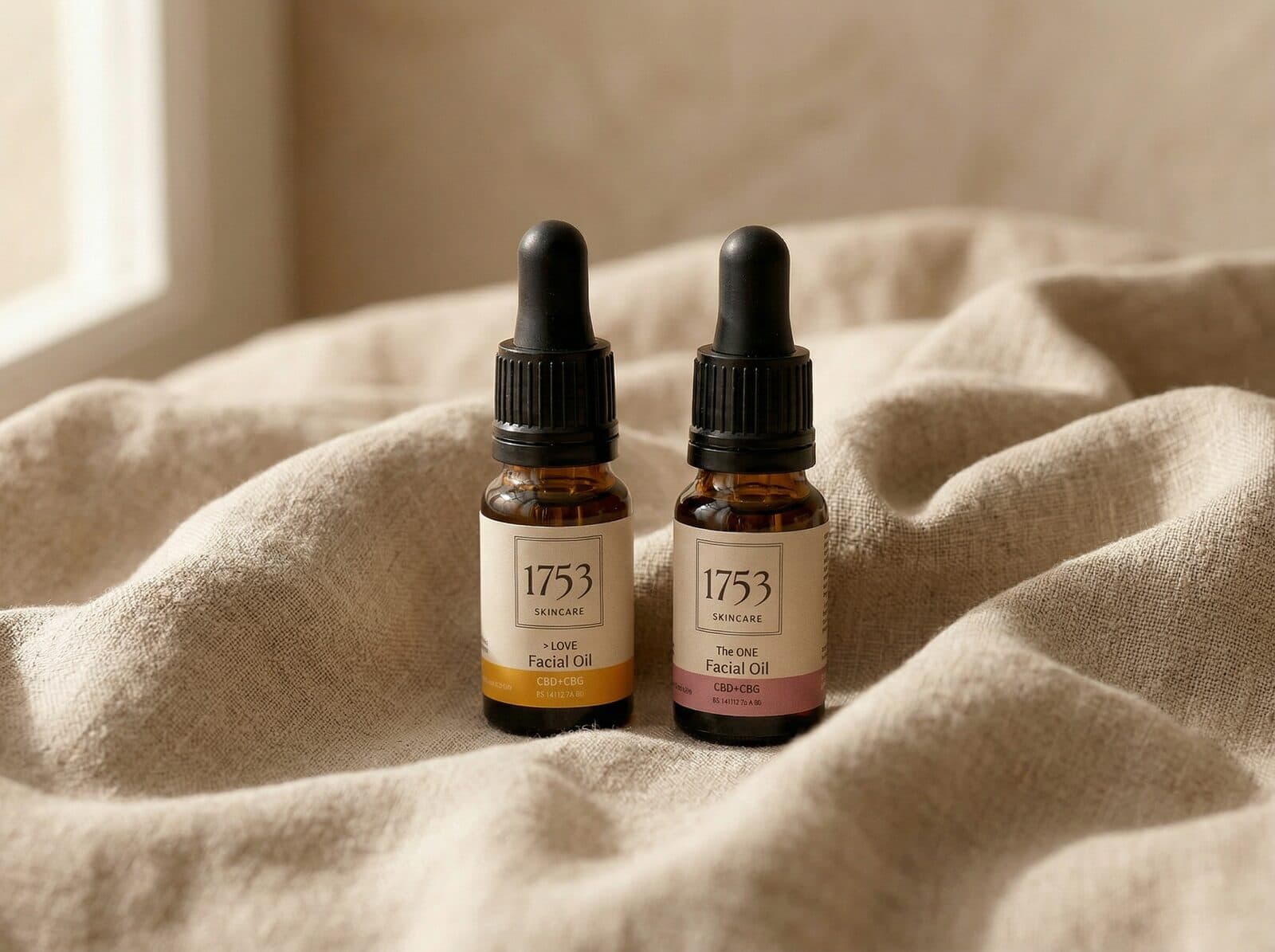
On the skin, the DUO kit with The ONE and I LOVE is the obvious move when you want less irritation without overdoing it. The ONE helps skin feel more regulated, while I LOVE with CBG serum is made to calm and support skin that gets triggered easily. Together it feels less like “more skincare” and more like stopping the fight with your face.
If you want an extra antioxidant step, Ta-DA serum fits naturally, especially when skin is shaped by stress, city air and late nights. The point is simple: meditation, better HRV and lower inflammation markers do the inner work, while 1753 products help the skin meet that calmer state without unnecessary drama.
Products we recommend
 Save €34
DUO kit
Two face oils, one for morning and one for evening. Simple skincare that works with your skin, not against it.
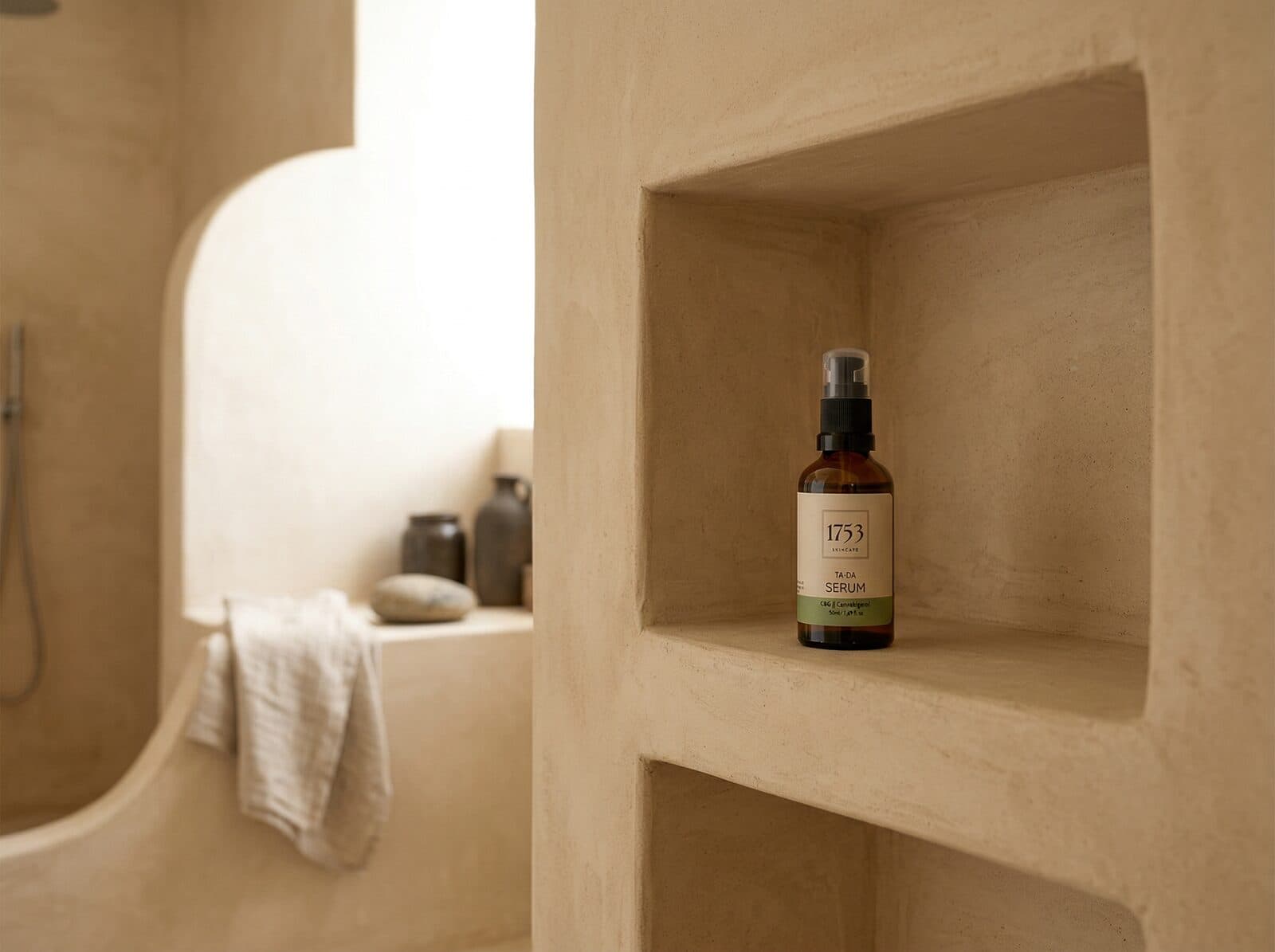
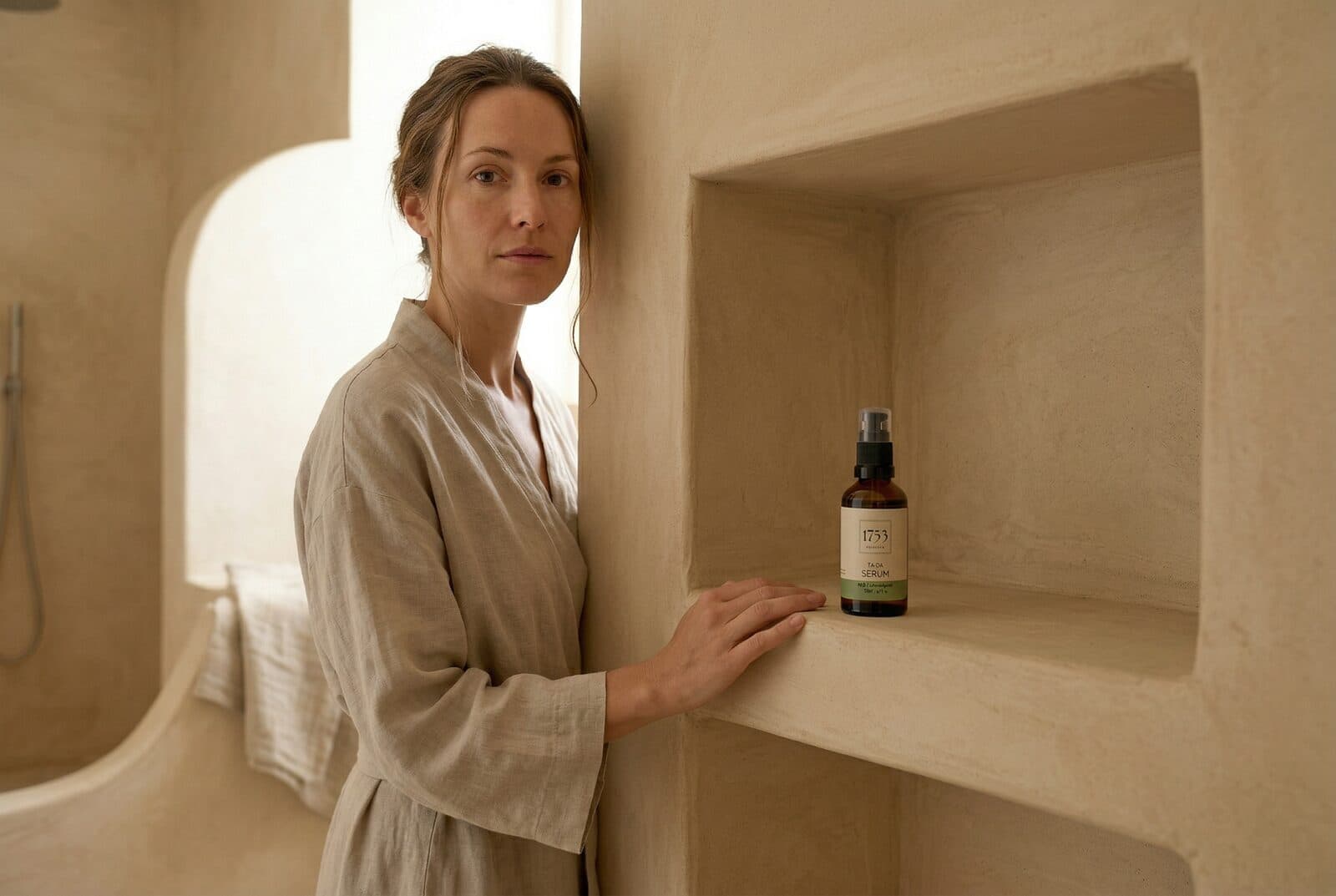
TA-DA Serum
A CBG-powered serum that seals in moisture and adds glow, whatever the season.
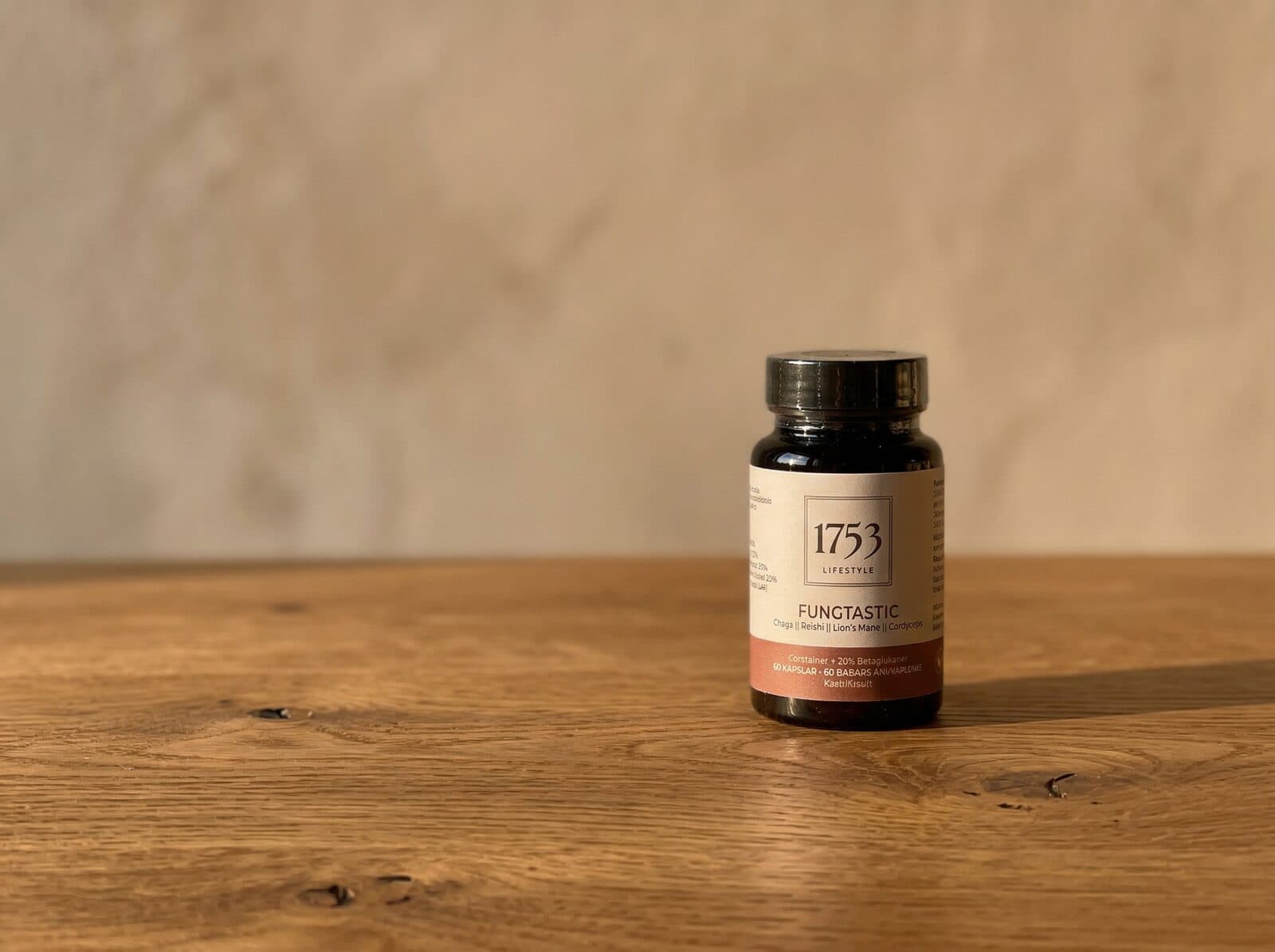
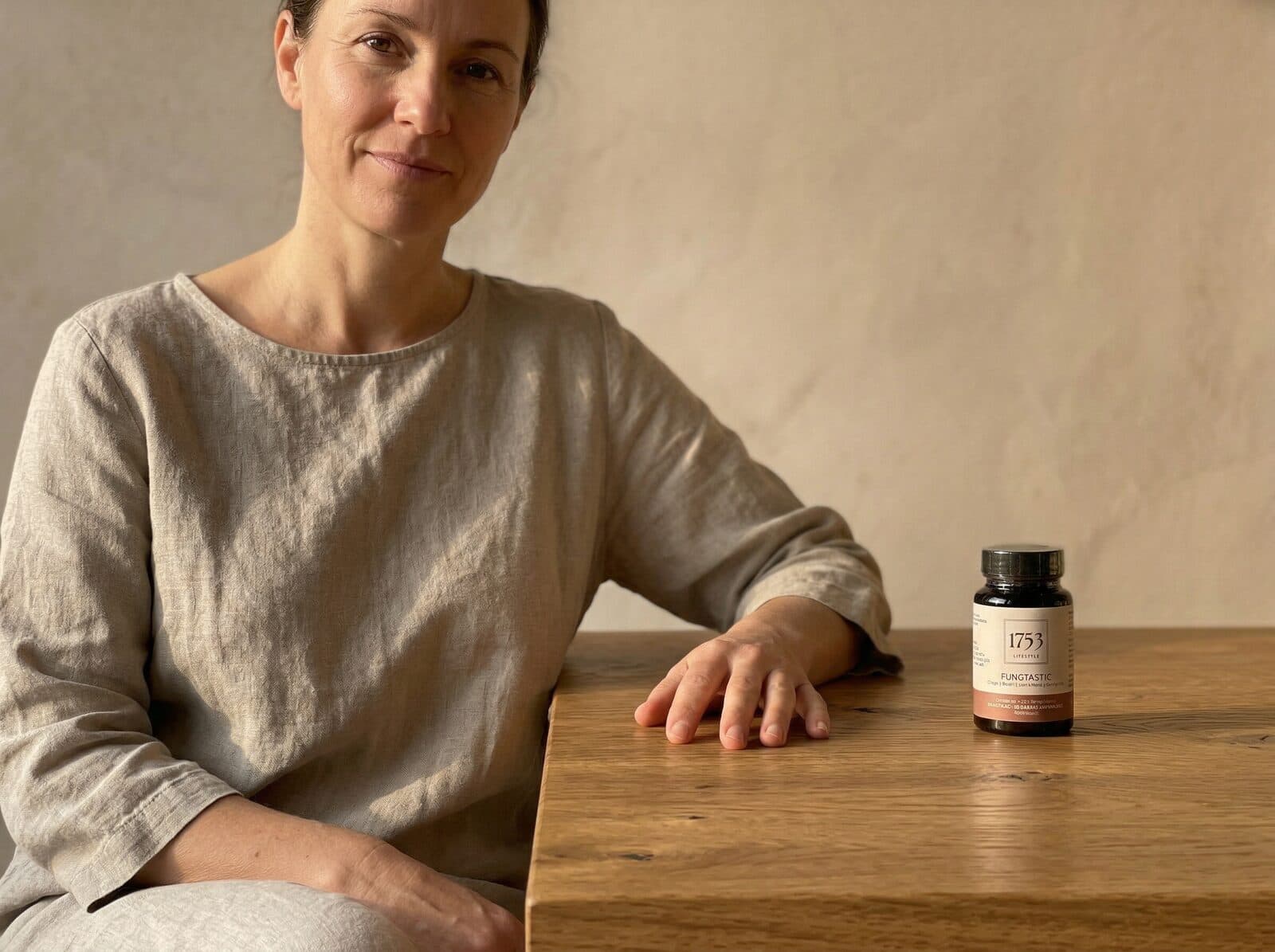
Fungtastic Mushroom Extract
Four mushrooms in one formula to support immunity, focus, energy and sleep from within.
Frequently asked questions
Can meditation really affect skin?
Yes, indirectly through the nervous system. When stress response softens, HRV can improve and inflammation markers may drop, which often shows up as less redness and reactivity. It is not instant, but it is measurable for many people.
How long until I notice a difference?
Some people notice less tension or redness within a few weeks of daily meditation and better sleep. But the skin barrier and inflammation usually need several weeks to shift in a meaningful way.
What matters more: meditation or skincare?
Both, but in the right order. If the nervous system is constantly revved up, even the best skincare becomes a temporary patch. Meditation, sleep and gentle products work best together.
Why mention the vagus nerve so much?
Because the vagus nerve is a major part of the body’s braking system. When it works better, the body can move from stress to recovery more easily, which can affect inflammation, digestion and skin calm.
Sources
- Chen Y, Lyga J. Brain-skin connection: stress, inflammation and skin aging. Inflamm Allergy Drug Targets 2014;13(3):177–190.
- Walker MP, van der Helm E. Overnight therapy? The role of sleep in emotional brain processing. Psychol Bull 2009;135(5):731–748.
- Katta R, Desai SP. Diet and Dermatology: The Role of Dietary Intervention in Skin Disease. J Clin Aesthet Dermatol 2014;7(7):46–51.
Article reviewed by Christopher Genberg, founder of 1753 SKINCARE.
Related articles
Wellness
Sleep skin connection – when the night does the work
Beauty sleep is not a cliché. While you sleep, cortisol drops, growth hormone rises and the body get...
Wellness Axis
Gut skin connection – when the gut shows on your face
Your skin is not a separate island. It listens to your gut, your stress, and the state of your intes...
WELLNESS
Stress skin – when your body hits the alarm button
You usually feel it before you can explain it: redness, tightness, stinging, or a psoriasis flare th...
Lifestyle
Perimenopause and skin – when everything shifts at once
One day your skin feels drier, thinner and suddenly touchy. Adult acne may show up, fine lines look ...
Cyclic Skincare
Menstrual Cycle and Skin – why one routine doesn’t fit all
Your skin doesn’t run on a fixed schedule; it runs with your body. Across the menstrual cycle, hormo...
Postpartum Skin
Postpartum skin – why it changes so much
After pregnancy, skin can feel like it belongs to someone else. Hormones drop, sleep gets broken, an...