
Ingredient Portrait
Magnesium skin – the quiet mineral with a loud effect
Magnesium is not the flashy bottle on the shelf, but skin does not care about hype. It cares about stress, barrier function, inflammation and how well you sleep. That is where magnesium can matter more than people think.
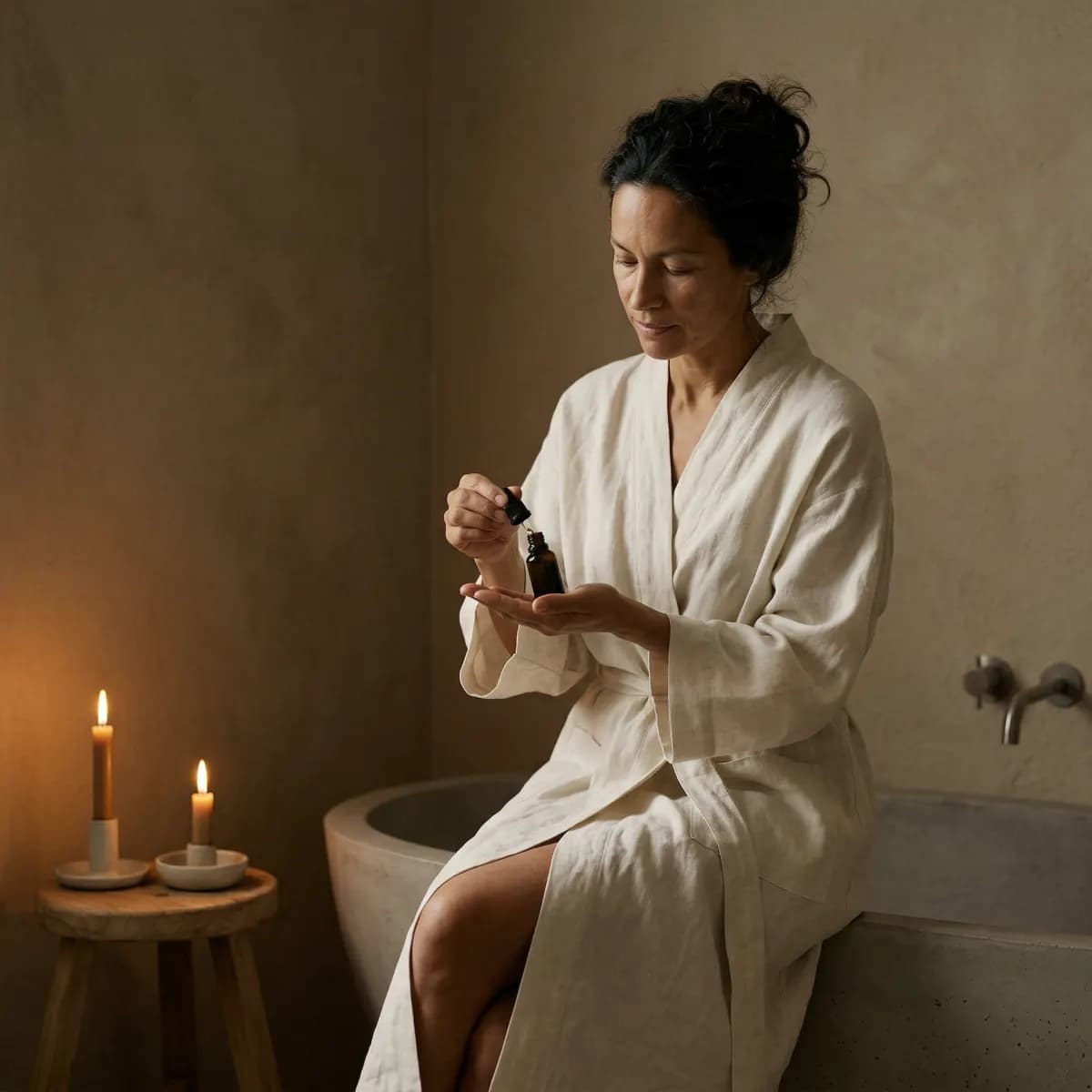
Why does magnesium get so little credit for skin?
Magnesium is an essential mineral involved in hundreds of enzymatic reactions, including processes tied to stress response, muscle tension and tissue recovery. When the body is under pressure, skin often shows it first: more reactivity, more dullness, less resilience.
Mainstream skincare usually goes the wrong way here. We scrub harder, exfoliate more often and stack actives on already stressed skin, when what it often needs is less friction and better support. Research on magnesium and stress suggests the mineral may help with sleep quality and nervous system balance, which can affect skin indirectly through cortisol and recovery.
Transdermal magnesium means using magnesium on the skin. It is not magic, and absorption is debated, but plenty of people find that a bath or oil ritual helps them unwind. For skin, the point is not to replace a routine; it is to reduce the drivers of reactivity in the first place.
How to use magnesium well
Use it at night
A magnesium bath or foot soak 2–4 evenings a week can help your body downshift after a stressful day. Think less performance, more recovery.
Prioritise sleep
Sleep and skin are deeply linked. Better sleep often means less redness, less tightness and a calmer-looking face the next morning.
Make your routine gentler
Swap harsh cleansing and over-exfoliation for a softer routine. Magnesium cannot rescue skin that is constantly being pushed too hard.
Try transdermal calm
If you want to try transdermal magnesium, start slowly and watch how your skin reacts. Use it at night, not on already irritated skin, and keep the rest of the routine simple.
Support the nervous system
Magnesium glycinate is a common supplement form because glycine is gentle and often suited to evening use. The goal is not just relaxed muscles, but less internal tension that can show up on the face.

What actually helps
If you want better skin, start with what drives stress, sleep and tension. A warm magnesium bath in the evening can be a simple signal to the body that it is time to switch off, and that kind of wind-down often shows up in the face the next day.
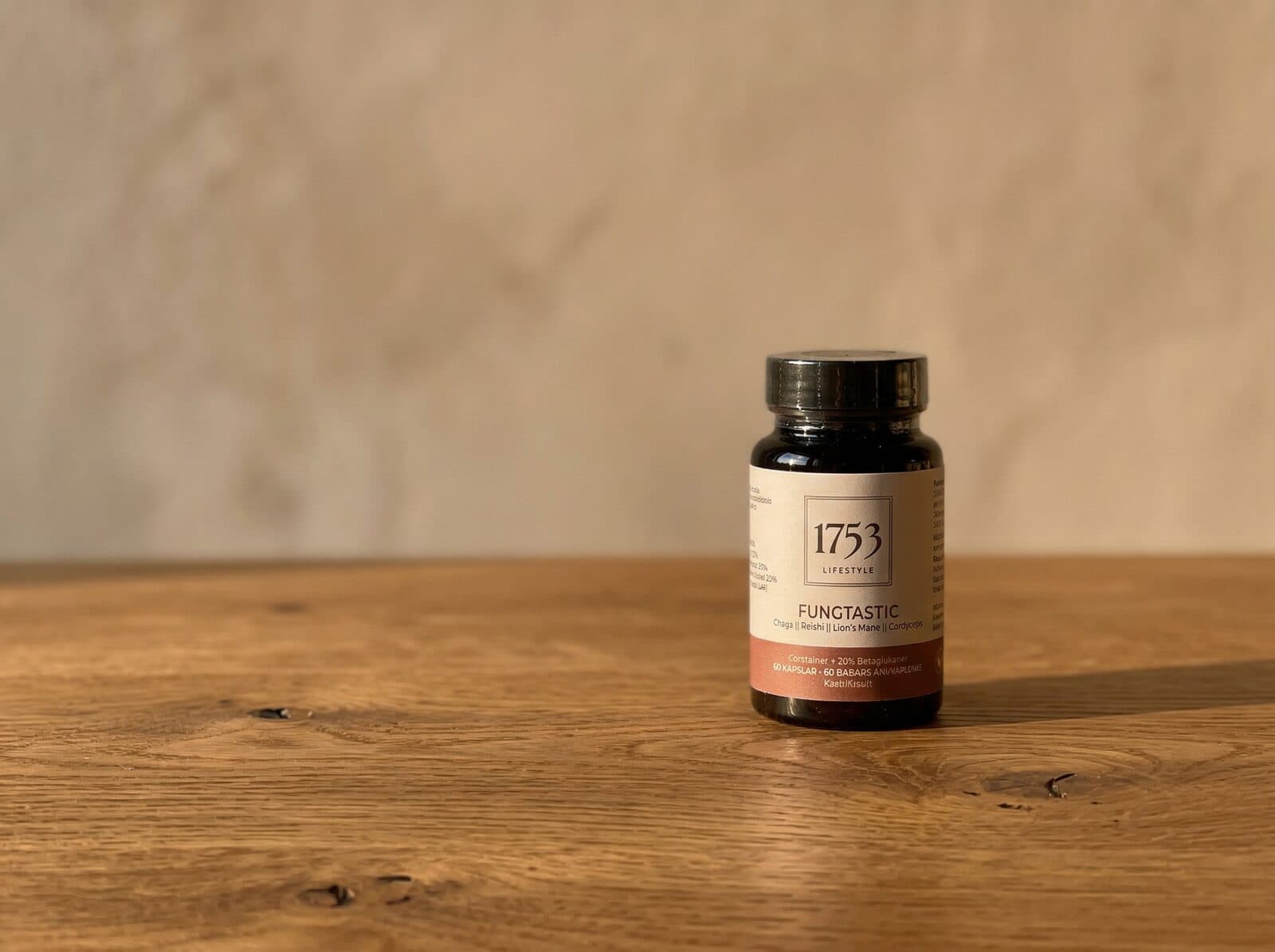
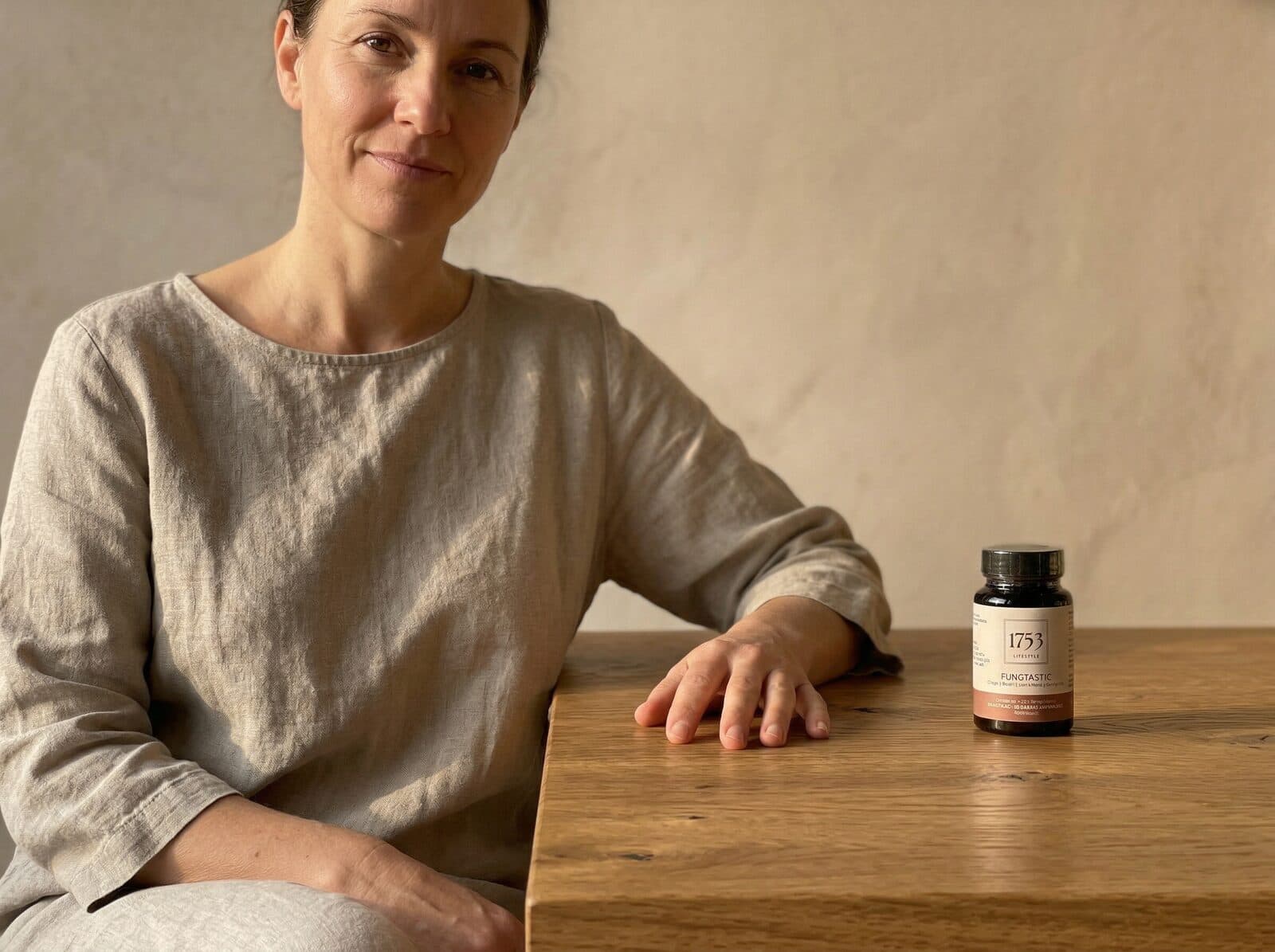
That is where Fungtastic Mushroom Extract makes sense as an oral support when you want to work more systemically on sleep and stress. Chaga, Reishi, Lion’s Mane and Cordyceps are not skincare in capsule form, but they can be a smart companion when the skin issue really starts with overdrive, poor recovery and too little sleep. Body first, skin second.
For the skin itself, the obvious choices are The ONE and I LOVE. The ONE, with CBD and MCT, helps skin stay less reactive, while I LOVE, with CBG, is a soothing, antibacterial serum for skin that gets irritated easily. Together with an evening bath, you get a routine that respects the skin instead of fighting it.
Frequently asked questions
Does magnesium help skin directly?
Not like a miracle switch. But magnesium may matter by supporting stress, sleep and muscle tension, all of which can show up in the skin. Think supportive, not instant.
Is transdermal magnesium better than taking it?
It depends on your goal. Transdermal magnesium is often used for relaxation rituals, while magnesium glycinate is a common supplement for sleep and tension. Choose the version you will actually keep using.
Can magnesium replace my skincare routine?
No, and it should not. It can reduce the stress load behind reactive skin, which makes a simpler routine work better. Gentle cleansing and calming oils still matter.
How soon will I notice a difference?
Sleep and tension may shift within a few evenings, but skin often follows over time. Give it a couple of weeks and watch for changes in redness, tightness and morning feel.
Sources
- Oláh A, Tóth BI, Borbíró I, et al. Cannabidiol exerts sebostatic and antiinflammatory effects on human sebocytes. J Clin Invest 2014;124(9):3713–3724.
- Lin TK, Zhong L, Santiago JL. Anti-Inflammatory and Skin Barrier Repair Effects of Topical Application of Some Plant Oils. Int J Mol Sci 2017;19(1):70.
- Tóth KF, Ádám D, Bíró T, Oláh A. Cannabinoid signaling in the skin: therapeutic potential of the c(ut)annabinoid system. Molecules 2019;24(5):918.
Article reviewed by Christopher Genberg, founder of 1753 SKINCARE.
Related articles
Ingredient Portrait
Chaga mushroom skin – the taiga’s quiet shield
Chaga is not another glossy wellness gimmick. It’s a survival mushroom from the cold taiga, packed w...
Ingredient Portrait
Reishi for skin – the mushroom that calms the noise
Reishi earned its “mushroom of immortality” nickname for a reason: it matters more for skin than a l...
Ingredient Portrait
lions mane skin – the mushroom that starts with nerves
Lion's Mane, or Hericium erinaceus, is more than a wellness buzzword for focus. It matters for skin ...
Skin Streaming
Minimalist 5 step routine – why less can do more
Skincare has become too much of everything: too many steps, too much exfoliation, too much cleansing...
CBD Skincare
CBD for acne – stop fighting your skin
Acne isn't about being dirty. It's about inflammation, hormones, and skin that needs support – not p...
CBD Skincare
CBD for oily skin – balance instead of dehydration
Drying out oily skin only makes it oilier. Sounds backwards, but that's exactly what happens. CBD of...