
Ingredient Portrait
lions mane skin – the mushroom that starts with nerves
Lion's Mane, or Hericium erinaceus, is more than a wellness buzzword for focus. It matters for skin because it may influence how your body handles stress, sleep and nerve signaling — all of which show up on your face. When the nervous system settles down, skin often stops acting like it’s under attack.
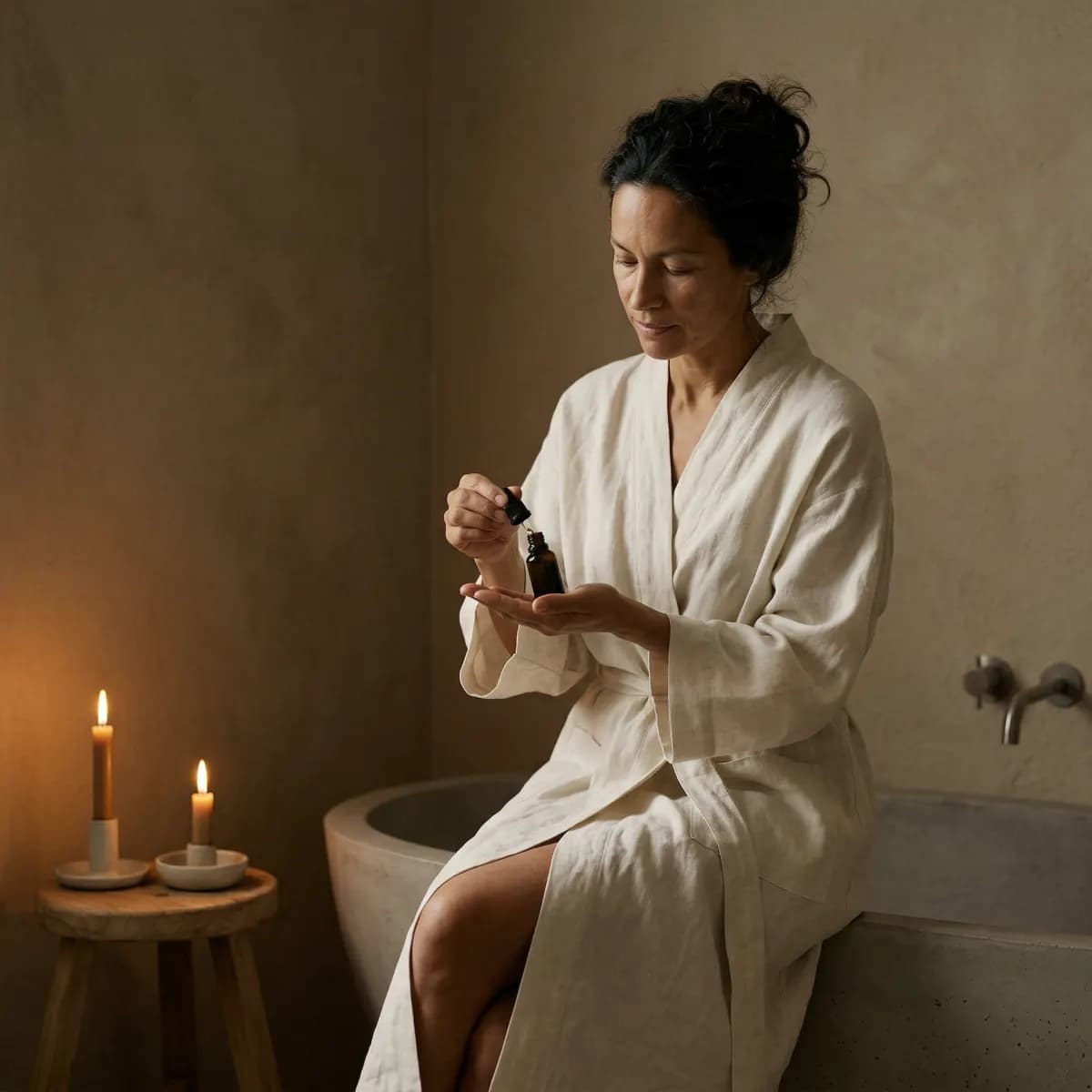
Why talk about a mushroom when skin is the problem?
Skin is not separate from the rest of you. Chronic stress can raise cortisol, weaken barrier function and make skin more reactive, dry and red. That’s why the idea of the cognitive skin matters: brain, nerves and skin are in constant conversation.
Hericium erinaceus has been studied for bioactive compounds such as hericenones and erinacines, which in research have been linked to stimulation of NGF — nerve growth factor. This is not about rubbing mushroom extract on your face and expecting a miracle. It’s an upstream strategy: support nerve recovery, stress resilience and, often, a calmer-looking complexion.
This is where mainstream skincare often misses the point. We scrub harder, use stronger acids, strip the skin and call it “treatment,” while the real issue may be a system that’s overstimulated. If your skin feels sensitive, stubborn or simply worn out, it can make more sense to start with the stress response first.
How to use Lion's Mane wisely
Take it consistently
Follow the supplement label and give Lion's Mane 4–8 weeks of steady use before judging it. Mushrooms tend to work like support, not like a quick cosmetic fix.
Watch your timing
If adaptogens make you feel more alert, take Lion's Mane earlier in the day. If your goal is better wind-down and sleep quality, pay attention to how your body responds and adjust.
Protect sleep first
No ingredient makes up for chronic sleep loss. Keep a regular bedtime, dim screens at night and build a calmer evening routine so the skin benefits have a chance to show up.
Stop overdoing skincare
If your skin is stressed, pause harsh exfoliation and aggressive cleansing for a few days. A calmer barrier makes it easier to see whether the issue is stress-driven rather than product-driven.
Keep support simple
Pair Lion's Mane with non-irritating habits: gentle cleansing, basic hydration and fewer actives at once. Skin usually recovers better when it’s not being fought from three directions.

How to actually help the skin
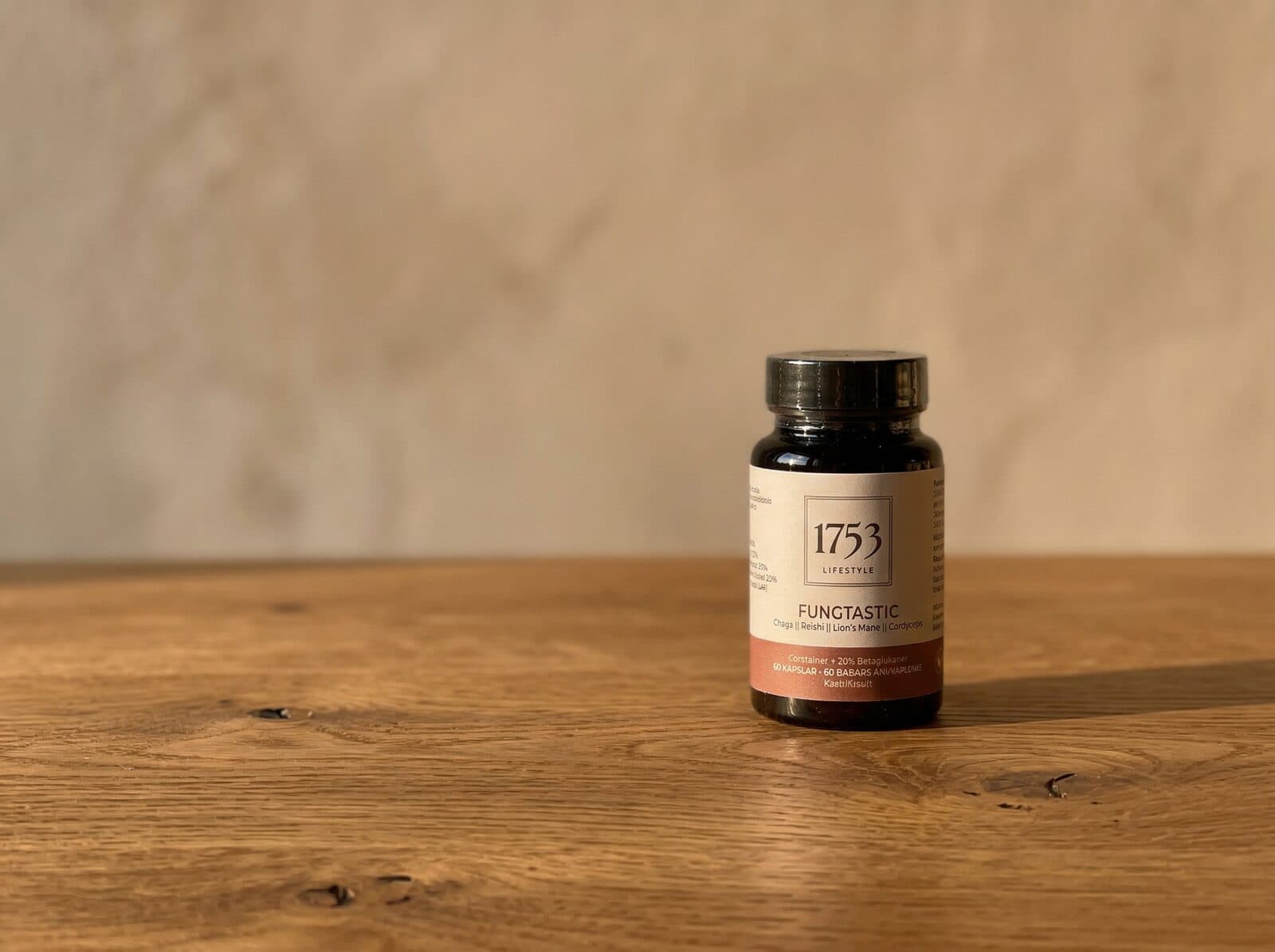
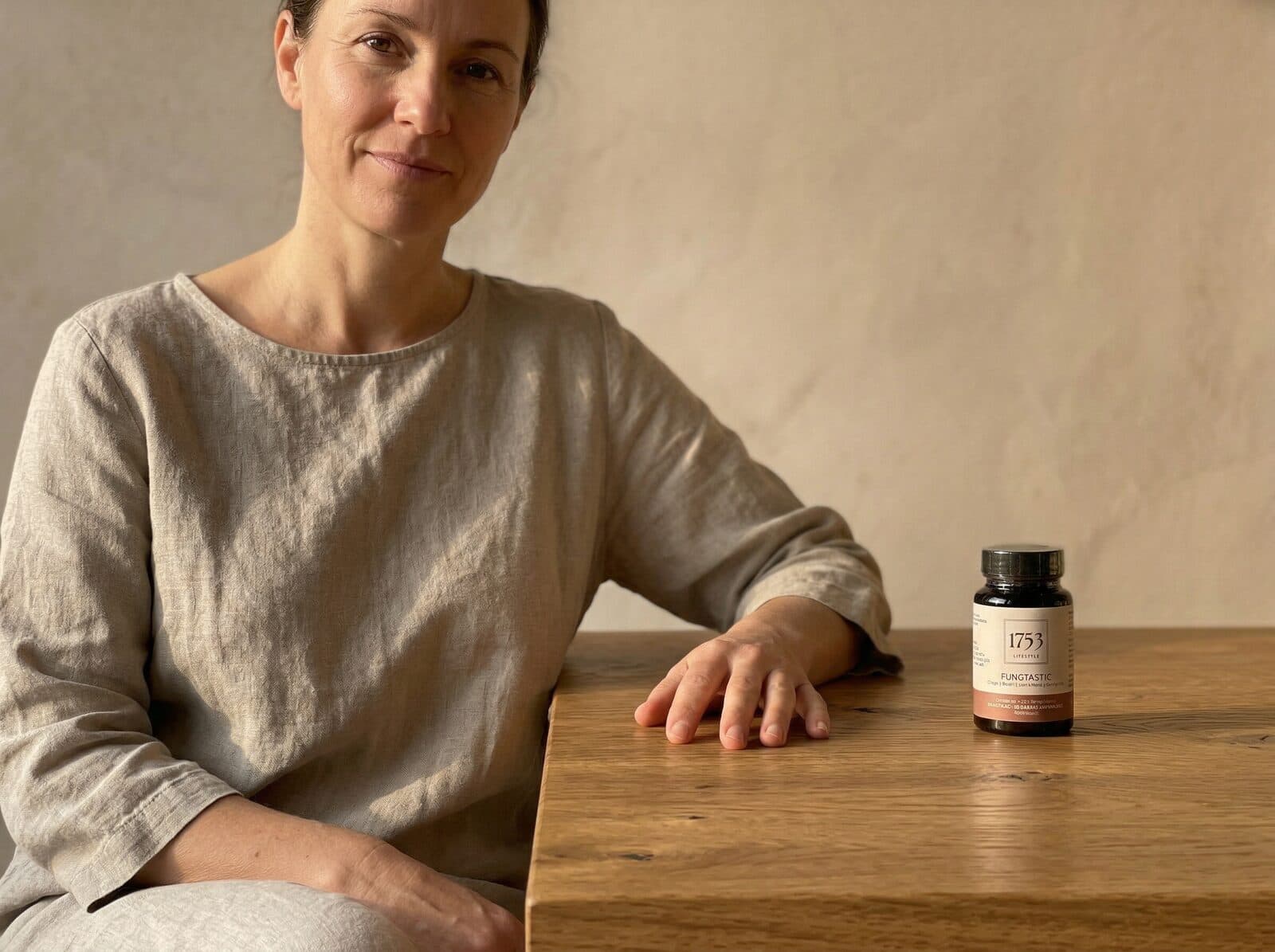
For skin that feels reactive, dull or easily stressed, Lion's Mane works best as part of the bigger picture, not as a solo hero. That’s where Fungtastic fits in: our oral mushroom blend with Chaga, Reishi, Lion's Mane and Cordyceps, designed to support recovery, sleep and a calmer daily baseline — things skin often reflects before you notice them elsewhere.
If you want your skincare to stay civilized, keep the surface routine simple. Au Naturel Makeup Remover with MCT oil cleanses gently without stripping the barrier. For face care, The ONE and I LOVE are a more sensible move than chasing stronger acids when skin is already on edge.
The point is not to attack the skin harder. The point is to reduce noise. Better nervous-system support, steadier sleep and less over-cleansing often give skin its rhythm back. Lion's Mane is interesting because it works upstream, where many skin issues actually begin.
Frequently asked questions
What is Lion's Mane?
Lion's Mane is the mushroom Hericium erinaceus. It’s studied for bioactive compounds that may influence the nervous system, including NGF-related pathways. For skin, the main value is indirect: better stress handling can mean calmer skin.
Can I apply Lion's Mane directly to skin?
This page is about oral use, not topical mushroom products. For skin benefits, it’s more relevant to think about stress, sleep and recovery. Topical mushroom formulas are a different story.
How fast will I notice results?
Think weeks, not days. People often notice focus, recovery or sleep changes first, and skin follows later. Give it at least 4 weeks of consistent use before deciding.
How is this different from anti-age skincare?
Traditional anti-age products usually work on the surface with acids, retinoids or peeling. Lion's Mane doesn’t do that. It’s more interesting as nervous-system and stress support, which can show up in skin over time.
Sources
- Oláh A, Tóth BI, Borbíró I, et al. Cannabidiol exerts sebostatic and antiinflammatory effects on human sebocytes. J Clin Invest 2014;124(9):3713–3724.
- Lin TK, Zhong L, Santiago JL. Anti-Inflammatory and Skin Barrier Repair Effects of Topical Application of Some Plant Oils. Int J Mol Sci 2017;19(1):70.
- Tóth KF, Ádám D, Bíró T, Oláh A. Cannabinoid signaling in the skin: therapeutic potential of the c(ut)annabinoid system. Molecules 2019;24(5):918.
Article reviewed by Christopher Genberg, founder of 1753 SKINCARE.
Related articles
Ingredient Portrait
Chaga mushroom skin – the taiga’s quiet shield
Chaga is not another glossy wellness gimmick. It’s a survival mushroom from the cold taiga, packed w...
Ingredient Portrait
Reishi for skin – the mushroom that calms the noise
Reishi earned its “mushroom of immortality” nickname for a reason: it matters more for skin than a l...
Ingredient Portrait
Cordyceps skin – the mushroom that wakes up glow
Cordyceps is not a quick fix, and it does not pretend to be. But as an ingredient, it gets interesti...
Skin Streaming
Minimalist 5 step routine – why less can do more
Skincare has become too much of everything: too many steps, too much exfoliation, too much cleansing...
CBD Skincare
CBD for acne – stop fighting your skin
Acne isn't about being dirty. It's about inflammation, hormones, and skin that needs support – not p...
CBD Skincare
CBD for oily skin – balance instead of dehydration
Drying out oily skin only makes it oilier. Sounds backwards, but that's exactly what happens. CBD of...