
Ingredient Portrait
Flaxseed for skin - calm from within, not more noise
Flaxseed for skin is not a miracle, just a smarter way to feed the skin from the inside. This tiny seed brings alpha-linolenic acid, lignans and fiber that may influence inflammation, the gut-skin axis and hormonal balance. Less chaos in the body often shows up on the face.

Why does skin keep reacting to everything?
A lot of skincare tries to fix an internal problem with more acids, more scrubbing and stronger actives. But if skin is red, reactive or uneven, the real issue may be low-grade inflammation, shifting hormones or a gut that is not exactly on your side. That is where flaxseed for skin becomes interesting.
Alpha-linolenic acid, ALA, is a plant-based omega-3 the body uses in pathways that help tone down inflammatory signalling. Flaxseed also contains lignans, polyphenols linked to hormone metabolism and gut microbiome activity. Research suggests that eating patterns richer in omega-3s and fiber may support calmer skin over time.
Conventional skincare loves to manage symptoms with harsher cleansing or too much exfoliation. It can create a short-lived feeling of control, but skin that is already irritated usually needs less friction, not more. If you want to influence the root, it makes sense to start with what you actually eat.
How to use flaxseed well
Grind it first
Whole flaxseeds often pass through without much benefit. Grind or mill 1-2 tablespoons a day so the ALA and lignans are more available to the body. Store it cool and dark to keep the fats fresh.
Start low
If your digestion is sensitive, begin with 1 teaspoon daily and increase gradually. Fiber supports the gut, but too much too fast can mean bloating and unnecessary discomfort.
Eat it with meals
Stir flaxseed into yogurt, oats, a smoothie or over salad. Adding it to a meal with some fat makes the seed easier to handle and more practical for daily use.
Think in weeks
Skin inflammation rarely shifts overnight. Give the routine 4-8 weeks before judging results, especially if you are watching redness or reactivity.
Support the gut too
Drink water and keep vegetables, protein and fermented foods in the picture if you tolerate them. Flaxseed works best as part of a broader gut-skin strategy, not as a lone hero.

How to actually solve it
If the goal is calmer skin from the inside, you do not need harsher products. You need better signals. Flaxseed is a simple food-based move: 1-2 tablespoons of ground flaxseed daily can provide ALA, fiber and lignans that support both inflammation and the gut-skin axis.
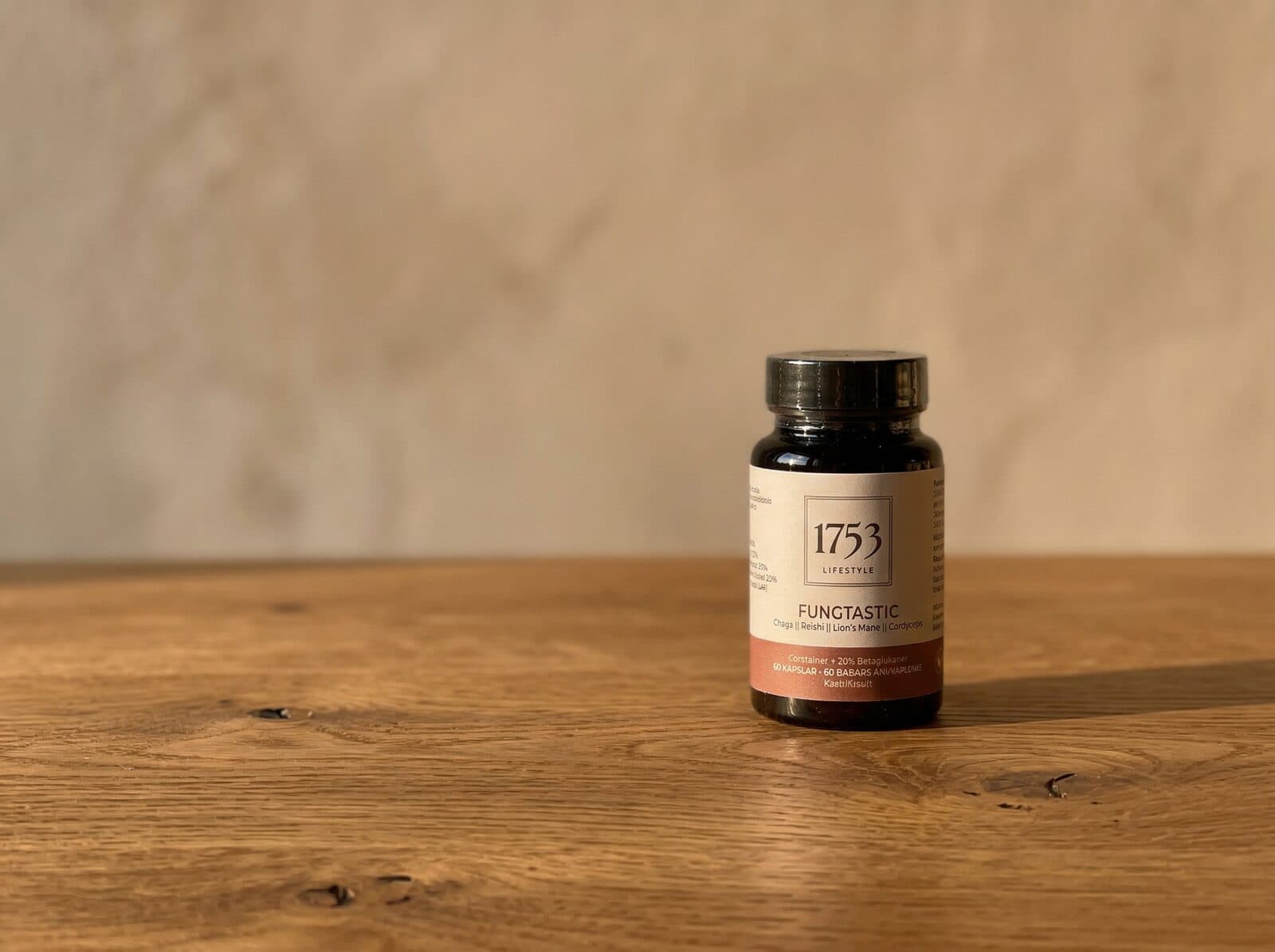
For some people, skin also flares when the body is under stress and recovery is poor. That is where Fungtastic Mushroom Extract makes sense as a complement, because chaga, reishi, lion's mane and cordyceps are used to support immune regulation and resilience. Not as a quick fix, but as a way to give the system a bit more room to breathe.
And when skin needs direct support, choose products that do not pick fights with it. The ONE can help support balance, I LOVE is a calming CBG serum, and the DUO kit combines CBD and CBG for a broader cannabinoid spectrum. Nothing flashy, just less irritation on the outside and better building blocks on the inside.

Frequently asked questions
Is flaxseed good for acne?
It may help some people because ALA, fiber and lignans can influence inflammation and hormone-related processes. It is not an overnight fix, though. Give it 4-8 weeks and keep your skincare from over-cleansing or over-exfoliating.
Do I need to grind flaxseed?
Yes, if you want more of the nutrition. Whole seeds often move through digestion almost intact. Ground flaxseed is more relevant for skin because the body can actually use the fats and lignans more efficiently.
Can flaxseed affect hormones?
Flaxseed contains lignans that interact with gut bacteria and may influence hormone metabolism. That does not make it a hormone drug, but it is one reason it is interesting for skin that flares around cycle changes or stress.
How is it different from fish oil?
Fish oil mainly provides EPA and DHA, while flaxseed provides ALA, which the body converts only in limited amounts. For some people that is enough as plant-based support, but flaxseed also brings fiber and lignans, which matter for the gut-skin connection.
Sources
- Oláh A, Tóth BI, Borbíró I, et al. Cannabidiol exerts sebostatic and antiinflammatory effects on human sebocytes. J Clin Invest 2014;124(9):3713–3724.
- Lin TK, Zhong L, Santiago JL. Anti-Inflammatory and Skin Barrier Repair Effects of Topical Application of Some Plant Oils. Int J Mol Sci 2017;19(1):70.
- Tóth KF, Ádám D, Bíró T, Oláh A. Cannabinoid signaling in the skin: therapeutic potential of the c(ut)annabinoid system. Molecules 2019;24(5):918.
Article reviewed by Christopher Genberg, founder of 1753 SKINCARE.
Related articles
Ingredient Portrait
Chaga mushroom skin – the taiga’s quiet shield
Chaga is not another glossy wellness gimmick. It’s a survival mushroom from the cold taiga, packed w...
Ingredient Portrait
Reishi for skin – the mushroom that calms the noise
Reishi earned its “mushroom of immortality” nickname for a reason: it matters more for skin than a l...
Ingredient Portrait
lions mane skin – the mushroom that starts with nerves
Lion's Mane, or Hericium erinaceus, is more than a wellness buzzword for focus. It matters for skin ...
Skin Streaming
Minimalist 5 step routine – why less can do more
Skincare has become too much of everything: too many steps, too much exfoliation, too much cleansing...
CBD Skincare
CBD for acne – stop fighting your skin
Acne isn't about being dirty. It's about inflammation, hormones, and skin that needs support – not p...
CBD Skincare
CBD for oily skin – balance instead of dehydration
Drying out oily skin only makes it oilier. Sounds backwards, but that's exactly what happens. CBD of...