
Wellness Skin
Supplements for skin – what helps, what just sounds clever
There’s a whole industry trying to sell you the idea that one capsule can fix your skin. The reality is less glamorous: some supplements for skin have decent evidence, others are expensive hope in a bottle. Let’s separate the useful from the noise.

Is your skin lacking something — or is the marketing?
Skin is not an island. It responds to insulin, inflammation, sleep and stress through the HPA axis. That’s why a supplement can sometimes make a difference — not because it’s magic, but because it nudges a real biological pathway.
On the evidence scale, zinc tends to sit higher for acne-prone skin, especially when intake has been low or a deficiency is present. Omega-3 has interesting support for inflammation and barrier function, though the effect is often subtle and depends on consistency. Collagen peptide gets a lot of attention for elasticity and hydration, but the data is more mixed and dose matters.
The trap is confusing improvement with proof: better skin, better habits, better sleep, better mood, better packaging. If you want to test something, ask a sharper question: which mechanism am I trying to influence, and what will I notice after 8–12 weeks?
Test it like it matters
Pick one mechanism
Start with one clear goal: zinc for oily, inflamed skin, omega-3 for reactivity, or collagen peptides for moisture and bounce. Without a mechanism, every supplement becomes expensive routine.
Give it 8 weeks
Skin changes slowly. Set a start date and review after 8–12 weeks, not after three days. If nothing shifts in shine, redness or comfort, the match may simply be weak.
Track three signals
Ask yourself the same question every night: does my skin feel less tight, less shiny, or less irritated? Three simple signals are enough to see whether a supplement is doing anything real.
Use collagen consistently
If you choose collagen peptides, take them regularly and don’t stack five new variables at once. Otherwise you’ll never know what helped — or whether it was just placebo with a nice label.
Fix sleep first
Skin recovery is closely tied to stress and sleep through the HPA axis. For many people, the biggest win is not the supplement itself, but a calmer evening rhythm around 10:30 p.m. and a nervous system that can actually downshift.

Build a skin strategy that actually holds
If you want to do this without the hype, think inside out. Fungtastic Mushroom Extract supports the body from within with chaga, reishi, lion’s mane and cordyceps — a grounded way to work with stress, recovery and daily resilience instead of chasing the next miracle capsule.
On the outside, take care of the skin where it lives. The DUO-kit with The ONE and I LOVE gives you a full cannabinoid spectrum and supports the barrier without flooding it with unnecessary actives. Add Ta-DA serum when you want an antioxidant cocktail that makes sense for skin dealing with city air, stress and too little sleep.
This is not “more actives for more results.” It’s less chaos, better fit. You support the body internally, and calm the skin externally. That’s often where real change starts to show — not in the promise, but in the consistency.
Products we recommend
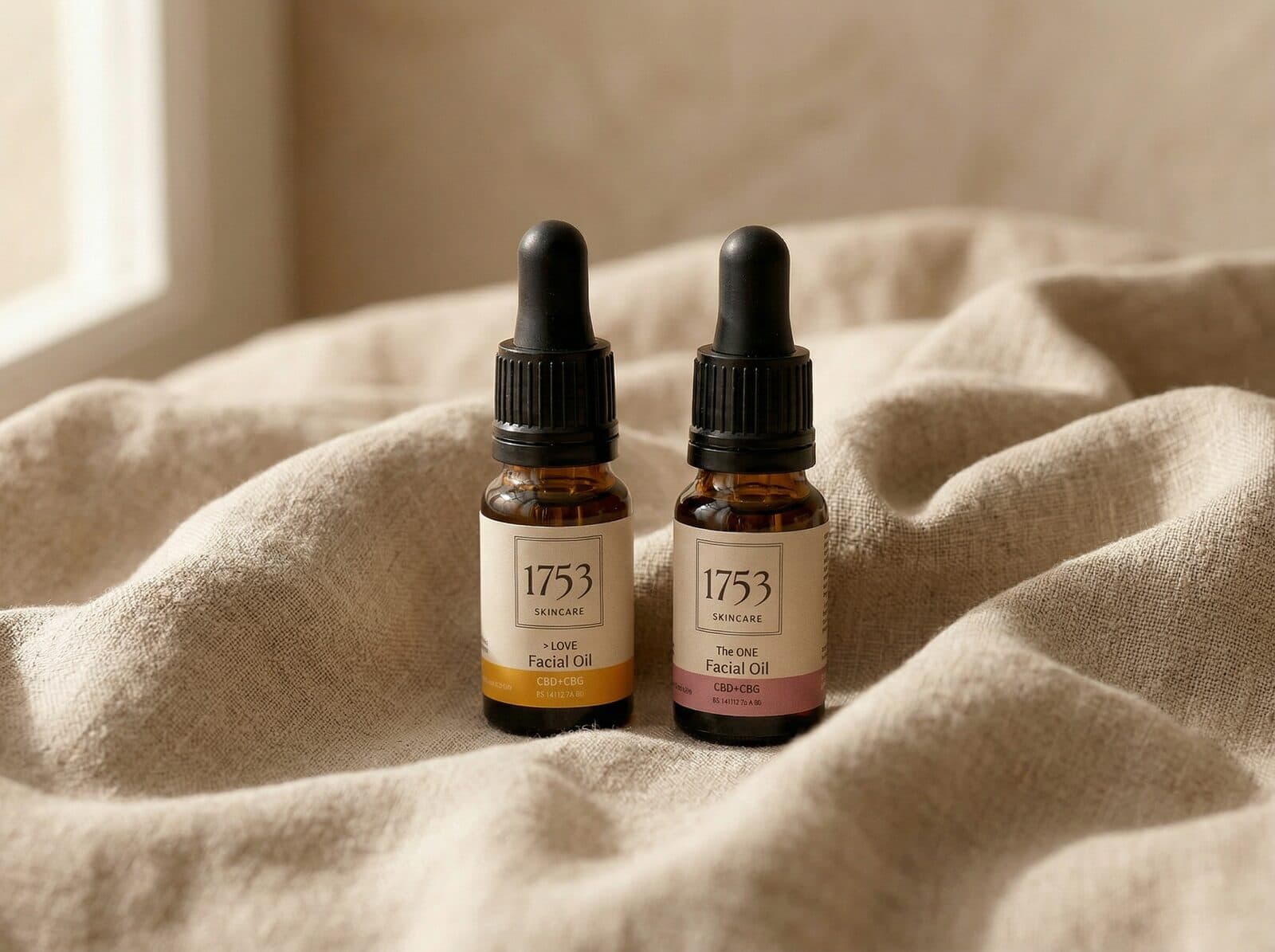
 Save €34
DUO kit
Two face oils, one for morning and one for evening. Simple skincare that works with your skin, not against it.
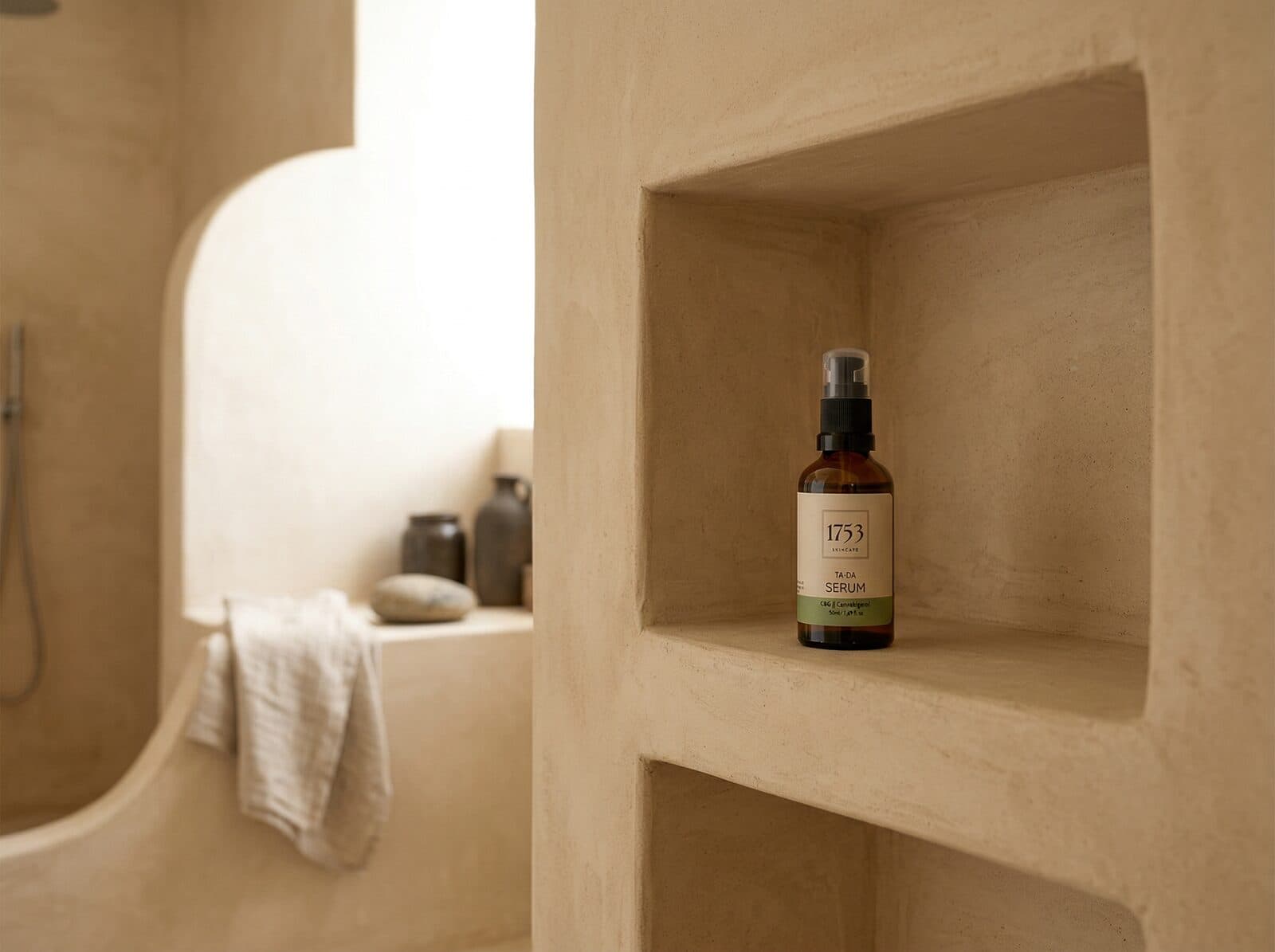
TA-DA Serum
A CBG-powered serum that seals in moisture and adds glow, whatever the season.
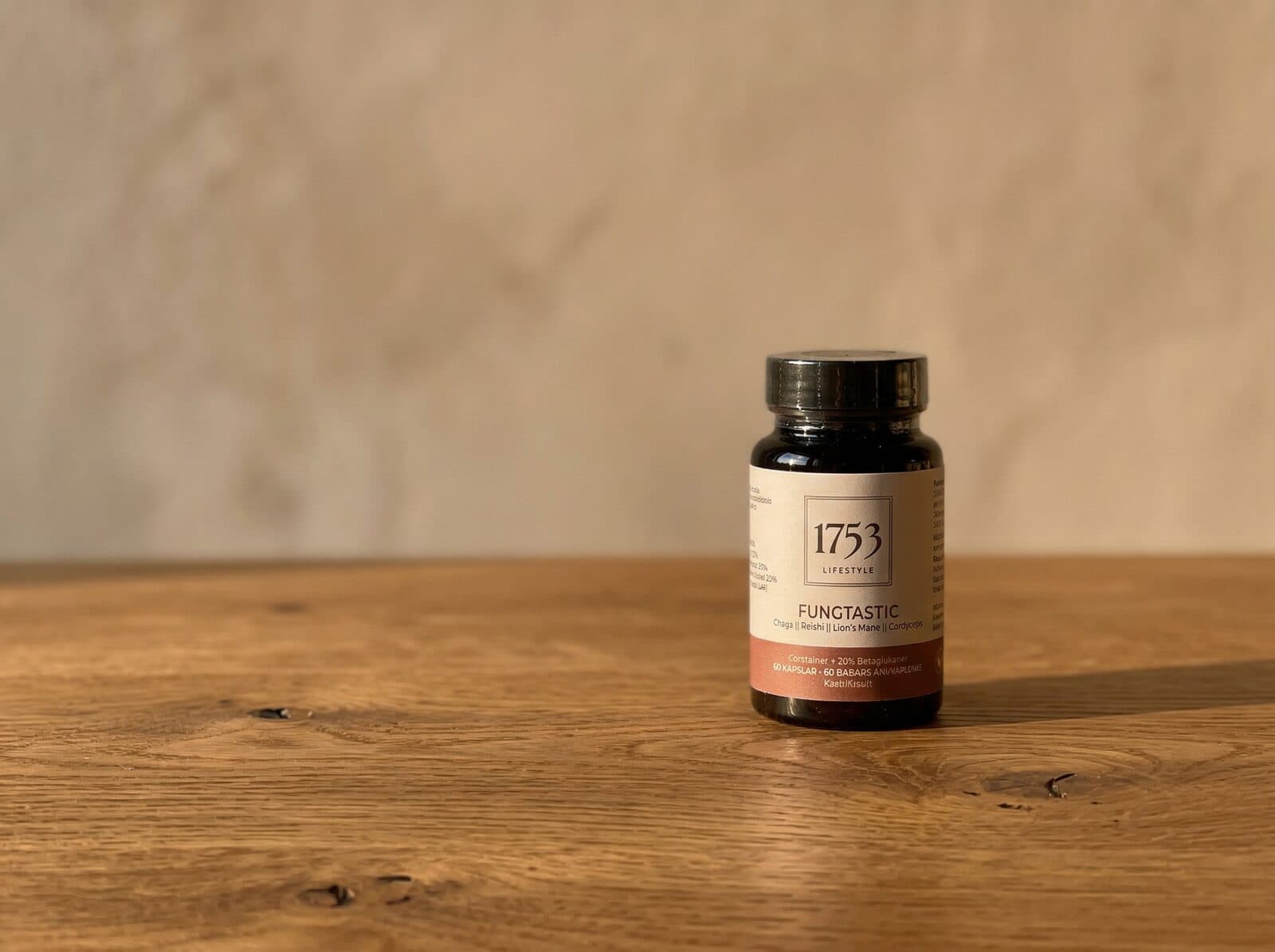
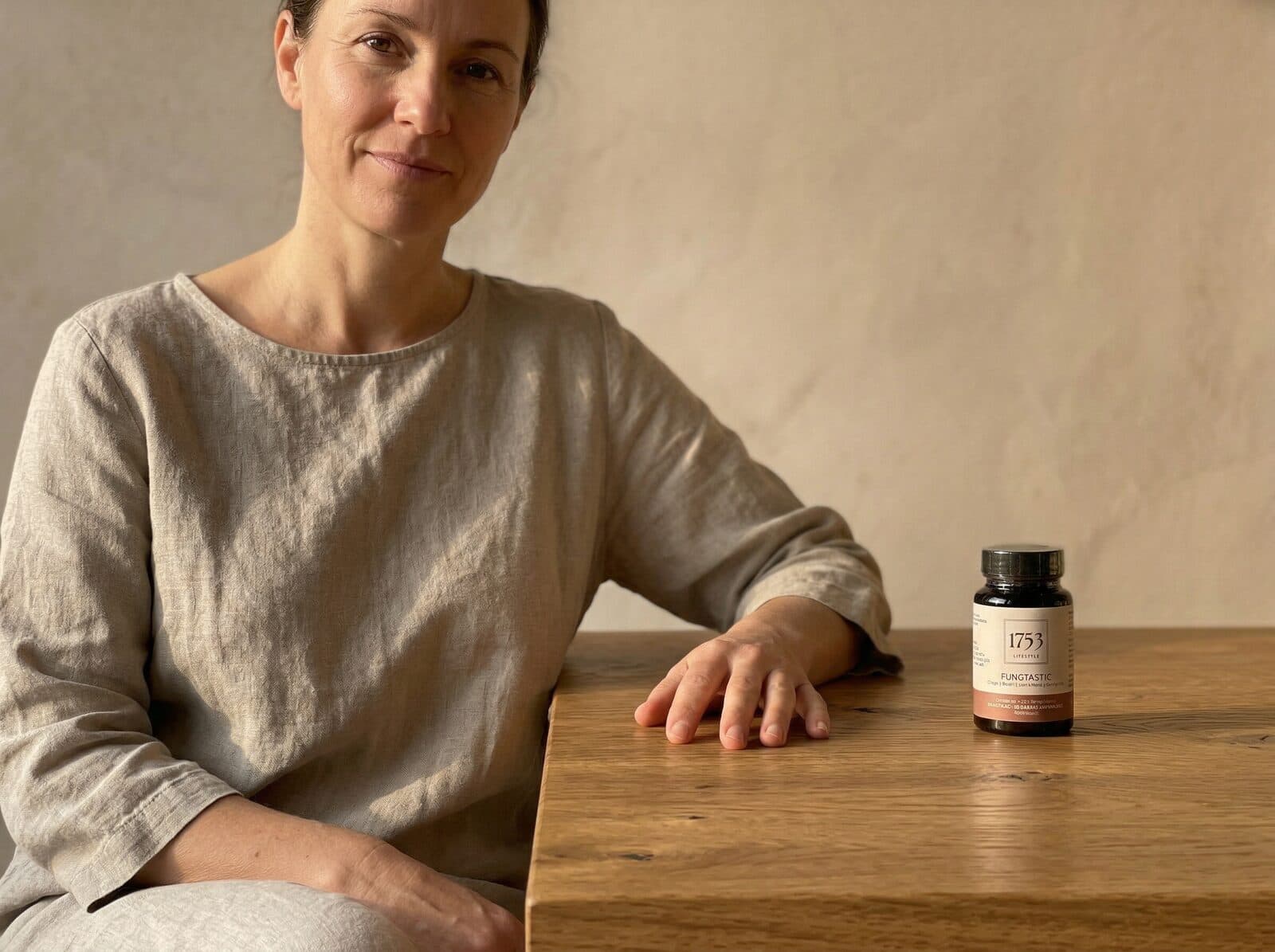
Fungtastic Mushroom Extract
Four mushrooms in one formula to support immunity, focus, energy and sleep from within.
Frequently asked questions
Which supplement for skin has the best evidence?
It depends on the goal. Zinc has solid support for acne-prone skin, omega-3 is interesting for inflammation and barrier function, and collagen peptides may help hydration and elasticity. Evidence levels are not the same across the board, so choose based on the mechanism you want.
Is collagen just placebo?
Not necessarily. Some studies show improvements in skin hydration and elasticity, but the results are not dramatic and vary by dose, quality and duration. If you want to know whether it works for you, give it time and change one thing at a time.
How fast does omega-3 work for skin?
Usually it takes several weeks before anything noticeable happens, because fat profiles shift gradually. Think 8–12 weeks rather than days, and watch for less reactivity or dryness. For many people the effect is subtle, not dramatic.
What counts as placebo in skin supplements?
Placebo is when you feel an effect without a clear biological reason. That doesn’t mean the experience is fake, but it does mean you should stay critical. Ask yourself whether the skin is actually changing, or whether you just feel more hopeful.
Sources
- Chen Y, Lyga J. Brain-skin connection: stress, inflammation and skin aging. Inflamm Allergy Drug Targets 2014;13(3):177–190.
- Walker MP, van der Helm E. Overnight therapy? The role of sleep in emotional brain processing. Psychol Bull 2009;135(5):731–748.
- Katta R, Desai SP. Diet and Dermatology: The Role of Dietary Intervention in Skin Disease. J Clin Aesthet Dermatol 2014;7(7):46–51.
Article reviewed by Christopher Genberg, founder of 1753 SKINCARE.
Related articles
Wellness
Sleep skin connection – when the night does the work
Beauty sleep is not a cliché. While you sleep, cortisol drops, growth hormone rises and the body get...
Wellness Axis
Gut skin connection – when the gut shows on your face
Your skin is not a separate island. It listens to your gut, your stress, and the state of your intes...
WELLNESS
Stress skin – when your body hits the alarm button
You usually feel it before you can explain it: redness, tightness, stinging, or a psoriasis flare th...
Lifestyle
Perimenopause and skin – when everything shifts at once
One day your skin feels drier, thinner and suddenly touchy. Adult acne may show up, fine lines look ...
Cyclic Skincare
Menstrual Cycle and Skin – why one routine doesn’t fit all
Your skin doesn’t run on a fixed schedule; it runs with your body. Across the menstrual cycle, hormo...
Postpartum Skin
Postpartum skin – why it changes so much
After pregnancy, skin can feel like it belongs to someone else. Hormones drop, sleep gets broken, an...