
Skin Biology
Keratinocytes skin – the cells holding it together
Keratinocytes are not just “skin cells.” They are the workhorses of the skin, constantly sending signals to their surroundings. When they’re supported, differentiation follows a healthier rhythm, the barrier gets tighter, and skin feels less reactive.

Why do skin signals get so easily disrupted?
Keratinocytes are born in the basal layer and move upward as they mature. Along that journey, they switch on proteins such as involucrin and later filaggrin, two key pieces that help the barrier become strong, flexible, and water-retentive. It is a beautifully coordinated process — and also a fragile one.
When skin is over-cleansed, scrubbed too hard, or flooded with too many actives at once, the signals that control differentiation get thrown off. Studies from 2020–2025 suggest that inflammation, oxidative stress, and barrier damage can alter how keratinocytes communicate, which may show up as dryness, tightness, and irritation. That is not “bad skin” — it is stressed skin biology.
The usual response is to add more: stronger acids, more cleansing steps, more exfoliation. But keratinocytes do not need to be attacked to work better. They need calm, the right lipid environment, and formulas that respect their pace. That is where smarter skincare starts.
How to support the workhorses
Cleanse gently
Choose a cleanser that removes sunscreen and grime without stripping the skin raw. Gentle oils can reduce friction and let keratinocytes keep doing their job in peace.
Ease up on exfoliation
Exfoliation can help, but too much disrupts barrier signaling. If skin feels tight or flushed, it is often a sign to pull back, not push harder.
Support the barrier
Think hydration and lipids, not just “active” skincare. A stable barrier helps filaggrin- and involucrin-related processes run more smoothly.
Read the skin’s pace
If every new product makes you red, that is data, not drama. Introduce one change at a time and give keratinocytes time to respond.
Lower the noise
Fewer products can mean more calm. Skin that is not constantly defending itself often looks smoother, softer, and less reactive.

How to actually fix it without overworking skin
The most sensible move is to stop treating skin like a project that needs to be pushed into results. Keratinocytes do better when the environment around them is stable: gentle cleansing, low irritation, and ingredients that do not needlessly disturb the barrier. Recent research makes one thing clear: a calmer skin environment can support barrier recovery and reduce stress signaling.
That is where Au Naturel Makeup Remover fits naturally as a mild first step, especially if you want to remove makeup and daily buildup without aggressive friction. In the routine, The ONE brings skin-regulating support with CBD + MCT, while I LOVE adds CBG in a soothing, antibacterial format that makes sense when skin feels irritated or out of balance. Not magic — just less interference, better conditions.
If you want to go further, Ta-DA serum layers CBG with antioxidants and adaptogens in a formula that suits skin facing everyday oxidative stress. 1753 works with phytocannabinoids from certified hemp in safer formulas, and that is the point: not more promises, but better conditions for keratinocytes to do what they do best.
Products we recommend
 Save €34
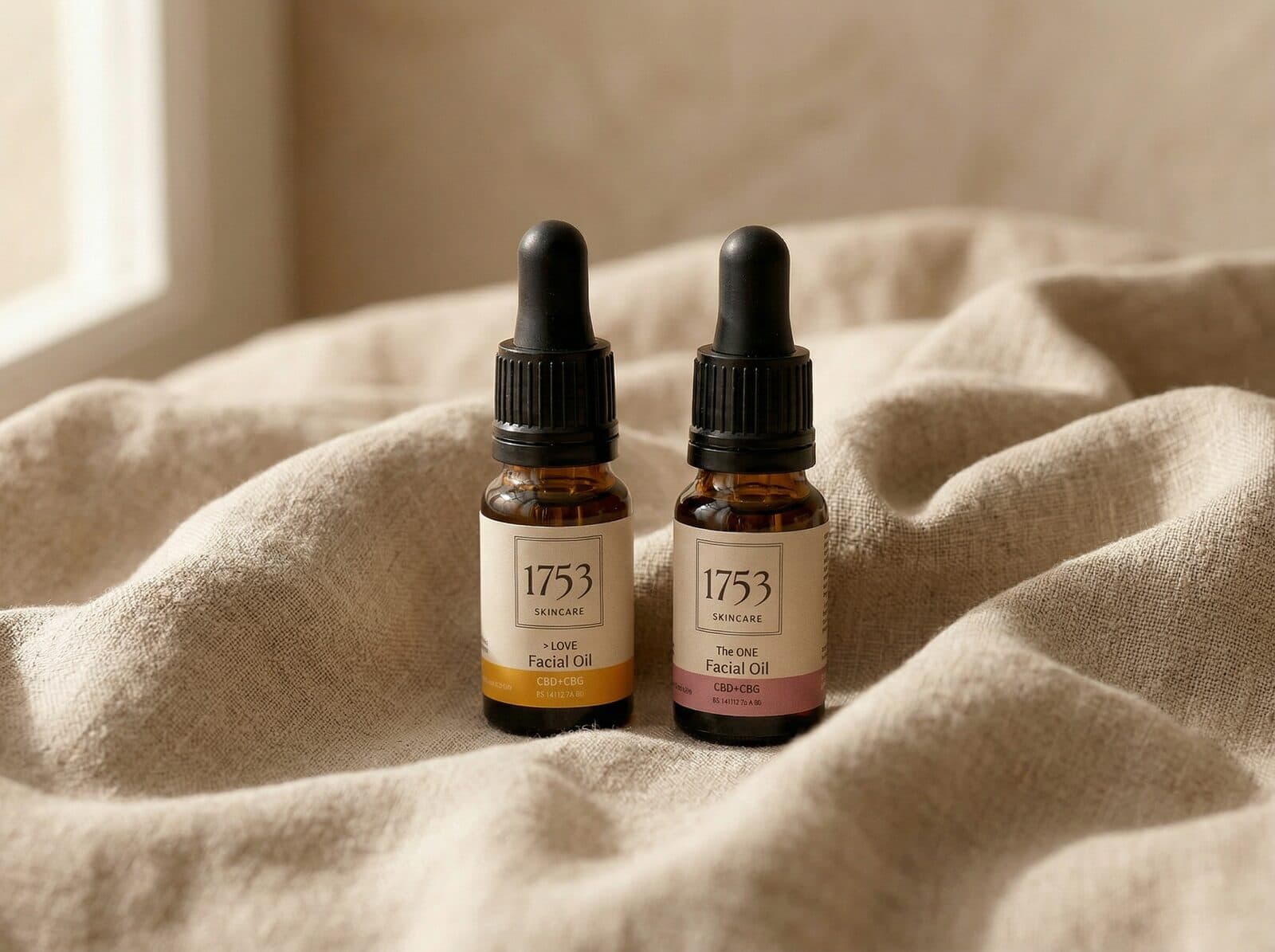
DUO kit
Two face oils, one for morning and one for evening. Simple skincare that works with your skin, not against it.
 Save €60
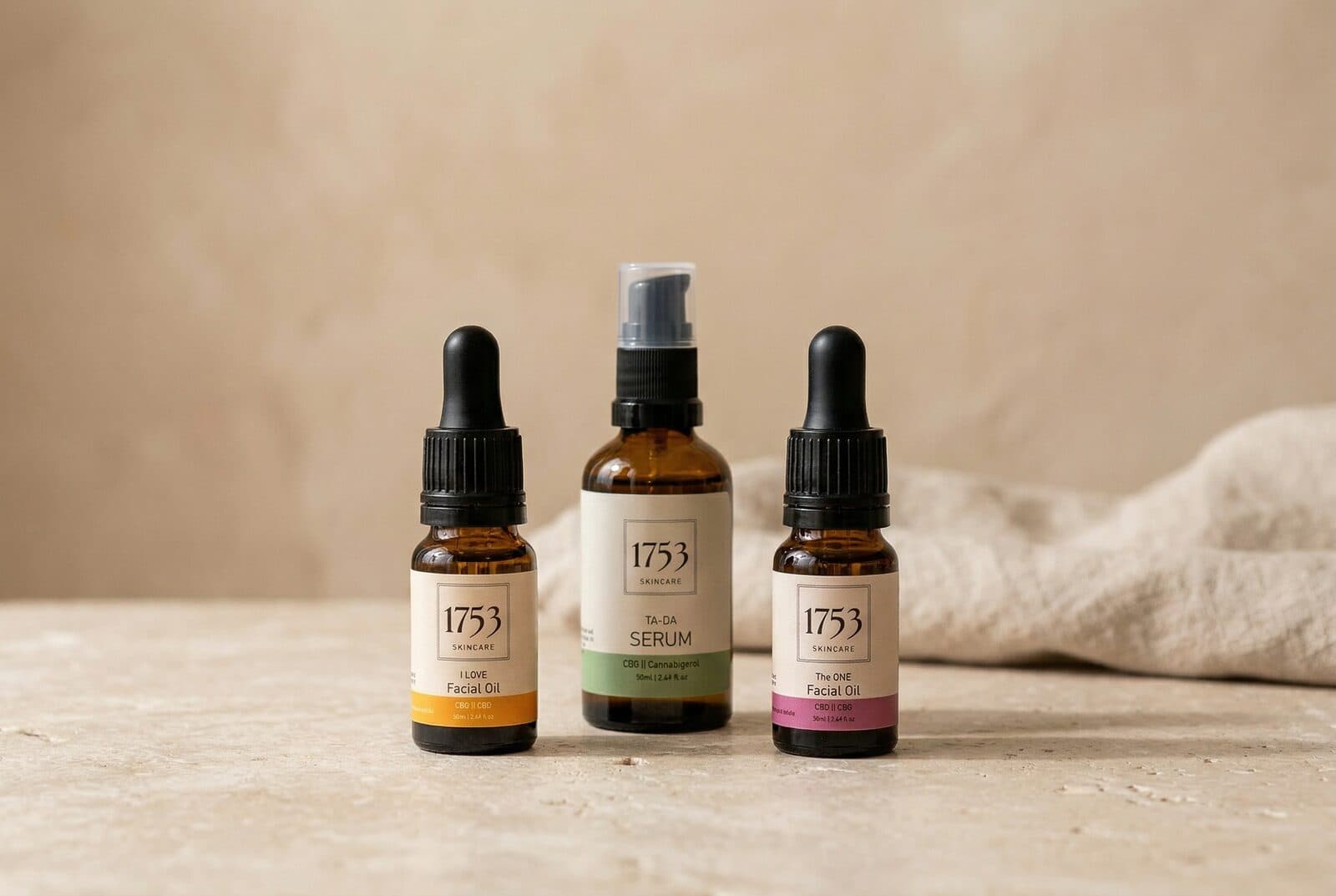
DUO kit + TA-DA Serum
The full routine in one: three products that help skin become calmer, stronger and more resilient.
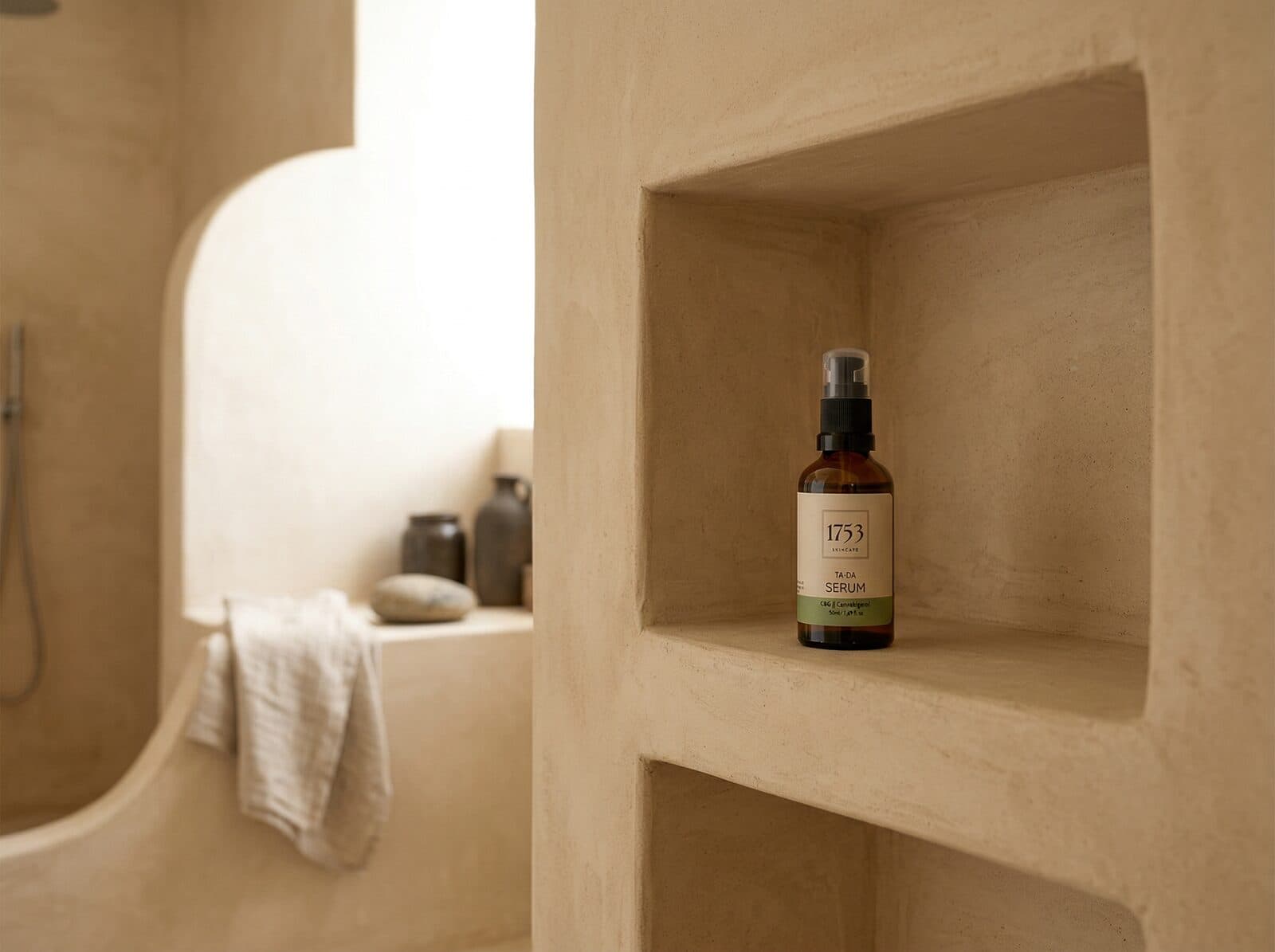

TA-DA Serum
A CBG-powered serum that seals in moisture and adds glow, whatever the season.
Frequently asked questions
What do keratinocytes actually do?
They build the outermost layer of skin, produce key barrier proteins, and communicate with other skin cells. When they mature properly, skin becomes more resilient and loses less water.
What does differentiation mean in skin?
It is the step-by-step maturation of keratinocytes as they move toward the surface. Proper differentiation is needed to create a tight, functional barrier with good moisture balance.
Why do people talk about filaggrin and involucrin?
They are important proteins in barrier formation. Involucrin appears early in maturation, while filaggrin helps organize and support the final barrier structure.
Can skincare affect keratinocytes?
Yes, especially through irritation, over-exfoliation, and barrier damage. Gentler routines give keratinocytes better working conditions, which often shows up as calmer, more even skin.
Sources
- Bíró T, Tóth BI, Haskó G, Paus R, Pacher P. The endocannabinoid system of the skin in health and disease. Trends Pharmacol Sci 2009;30(8):411–420.
- Tóth KF, Ádám D, Bíró T, Oláh A. Cannabinoid signaling in the skin: therapeutic potential of the c(ut)annabinoid system. Molecules 2019;24(5):918.
- Byrd AL, Belkaid Y, Segre JA. The human skin microbiome. Nat Rev Microbiol 2018;16(3):143–155.
Article reviewed by Christopher Genberg, founder of 1753 SKINCARE.
Related articles
Science
Endocannabinoid system skin guide – your skin’s built-in calm
Your skin is not just a surface. It is a living control system trying to stay calm, resilient, and b...
SKIN SCIENCE
CB1 CB2 receptors skin – let the skin lead for once
Skin is not a passive surface. It has its own signalling network, where CB1 and CB2 help shape calm,...
Science
ECS and stress – your body’s built-in brake
Stress is not just a mindset problem. It starts as a biological chain reaction: the HPA axis fires, ...
Ingredient Portrait
cbd for skin – less noise, more balance
CBD for skin is interesting because it doesn’t try to bully the skin into behaving. It works with th...
Ingredient Portrait
cbg for skin – the mother cannabinoid that calms and renews
CBG usually lives in CBD’s shadow, but skin can tell the difference. This is the cannabinoid that ma...
Ingredient Portrait
Shea butter skin – rich, warm, not for everyone
Shea butter is one of skincare’s most loved butters, and one of the most misunderstood. It comes fro...