
Comparison
shea vs coconut – two favorites, one skin that may say no
Shea butter and coconut oil have a wholesome, gentle reputation. But skin does not care about wellness branding; it cares about how ingredients actually behave. Here we compare shea vs coconut without the fluff: pores, barrier support and what sensitive skin tends to think about both.

Why does it feel great in the jar but not on the skin?
Shea butter and coconut oil are both occlusive ingredients, meaning they form a layer that helps reduce water loss from the skin. That can be useful for dry skin, but it can also feel heavy or congesting if your skin tends to clog easily.
Coconut oil usually has a higher comedogenic rating than shea butter, which means it is more often linked with breakouts in acne-prone skin. Still, that is not a universal rule. Skin type, amount used and what sits underneath all matter. This is where mainstream skincare gets lazy when it sells “natural” as automatically safe.
Fatty acid profile explains a lot. Coconut oil is rich in lauric acid, which some skin types like and others simply do not. Shea butter has more oleic and stearic acids, often giving a softer, more cushioned feel. Both have a melt point close to skin temperature, so they melt into a film — and that film is exactly what some skin loves and other skin rejects.
Five ways to read your skin better
Patch test first
Try the ingredient on a small area for a few days before deciding. It is the simplest way to spot clogging, bumps or irritation early.
Use less than you think
More is rarely better here. A thin layer is usually enough, especially if you already use a serum or facial oil underneath.
Match it to skin type
Dry, tight skin often handles more occlusive textures than oily or easily congested skin. That does not mean banning everything — just choosing smarter.
Watch your skin's mood
Skin that is stressed, warm or inflamed can react differently from calm skin. The same ingredient may feel perfect one week and too much the next.
Look at the full routine
It is not just shea or coconut that decides the outcome. Cleansing, actives and climate affect the result just as much as the butter or oil itself.

How to choose without overwhelming skin
If you want the honest shea vs coconut answer: do not choose by hype, choose by skin behavior. Shea butter is often the safer first pick for many people because it tends to feel less heavy than coconut oil and gives a soft, protective layer without the classic “too much” feeling.
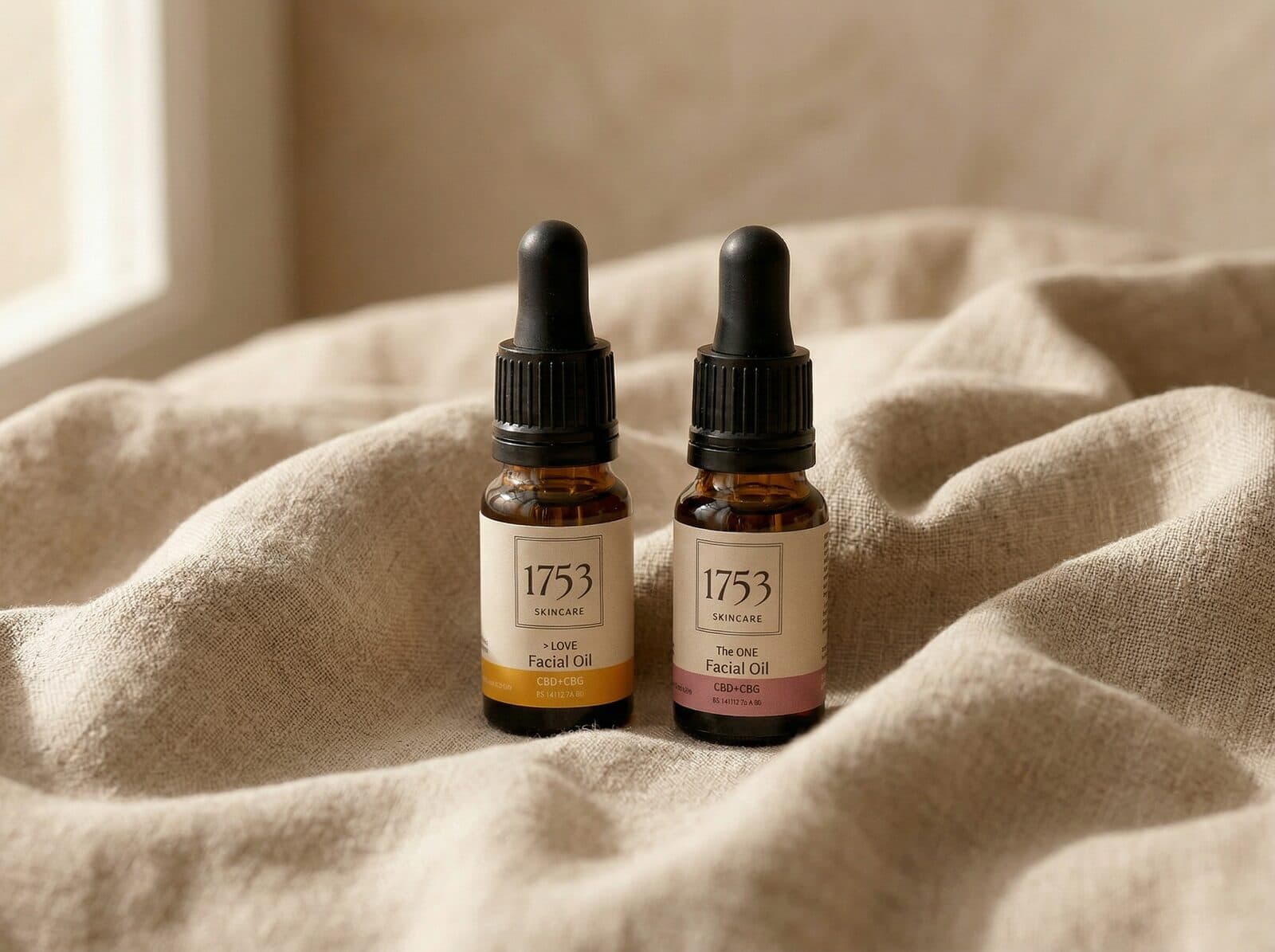
That said, very dry skin may still enjoy coconut oil on the body or on specific dry patches. For the face, scepticism is healthy. That is where 1753’s The ONE makes more sense: CBD + MCT gives a skin-regulating facial oil that is not built around clogging the skin, but around supporting balance. In the same spirit, I LOVE — our CBG serum — brings calm and antibacterial support without smothering the skin.
If you want layered support without the usual overworked skincare chaos, the DUO kit with The ONE + I LOVE is a clean answer. Whether you end up with shea, coconut or neither, the best test is simple: does your skin feel soft, calm and clear after a few days, or does it start to push back? That usually tells you more than any comedogenic rating ever will.
Products we recommend
 Save €34
DUO kit
Two face oils, one for morning and one for evening. Simple skincare that works with your skin, not against it.
 Save €60
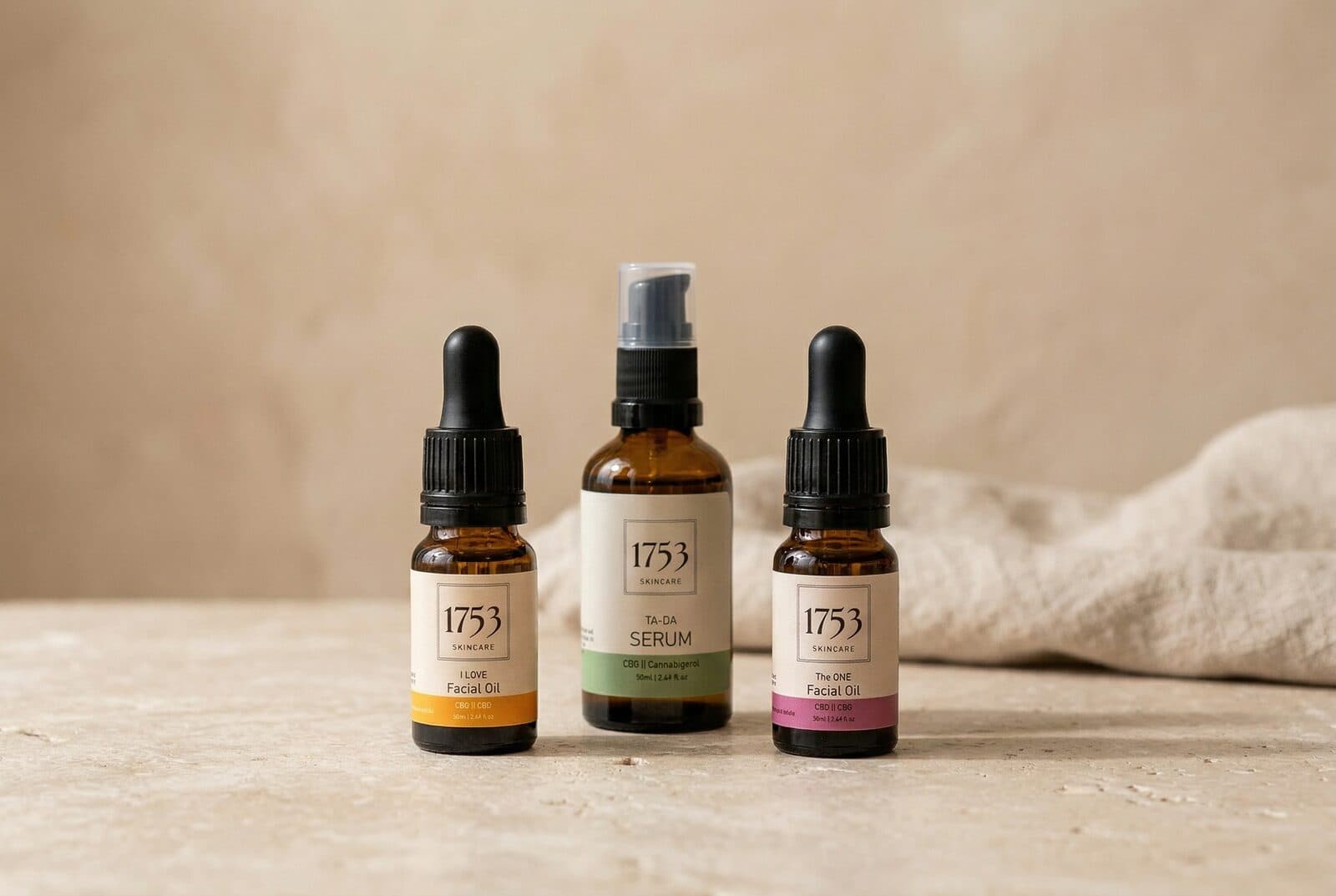
DUO kit + TA-DA Serum
The full routine in one: three products that help skin become calmer, stronger and more resilient.
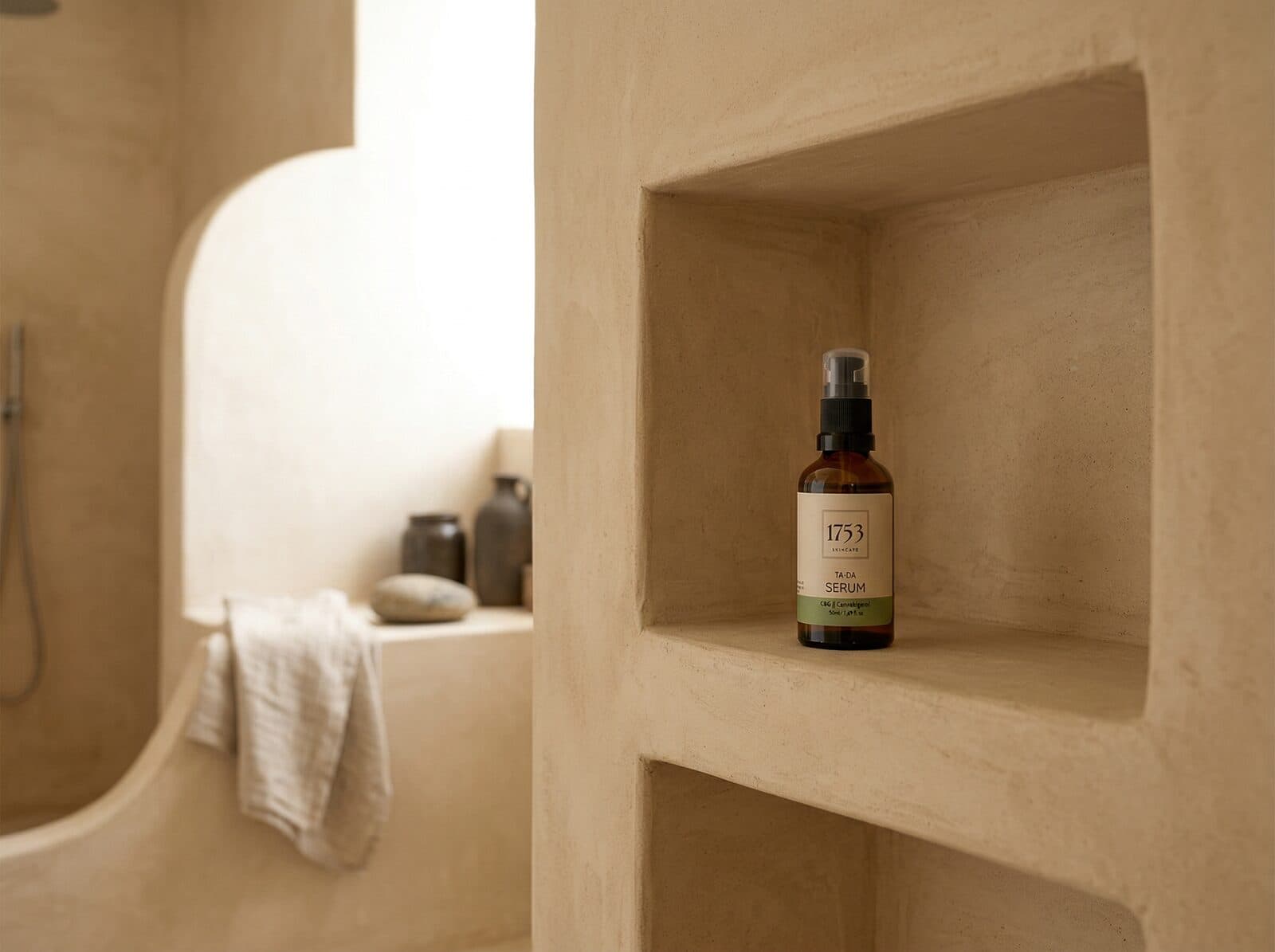
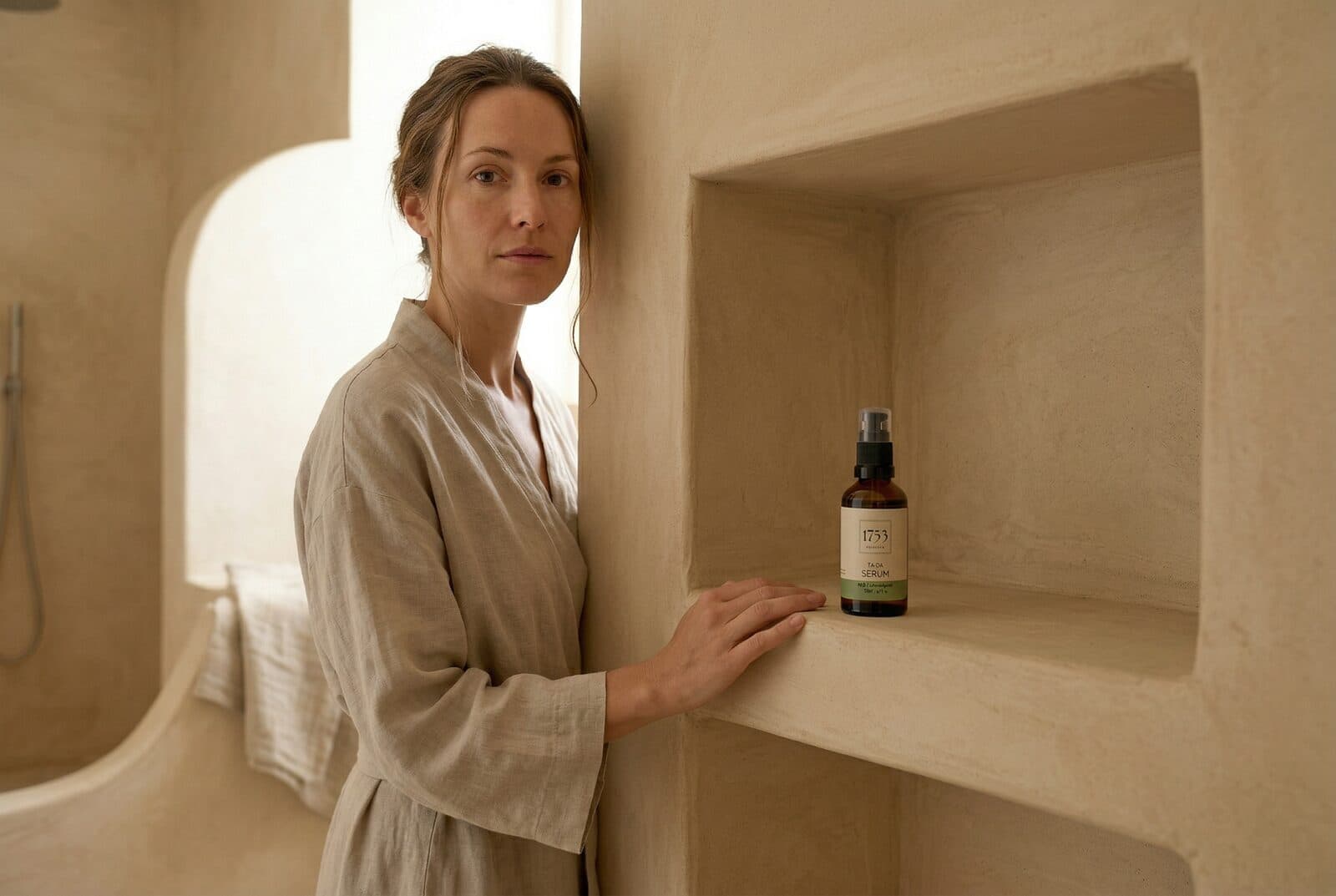
TA-DA Serum
A CBG-powered serum that seals in moisture and adds glow, whatever the season.
Frequently asked questions
Which is more comedogenic: shea butter or coconut oil?
Coconut oil is generally considered more comedogenic than shea butter, but individual reactions vary. Skin type, amount used and where you apply it all matter, especially on the face.
What does melt point mean for skin?
Melt point is the temperature at which an ingredient melts. Both shea butter and coconut oil melt on skin contact, which is why they create that soft, occlusive film.
Why does fatty acid profile matter?
Fatty acids affect texture, spread and how heavy a product feels. Coconut oil is rich in lauric acid, while shea butter contains more oleic and stearic acids, giving a different skin feel.
Is there a better option for sensitive skin?
For many people, a more balanced oil or a calming serum is a better choice than a heavy butter. 1753’s The ONE and I LOVE are made to support skin without overwhelming it.
Sources
- Oláh A, Tóth BI, Borbíró I, et al. Cannabidiol exerts sebostatic and antiinflammatory effects on human sebocytes. J Clin Invest 2014;124(9):3713–3724.
- Tóth KF, Ádám D, Bíró T, Oláh A. Cannabinoid signaling in the skin: therapeutic potential of the c(ut)annabinoid system. Molecules 2019;24(5):918.
Article reviewed by Christopher Genberg, founder of 1753 SKINCARE.
Related articles
COMPARISON
cbd vs retinol – same conversation, different jobs
CBD and retinol are often grouped together, but they do not behave the same way. Retinol pushes cell...
Comparison
cbd vs hyaluronic acid – hydration or calm?
This is not a fight between two good ingredients. Hyaluronic acid draws water in. CBD works more aro...
COMPARISON
cbd vs niacinamide – two ways to less shine
If your skin is oily but also easily irritated, it is easy to get stuck between two classics: cbd vs...
Ingredient Portrait
cbd for skin – less noise, more balance
CBD for skin is interesting because it doesn’t try to bully the skin into behaving. It works with th...
Ingredient Portrait
cbg for skin – the mother cannabinoid that calms and renews
CBG usually lives in CBD’s shadow, but skin can tell the difference. This is the cannabinoid that ma...
Ingredient Portrait
Shea butter skin – rich, warm, not for everyone
Shea butter is one of skincare’s most loved butters, and one of the most misunderstood. It comes fro...