
Wellness Skin
Cold shower skin – when cold feels good, until it doesn’t
Cold exposure feels cleansing for a reason: it wakes the body, spikes norepinephrine, and makes blood vessels clamp down. But skin is not obligated to love every strong stimulus. If you’re dealing with cold shower skin or rosacea, the real game is dose, timing, and recovery.

Why doesn’t rosacea love the cold?
In the cold, vasoconstriction kicks in: blood vessels narrow to conserve heat. That can feel refreshing for a minute, but in reactive skin the fast swing from constriction to rebound flow can be a trigger. Rosacea often involves sensitive vessels, nervous system signaling, and a barrier that gets overstimulated fast.
Cold exposure also raises norepinephrine, your body’s built-in alert signal. In the right amount, that’s useful. But if you’re already running on poor sleep, stress, or too much coffee, you may be adding more load to the HPA axis. Research on cold and circulation shows the mechanism clearly; skin doesn’t always respond with the same enthusiasm as the rest of you.
So no, the issue isn’t cold water by itself. The issue is going hard, too long, too often, then wondering why your cheeks stay red. If you want to test your tolerance, ask yourself: is my skin calmer within 30 minutes, or is the flush still there two hours later?
How to test cold smartly
Start small
Finish your shower with 10–20 seconds of cool water, not ice-cold. Do it every other day for two weeks and check whether your skin feels settled or tight after 30 minutes.
Pick the right time
Try cold exposure in the morning, not late at night. You’ll get the norepinephrine lift without disrupting recovery before sleep.
Track the flush
Take a quick photo before and 20 minutes after. If your cheeks are still burning after half an hour, the dose is too high for that day.
Protect the barrier
Skip strong acids or scrubs on the same day as cold plunges or cold showers. Skin that just tightened up needs calm, not friction.
Extend the exhale
After cold exposure, breathe in for 4 and out for 6 for two minutes. It helps shift the body out of stress mode and can soften the skin’s response.

How to cool down without provoking skin
If you want the upside of cold exposure without irritating the skin, think less performance, more rhythm. Shorter showers, lower intensity, and proper recovery let your body get the norepinephrine bump without making your face spend the day protesting. For rosacea, building tolerance is usually smarter than chasing extremes.
That’s where 1753 SKINCARE fits naturally. Fungtastic supports the body from within when you want to work on stress, recovery, and everyday balance in a longer-view way. On the outside, the DUO kit with The ONE and I LOVE gives skin what it often lacks after cold: regulation, calm, and a less reactive look. If you want extra antioxidant support, Ta-DA serum is the obvious move when skin needs help handling daily load.
And if you wash everything off with aggressive products after a cold shower, you miss the point. Au Naturel Makeup Remover is designed to be gentle enough for skin that already had to do some work. Think: cold in moderation, then restoration. That’s usually when skin cooperates best.
Products we recommend
 Save €34
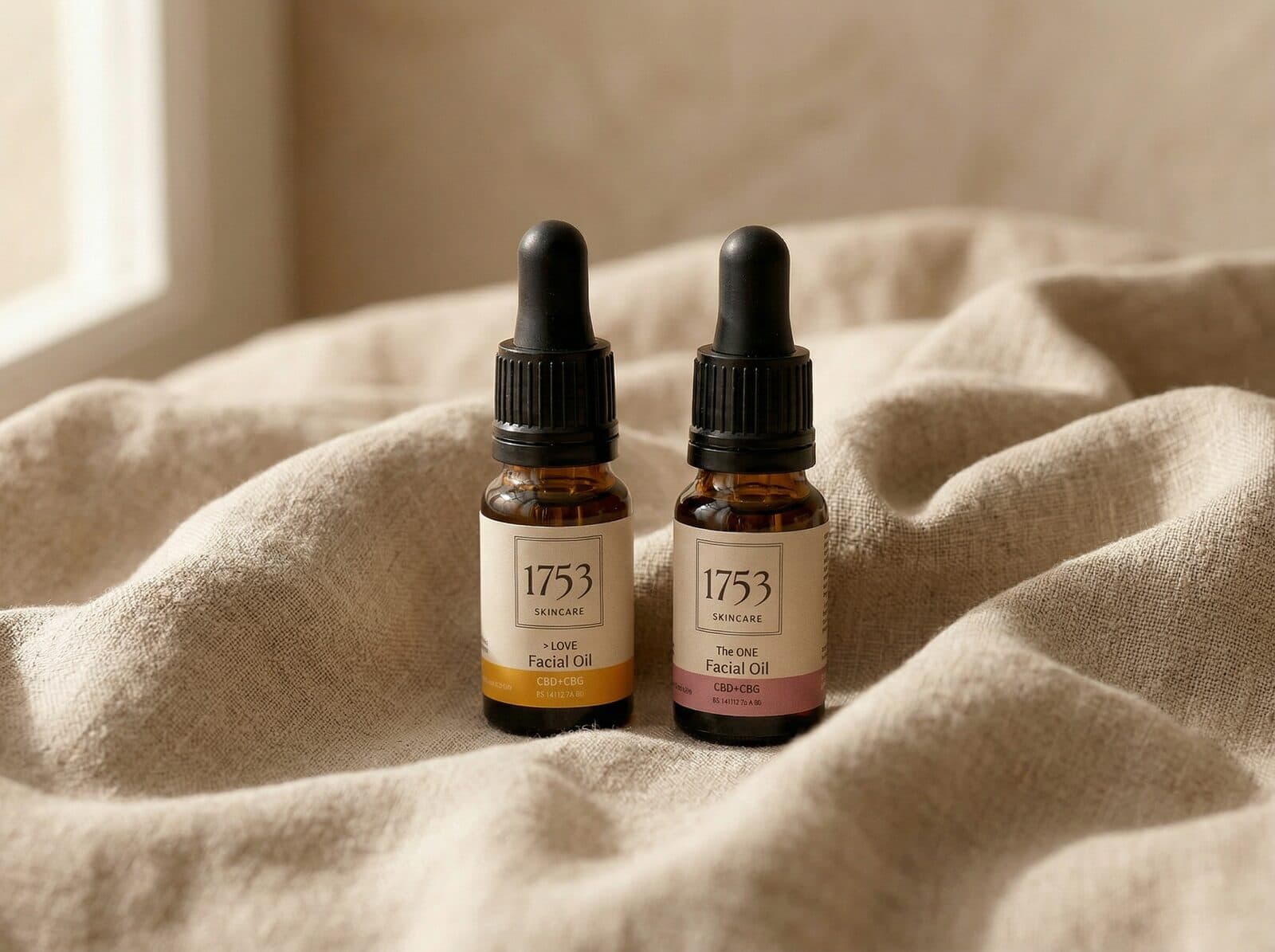
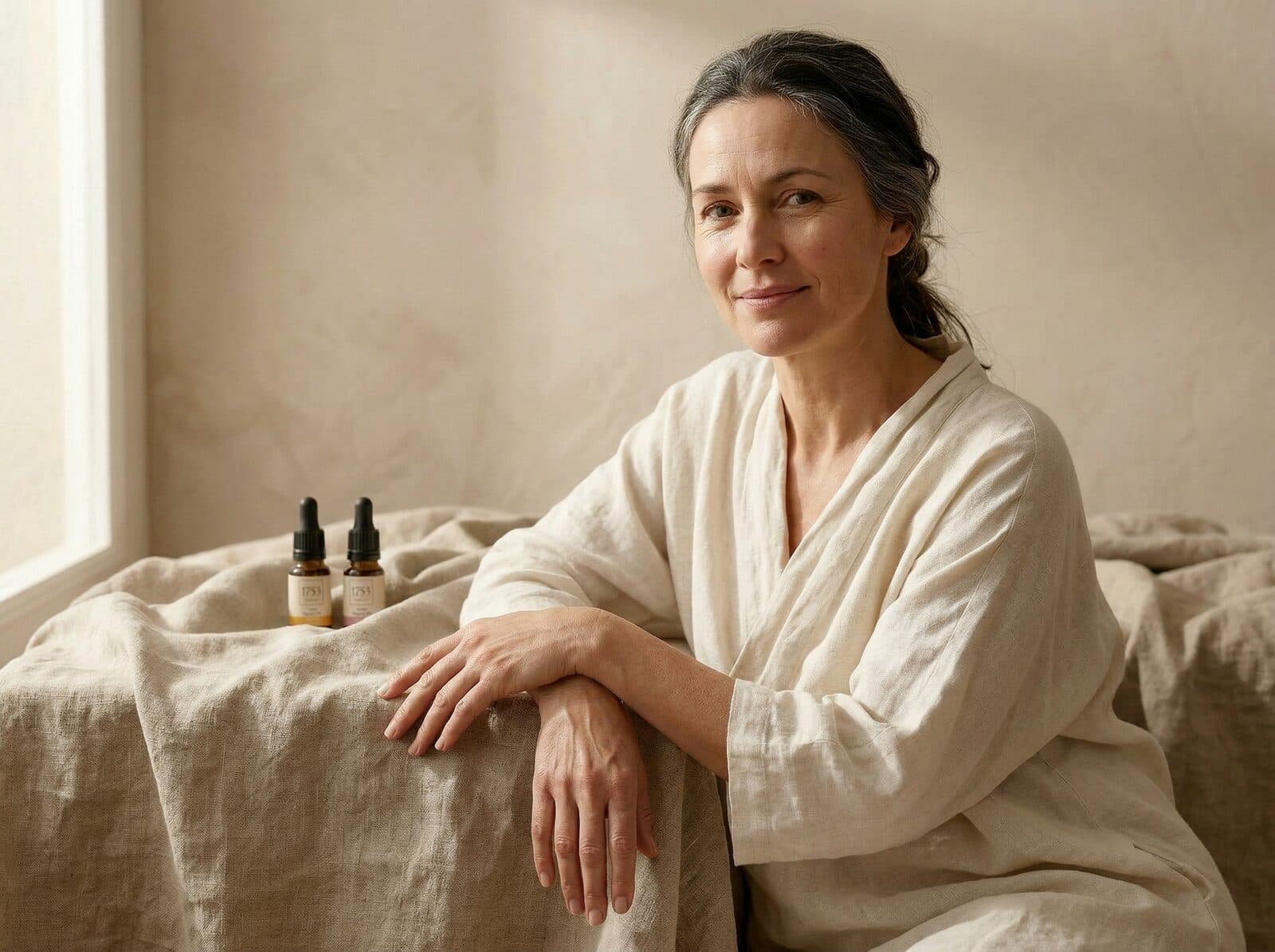
DUO kit
Two face oils, one for morning and one for evening. Simple skincare that works with your skin, not against it.
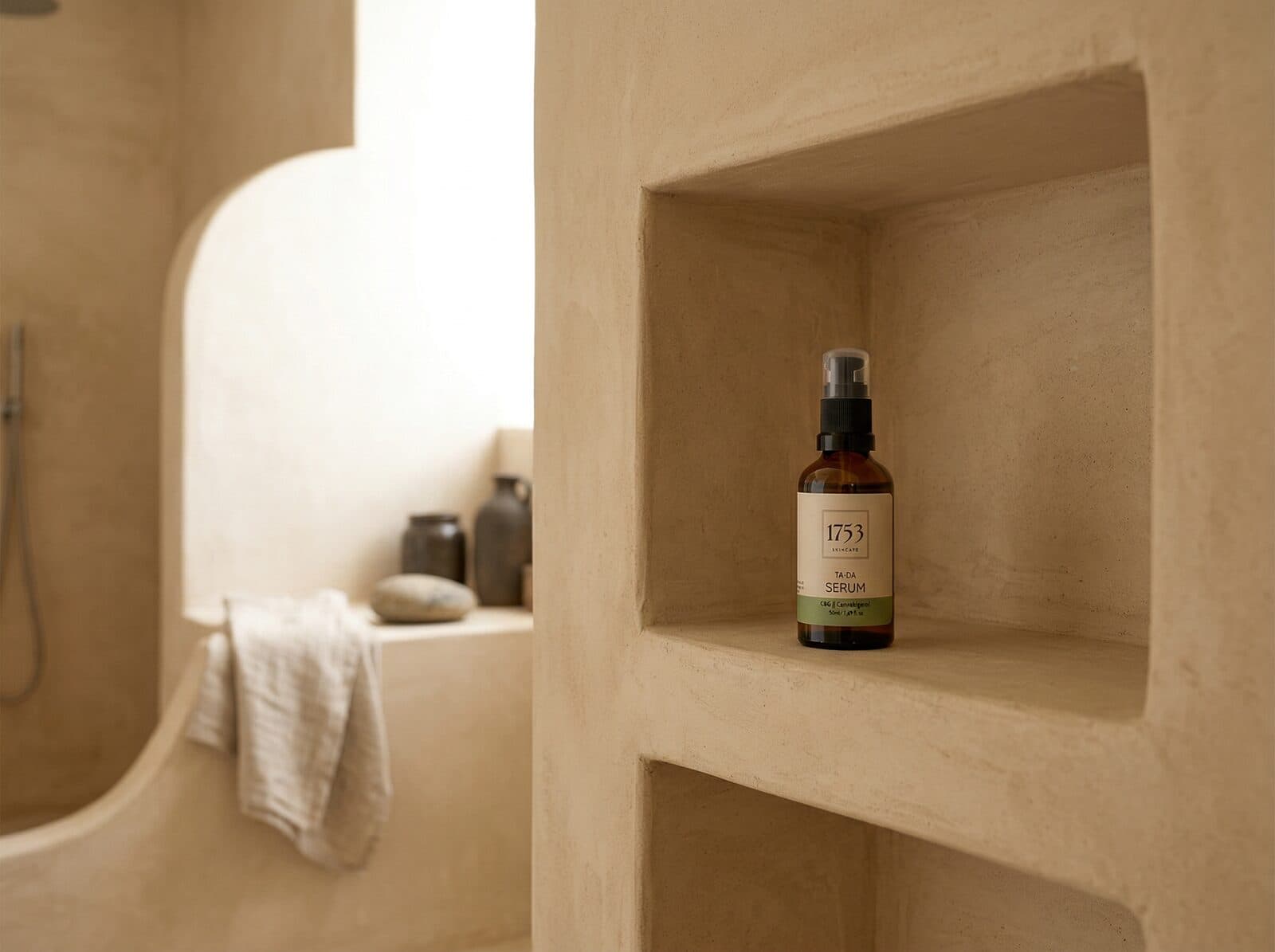
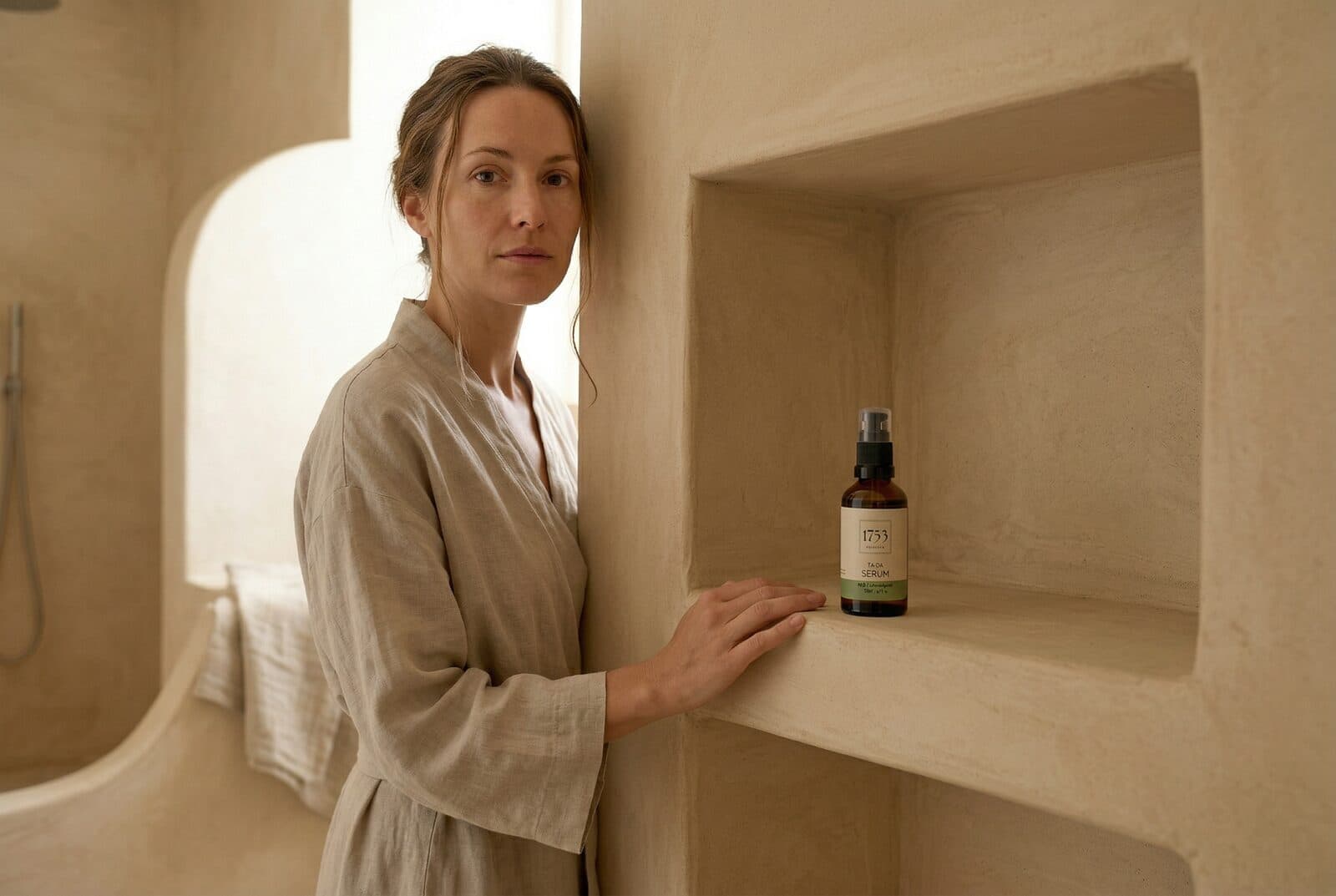
TA-DA Serum
A CBG-powered serum that seals in moisture and adds glow, whatever the season.
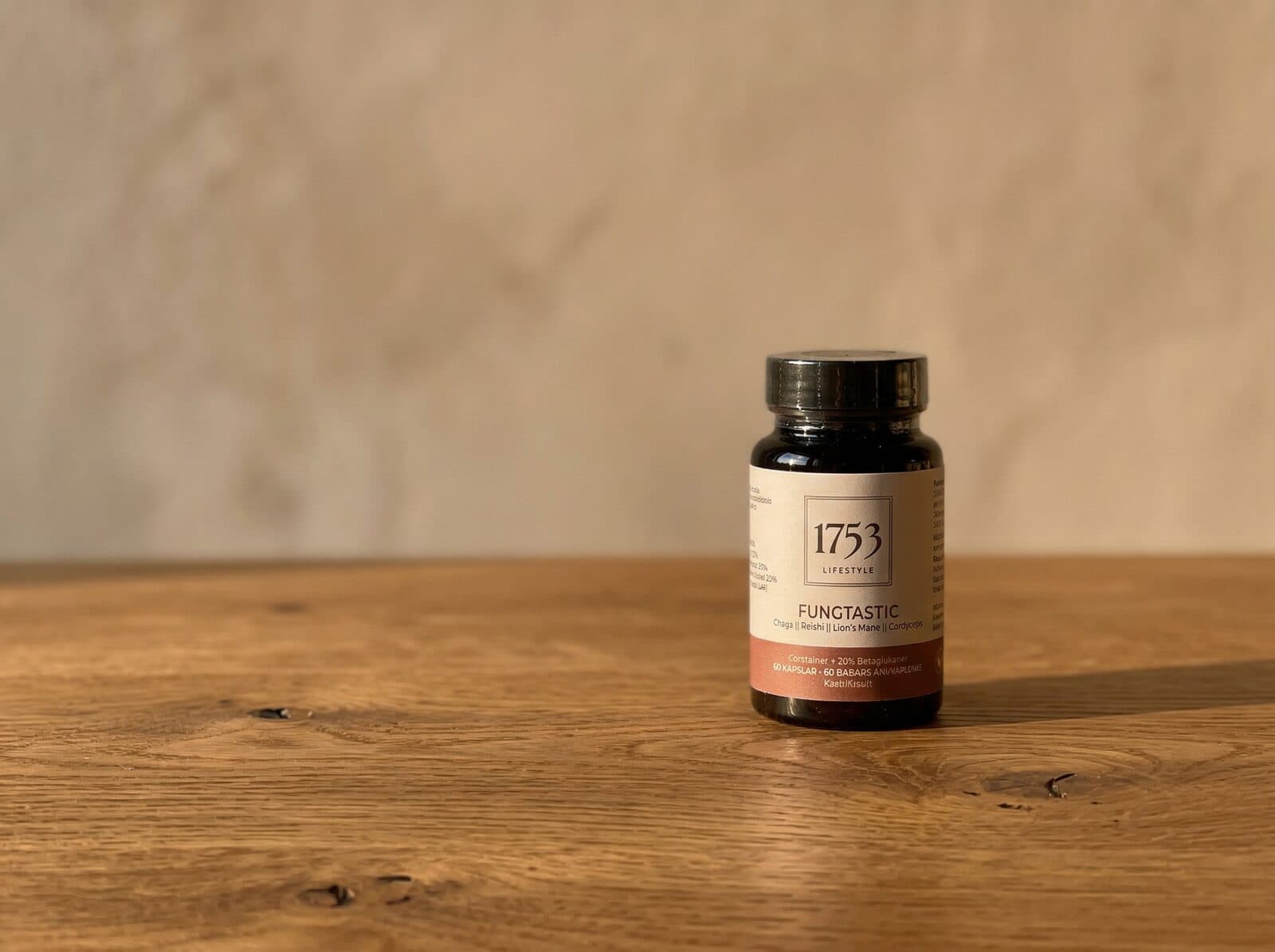
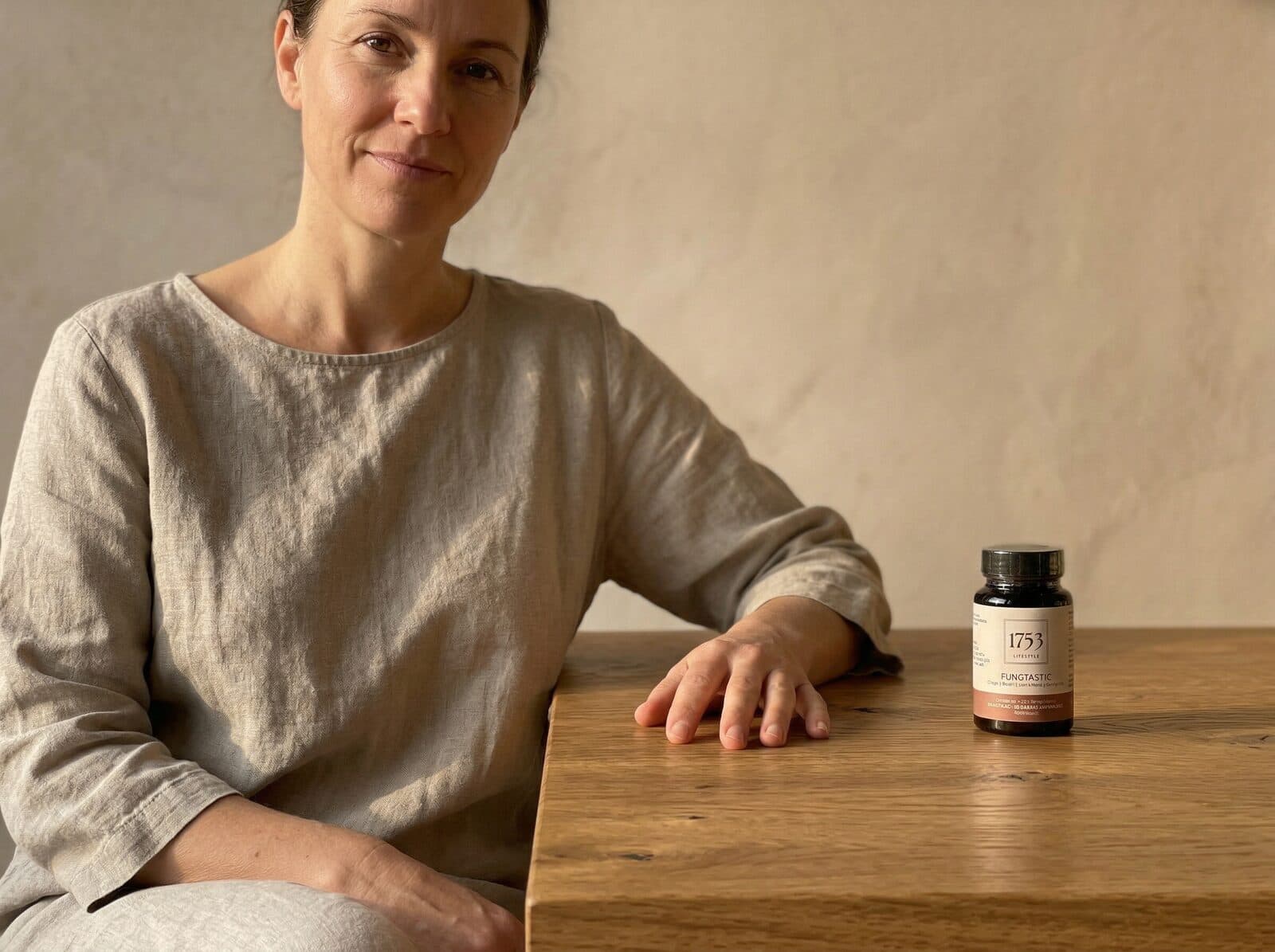
Fungtastic Mushroom Extract
Four mushrooms in one formula to support immunity, focus, energy and sleep from within.
Frequently asked questions
Can cold showers help skin?
For some people, yes: cold exposure can support circulation and create a fresher look. But if you have rosacea or flush easily, start gently and pay attention to what your skin does, not what your willpower wants.
Why do I go red after a cold shower?
It’s often vasoconstriction followed by rebound blood flow as the body warms back up. That swing can be more obvious if your vessels are already sensitive.
Should I do cold plunges if I have rosacea?
Not automatically. Some people tolerate small doses, others flare. Test short exposure, ideally in the morning, and check in 30 minutes later and again an hour later.
What if my skin feels stressed after cold?
Keep the rest of your routine simple that day. Gentle cleansing, calming skincare, and less friction are usually smarter than adding more actives.
Sources
- Chen Y, Lyga J. Brain-skin connection: stress, inflammation and skin aging. Inflamm Allergy Drug Targets 2014;13(3):177–190.
- Walker MP, van der Helm E. Overnight therapy? The role of sleep in emotional brain processing. Psychol Bull 2009;135(5):731–748.
- Katta R, Desai SP. Diet and Dermatology: The Role of Dietary Intervention in Skin Disease. J Clin Aesthet Dermatol 2014;7(7):46–51.
Article reviewed by Christopher Genberg, founder of 1753 SKINCARE.
Related articles
Wellness
Sleep skin connection – when the night does the work
Beauty sleep is not a cliché. While you sleep, cortisol drops, growth hormone rises and the body get...
Wellness Axis
Gut skin connection – when the gut shows on your face
Your skin is not a separate island. It listens to your gut, your stress, and the state of your intes...
WELLNESS
Stress skin – when your body hits the alarm button
You usually feel it before you can explain it: redness, tightness, stinging, or a psoriasis flare th...
Lifestyle
Perimenopause and skin – when everything shifts at once
One day your skin feels drier, thinner and suddenly touchy. Adult acne may show up, fine lines look ...
Cyclic Skincare
Menstrual Cycle and Skin – why one routine doesn’t fit all
Your skin doesn’t run on a fixed schedule; it runs with your body. Across the menstrual cycle, hormo...
Postpartum Skin
Postpartum skin – why it changes so much
After pregnancy, skin can feel like it belongs to someone else. Hormones drop, sleep gets broken, an...