
Comparison
Jojoba vs argan – wax meets oil
Jojoba and argan often sit side by side, but they do not behave the same on skin. One is closer to a wax ester than a classic oil, the other is a richer plant oil. That difference shows up in absorption, feel, and how skin responds over time.

Are they really the same kind of skincare?
No. Jojoba is made mostly of wax esters, which makes it behave more like your skin’s own sebum than a traditional oil. That is why it often feels light, spreads easily, and can seem more balancing for combination skin or skin that gets shiny fast.
Argan oil, on the other hand, is a true oil with a more classic fatty-acid profile, where linoleic acid and oleic acid bring softness and glide. It often absorbs differently: less “sebum-like,” more straightforward moisturising, with a richer finish that some people love and others find too heavy.
This is where mainstream skincare gets lazy: “all oils work for everyone.” Skin does not care about trend language; it cares about structure, amount, and barrier state. If you want the real answer, compare how quickly it settles, how your skin feels hours later, and whether it fits the rest of your routine.
Five ways to choose well
Think sebum, not hype
Choose jojoba if you want something that behaves more like your skin’s own oil. It often suits people who want softness without a heavy finish.
Go richer when needed
Choose argan if your skin feels tight, dry, or dull. It gives a more classic oil feel and can be especially comforting at night.
Test absorption properly
Judge it after 10–20 minutes, not right after application. A product that settles well for you is usually more useful than one that just feels luxurious for two minutes.
Match the skin type
Combination and easily shiny skin often gets along well with jojoba. Dry or mature skin may prefer argan’s more nurturing finish.
Keep the routine simple
If you already over-cleanse or over-exfoliate, do not add more active chaos. Add one calm oil and let your skin show you what it needs.
How to actually solve it
The smart move is not to pick sides like it is a fight club. Jojoba and argan can both work, but they do different jobs: jojoba for the light, sebum-like feel, and argan for a softer, more nourishing finish. For many people, the real win is stopping the overthinking and paying attention to skin tempo.
If you want a complement that does not try to take over the routine, The ONE is a natural choice when skin needs regulatory support without overload. If you want more calm with an antibacterial edge, I LOVE can be the better match, especially when skin feels reactive or easily unsettled. And if you want to build further, DUO-kit combines The ONE and I LOVE, giving you a full cannabinoid spectrum that works well together.
The point is simple: choose the base by feel, not by myth. Jojoba can be your everyday stabiliser, argan your evening softener, and 1753’s CBD + CBG combination a rarely disputed complement when you want more balance without attacking the skin.
Products we recommend
 Save €34
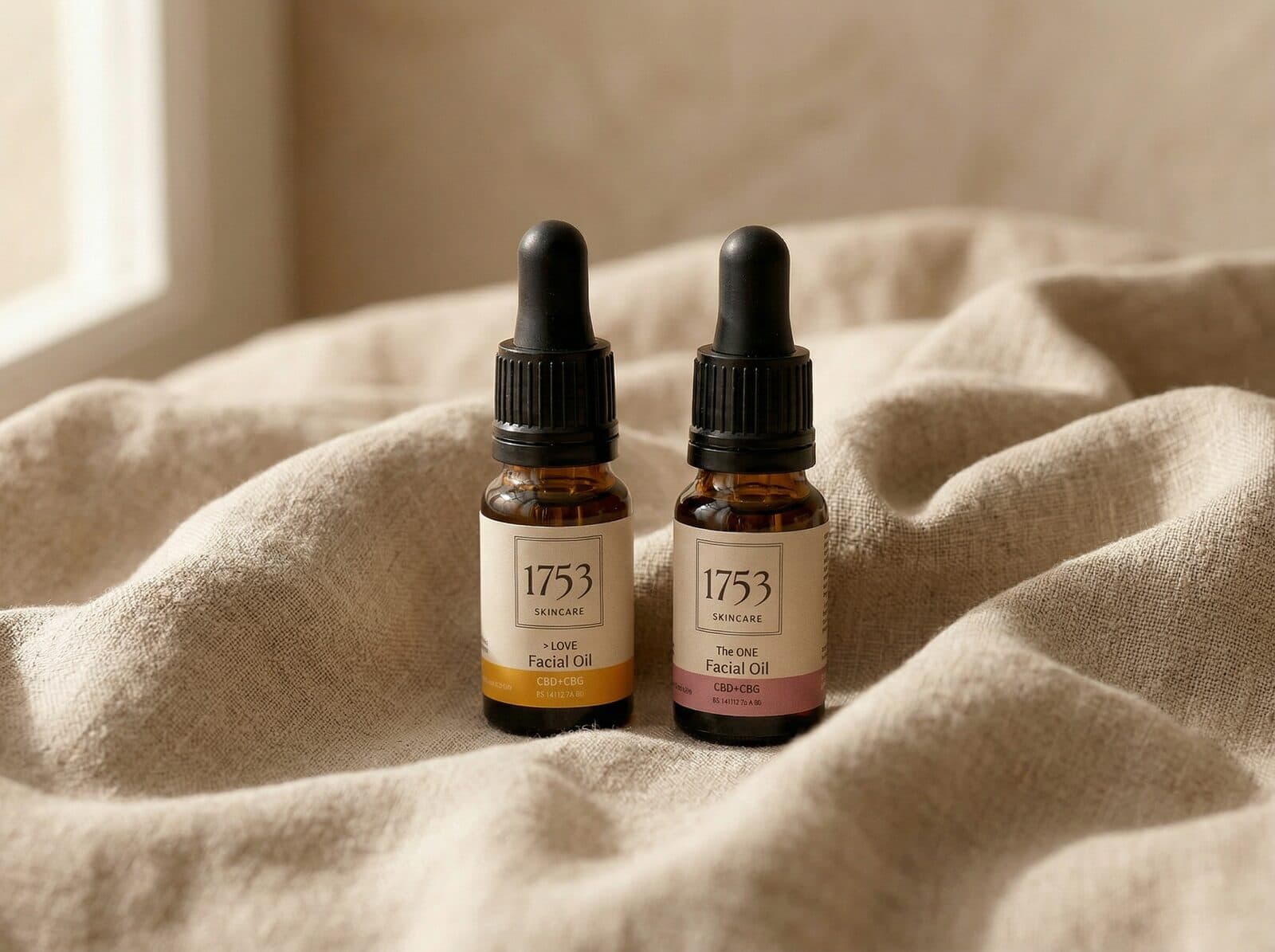
DUO kit
Two face oils, one for morning and one for evening. Simple skincare that works with your skin, not against it.
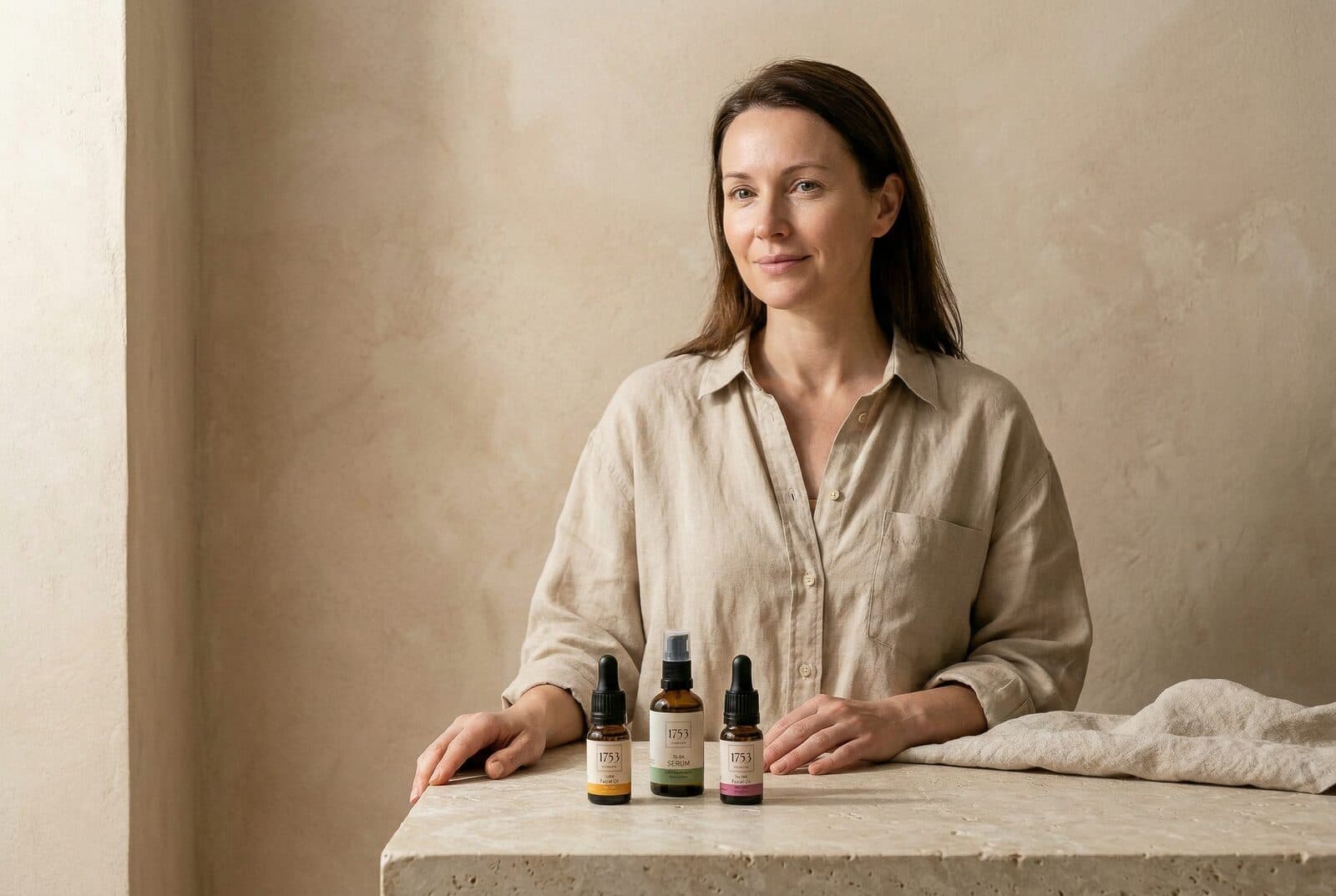 Save €60
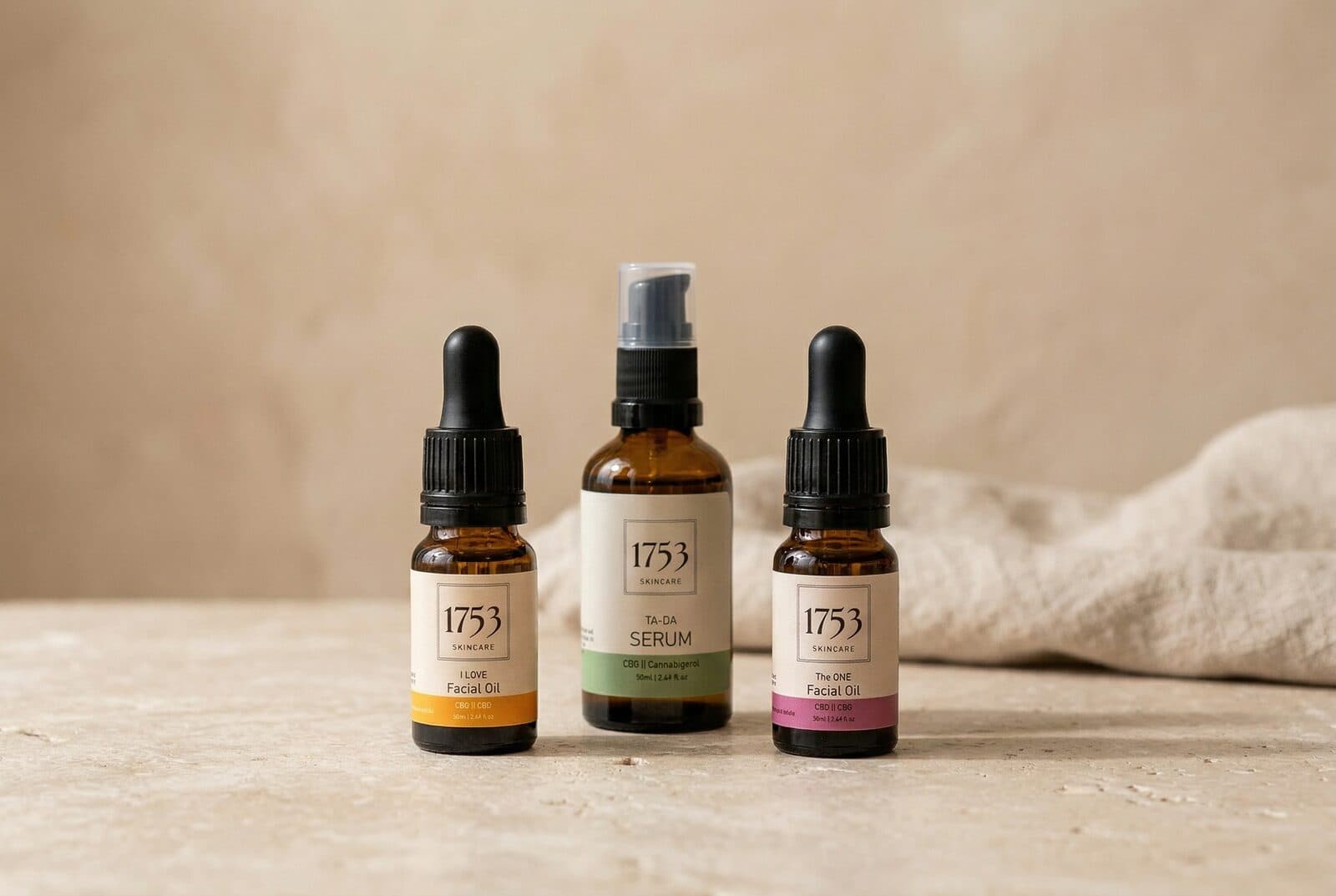
DUO kit + TA-DA Serum
The full routine in one: three products that help skin become calmer, stronger and more resilient.
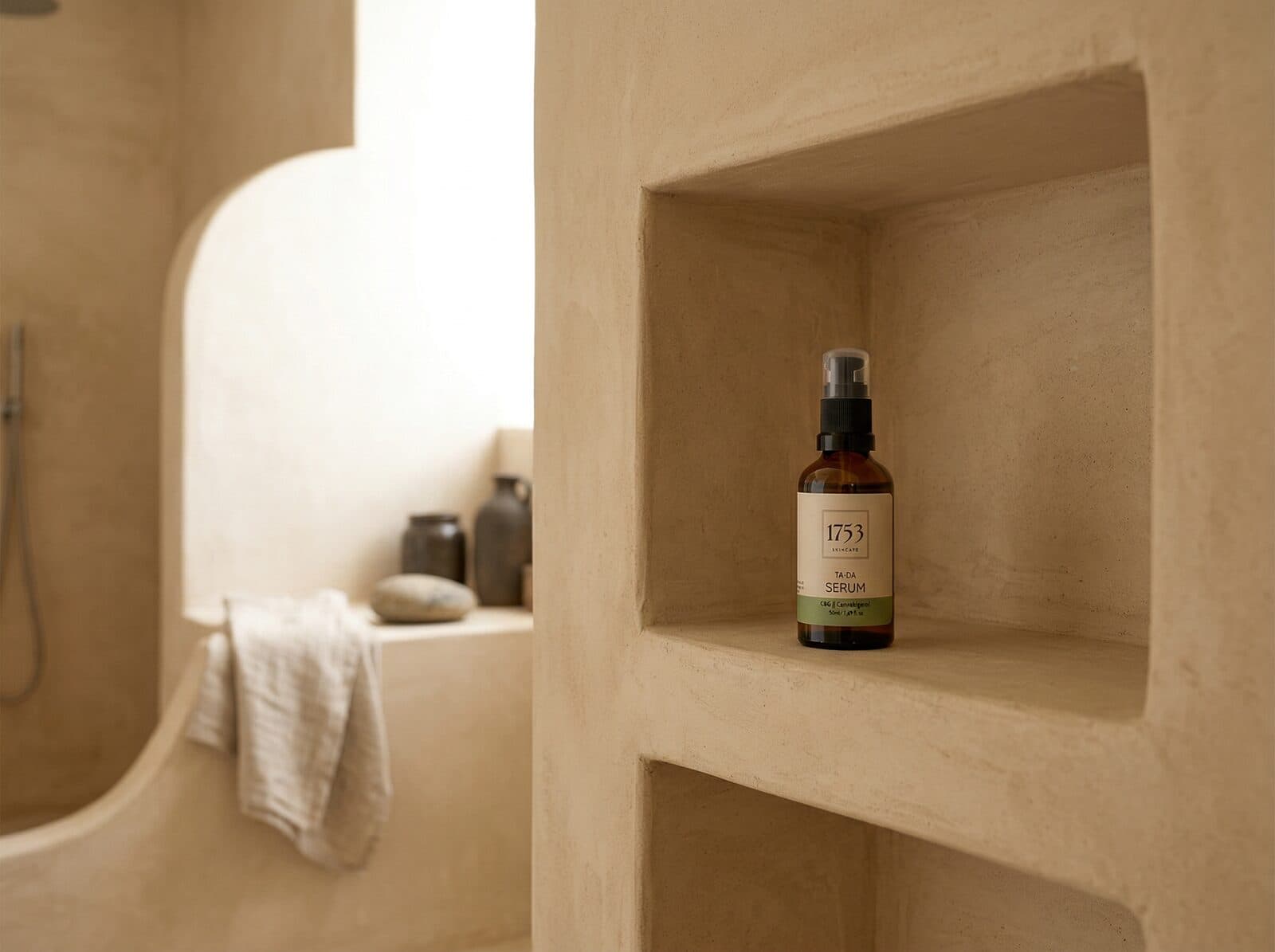
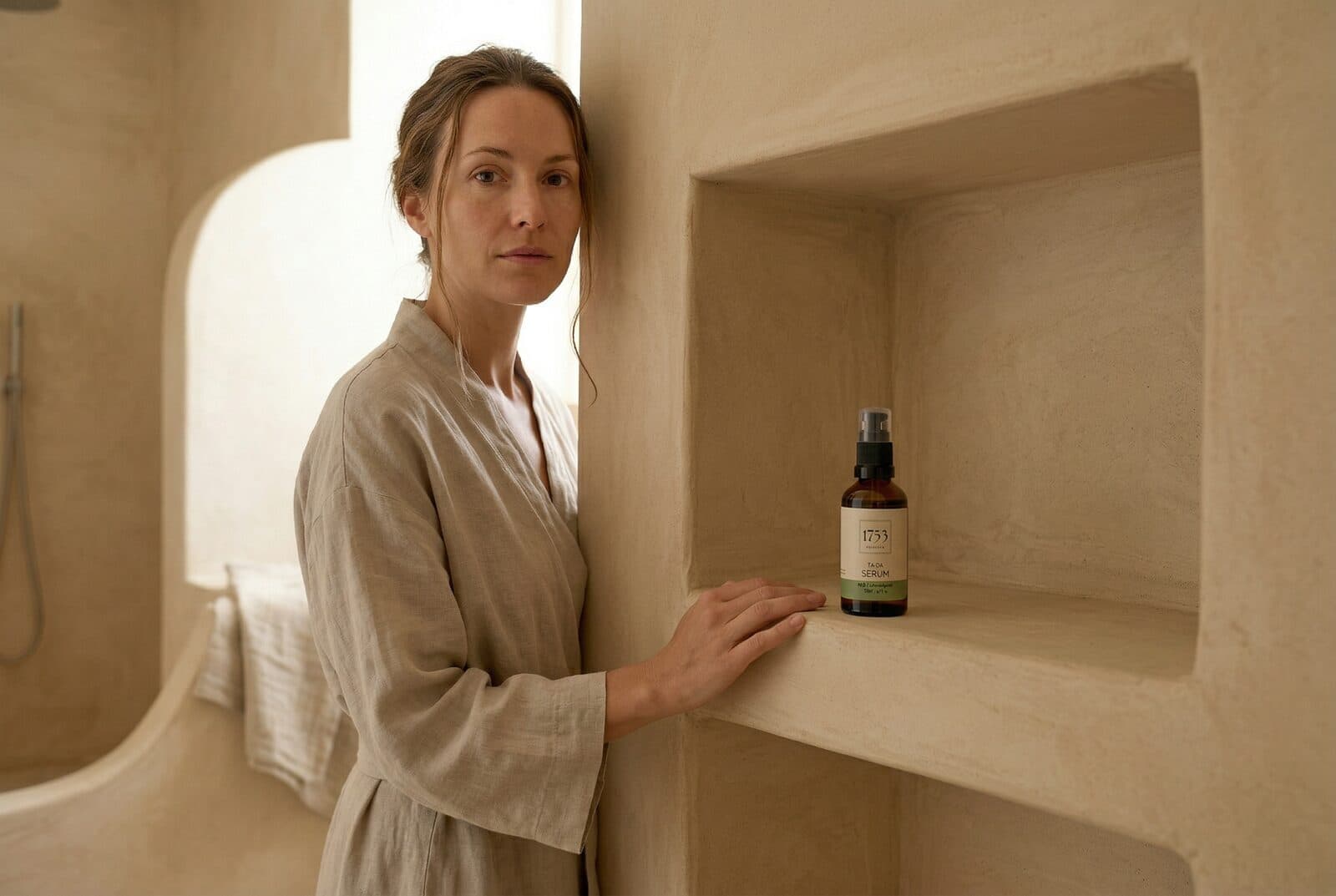
TA-DA Serum
A CBG-powered serum that seals in moisture and adds glow, whatever the season.
Frequently asked questions
Is jojoba actually an oil?
Technically, jojoba is mostly a wax ester rather than a classic plant oil. That is a big reason it feels so light and skin-like compared with many other oils.
Which absorbs faster?
It depends on skin and amount, but jojoba often feels faster and drier in finish. Argan can feel richer and leave more softness behind.
Can argan work for acne-prone skin?
For some people, yes. If you get shiny easily or react to heavier products, jojoba is often the safer first test.
Can I use them with 1753?
Yes. Many people use one of the oils as a base and let The ONE or I LOVE add balance and calm without making the routine more complicated.
Sources
- Oláh A, Tóth BI, Borbíró I, et al. Cannabidiol exerts sebostatic and antiinflammatory effects on human sebocytes. J Clin Invest 2014;124(9):3713–3724.
- Tóth KF, Ádám D, Bíró T, Oláh A. Cannabinoid signaling in the skin: therapeutic potential of the c(ut)annabinoid system. Molecules 2019;24(5):918.
Article reviewed by Christopher Genberg, founder of 1753 SKINCARE.
Related articles
COMPARISON
cbd vs retinol – same conversation, different jobs
CBD and retinol are often grouped together, but they do not behave the same way. Retinol pushes cell...
Comparison
cbd vs hyaluronic acid – hydration or calm?
This is not a fight between two good ingredients. Hyaluronic acid draws water in. CBD works more aro...
COMPARISON
cbd vs niacinamide – two ways to less shine
If your skin is oily but also easily irritated, it is easy to get stuck between two classics: cbd vs...
Ingredient Portrait
cbd for skin – less noise, more balance
CBD for skin is interesting because it doesn’t try to bully the skin into behaving. It works with th...
Ingredient Portrait
cbg for skin – the mother cannabinoid that calms and renews
CBG usually lives in CBD’s shadow, but skin can tell the difference. This is the cannabinoid that ma...
Ingredient Portrait
Shea butter skin – rich, warm, not for everyone
Shea butter is one of skincare’s most loved butters, and one of the most misunderstood. It comes fro...