
COMPARISON
Soap vs cleansing milk – what does your barrier survive?
This is not a battle between “clean” and “dirty.” It’s about chemistry, pH and how much your skin can take before it feels tight, red or irritated. Soap can be effective. Cleansing milk can be kinder. The real question is which one your skin can live with.

Is soap really cleaner — or just harsher?
Soap works by lifting away oil and dirt through alkaline chemistry and surfactants. The catch is that classic soap often sits far from the skin’s natural pH of around 5.5, which can disrupt the barrier and leave skin drier over time. Research on barrier function shows that pH shifts affect enzyme activity, lipid balance and the skin’s ability to recover after cleansing.
Cleansing milk, especially a gentle non-soap formula, is designed to clean without pushing the skin as hard. It relies on milder emulsion systems and fewer aggressive degreasing agents. That doesn’t make it “better” in every case, but it is often the more forgiving option for dry, sensitive or barrier-stressed skin.
The “squeaky clean” idea is not always a win. SLS and other strong surfactants can remove dirt efficiently, but they can also strip the skin’s own lipids faster than the barrier can replace them. If you want your barrier to survive, cleansing should clean — not act like a tiny chemical punishment session.
Choose smarter, not harder
Check the pH
Look for formulas close to skin’s pH 5.5 if you get tight or flaky easily. A more skin-like pH is usually gentler on the barrier than traditional soap.
Read the surfactants
Watch for SLS or other heavy degreasers. They cleanse well, but they are not the first choice if your skin already feels stressed or stripped.
Pick milk for dryness
Cleansing milk often suits dry, reactive or easily flushed skin better. It tends to leave less of that post-wash tightness people mistake for “clean.”
Stop over-cleansing
You do not need to wash until your skin squeaks. Good cleansing removes SPF, makeup and grime without wrecking your own oil balance.
Think about the full routine
If you use actives or live in a dry climate, a milder cleanse matters even more. Barrier damage usually comes from too much, too often — not from one product alone.

Here is the practical answer
If your skin tolerates soap and you genuinely like it, that’s fine — just know what you’re choosing. For many people, the smarter route is gentler: Au Naturel Makeup Remover uses MCT oil to dissolve makeup and daily grime without the harsh, dehydrating feel classic soap can leave behind.
When skin is already off-balance, it usually does not need “more cleansing”; it needs less friction. That is where The ONE and I LOVE make sense as a calm second step: CBD + MCT for skin regulation and CBG to help skin stay quieter, less reactive and less offended by the world.
Whichever side you land on, 1753’s CBD + CBG combination is a rarely controversial companion. Start with a clean, mild cleanse, then support the skin with The ONE or I LOVE depending on what it actually needs. Not glamorous. Just sensible.
Products we recommend
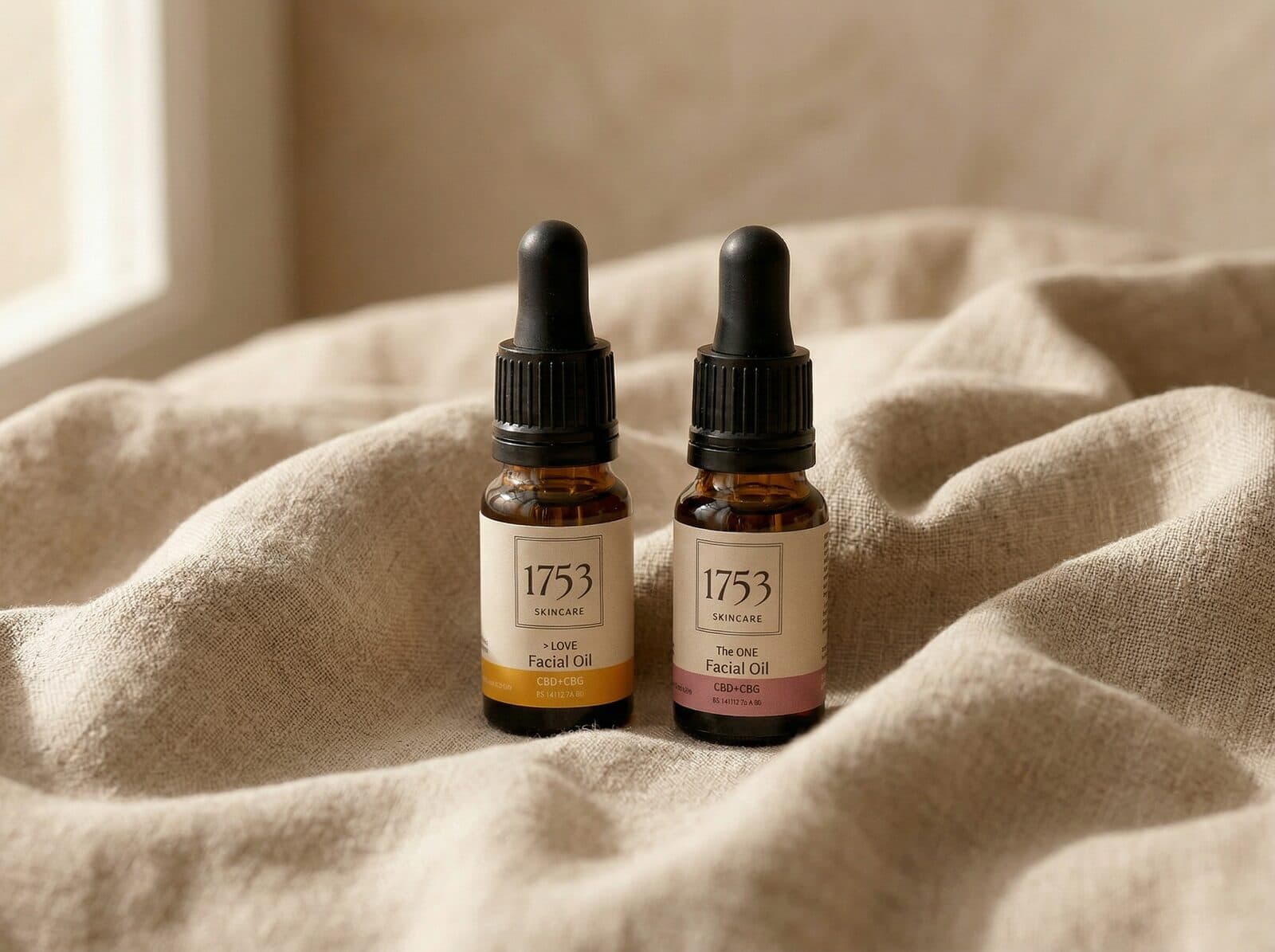
 Save €34
DUO kit
Two face oils, one for morning and one for evening. Simple skincare that works with your skin, not against it.
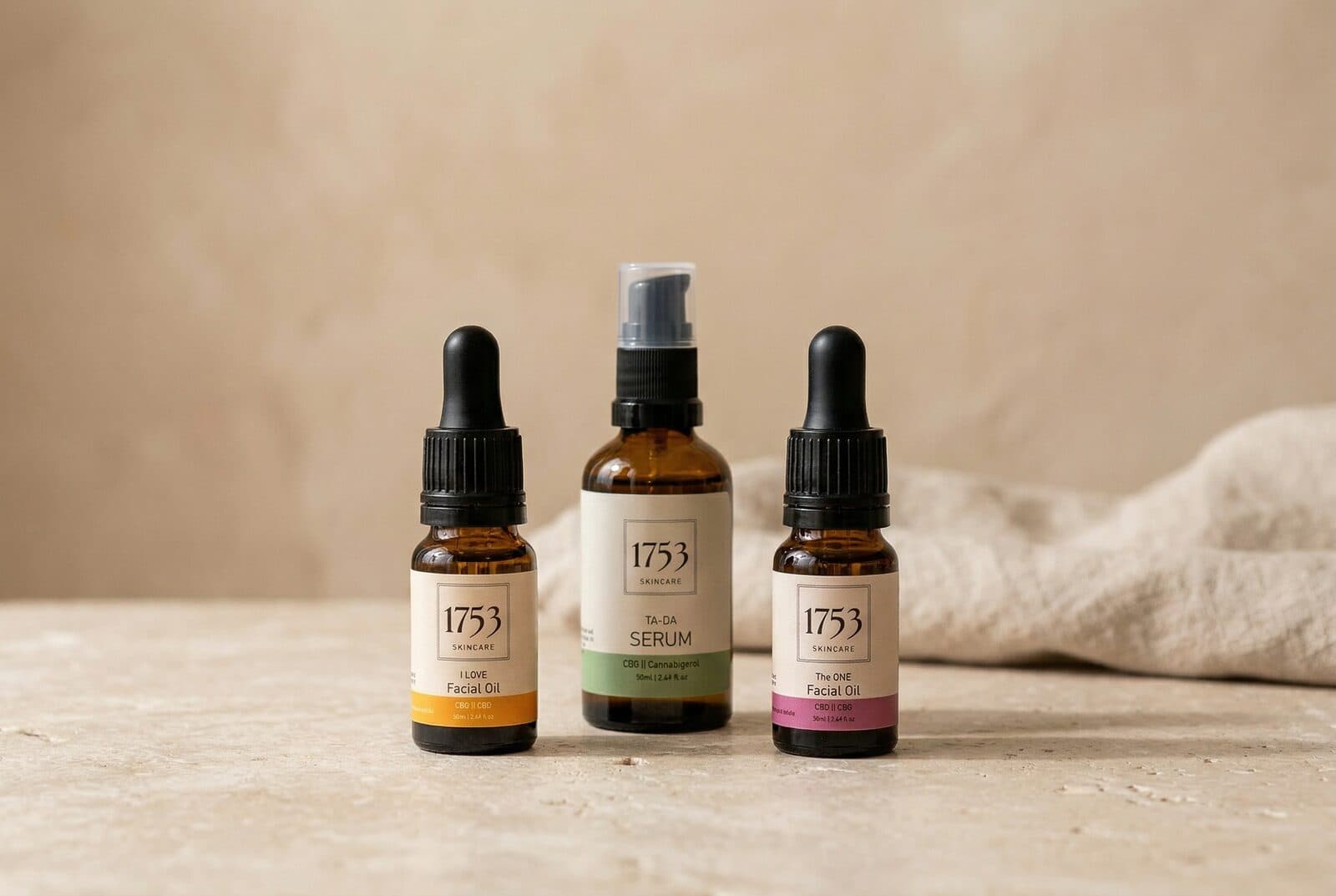
 Save €60
DUO kit + TA-DA Serum
The full routine in one: three products that help skin become calmer, stronger and more resilient.
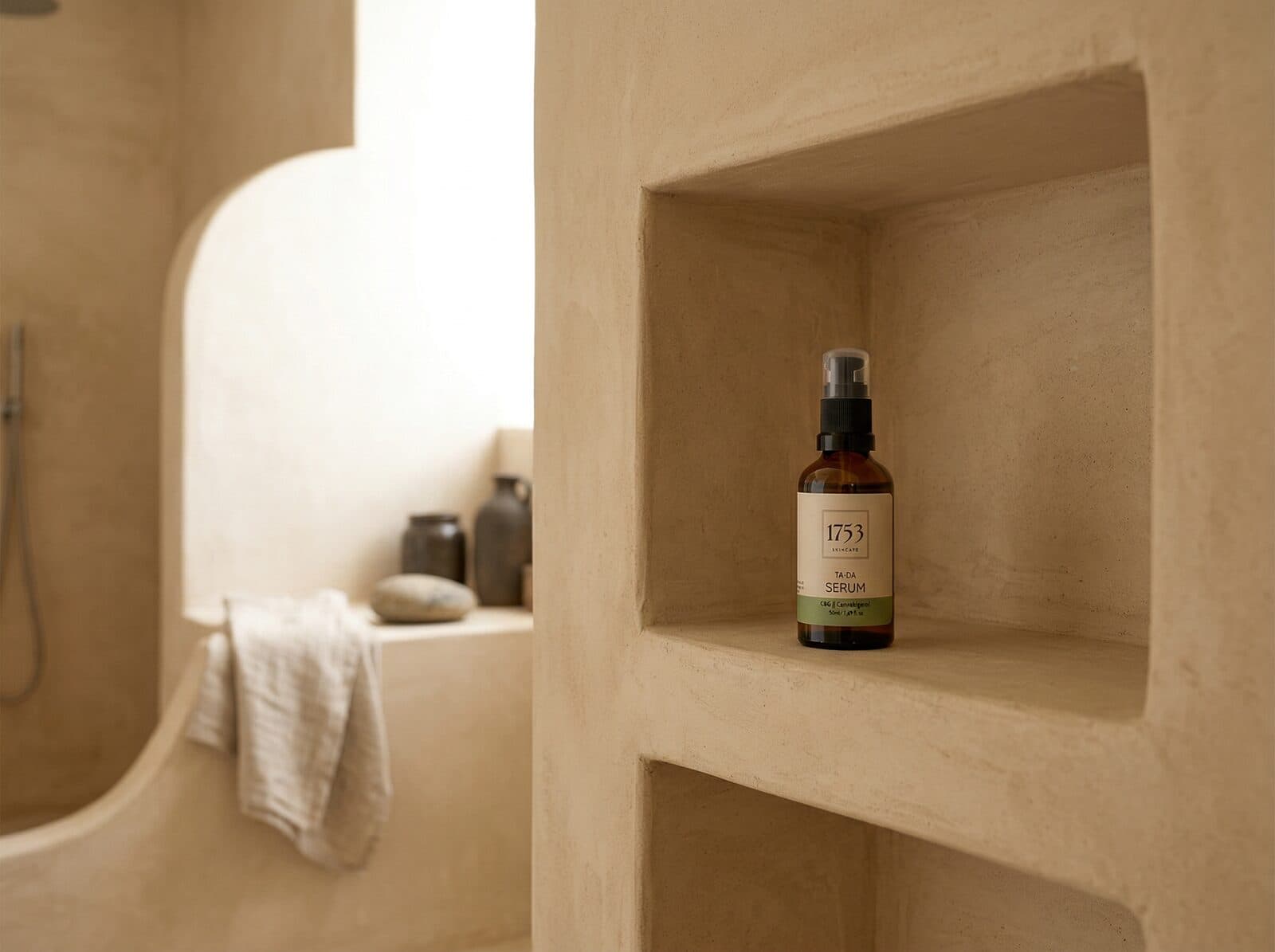
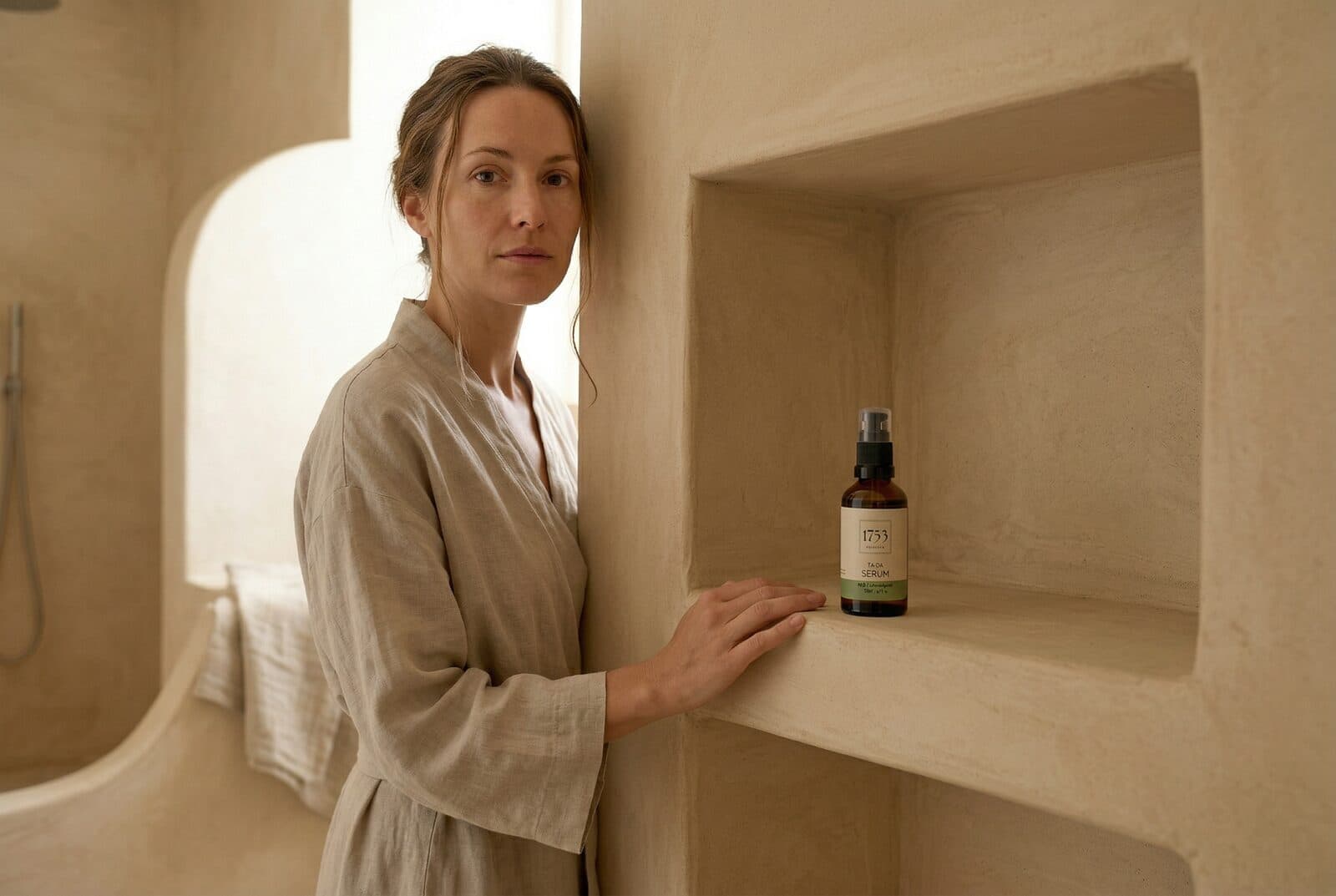
TA-DA Serum
A CBG-powered serum that seals in moisture and adds glow, whatever the season.
Frequently asked questions
Is soap always bad for skin?
No, not for everyone. Some skin types handle soap just fine, especially if the formula is mild. But if you often feel tight, dry or red, classic soap is more likely to work against you.
What does gentle non-soap mean?
In practice, it means a cleanser that is not based on traditional soap. It is usually built with milder emulsions and surfactants so skin loses less of its own lipids during cleansing.
Why does everyone mention pH 5.5?
Because skin tends to function best in a slightly acidic range. That helps barrier enzymes do their job and makes it less likely that cleansing leaves your skin dry and unsettled.
Is cleansing milk too mild for dirty skin?
Not necessarily. A good cleansing milk can remove SPF, light makeup and daily buildup effectively. If you wear heavy or waterproof makeup, you may need a two-step approach.
Sources
- Oláh A, Tóth BI, Borbíró I, et al. Cannabidiol exerts sebostatic and antiinflammatory effects on human sebocytes. J Clin Invest 2014;124(9):3713–3724.
- Tóth KF, Ádám D, Bíró T, Oláh A. Cannabinoid signaling in the skin: therapeutic potential of the c(ut)annabinoid system. Molecules 2019;24(5):918.
Article reviewed by Christopher Genberg, founder of 1753 SKINCARE.
Related articles
COMPARISON
cbd vs retinol – same conversation, different jobs
CBD and retinol are often grouped together, but they do not behave the same way. Retinol pushes cell...
Comparison
cbd vs hyaluronic acid – hydration or calm?
This is not a fight between two good ingredients. Hyaluronic acid draws water in. CBD works more aro...
COMPARISON
cbd vs niacinamide – two ways to less shine
If your skin is oily but also easily irritated, it is easy to get stuck between two classics: cbd vs...
Ingredient Portrait
cbd for skin – less noise, more balance
CBD for skin is interesting because it doesn’t try to bully the skin into behaving. It works with th...
Ingredient Portrait
cbg for skin – the mother cannabinoid that calms and renews
CBG usually lives in CBD’s shadow, but skin can tell the difference. This is the cannabinoid that ma...
Ingredient Portrait
Shea butter skin – rich, warm, not for everyone
Shea butter is one of skincare’s most loved butters, and one of the most misunderstood. It comes fro...