
Lifestyle & Skin
Hormones and skin – the hidden drivers behind your complexion
Every time your skin changes without obvious reason – breakouts before your period, sudden dryness, pigment shifts – it's most likely hormones pulling the strings. They are your skin's hidden conductors, and understanding them is the key to stop chasing symptoms.

How do hormones affect the skin?
The skin is a hormonal target organ. It has receptors for estrogen, progesterone, testosterone, cortisol, thyroid hormones, and insulin – and it responds to every fluctuation. During puberty, androgens trigger acne. Throughout the menstrual cycle, estrogen and progesterone control oil production, water retention, and inflammation sensitivity week by week.
During pregnancy, melasma (dark patches) can occur when melanocytes are overstimulated by estrogen. In perimenopause, estrogen production gradually declines, leading to thinner skin, decreased collagen synthesis, and increased dryness. Men with declining testosterone after 40 lose skin thickness and elasticity. PCOS, thyroid disorders, and insulin resistance are all hormonal conditions that clearly manifest in the skin.
The problem with conventional skincare? It treats the skin as if it exists in a vacuum. But the skin is part of an endocrine system in constant motion. Without addressing hormonal balance, you're repairing the facade while the foundation sways.
Support your hormonal balance naturally
Sleep 7–9 hours
Sleep is critical for hormone production. Growth hormone, melatonin, and sex hormones are produced mainly at night. Poor sleep creates cortisol excess and hormonal chaos that shows directly in the skin.
Balance your blood sugar
Insulin spikes drive androgen production and worsen hormonal acne. Eat protein and fat with every meal, avoid fast carbs on an empty stomach. Stable blood sugar means more stable hormones.
Exercise right
Moderate exercise balances estrogen, lowers cortisol, and improves insulin sensitivity. Overtraining does the opposite – it stresses the body and can disrupt the menstrual cycle. Listen to your body.
Manage xenoestrogens
Plastic packaging, conventional cosmetics, and pesticides contain substances that mimic estrogen in the body. Switch to glass, choose natural products, and eat organic when possible.
Adapt skincare to your cycle
Weeks 1–2 of the menstrual cycle (follicular phase) allow the skin to tolerate more active ingredients. Weeks 3–4 (luteal phase) call for more gentleness and barrier support. Listen instead of forcing.

CBD and hormonal skin balance
The endocannabinoid system (ECS) is closely connected to the endocrine system. ECS receptors are found in the adrenal glands, ovaries, thyroid, and pituitary – all central to hormone production. CBD interacts with the ECS and may contribute to smoother signaling between these organs and the skin.
For hormonal acne, where androgens drive excess oil production, CBD offers sebostatic properties that regulate the sebaceous glands without drying out the skin. Ta-Da Serum applied daily provides consistent anti-inflammatory support throughout the menstrual cycle, while Duo Ta-Da offers extra barrier protection during the luteal phase when skin is most reactive.
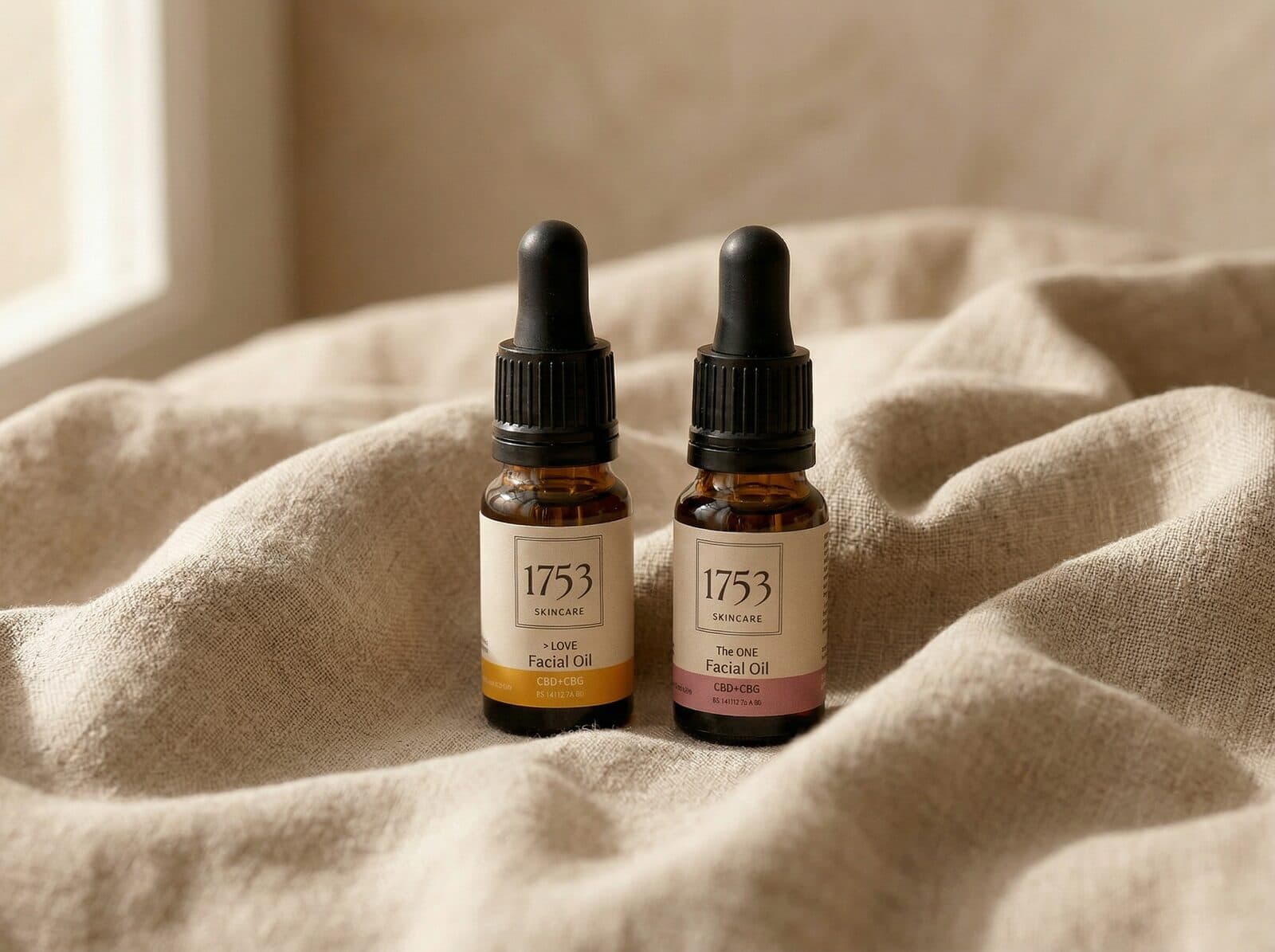
The Duo-kit with The ONE and I LOVE suits those wanting a complete routine addressing both inflammation and oil balance – particularly valuable for PCOS-related acne and perimenopausal skin changes.
Products we recommend
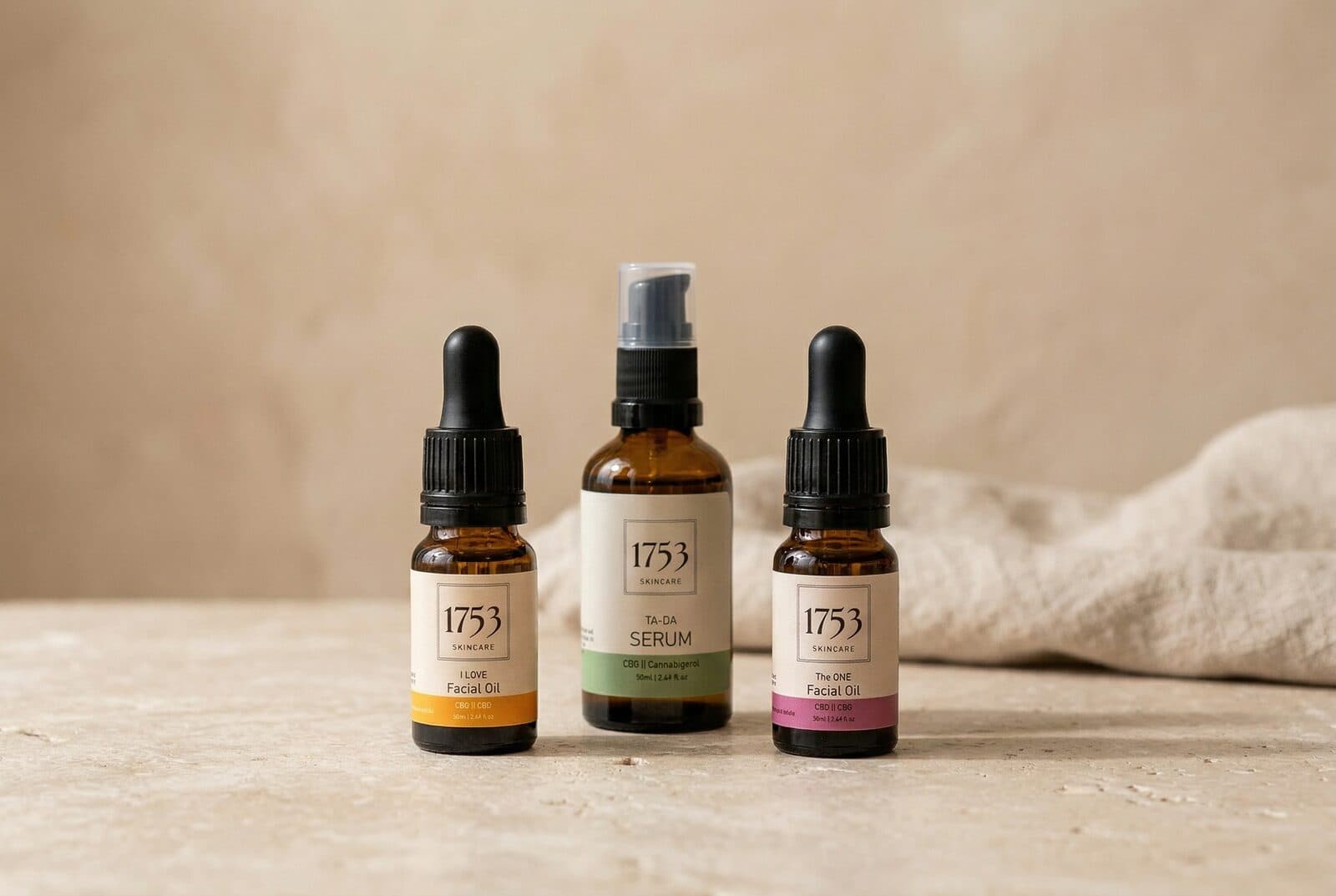
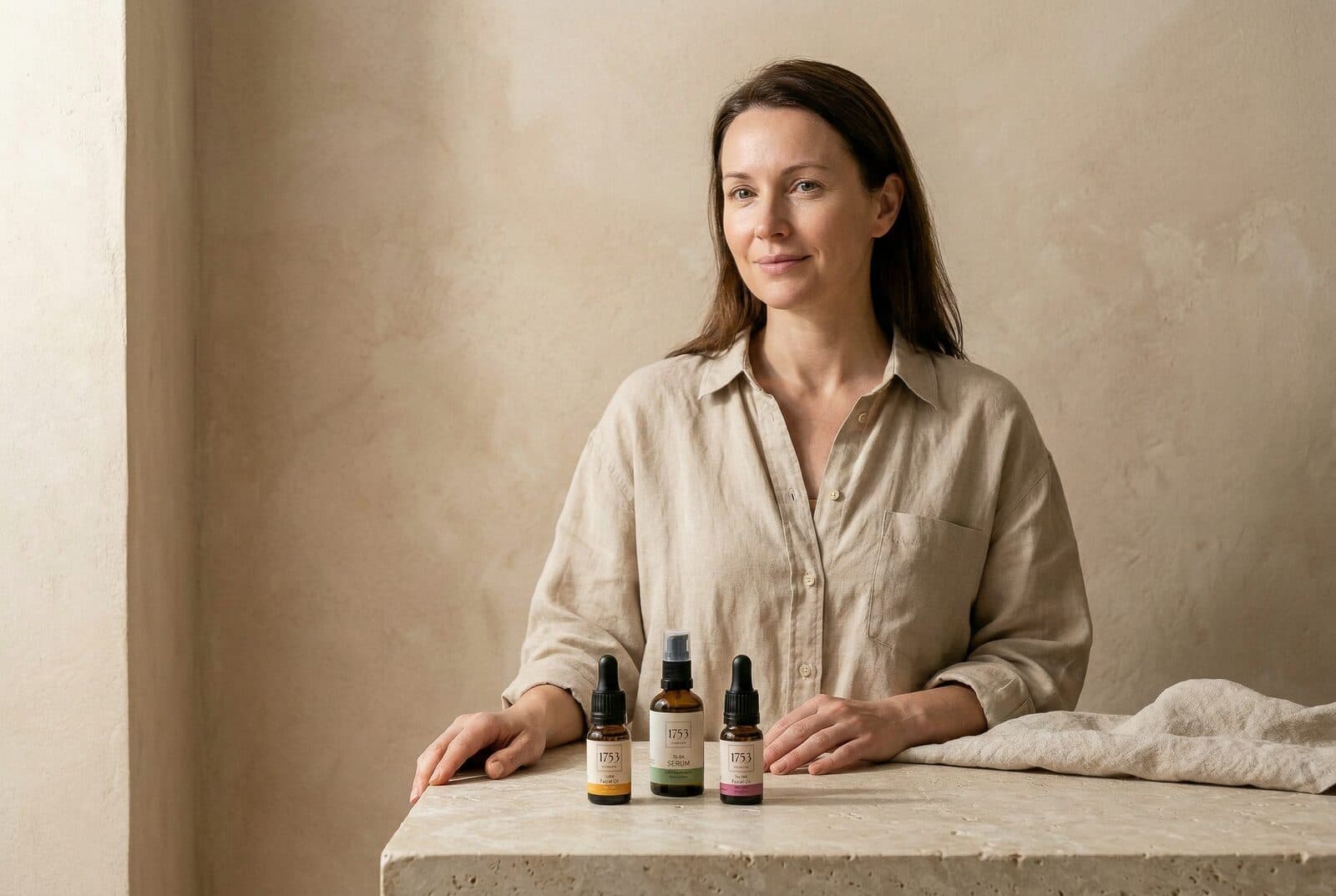 Save €60
DUO kit + TA-DA Serum
The full routine in one: three products that help skin become calmer, stronger and more resilient.
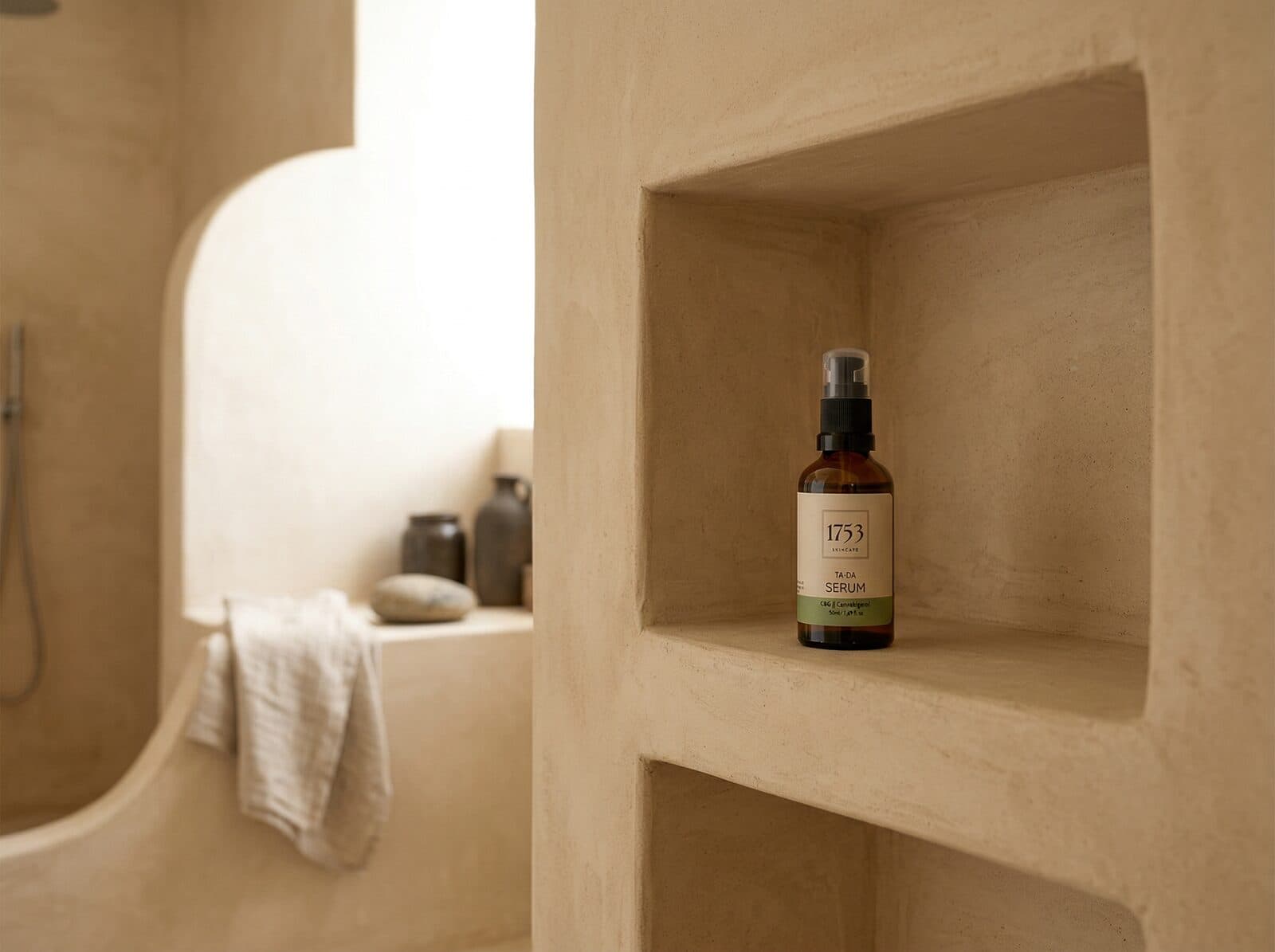
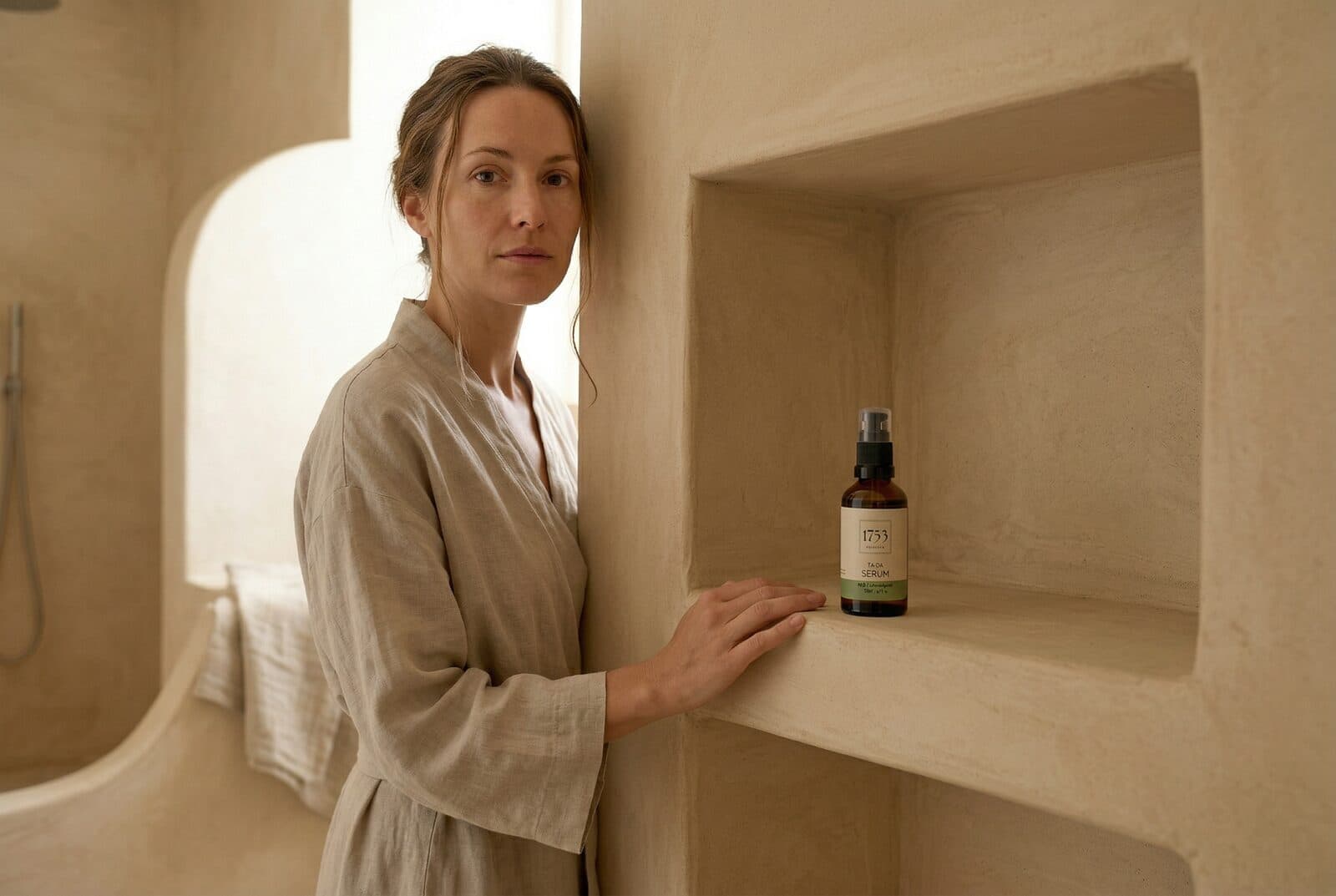
TA-DA Serum
A CBG-powered serum that seals in moisture and adds glow, whatever the season.
 Save €34
DUO kit
Two face oils, one for morning and one for evening. Simple skincare that works with your skin, not against it.
Frequently asked questions
Why do I break out before my period?
In the luteal phase (weeks 3–4), estrogen drops and progesterone rises, increasing oil production. At the same time, the skin becomes more inflammation-sensitive. It's a hormonal cocktail causing breakouts, not a lack of cleansing.
Can CBD balance hormones?
CBD doesn't directly affect hormone levels, but by supporting the endocannabinoid system, it can help the body manage hormonal fluctuations better. It's an indirect but meaningful support.
Does CBD help with menopausal skin changes?
Yes, CBD's moisturizing and anti-inflammatory properties address the most common issues – dryness, thinning skin, and increased sensitivity. It doesn't replace hormone therapy but supports the skin directly.
Should I change skincare products during my cycle?
You don't need to overhaul your entire routine, but adapt. More active ingredients during the follicular phase, more gentleness and barrier support during the luteal phase. CBD serum works throughout the cycle thanks to its balancing action.
Sources
- Chen Y, Lyga J. Brain-skin connection: stress, inflammation and skin aging. Inflamm Allergy Drug Targets 2014;13(3):177–190.
- Walker MP, van der Helm E. Overnight therapy? The role of sleep in emotional brain processing. Psychol Bull 2009;135(5):731–748.
- Katta R, Desai SP. Diet and Dermatology: The Role of Dietary Intervention in Skin Disease. J Clin Aesthet Dermatol 2014;7(7):46–51.
Article reviewed by Christopher Genberg, founder of 1753 SKINCARE.
Related articles
Lifestyle & Skin
Diet and skin – you literally are what you eat
Every skin cell you have today was built from what you ate a few months ago. Collagen requires vitam...
Lifestyle & Skin
Smoking and skin – the truth no cigarette tells you
Every cigarette delivers over 4,000 chemicals to your body, and your skin bears every single one of ...
Lifestyle
Perimenopause and skin – when everything shifts at once
One day your skin feels drier, thinner and suddenly touchy. Adult acne may show up, fine lines look ...
How to
Natural retinol alternatives – when your skin wants results, not punishment
Retinol has been crowned the answer to everything, but skin rarely cares about trends. If you’re sen...
Anti-aging
How to reduce wrinkles – honest strategies without false promises
We won't lie: no cream can erase thirty years of sun damage. But you can absolutely slow the process...
Skin Tone
How to even skin tone – without bleaching or stressing the skin
Dark spots, redness, and uneven tone rarely mean your skin is doing something wrong. It's reacting t...