
COMPARISON
Scrub vs AHA – when your skin pushes back
Not every exfoliant works the same way. A scrub can feel satisfying, but it can also create microtears and put extra pressure on an already tired barrier. AHA works differently: more controlled, more chemical, less friction. The real question is not what feels strongest – but what your skin can handle long term.

Is scrubbing helping, or just rubbing?
Mechanical exfoliation depends on friction. Older formulas with harsh grains, and even some polymer beads, can deliver that instant “fresh” feeling while also causing tiny surface injuries. It is not always dramatic, but repeated abrasion can add up, especially if your skin is dry, red, or reactive.
AHA, such as glycolic acid, works differently. It loosens the bonds between dead skin cells so they release more evenly. Research on chemical exfoliation often points to better control over smoothness and glow, but also shows that strength, pH, and frequency decide how gentle the treatment really is. More is not automatically better.
The mainstream advice for years has been to scrub dullness away. But skin is not a pan. If your barrier is already stressed by harsh cleansing, over-exfoliation, and too many actives, the next move is rarely more rubbing. In that case, the smarter choice is the method that gets the job done without provoking your skin for no reason.
How to choose better
Check how it feels after
If your skin stings, tightens, or stays red for a long time after exfoliating, friction is probably too much. A mild AHA can often give a smoother result with less mechanical stress.
Look at the particles
Round, soft particles are usually kinder than sharp ones. Still, even “gentle” scrubs can become too much if you press hard or use them too often.
Match it to your skin
Dry, sensitive, or acne-prone skin often does better with controlled exfoliation than with abrasive scrubs. Normal, resilient skin may tolerate both – just not as often as marketing suggests.
Cut back on frequency
Exfoliation does not work better just because you do it more often. In fact, skin can become more uneven when you push too hard, too frequently.
Support the barrier
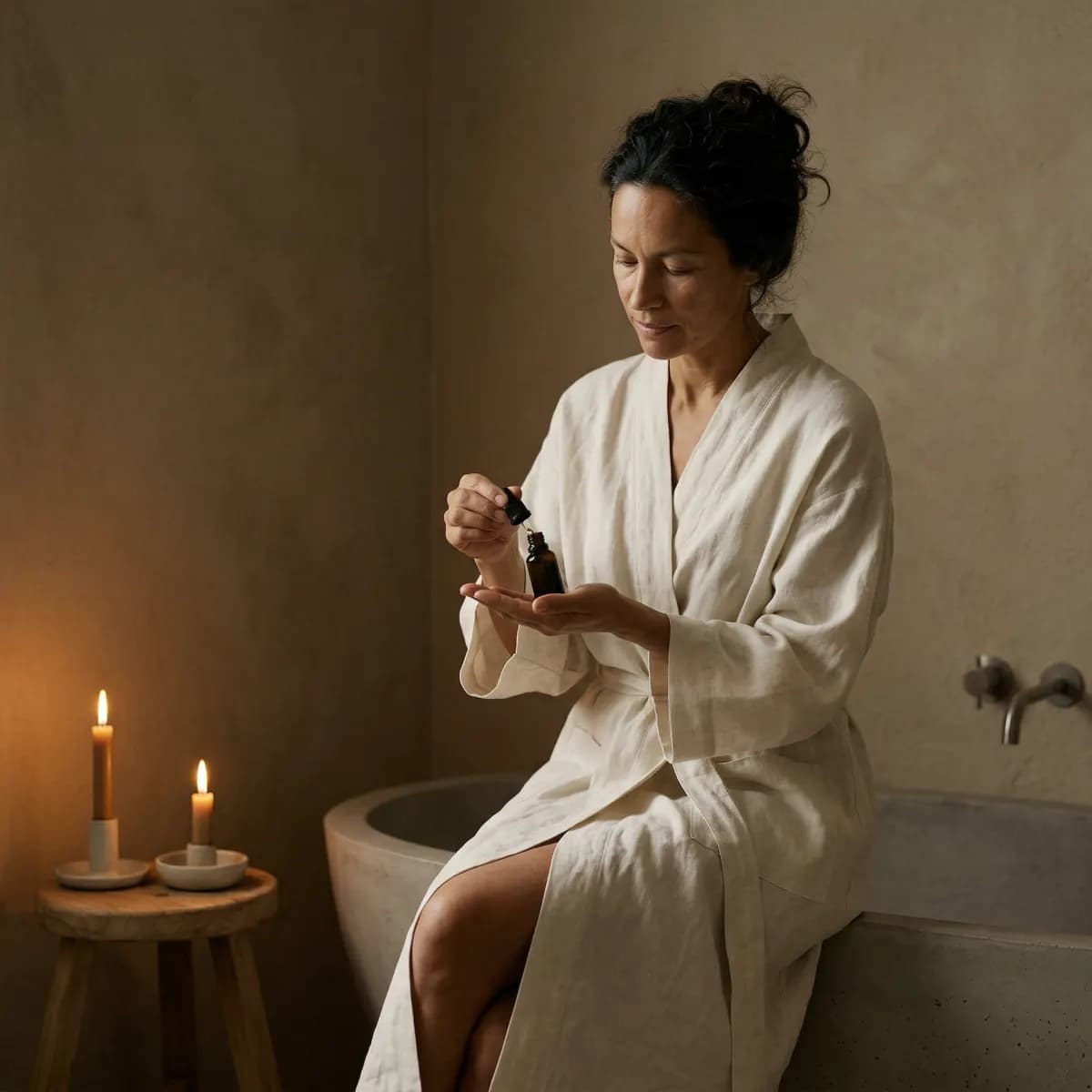
After exfoliating, skin needs calm, not punishment. The ONE oil and the soothing CBG serum I LOVE can help keep things balanced.
How to fix it without wearing skin down
If you want smoother skin but do not love the feel of rubbing it raw, AHA is usually the more controlled route. Mechanical exfoliation can work for some people, but it relies on contact, pressure, and friction – three things skin does not always appreciate. AHA gives exfoliation without the same microtear risk.
This is where 1753 makes sense as a complement. Whether you choose a gentle scrub or an acid-based routine, The ONE can help skin feel more regulated, while I LOVE brings calm and balance when your barrier starts acting up. If you want more, the DUO kit gives you the full cannabinoid spectrum, and Ta-DA adds an antioxidant cocktail for the days when you want more than just exfoliation.
The point is not to ban mechanical exfoliation outright. The point is to use it when your skin can actually take it, and choose AHA when you want more precision and less friction. For many people, this is less about trends and more about respecting the skin in front of you.
Products we recommend
 Save €34
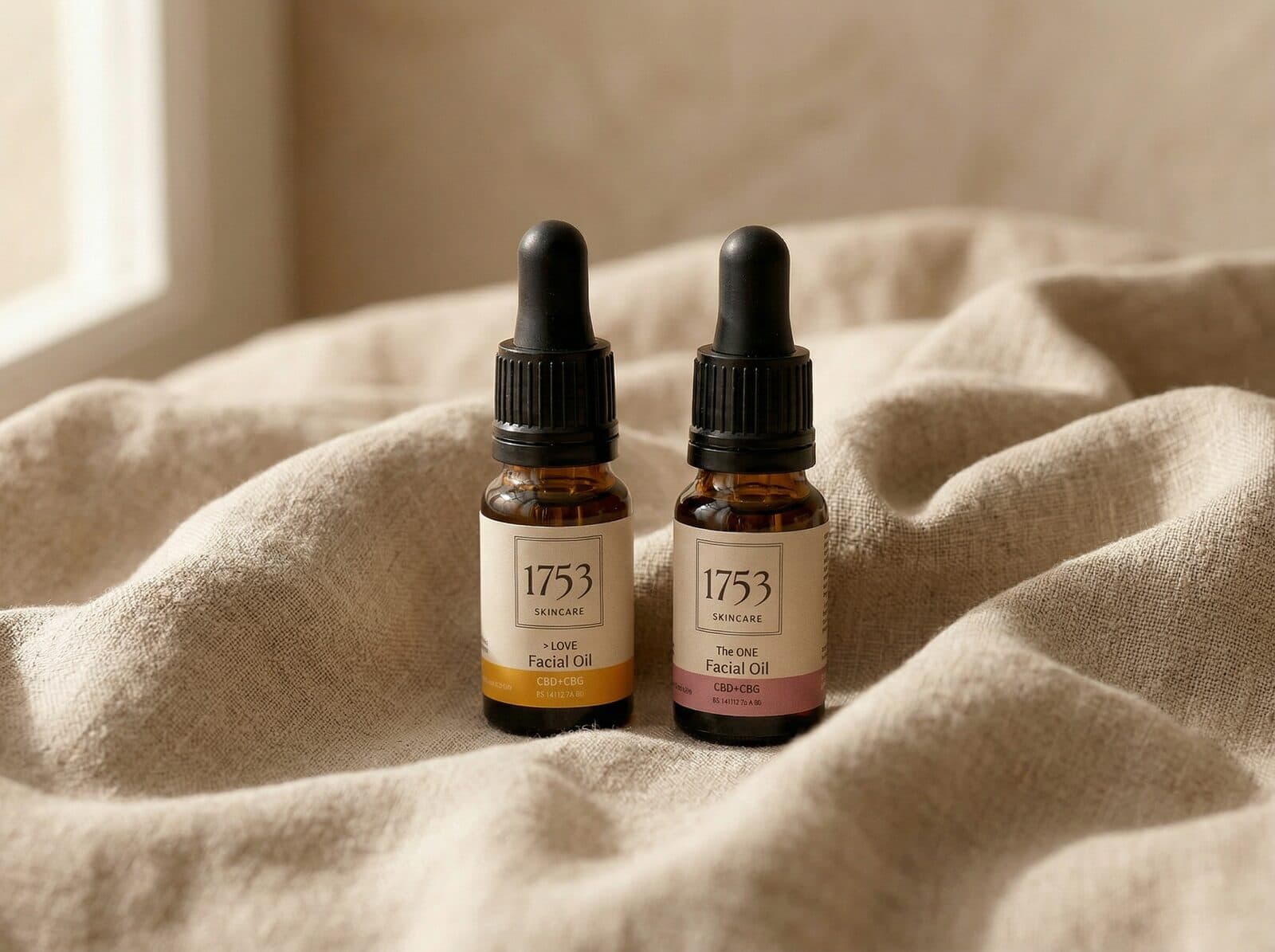
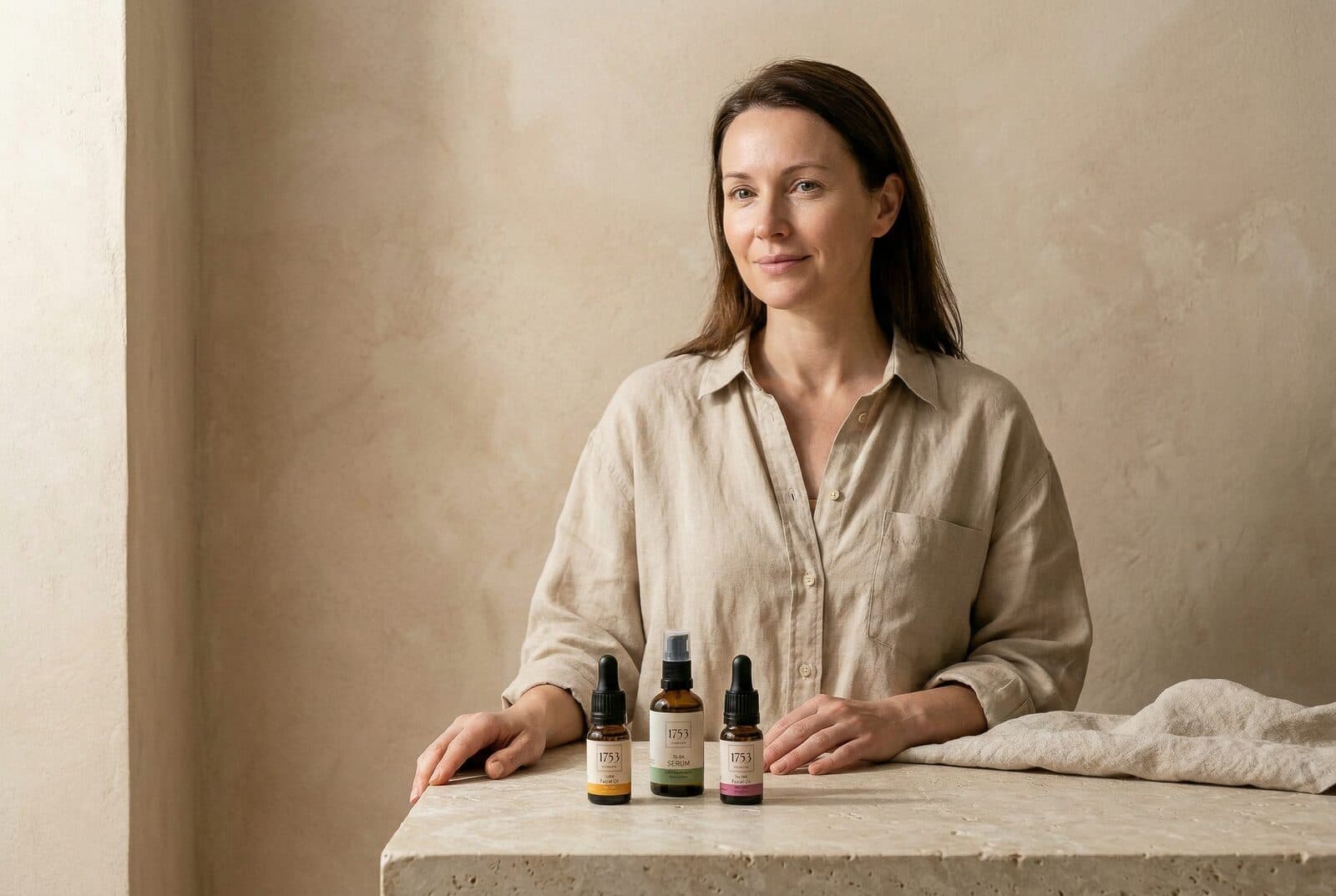
DUO kit
Two face oils, one for morning and one for evening. Simple skincare that works with your skin, not against it.
 Save €60
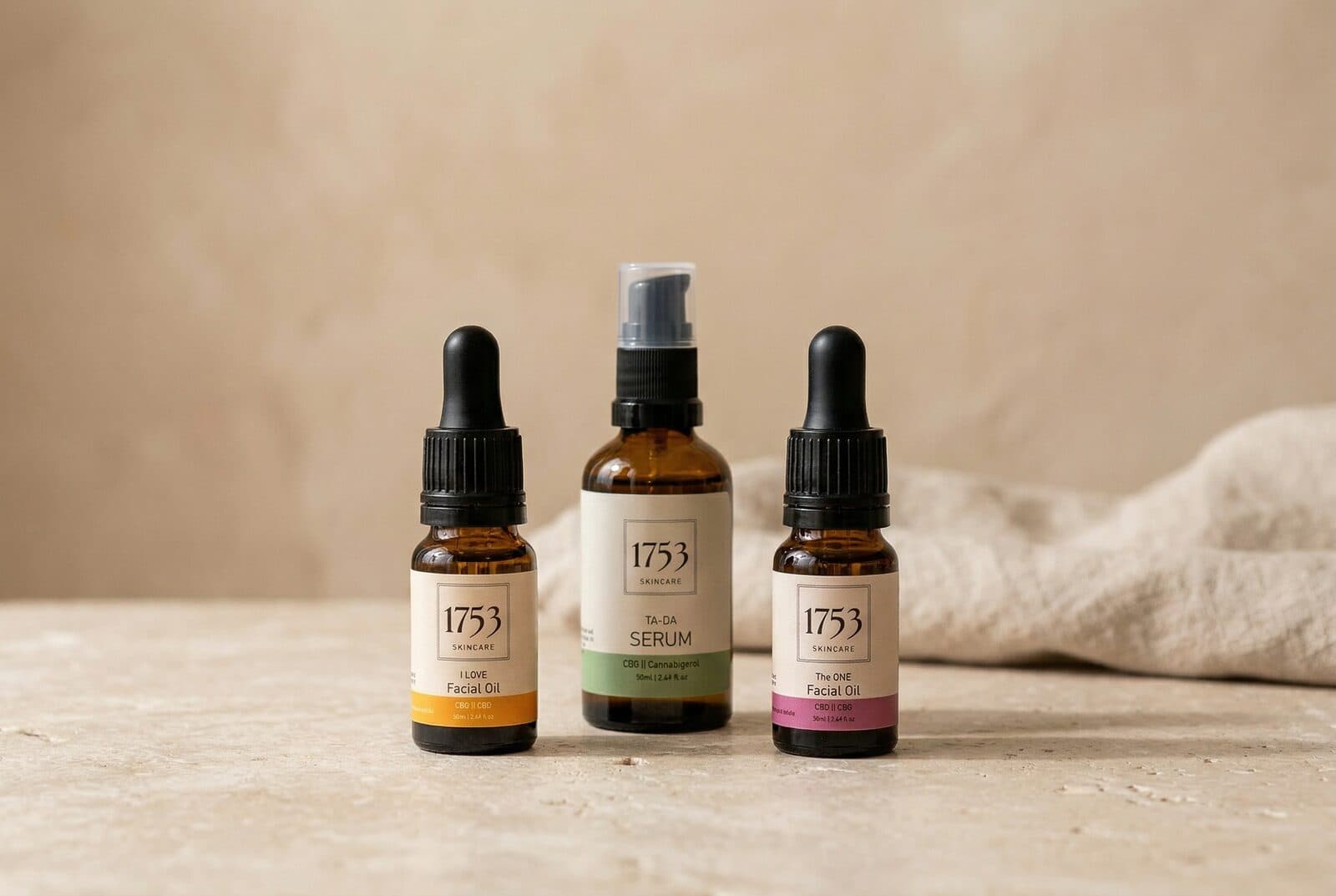
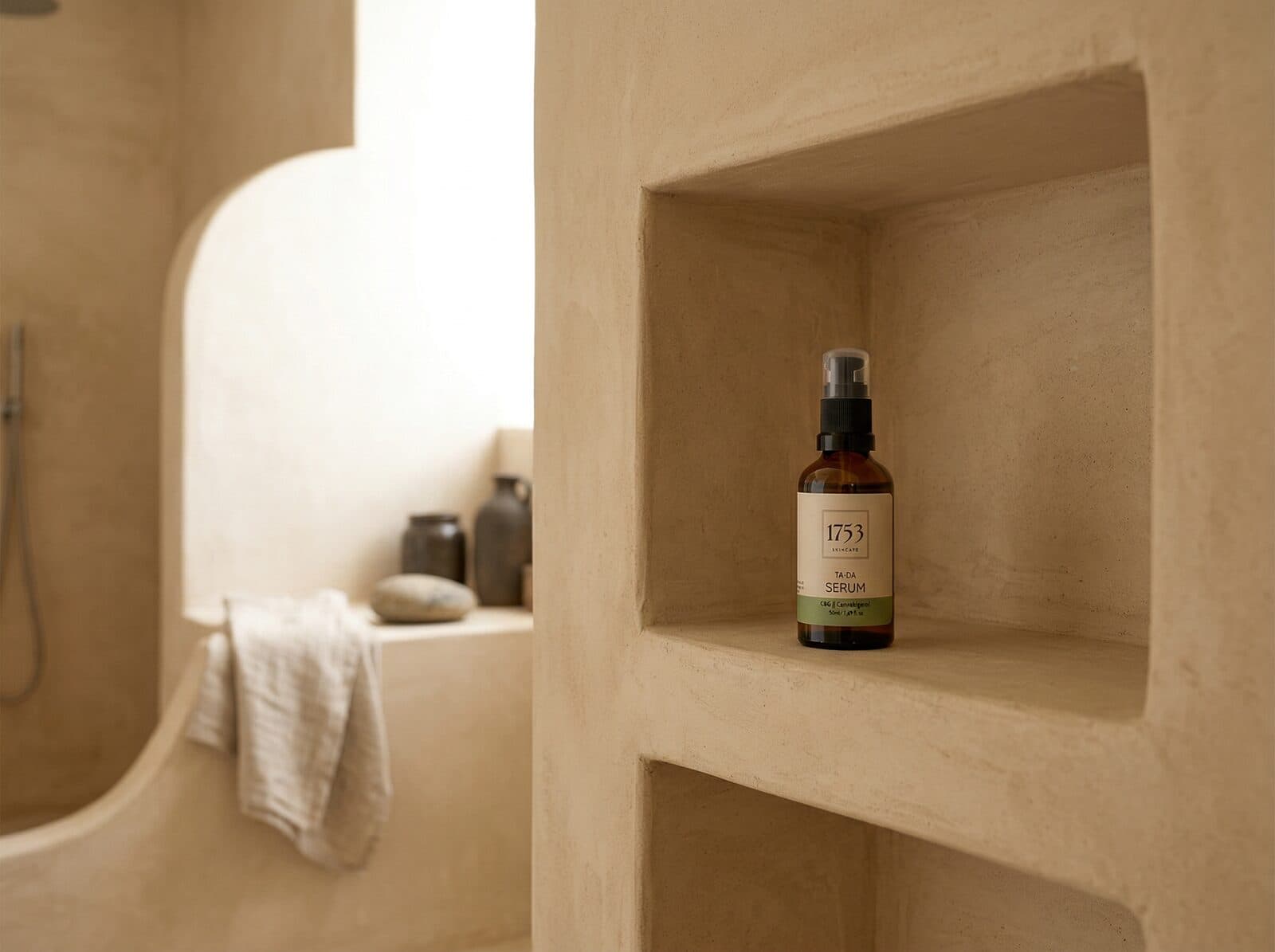
DUO kit + TA-DA Serum
The full routine in one: three products that help skin become calmer, stronger and more resilient.
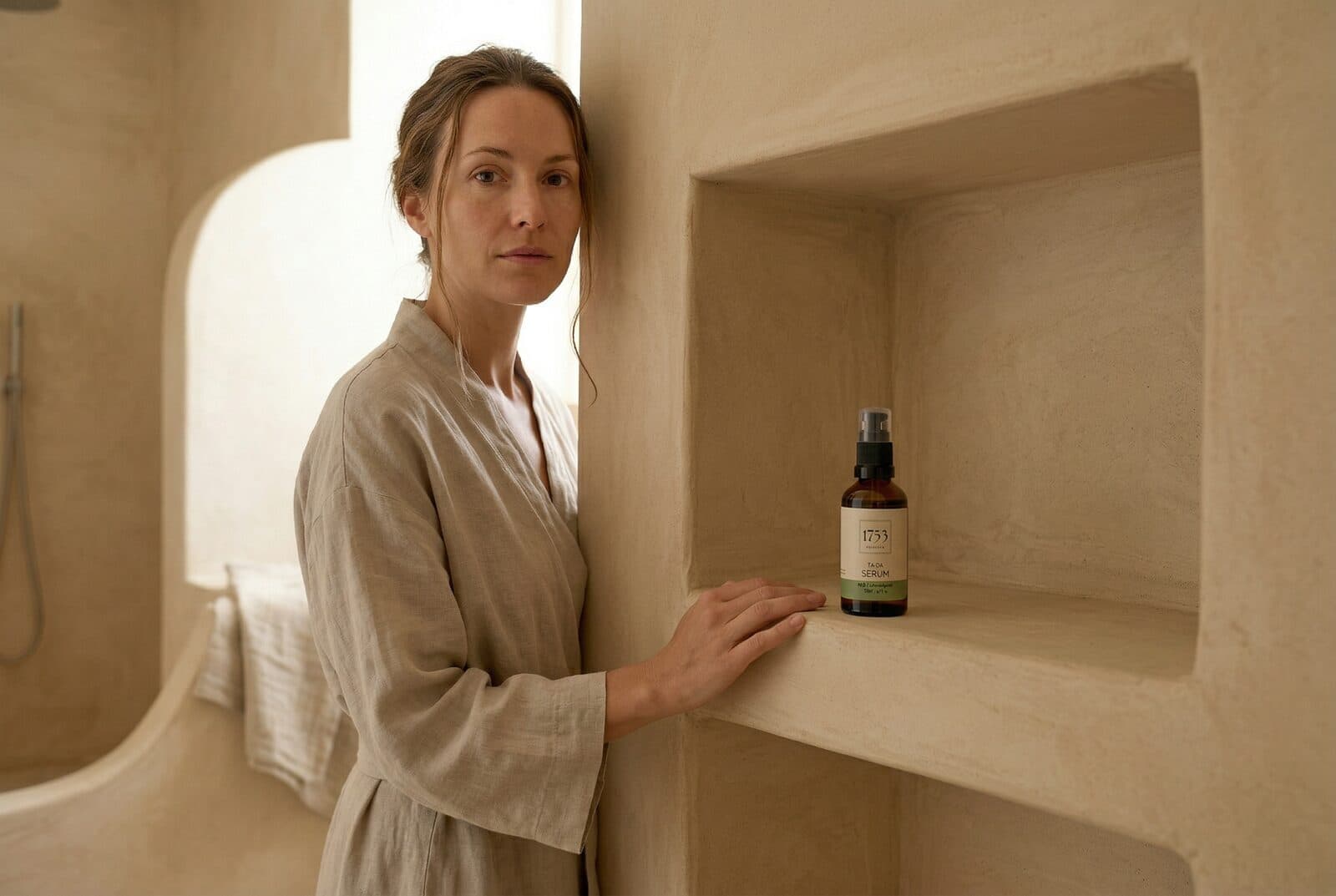
TA-DA Serum
A CBG-powered serum that seals in moisture and adds glow, whatever the season.
Frequently asked questions
Is mechanical exfoliation always bad?
No, not for everyone. On resilient skin, a mild scrub can be fine occasionally, but the risk rises with harsh particles, heavy pressure, or a stressed barrier.
Why is AHA often seen as gentler?
Because it exfoliates chemically instead of mechanically. It loosens the bonds between dead cells without the same friction, which often means more even exfoliation.
Can AHA irritate too?
Yes. Glycolic acid and other AHAs can be too strong if used too often or at too high a concentration. Gentler does not mean risk-free.
What is best for sensitive skin?
Often a low-key AHA routine or very careful mechanical exfoliation, but only if your skin tolerates it. Many sensitive skin types do better with less exfoliation and more barrier support.
Sources
- Oláh A, Tóth BI, Borbíró I, et al. Cannabidiol exerts sebostatic and antiinflammatory effects on human sebocytes. J Clin Invest 2014;124(9):3713–3724.
- Tóth KF, Ádám D, Bíró T, Oláh A. Cannabinoid signaling in the skin: therapeutic potential of the c(ut)annabinoid system. Molecules 2019;24(5):918.
Article reviewed by Christopher Genberg, founder of 1753 SKINCARE.
Related articles
COMPARISON
cbd vs retinol – same conversation, different jobs
CBD and retinol are often grouped together, but they do not behave the same way. Retinol pushes cell...
Comparison
cbd vs hyaluronic acid – hydration or calm?
This is not a fight between two good ingredients. Hyaluronic acid draws water in. CBD works more aro...
COMPARISON
cbd vs niacinamide – two ways to less shine
If your skin is oily but also easily irritated, it is easy to get stuck between two classics: cbd vs...
Ingredient Portrait
cbd for skin – less noise, more balance
CBD for skin is interesting because it doesn’t try to bully the skin into behaving. It works with th...
Ingredient Portrait
cbg for skin – the mother cannabinoid that calms and renews
CBG usually lives in CBD’s shadow, but skin can tell the difference. This is the cannabinoid that ma...
Ingredient Portrait
Shea butter skin – rich, warm, not for everyone
Shea butter is one of skincare’s most loved butters, and one of the most misunderstood. It comes fro...