
Wellness
Gluten skin – when the body speaks up
If your skin flares, itches or feels oddly unpredictable after certain meals, you’re not imagining it. Gluten skin can point to celiac disease, dermatitis herpetiformis, or a broader sensitivity where the gut and skin are clearly in conversation. Gluten is not always the whole story, but it is often where the trail begins.

Is it really the skin – or the signal from the gut?
In celiac disease, gluten triggers an immune response that does not stay confined to the gut. For some people it shows up as dermatitis herpetiformis, DH: small, intensely itchy eruptions that are often symmetrical and can sting more than they look dramatic. That is a real gut-skin link, not a trend.
Research also points to zonulin, a protein involved in intestinal barrier function. When that barrier becomes more permeable, more signals can slip through, and for some people the skin starts acting like an over-sensitive alarm system. That does not mean every breakout is a gluten clue, but it helps explain why skin can react to something that started at the dinner table.
Then there is FODMAP overlap: plenty of people who blame gluten are actually reacting to other parts of the same meal, such as onion, wheat fructans, or a generally stressed digestive system. The point is not to hunt one villain. It is to read your body more accurately. Try this question: does the skin worsen within 24–72 hours after certain meals, or does the pattern seem random?
How to spot the pattern
Track 72 hours
Write down what you ate, how your skin felt and when the reaction started. Three days is often enough to see whether meals, gut symptoms and skin are linked.
Separate gluten from FODMAPs
Do not change everything at once. If you cut wheat but keep eating onion, garlic and big servings of legumes, it becomes hard to know what your skin is actually reacting to.
Check the DH pattern
DH often itches fiercely and tends to appear symmetrically, commonly on elbows, knees or the back. If that sounds familiar, do not just self-diagnose — get proper medical evaluation.
Lower evening stress
The HPA axis can make skin more reactive when the body stays in high-alert mode. Finish work earlier in the evening and see whether your skin feels calmer the next morning.
Simplify your routine
When skin is already irritated, scrubbing harder is usually the wrong move. Choose barrier-friendly cleansing and let exfoliation take a back seat for a while.

How to care for skin without overdoing it
If you suspect gluten skin is tied to the gut and immune system, think inside out. Fungtastic Mushroom Extract can be a simple way to support the body when stress, sleep and recovery are already pulling on the same thread. It is not a fix-all, just a more grounded way to back up your system.
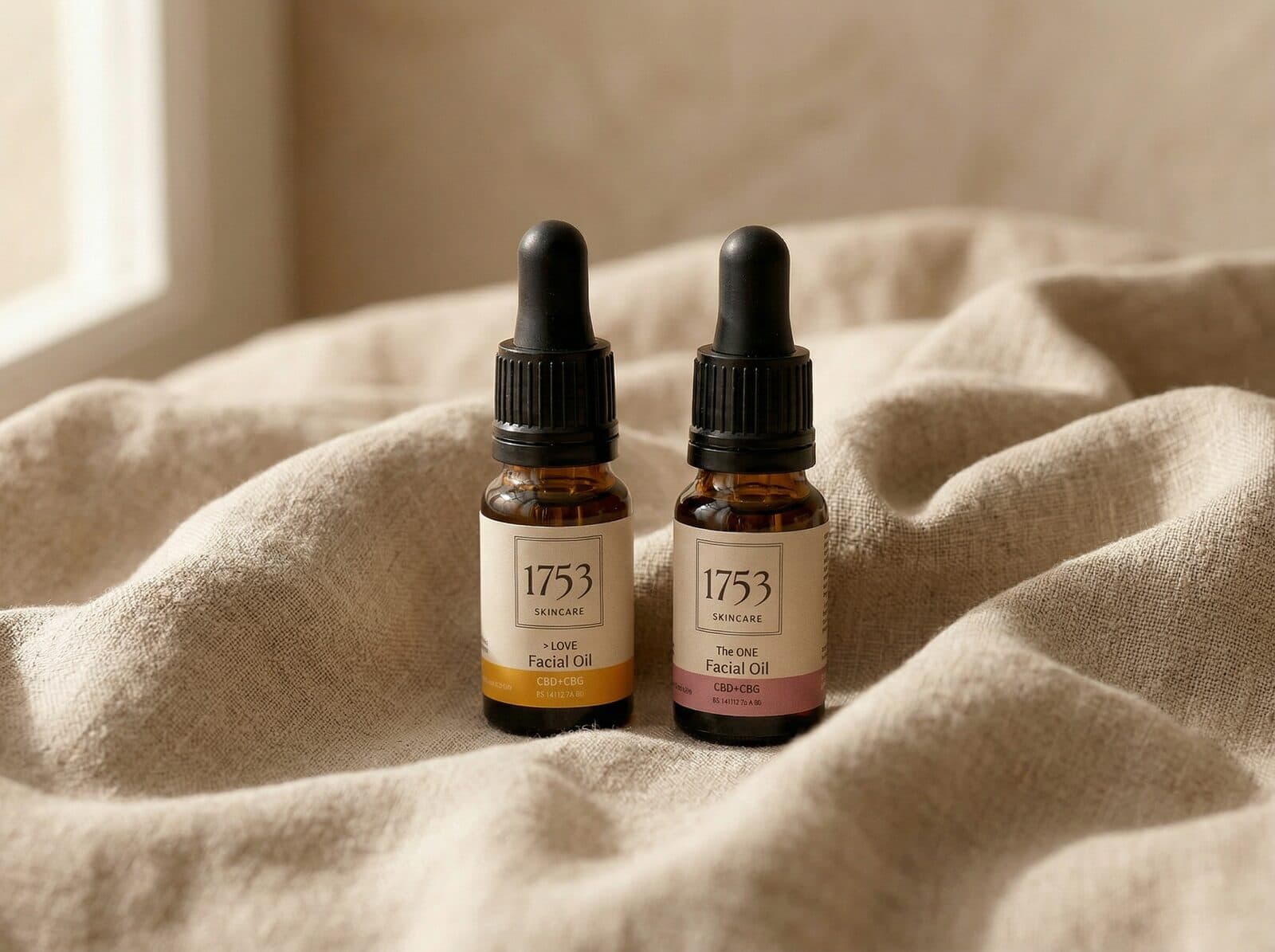
For the skin itself, the goal is to calm, not provoke. The DUO kit with The ONE and I LOVE gives you a skin-regulating oil plus a CBG serum that feels like a direct answer to dryness, tightness and barrier strain. When skin is reactive, less drama usually beats more actives.
If you want one more step for skin that is tired or stressed, Ta-DA serum fits naturally. Paired with the DUO kit, DUO Ta-DA is the obvious route for people who want to work with their skin, not beat it into compliance. Support the body from within, then let the outside rest, soften and recover.
Products we recommend
 Save €34
DUO kit
Two face oils, one for morning and one for evening. Simple skincare that works with your skin, not against it.
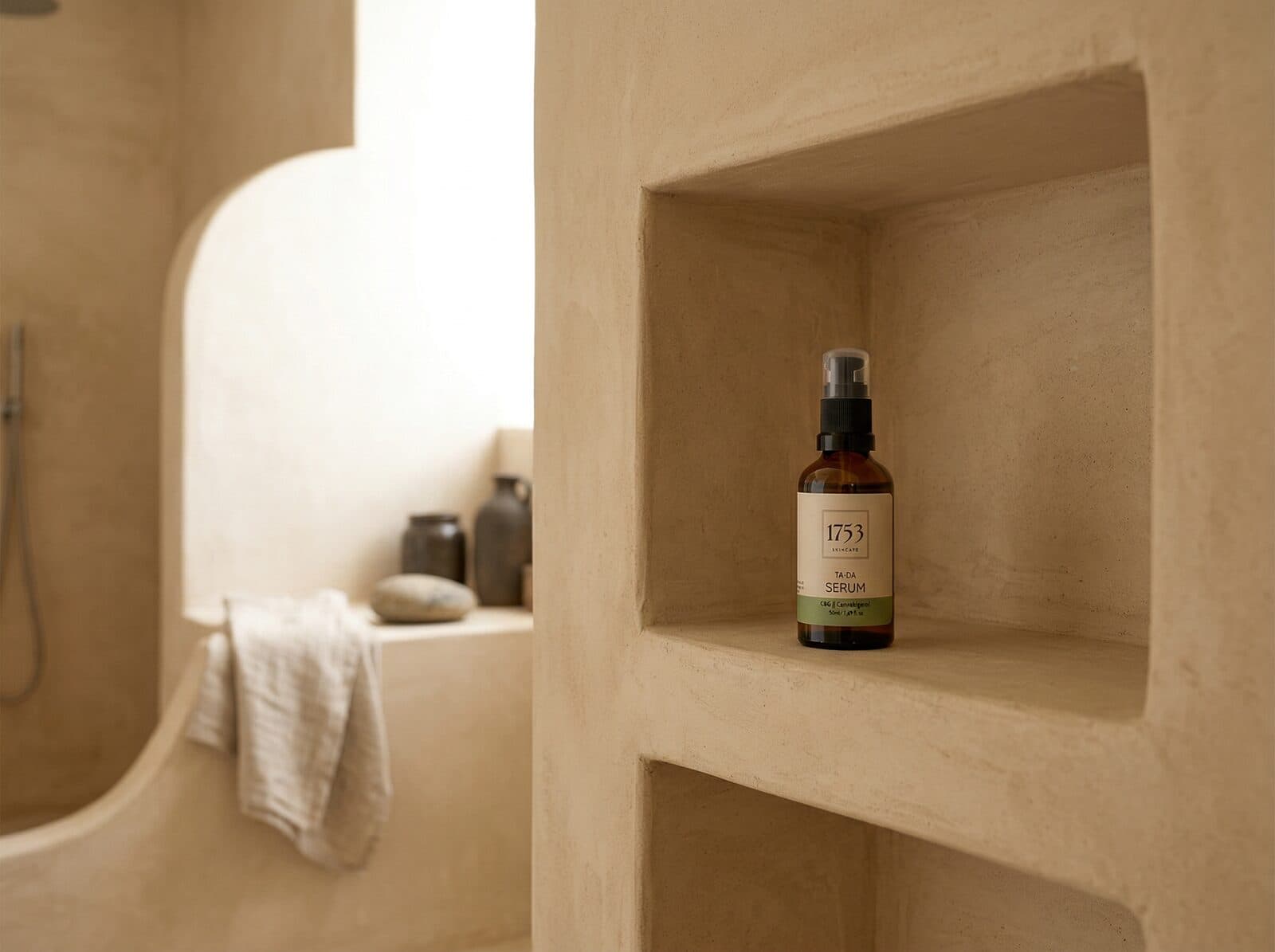
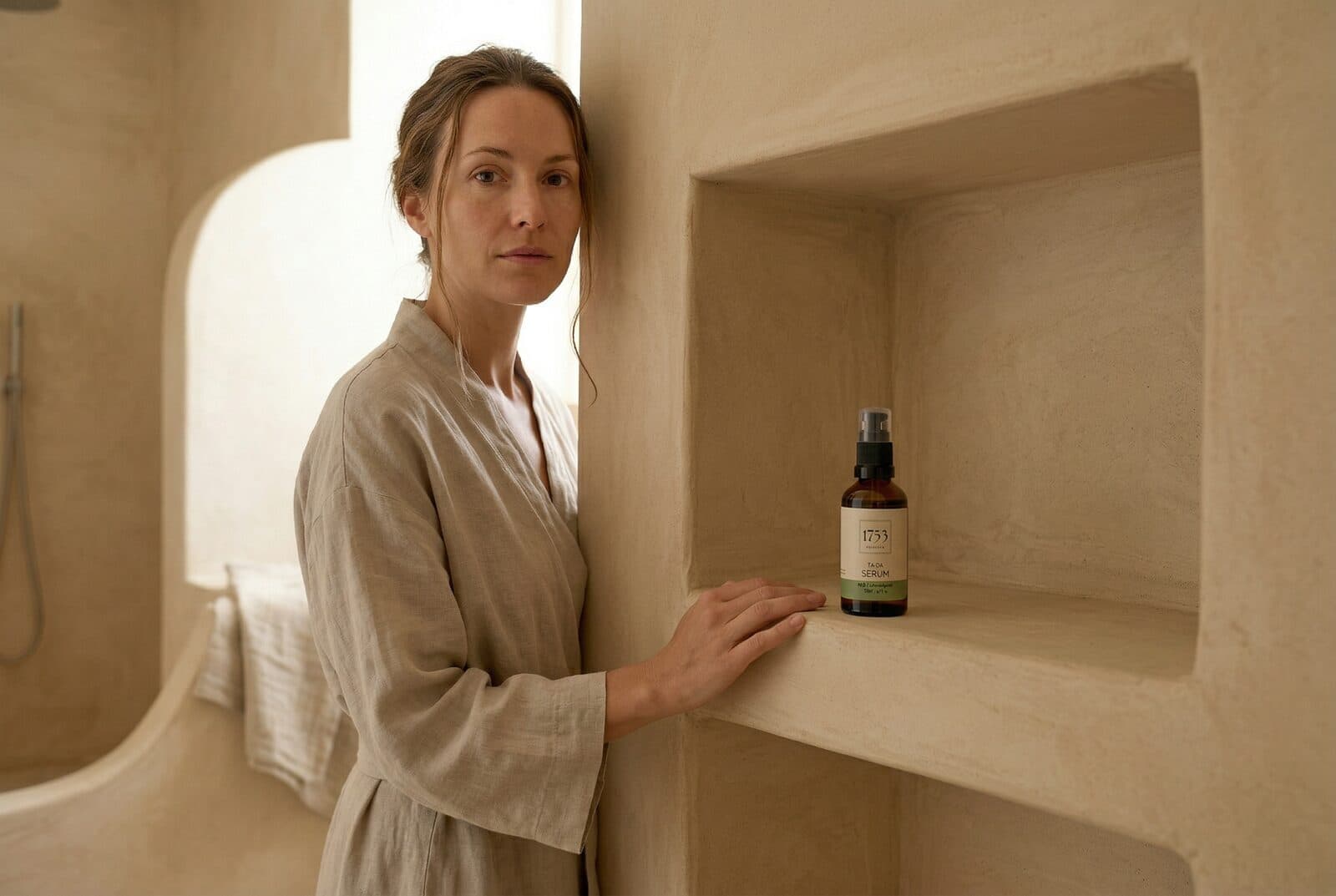
TA-DA Serum
A CBG-powered serum that seals in moisture and adds glow, whatever the season.
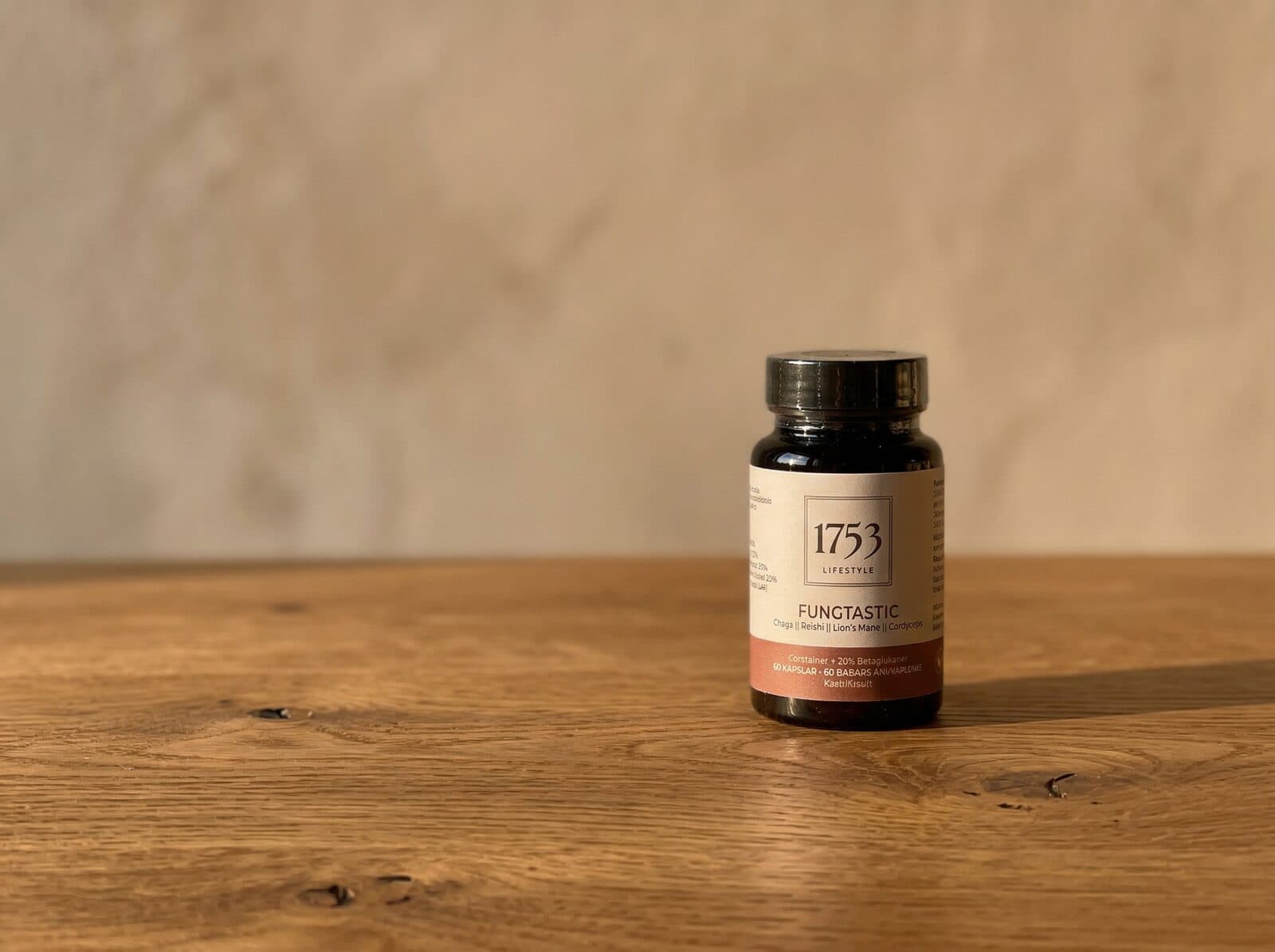

Fungtastic Mushroom Extract
Four mushrooms in one formula to support immunity, focus, energy and sleep from within.
Frequently asked questions
Can gluten affect skin without celiac disease?
Yes, some people report skin symptoms without a celiac diagnosis. It may be a sensitivity, FODMAP overlap, or a gut-immune pattern that is simply easy to trigger. If it keeps happening, proper evaluation is still worth it.
What does dermatitis herpetiformis feel like?
DH usually itches intensely and often shows up in small clusters, often symmetrically. It is not something to guess at home, because the right diagnosis and testing matter.
Is zonulin the same as leaky gut?
Not exactly. Zonulin is a protein involved in gut barrier function, but it is too simplistic to use it as the single explanation for everything. Gut and skin reactions are usually more layered than that.
How long should I test gluten for skin issues?
Give it enough time to spot a pattern, often several weeks with careful tracking. If you suspect celiac disease, do not remove gluten on your own before speaking with a clinician, because it can affect test accuracy.
Sources
- Chen Y, Lyga J. Brain-skin connection: stress, inflammation and skin aging. Inflamm Allergy Drug Targets 2014;13(3):177–190.
- Walker MP, van der Helm E. Overnight therapy? The role of sleep in emotional brain processing. Psychol Bull 2009;135(5):731–748.
- Katta R, Desai SP. Diet and Dermatology: The Role of Dietary Intervention in Skin Disease. J Clin Aesthet Dermatol 2014;7(7):46–51.
Article reviewed by Christopher Genberg, founder of 1753 SKINCARE.
Related articles
Wellness
Sleep skin connection – when the night does the work
Beauty sleep is not a cliché. While you sleep, cortisol drops, growth hormone rises and the body get...
Wellness Axis
Gut skin connection – when the gut shows on your face
Your skin is not a separate island. It listens to your gut, your stress, and the state of your intes...
WELLNESS
Stress skin – when your body hits the alarm button
You usually feel it before you can explain it: redness, tightness, stinging, or a psoriasis flare th...
Lifestyle
Perimenopause and skin – when everything shifts at once
One day your skin feels drier, thinner and suddenly touchy. Adult acne may show up, fine lines look ...
Cyclic Skincare
Menstrual Cycle and Skin – why one routine doesn’t fit all
Your skin doesn’t run on a fixed schedule; it runs with your body. Across the menstrual cycle, hormo...
Postpartum Skin
Postpartum skin – why it changes so much
After pregnancy, skin can feel like it belongs to someone else. Hormones drop, sleep gets broken, an...