
Science
Glycation skin – when sugar starts showing
You can be diligent with cleansing, acids and serums and still notice that your skin looks more tired than it should. One reason is glycation: when sugar binds to proteins like collagen and elastin and forms AGE molecules. It is a quiet process that can slowly make skin less elastic, duller and more visibly aged.
Why does skin look older when your routine hasn’t changed?
Glycation is a chemical reaction where glucose and, even more readily, reactive sugars like fructose can bind to skin proteins. The result is advanced glycation endproducts, or AGE molecules, which can stiffen collagen and reduce how well it functions. Studies from 2020–2025 consistently link AGE load with reduced elasticity, weaker repair and more visible signs of aging.
This is not the same as “dry skin” or a sign that you need another brutal exfoliation. In fact, harsh cleansing and over-treatment can stress the barrier and increase inflammation, which may make visible aging look worse rather than better. Skin is constantly rebuilding itself, but when sugar-driven cross-links rise, collagen loses some of its flexibility.
The uncomfortable truth is that visible aging is not only about sun and time. It is also about oxidative stress, inflammation and sugar-related wear happening from the inside out. The point is not to panic; it is to understand the mechanism so you can support skin more intelligently instead of adding more friction.
Five ways to reduce the wear
Stabilize meals
You do not need extremes, but big blood-sugar swings can add to glycation pressure over time. Build meals around protein, fiber and fat to avoid unnecessary spikes.
Go gentler on cleansing
More cleansing does not mean younger skin. A mild oil-based cleanser supports the barrier better than harsh surfactants and helps skin feel less stripped.
Cut back on over-exfoliation
More acid is not always more glow. If the barrier is irritated, skin often becomes more reactive, which can make aging look more pronounced.
Use antioxidants
Oxidative stress amplifies much of what makes AGE molecules problematic. Antioxidants help skin cope with that load, which is more sensible than adding yet another strong active.
Support calm skin
Inflamed skin rarely ages gracefully. Ingredients that help skin stay calm and balanced create better conditions for collagen to look and feel more stable.
How to actually slow it down
There is no magic antidote to glycation, but you can give skin a better environment. Recent research points to a combination of antioxidants, barrier support and anti-inflammatory ingredients as more relevant than harsher actives. The goal is to reduce what drives stress, not scrub away the fallout.
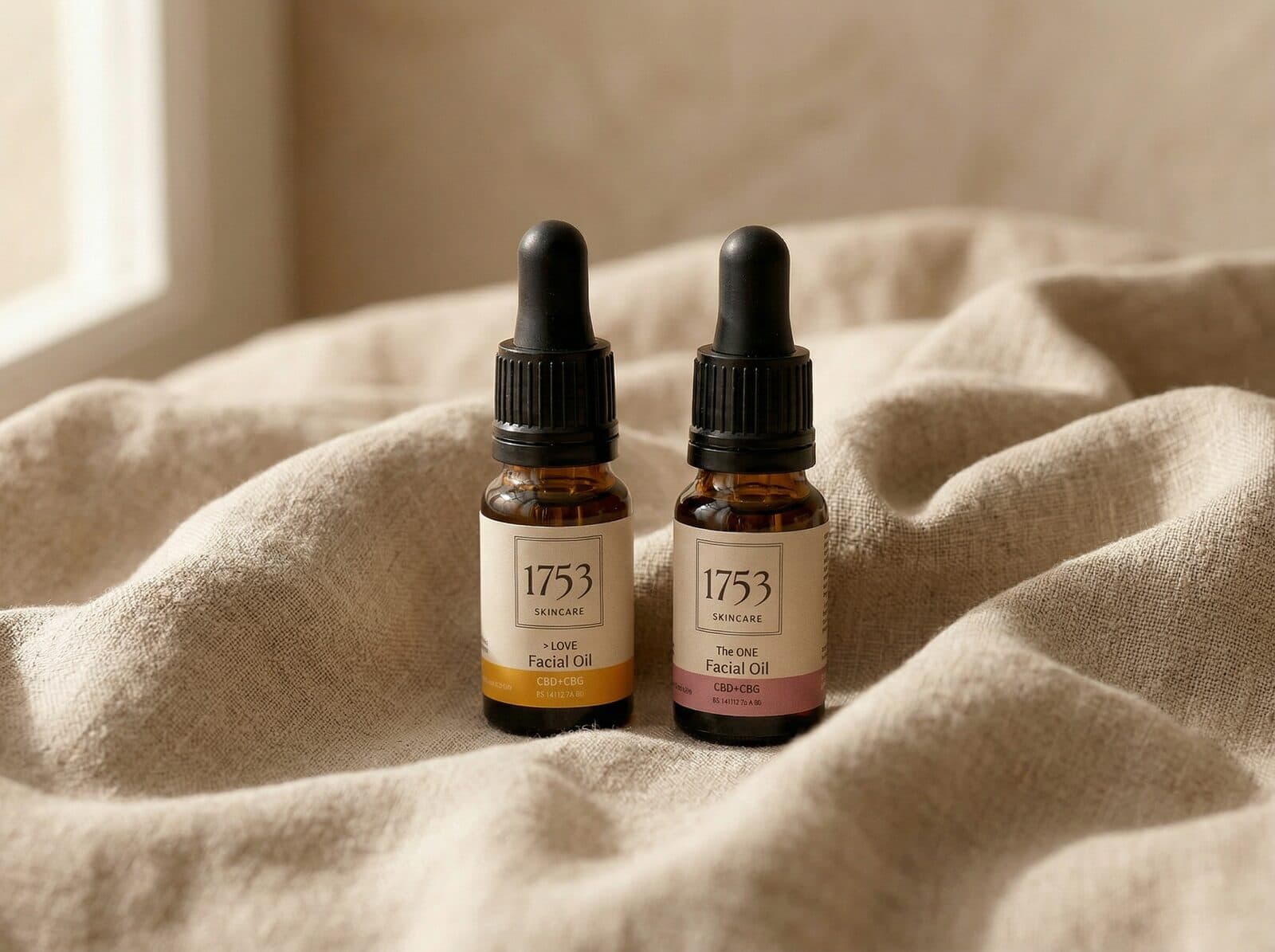
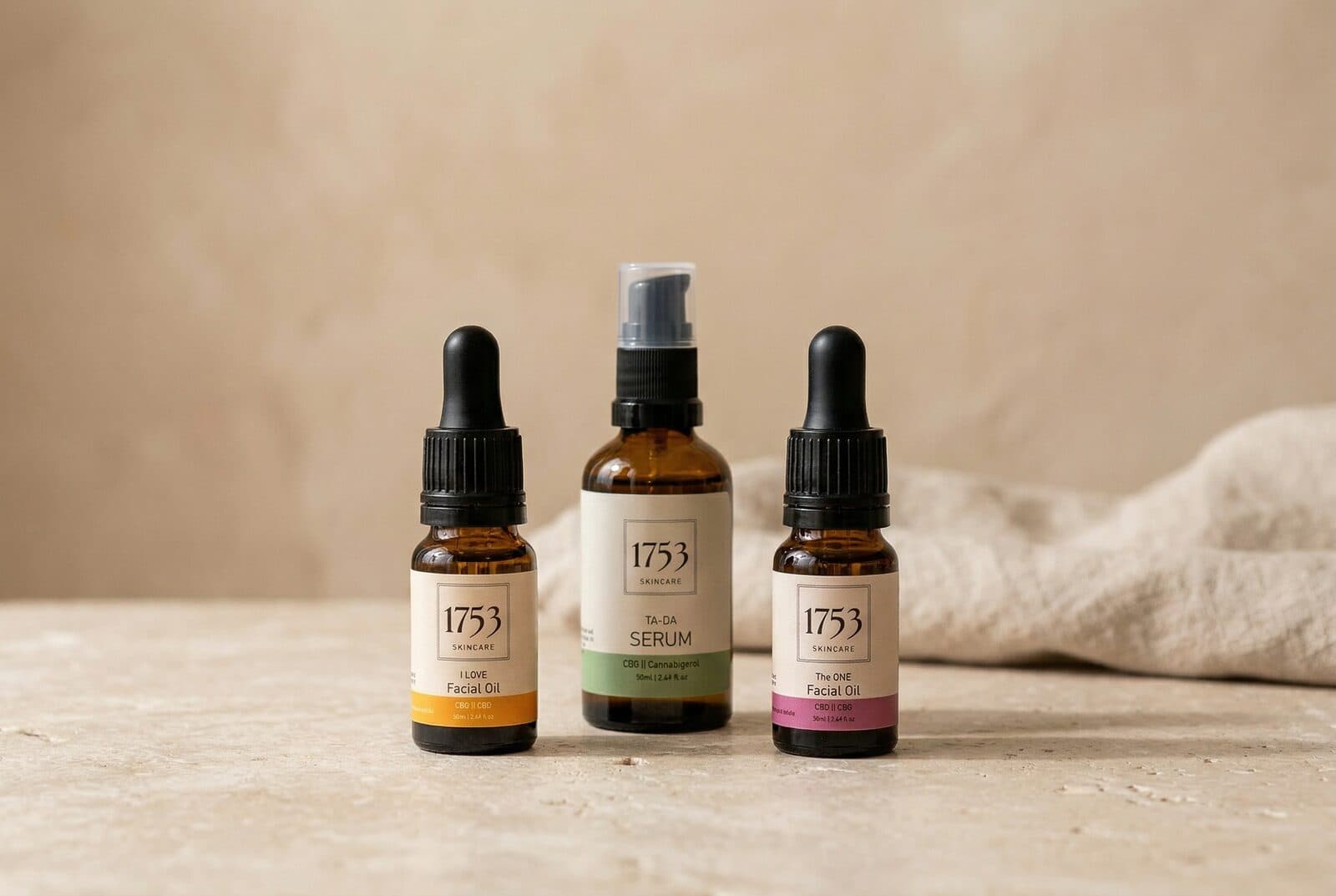
This is where 1753 fits naturally. The ONE, with CBD and MCT, is a skin-regulating facial oil that helps skin feel less reactive and more balanced. I LOVE, with CBG, can offer calming support when skin feels stressed, while Ta-DA serum combines CBG, antioxidants and adaptogens for visible aging support without the heavy-handed approach.
1753 uses phytocannabinoids from certified hemp in safer formulas, because skincare should not feel like a chemical assault. If you want to work with glycation skin in practice, think less irritation, more resilience and more consistent support. That is where a calm routine beats an aggressive one.
Products we recommend
 Save €34
DUO kit
Two face oils, one for morning and one for evening. Simple skincare that works with your skin, not against it.
 Save €60
DUO kit + TA-DA Serum
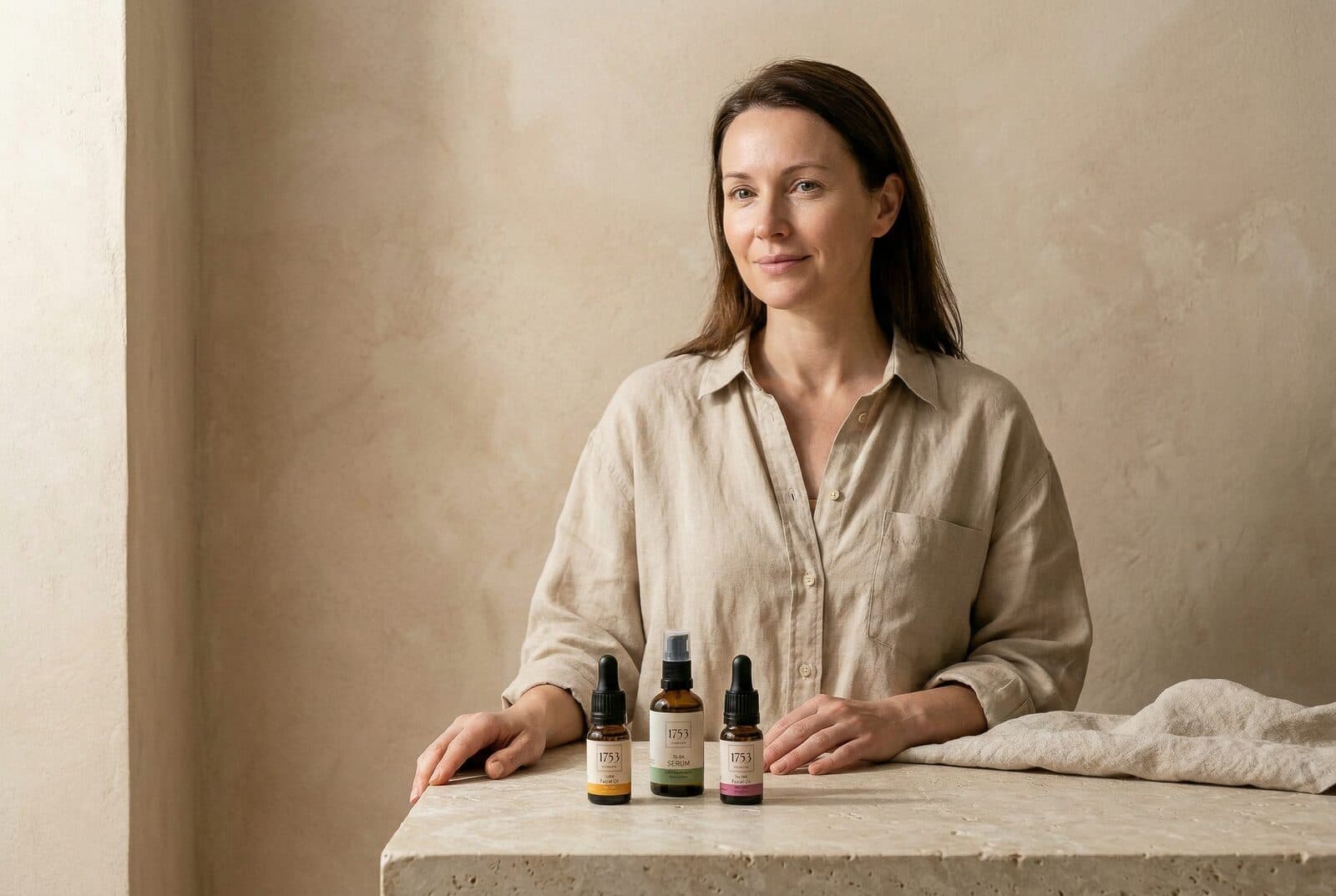
The full routine in one: three products that help skin become calmer, stronger and more resilient.
TA-DA Serum
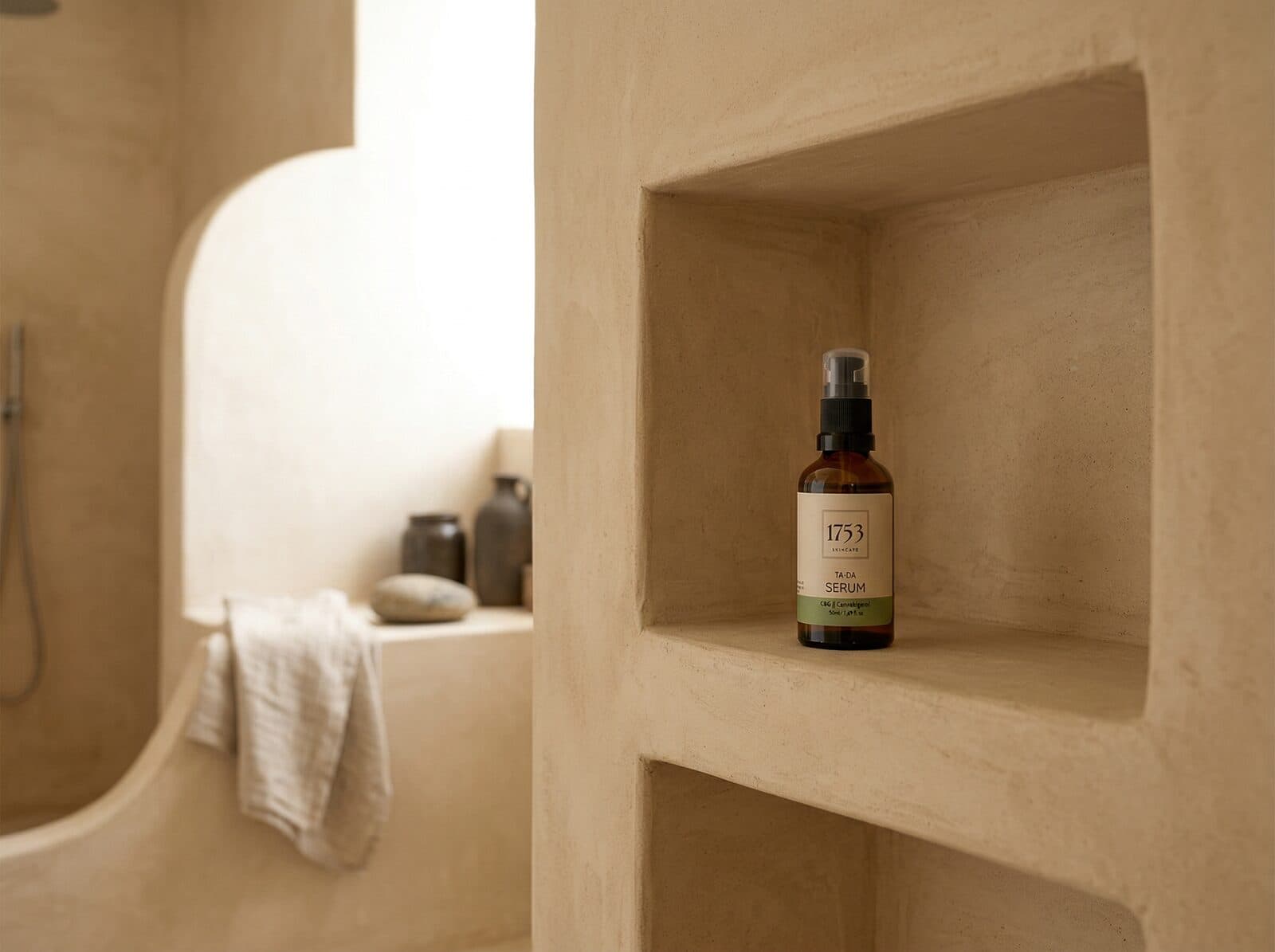
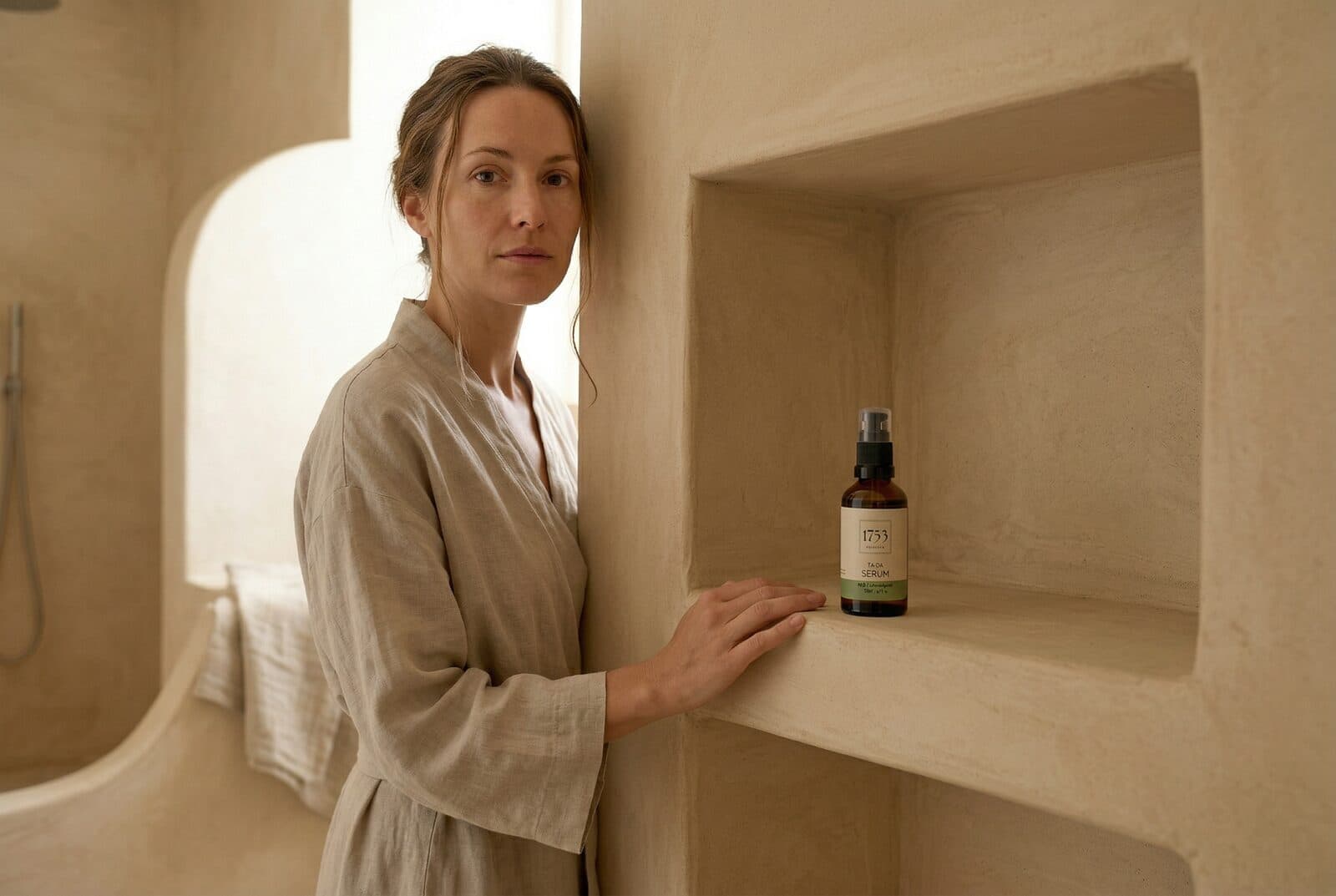
A CBG-powered serum that seals in moisture and adds glow, whatever the season.
Frequently asked questions
What is glycation in skin?
Glycation happens when sugar binds to skin proteins, especially collagen and elastin. Over time, AGE molecules form and can make tissue stiffer and contribute to more visible aging.
Is fructose worse than glucose?
Fructose is more reactive in the glycation process than glucose, which is why researchers pay close attention to it. One meal will not wreck your skin, but long-term exposure matters.
Can skincare remove AGE molecules?
Not in any simple or realistic way. Skincare can, however, support the barrier, reduce inflammation and create a better environment for skin to function more steadily over time.
What routine makes sense for glycation skin?
Think gentle cleansing, antioxidants and calming support instead of chasing more acids and more actives. A balanced routine is more useful than an aggressive one.
Sources
- Bíró T, Tóth BI, Haskó G, Paus R, Pacher P. The endocannabinoid system of the skin in health and disease. Trends Pharmacol Sci 2009;30(8):411–420.
- Tóth KF, Ádám D, Bíró T, Oláh A. Cannabinoid signaling in the skin: therapeutic potential of the c(ut)annabinoid system. Molecules 2019;24(5):918.
- Byrd AL, Belkaid Y, Segre JA. The human skin microbiome. Nat Rev Microbiol 2018;16(3):143–155.
Article reviewed by Christopher Genberg, founder of 1753 SKINCARE.
Related articles
Science
Endocannabinoid system skin guide – your skin’s built-in calm
Your skin is not just a surface. It is a living control system trying to stay calm, resilient, and b...
SKIN SCIENCE
CB1 CB2 receptors skin – let the skin lead for once
Skin is not a passive surface. It has its own signalling network, where CB1 and CB2 help shape calm,...
Science
ECS and stress – your body’s built-in brake
Stress is not just a mindset problem. It starts as a biological chain reaction: the HPA axis fires, ...
Ingredient Portrait
cbd for skin – less noise, more balance
CBD for skin is interesting because it doesn’t try to bully the skin into behaving. It works with th...
Ingredient Portrait
cbg for skin – the mother cannabinoid that calms and renews
CBG usually lives in CBD’s shadow, but skin can tell the difference. This is the cannabinoid that ma...
Ingredient Portrait
Shea butter skin – rich, warm, not for everyone
Shea butter is one of skincare’s most loved butters, and one of the most misunderstood. It comes fro...