
Season
In Flight Skin Hydration – when your skin gives up at 10,000 feet
With cabin air hovering around 20% humidity, pressurized air and a small oxygen drop, skin can turn tight, shiny and oddly thirsty at the same time. Add heat, stress and not enough water, and you get classic flight skin. Here’s what actually belongs in your carry-on – without overloading your face.

Why does flying dry out skin so fast?
Aircraft cabins are often drier than many deserts, and that low humidity speeds up water loss from the skin surface. The pressurized environment also changes how your body experiences oxygen, which can leave skin looking more fatigued and less resilient.
That’s why the usual response – harsh cleansing, acids and a thick coat of everything labeled “hydrating” – often misses the point. Skin under travel stress does not need to be stripped cleaner; it needs fewer disruptions, more barrier support and less water loss.
Studies on transepidermal water loss show that dry air and friction both weaken the skin barrier and increase evaporation. On a flight, that effect becomes obvious because the environment is already working against the skin. If you travel often, you know the feeling: your skin isn’t suddenly bad, it’s under air attack.
Pack smarter for the flight
Cut the extra steps
Bring only what your skin will actually use: a gentle cleanser, one oil or serum, and one protective layer. Fewer steps mean fewer chances for dry cabin air to turn a routine into a mess.
Prioritize barrier support
Choose products that reduce water loss rather than chasing an instant plump. In-flight skin wants calm, softness and a protective layer that can hold up when cabin air keeps pulling moisture away.
Skip strong exfoliation
Leave acids and scrubs at home before and during the trip. When temperature shifts and air is dry, the barrier is easier to irritate, and over-exfoliating only makes moisture loss worse.
Pack a mask strategy
An in-flight mask can help, but only if it supports the skin instead of smothering it. Keep it light, soothing and simple so the skin can settle without too much product.
Hydrate the body, protect the skin
Drinking water helps your body, but your skin still needs external support. Sip regularly, but don’t expect water alone to fix what pressurized, low-humidity air is doing.

How to actually fix flight skin
Start by removing sunscreen, city grime and whatever else the day left behind with something that does not rub the skin raw. Au Naturel Makeup Remover is exactly that kind of gentle cleanse when the climate has already made skin feel touchy and overworked.
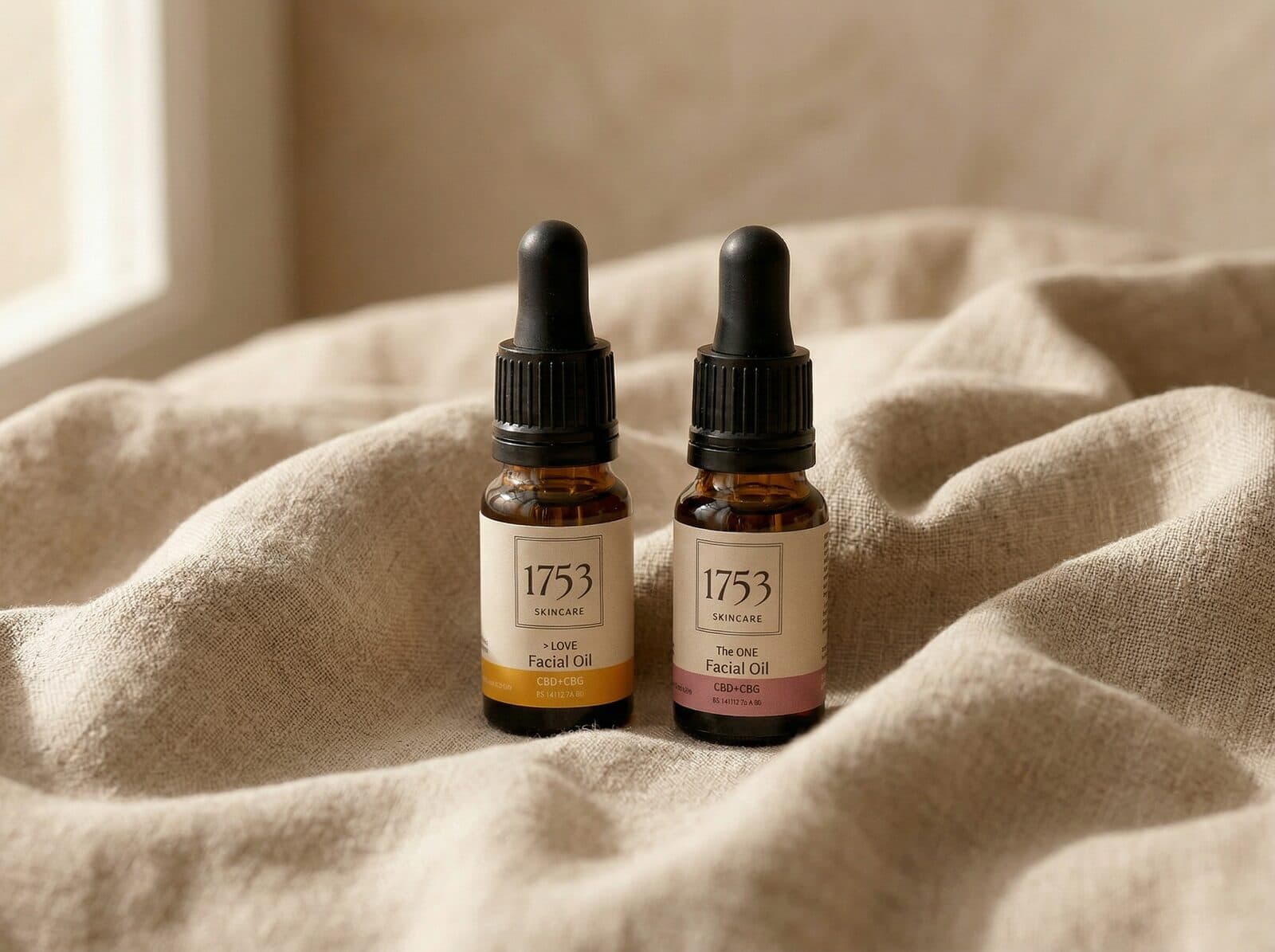
For year-round stability, the obvious carry-on hero is the DUO-kit: The ONE brings skin-regulating CBD + MCT, while I LOVE adds CBG to help skin settle when cabin air, temperature swings and travel stress start piling up. Together, they give skin the kind of cannabinoid balance that feels calm, not complicated.
If you want an extra layer of protection mid-flight, Ta-DA serum is the natural next step. Its antioxidant cocktail with CBG and adaptogens helps skin handle the kind of airborne stress that makes moisture slip away faster. Mild cleanse, stable DUO-kit, Ta-DA on top when needed – that’s the carry-on logic that makes sense for in flight skin hydration.
Products we recommend
 Save €34
DUO kit
Two face oils, one for morning and one for evening. Simple skincare that works with your skin, not against it.
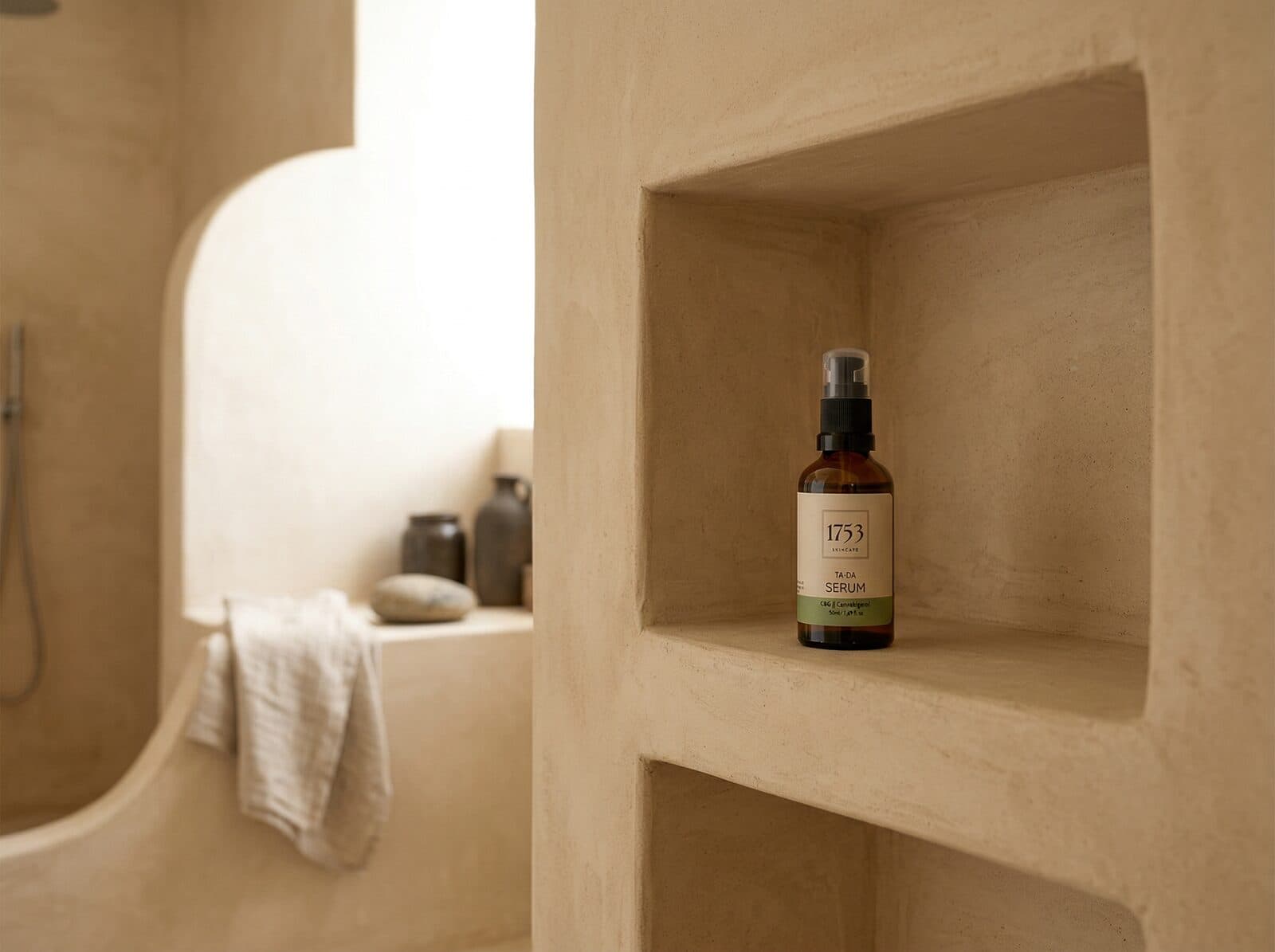
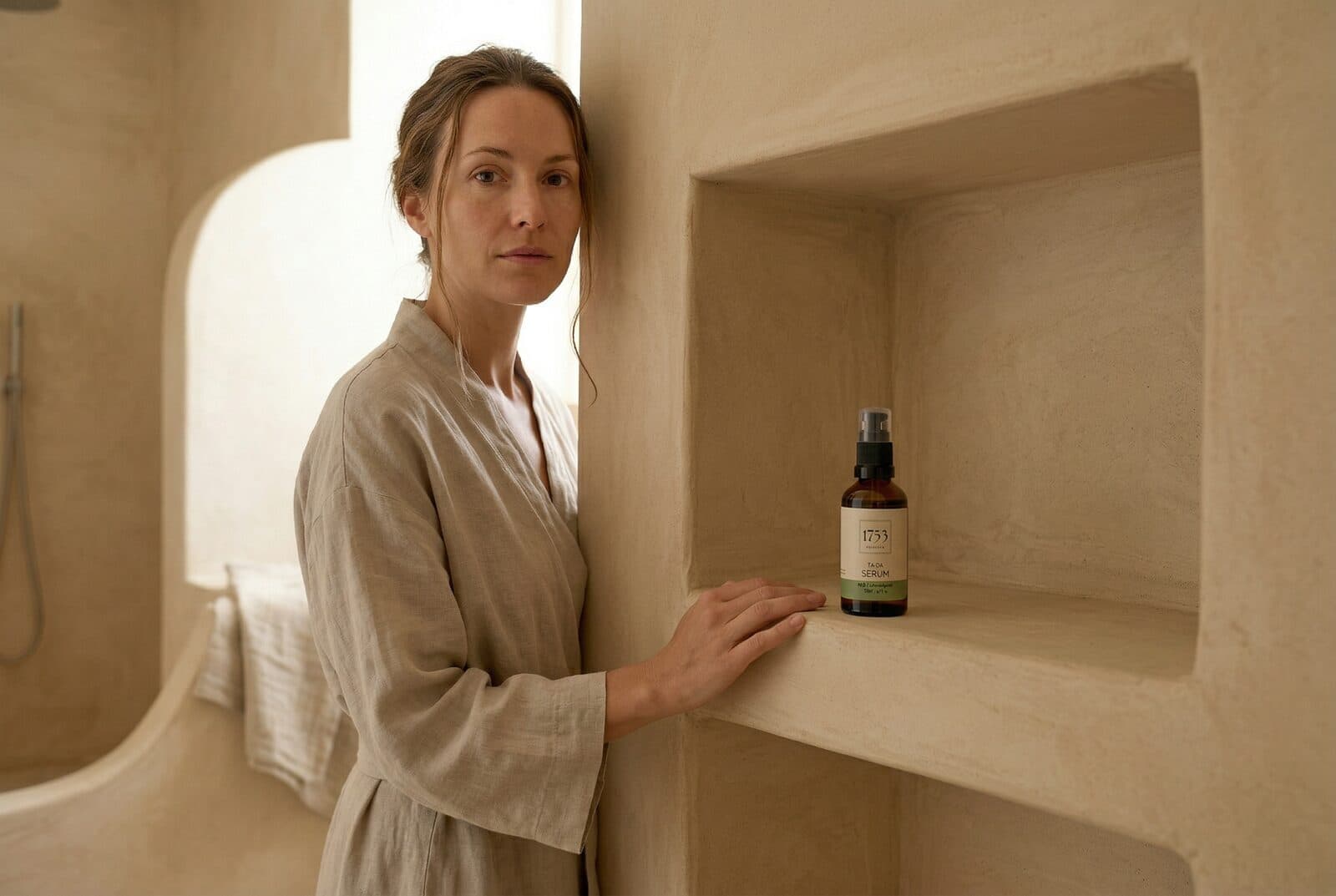
TA-DA Serum
A CBG-powered serum that seals in moisture and adds glow, whatever the season.
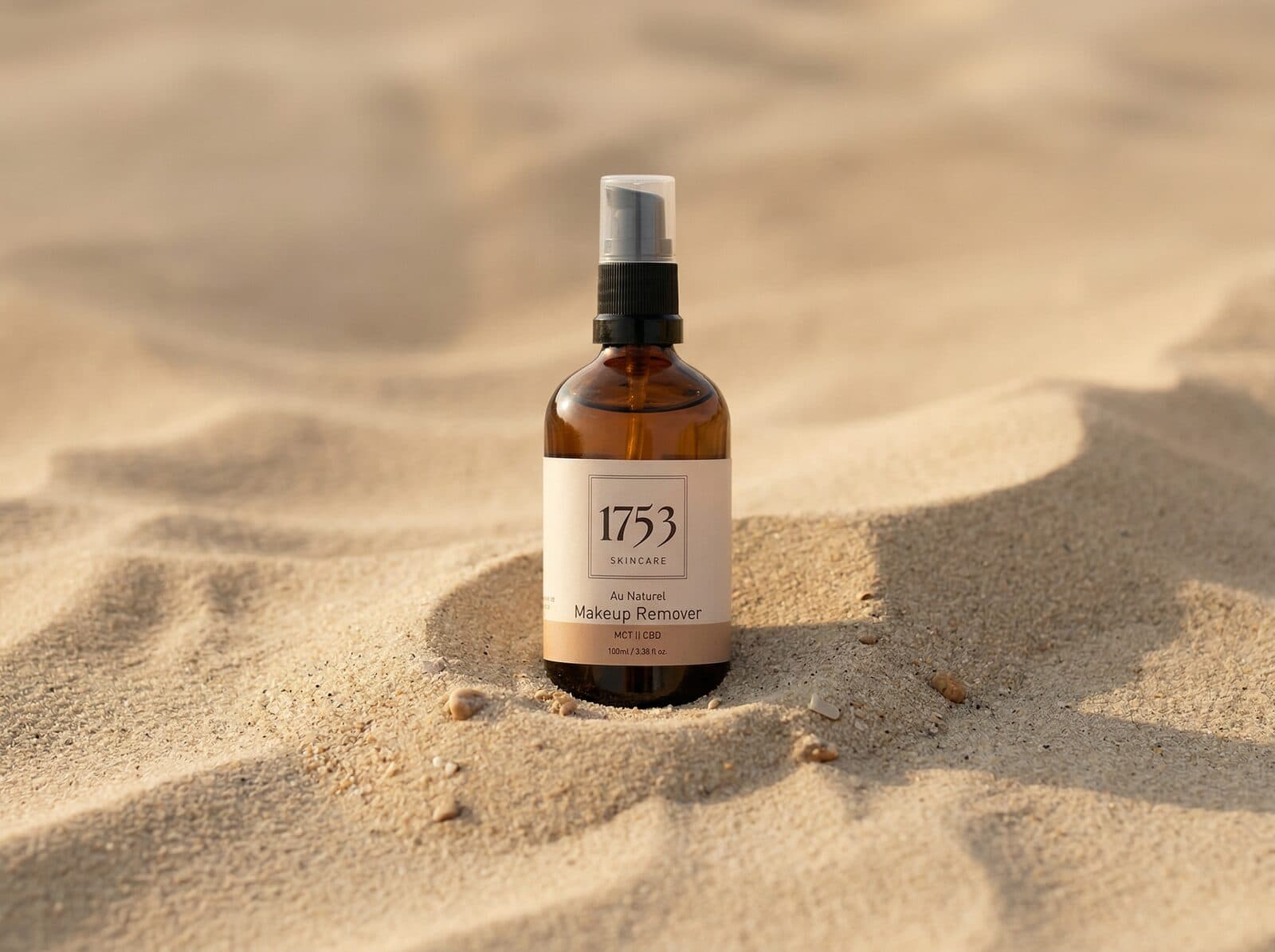
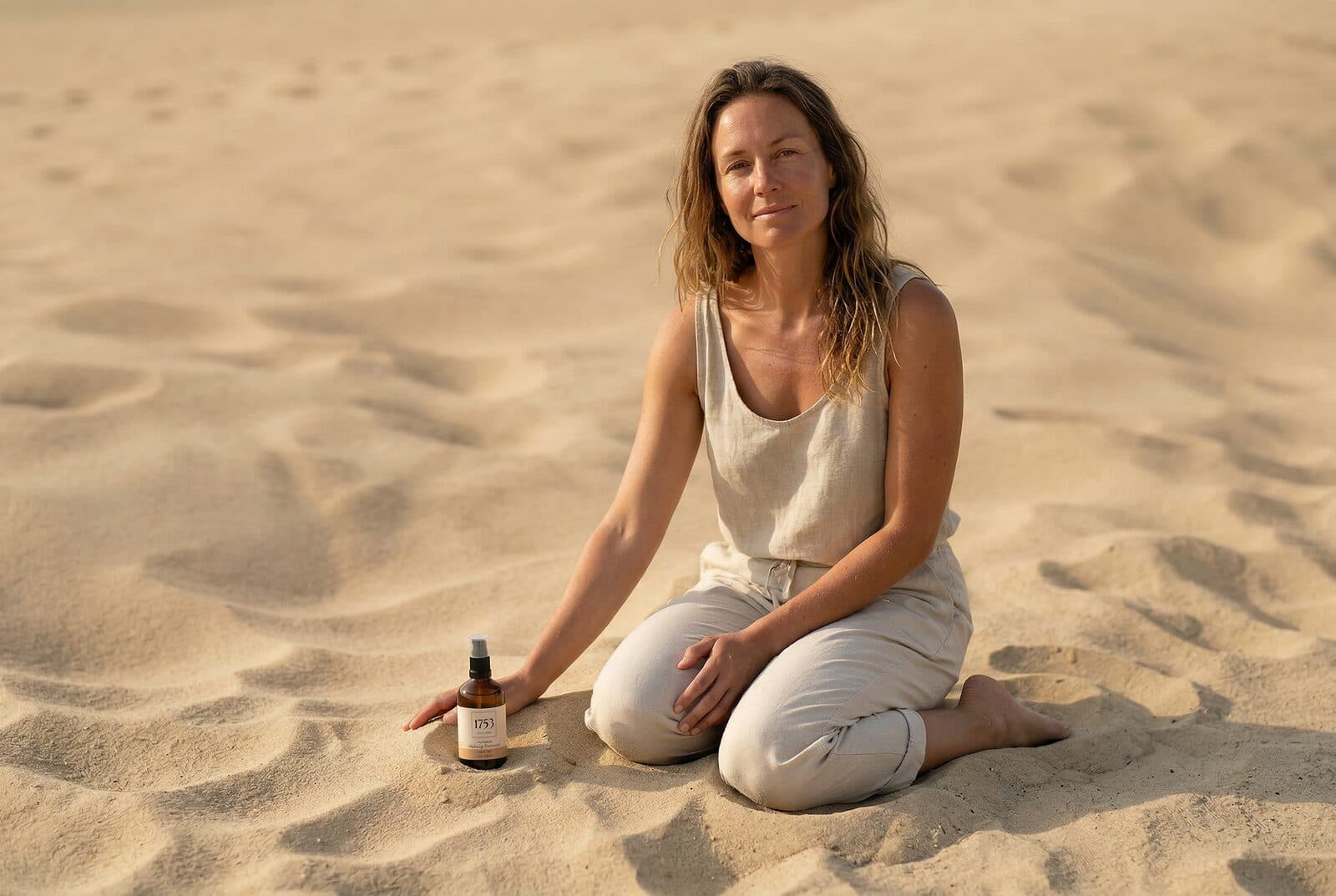
Au Naturel Makeup Remover
A cleansing oil with MCT and CBD that removes makeup and buildup without stripping your skin bare.
Frequently asked questions
Why does my skin feel tight on planes?
Low cabin humidity increases water loss from the skin surface, and pressurized air can make skin feel even more drained. It’s a mix of dehydration and barrier stress, not just “dry skin.”
Should I use a thick cream on flights?
Not always. For many people, a heavy cream feels too much in dry cabin air. A lighter barrier-supporting layer often works better, especially if skin gets shiny and tight at the same time.
Is an in-flight mask worth packing?
Yes, if you choose the right one. A soothing mask can add support, but it should not replace your basics. Keep it simple and avoid overly active formulas that may irritate travel-stressed skin.
What if my skin is already irritated after landing?
Scale back immediately: gentle cleanse, calming serum and a protective layer. Put acids and harsh exfoliation on hold until your skin feels normal again. Usually, less is the answer.
Sources
- Engebretsen KA, Johansen JD, Kezic S, Linneberg A, Thyssen JP. The effect of environmental humidity and temperature on skin barrier function and dermatitis. J Eur Acad Dermatol Venereol 2016;30(2):223–249.
- Lin TK, Zhong L, Santiago JL. Anti-Inflammatory and Skin Barrier Repair Effects of Topical Application of Some Plant Oils. Int J Mol Sci 2017;19(1):70.
Article reviewed by Christopher Genberg, founder of 1753 SKINCARE.
Related articles
Seasonal Skin
Summer Skin Guide – let skin breathe
When UV index sits at 6–11, sweat is constant and the air feels thick, your skin does not need a res...
Seasonal Damage
sunburn skin rescue – cool it, calm it, leave it alone
A sunburn often looks harmless at first, then the heat and sting start talking back. What you’re dea...
Travel Skin
Travel skin jetlag – when your face lands later
The plane may have taken you somewhere warm, but your skin often stays back in the cabin. With cabin...
Cyclic Skincare
Menstrual Cycle and Skin – why one routine doesn’t fit all
Your skin doesn’t run on a fixed schedule; it runs with your body. Across the menstrual cycle, hormo...
Postpartum Skin
Postpartum skin – why it changes so much
After pregnancy, skin can feel like it belongs to someone else. Hormones drop, sleep gets broken, an...
Skin Streaming
Minimalist 5 step routine – why less can do more
Skincare has become too much of everything: too many steps, too much exfoliation, too much cleansing...