
Wellness
Fasting skin – when the body cleans up, it shows
Intermittent fasting is not magic. But when insulin drops and autophagy gets more room, the body can spend less energy on storing and more on clearing out. The skin often shows it first: less puffiness, calmer texture, fewer unnecessary flare-ups.

Can fasting skin really change, or is it just another wellness story?
When you eat all day, insulin stays elevated more often, and that affects more than blood sugar. Insulin is a growth-and-storage signal, and when it is constantly nudged, repair and cleanup can get less priority. During fasting, that signal eases and the body shifts tempo.
This is where autophagy enters the picture. Autophagy is the cell’s own cleanup system: old proteins, worn-out parts and debris are broken down and recycled. Research on fasting and nutrient restriction shows that autophagy-related pathways, including ATG genes, become more active when energy availability drops. Not a hack, just biology doing what it was built to do.
The skin is not separate from that system. Lower insulin pressure, a drop in inflammatory load and a more stable metabolic rhythm can show up over time in the skin. Not because fasting is a cure-all, but because skin often reflects how hard the body has to work to manage constant input.
How to test it without guessing
Keep a 10-hour window
Start simple: eat between, say, 9 a.m. and 7 p.m. for two weeks. It gives the body a clearer break without turning life into punishment. Notice whether morning puffiness drops.
Check the mirror daily
Ask yourself the same question every morning: does the skin look calmer, or more stressed? Pay attention to redness, shine and tiny bumps around the chin and cheeks. Write the answer in three words.
Drop late-night eating
Move your last meal earlier, ideally before 8 p.m., and watch what happens after 7 days. Less late eating can reduce insulin spikes at the time your body wants to wind down.
Protect your sleep window
If you fast but sleep badly, the effect is often mediocre. Aim for a 10:30 p.m. bedtime if you want less HPA-axis noise and a better chance for skin recovery.
Ask if your gut calms down
Skin and microbiome talk to each other. After two weeks, ask: does your stomach feel less bloated, and does the skin follow? That link is often more telling than any single product.

How to support skin while fasting
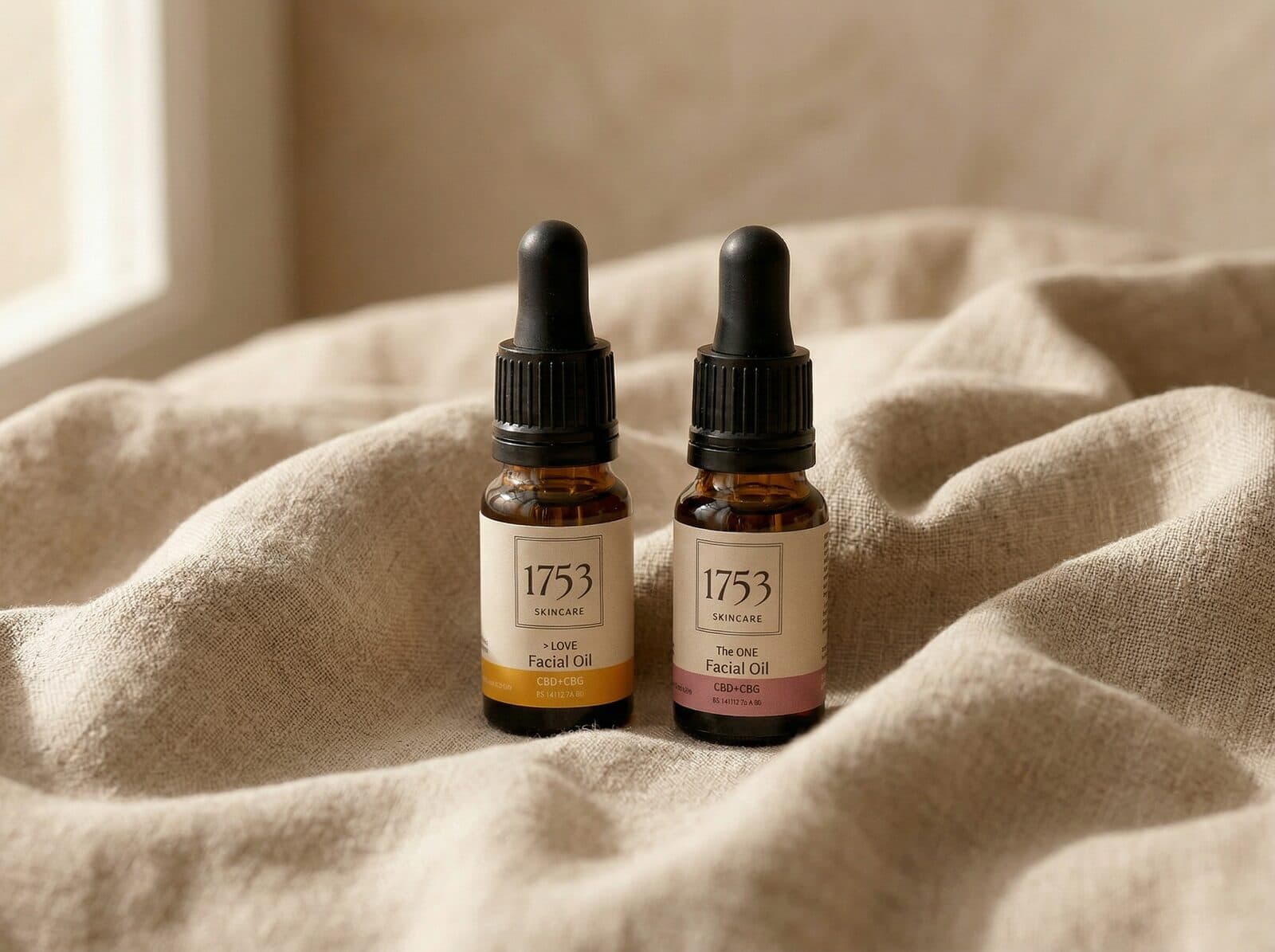
The smart move is not to overwork the skin while you are trying to calm the body from within. During intermittent fasting, skin often responds better to simple, consistent care than to strong acids and aggressive cleansing. That is where The ONE makes sense: CBD and MCT help keep skin regulated without disturbing the barrier.
If the skin feels irritated, shiny but stressed, I LOVE is a natural next step. The CBG serum is made to soothe and support skin that reacts easily when insulin, sleep and stress are not exactly on speaking terms. If you want the fuller setup, DUO-kit is the obvious pairing, because The ONE and I LOVE together give a broader cannabinoid spectrum on the outside.
And for internal support, Fungtastic Mushroom Extract brings chaga, reishi, lion’s mane and cordyceps into the picture. Not as a shortcut, but as support for the system while you work with fasting, recovery and lower inflammation. If you want your routine to match your lifestyle, this is a lot more sensible than adding yet another active ingredient.
Products we recommend
 Save €34
DUO kit
Two face oils, one for morning and one for evening. Simple skincare that works with your skin, not against it.
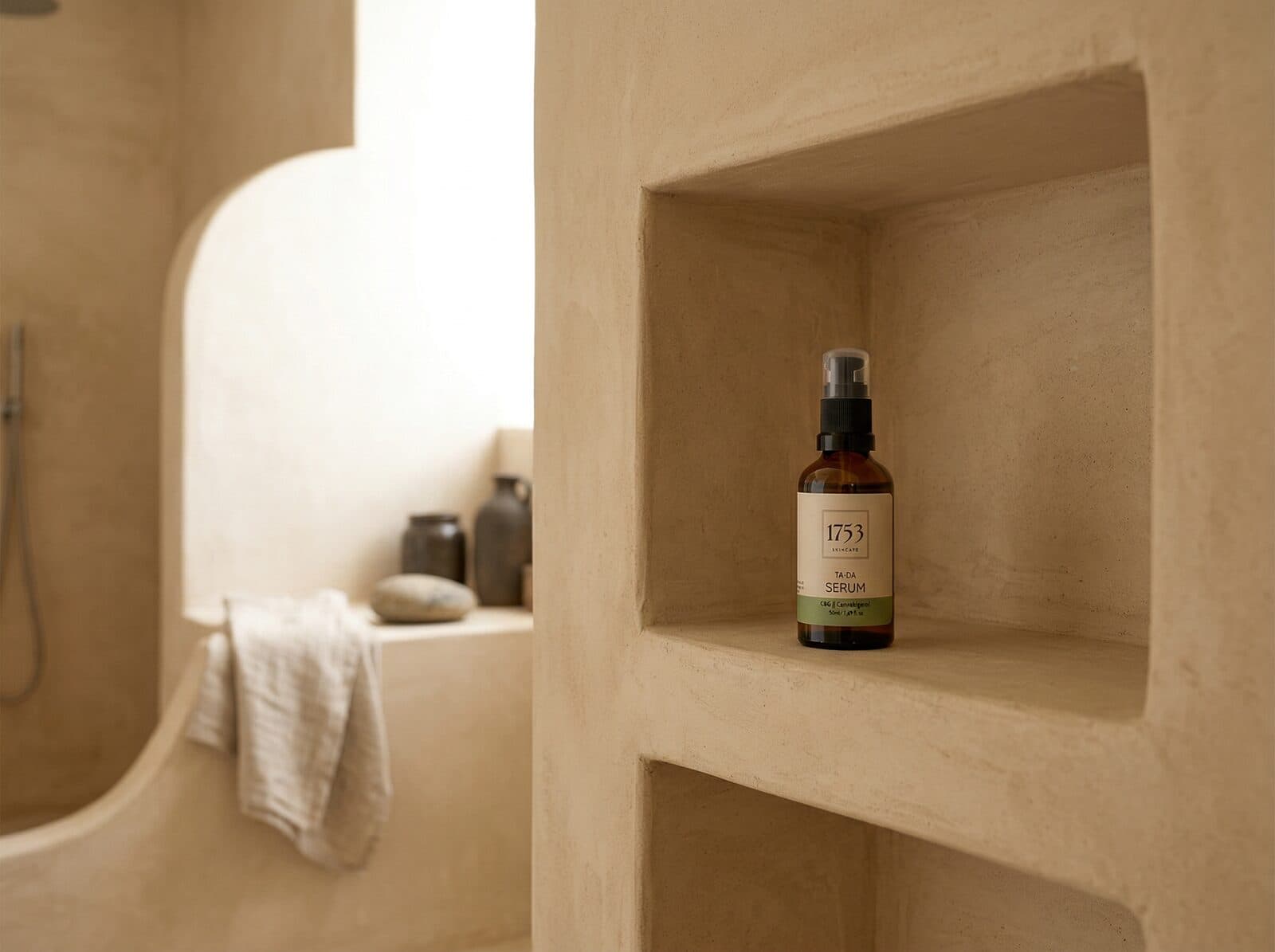
TA-DA Serum
A CBG-powered serum that seals in moisture and adds glow, whatever the season.
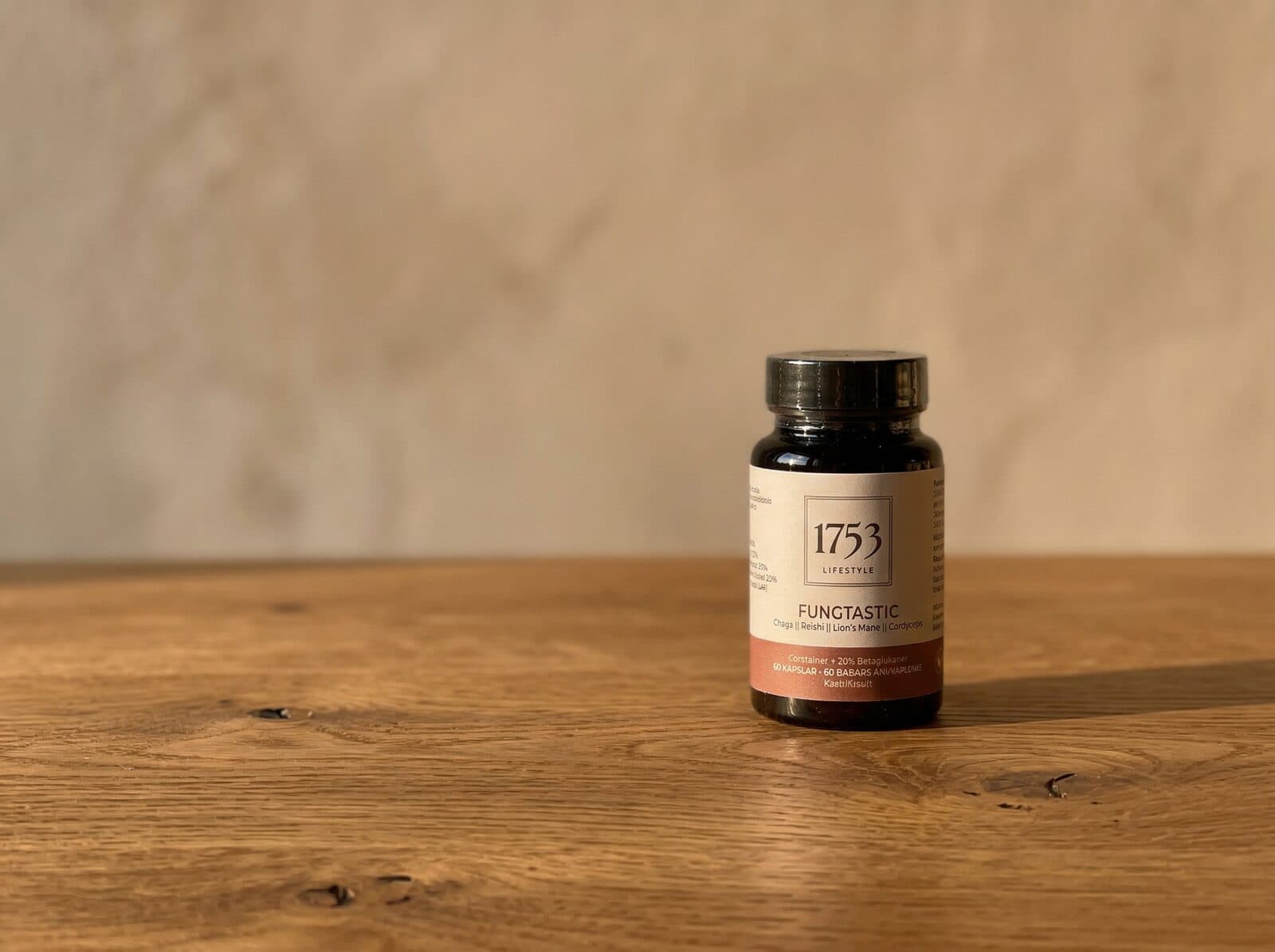
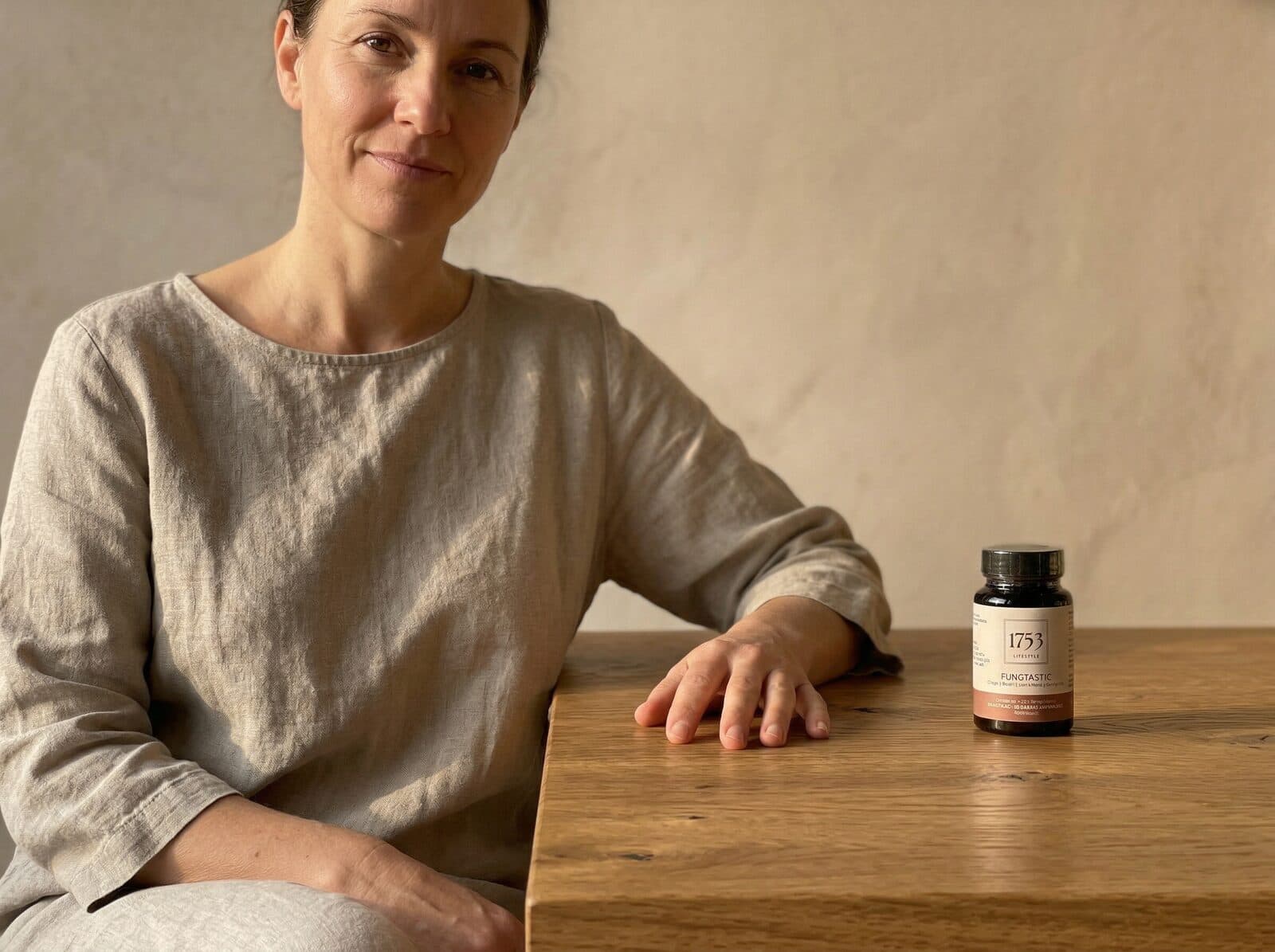
Fungtastic Mushroom Extract
Four mushrooms in one formula to support immunity, focus, energy and sleep from within.
Frequently asked questions
How soon can fasting show on skin?
It varies, but many people notice changes only after 1–3 weeks, once the routine is stable. Look for calmer redness, less puffiness and a more even surface, not perfection. Skin usually tracks sleep, stress and food patterns together.
Do I need long fasts for results?
Not necessarily. A simple 10–12 hour eating window can already give the body more room to recover. The point is consistency, not pushing into extreme routines.
Can fasting make skin worse at first?
Yes, if you fast hard, sleep poorly or get stressed, the skin can react. The HPA axis and cortisol matter, so too little food and too much pressure can backfire. In that case, start more gently.
Which product fits fasting best?
If the skin feels tight or reactive, The ONE is often the easiest place to start. If you want more calm and support around breakouts, add I LOVE. For internal support, Fungtastic is a natural companion.
Sources
- Chen Y, Lyga J. Brain-skin connection: stress, inflammation and skin aging. Inflamm Allergy Drug Targets 2014;13(3):177–190.
- Walker MP, van der Helm E. Overnight therapy? The role of sleep in emotional brain processing. Psychol Bull 2009;135(5):731–748.
- Katta R, Desai SP. Diet and Dermatology: The Role of Dietary Intervention in Skin Disease. J Clin Aesthet Dermatol 2014;7(7):46–51.
Article reviewed by Christopher Genberg, founder of 1753 SKINCARE.
Related articles
Wellness
Sleep skin connection – when the night does the work
Beauty sleep is not a cliché. While you sleep, cortisol drops, growth hormone rises and the body get...
Wellness Axis
Gut skin connection – when the gut shows on your face
Your skin is not a separate island. It listens to your gut, your stress, and the state of your intes...
WELLNESS
Stress skin – when your body hits the alarm button
You usually feel it before you can explain it: redness, tightness, stinging, or a psoriasis flare th...
Lifestyle
Perimenopause and skin – when everything shifts at once
One day your skin feels drier, thinner and suddenly touchy. Adult acne may show up, fine lines look ...
Cyclic Skincare
Menstrual Cycle and Skin – why one routine doesn’t fit all
Your skin doesn’t run on a fixed schedule; it runs with your body. Across the menstrual cycle, hormo...
Postpartum Skin
Postpartum skin – why it changes so much
After pregnancy, skin can feel like it belongs to someone else. Hormones drop, sleep gets broken, an...