
Organic Skincare
Organic skincare – for your skin and the planet
Organic skincare is about more than what you put on your skin. It's about the entire chain – from soil to bottle – and ensuring every step respects both you and the planet.
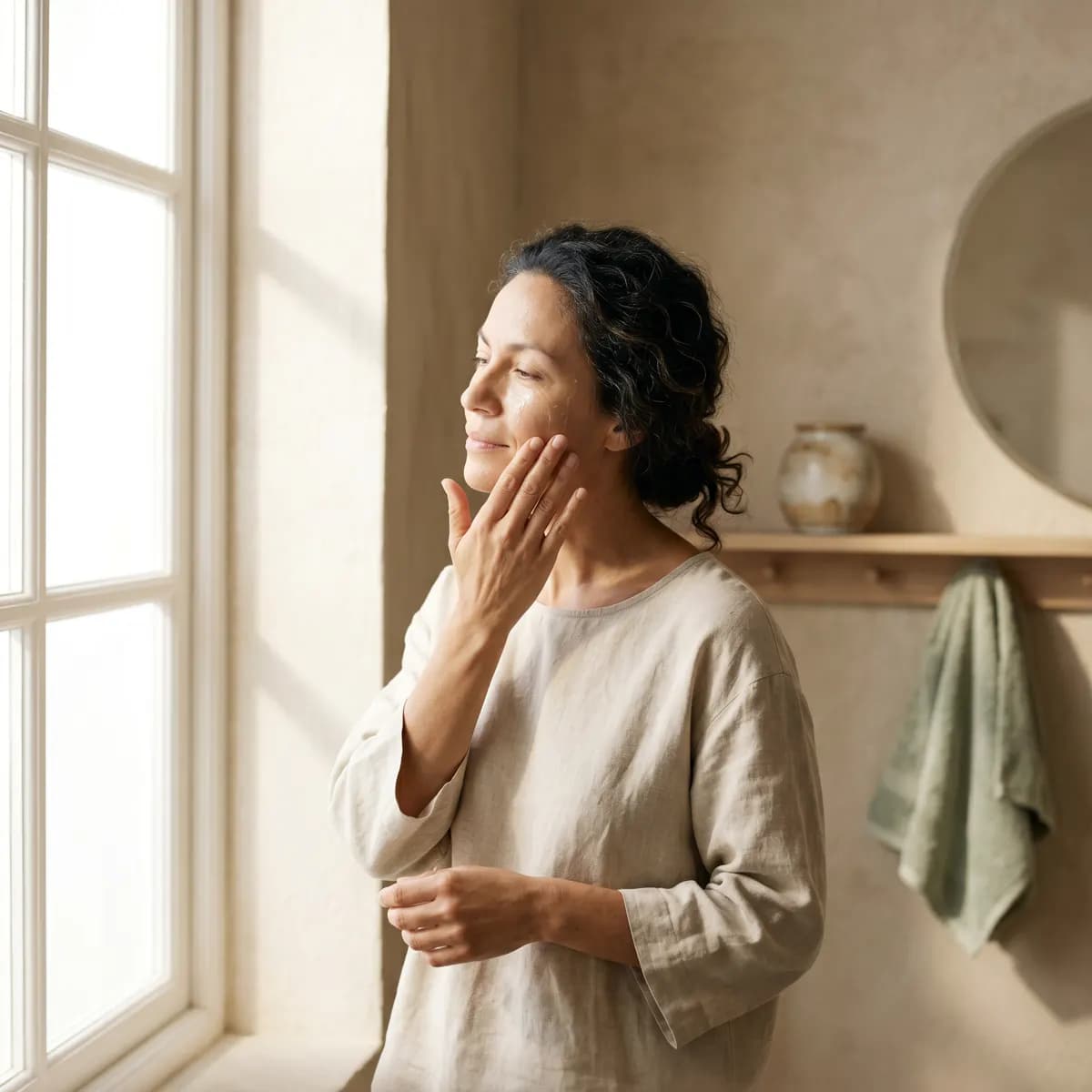
The greenwashing epidemic
The term organic has been diluted beyond recognition in the skincare industry. Brands slap green leaves on packaging, call themselves eco and sustainable, and hope nobody checks the ingredient list. In reality, there's no universal standard for what organic skincare means, opening the door to manipulation.
Conventional agricultural chemicals end up in raw materials – pesticides in plant oils, heavy metals in mineral-based ingredients, solvents in extracts. When you apply these to your skin, they're absorbed directly, bypassing the liver's filter. Skin doesn't have a detoxification system the way digestion does.
The sustainability question extends beyond ingredients. Unnecessary plastic packaging, shipping across the globe, water-wasting production methods – the entire skincare industry carries an environmental debt that's rarely discussed. Choosing organic means demanding accountability across the entire chain, not just the final label on the bottle.
Navigating organic skincare
Check the origin
Where do the raw materials come from? Organically certified ingredients are grown without synthetic pesticides or fertilizers. Ask the brand if they can trace their ingredients back to the source.
Understand certifications
COSMOS, Ecocert, Soil Association, and USDA Organic all have different requirements. No certification is perfect, but they provide a baseline of assurance. Learn the differences.
Think packaging
Glass bottles, recycled plastic, and minimalist packaging reduce environmental impact. Avoid over-packaged products where the cardboard weighs more than the contents.
Less is more sustainable
Every product you buy has an ecological footprint. A minimalist routine of two to three quality products is more sustainable than ten steps of mediocre alternatives.
Support transparent brands
Brands that openly share their supply chains, certifications, and production methods deserve your trust. Secrecy is never a good sign.
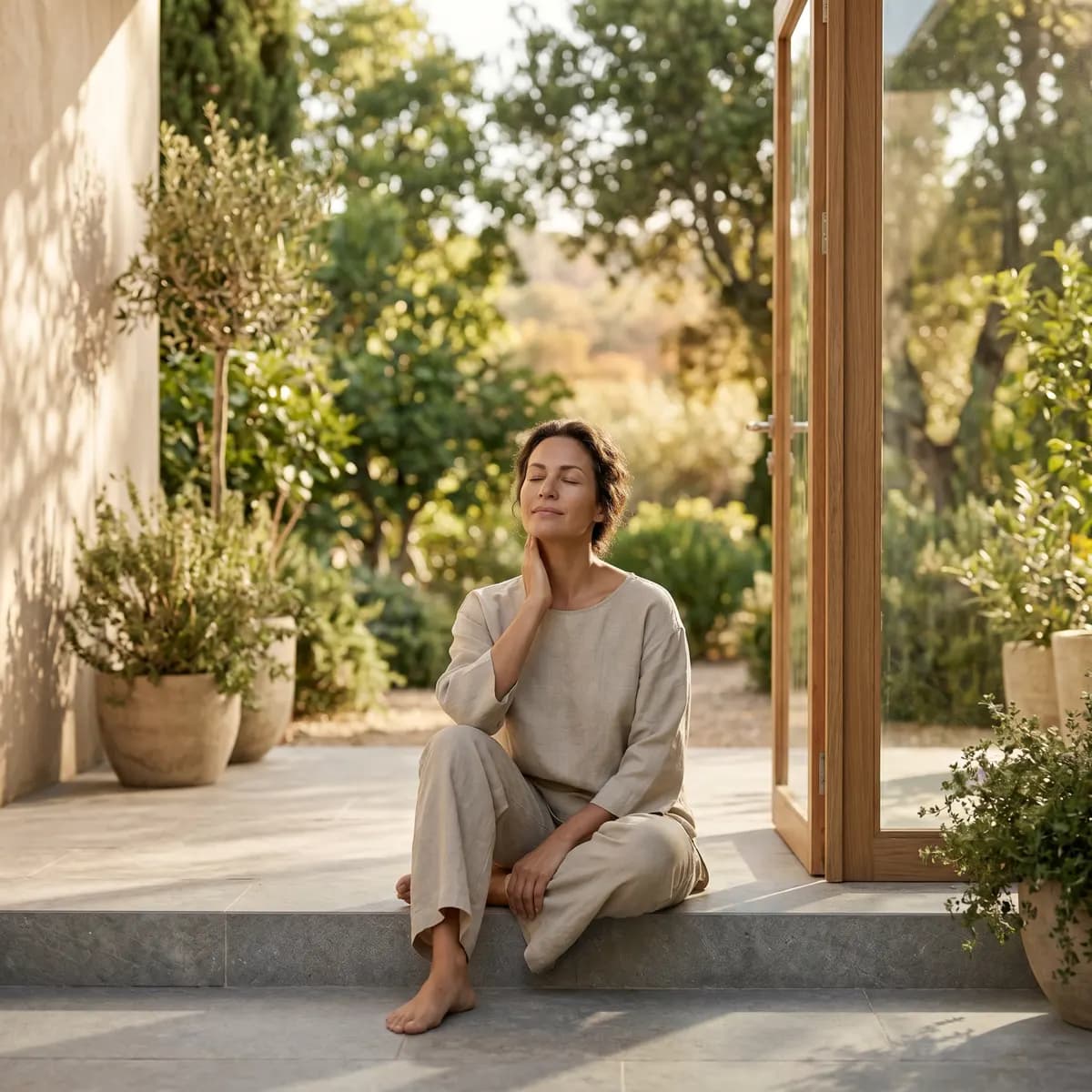
1753 SKINCARE – genuinely organic
Our hemp is organically grown in Europe without pesticides or synthetic fertilizers. CBD and CBG are extracted using gentle CO2 methods that preserve the full spectrum of cannabinoids and terpenes without chemical solvents.
We keep our formulas short and meaningful. Every ingredient has a clear function and comes from responsible sources. Fungtastic Mushroom Extract uses four mushroom species cultivated under controlled, sustainable conditions. Au Naturel cleanses with MCT oil from responsibly produced coconut.
We're not perfect and never pretend to be. But we're transparent about what our products contain, where the ingredients come from, and how they're produced. That's the kind of honesty organic skincare should be built on – not pretty words on a label but substance behind every promise.
Products we recommend
 Save €60
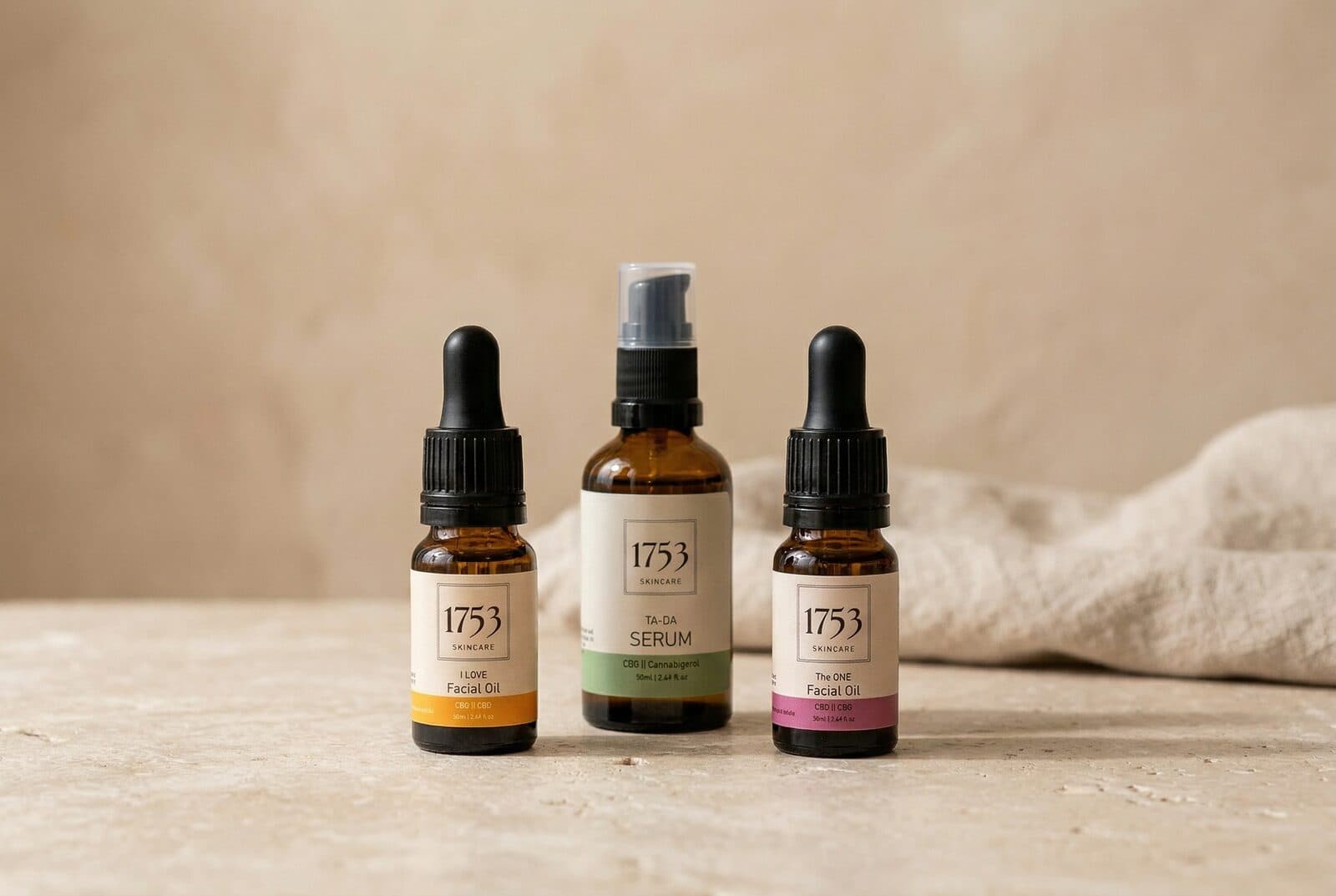
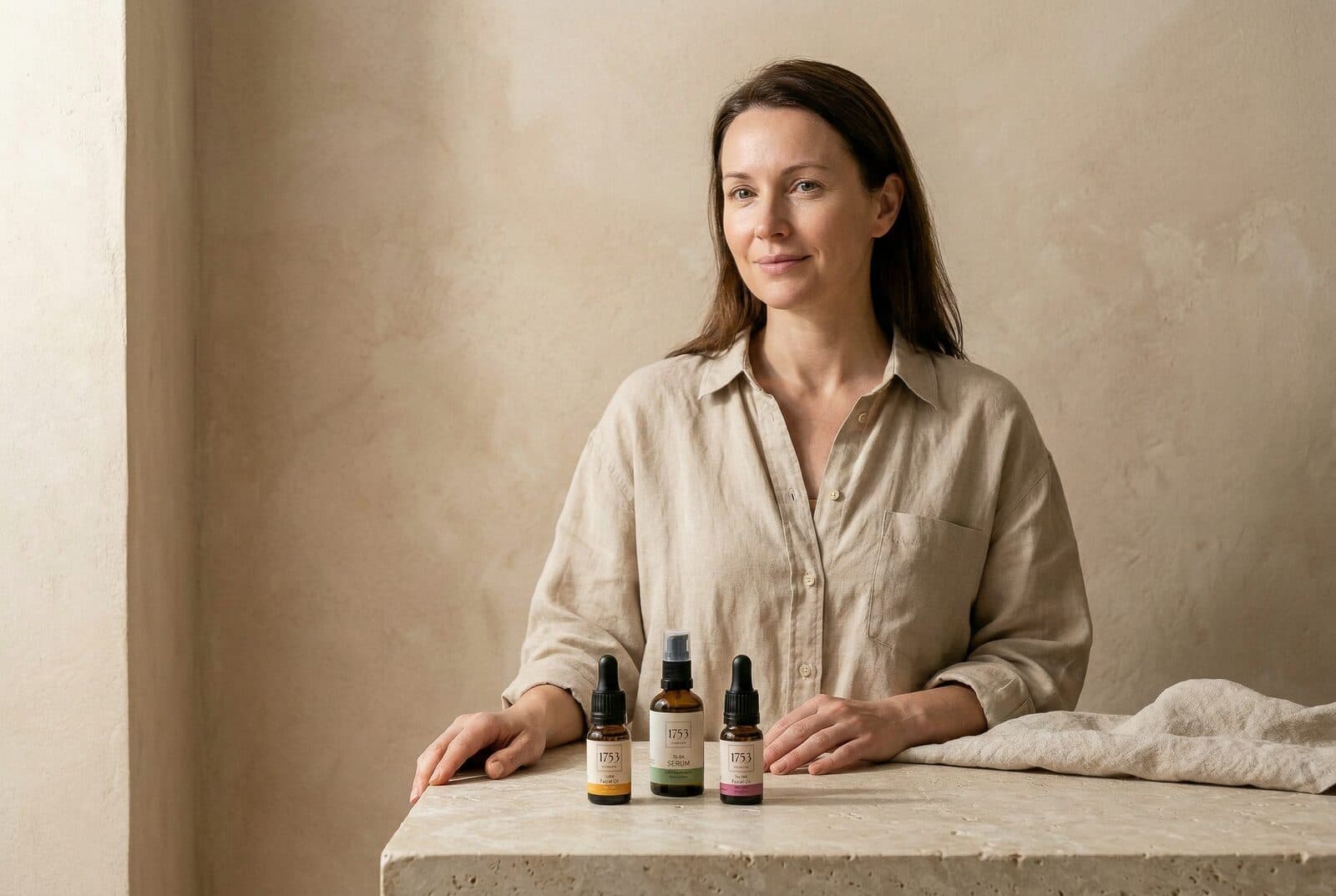
DUO kit + TA-DA Serum
The full routine in one: three products that help skin become calmer, stronger and more resilient.
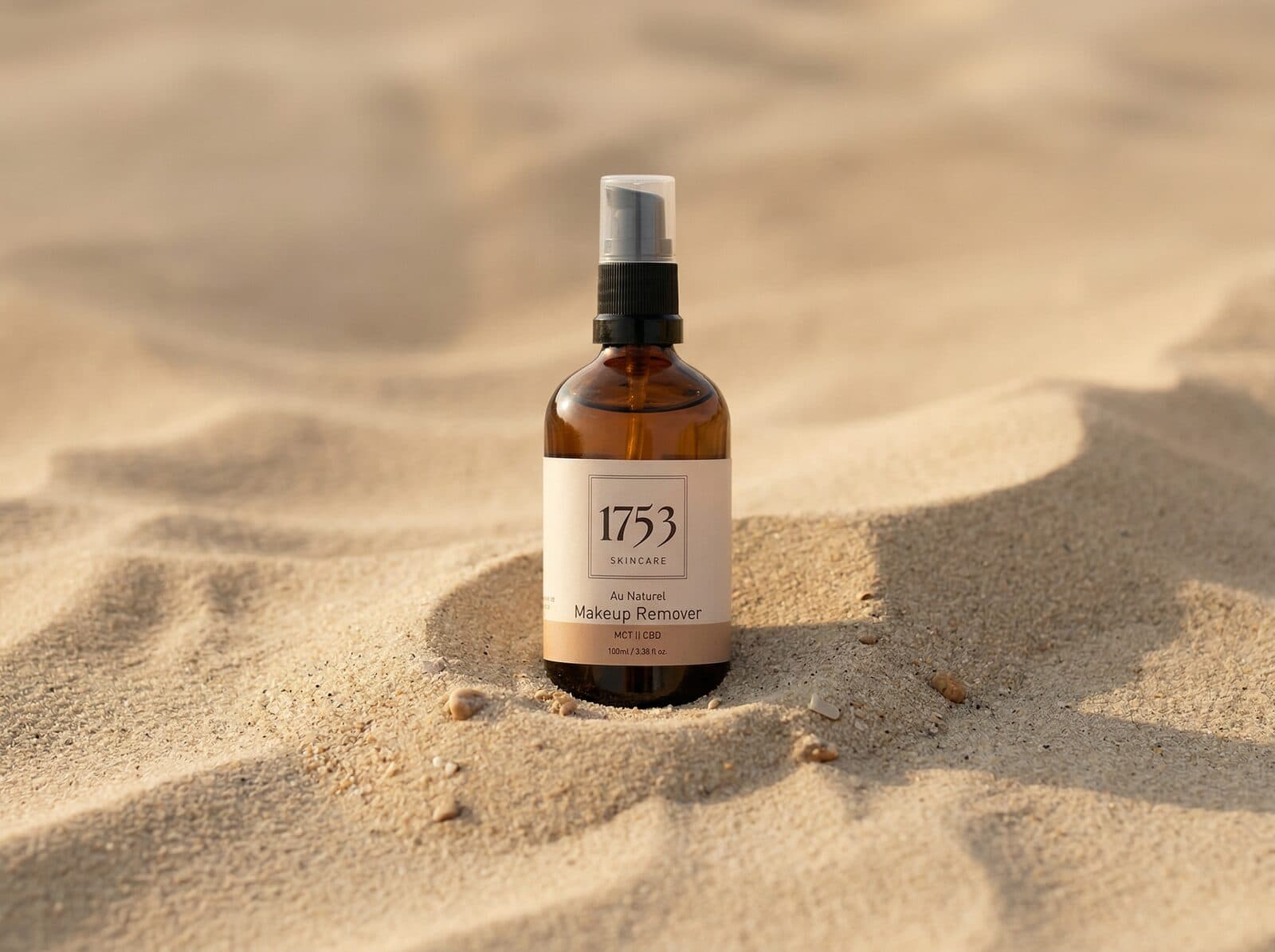
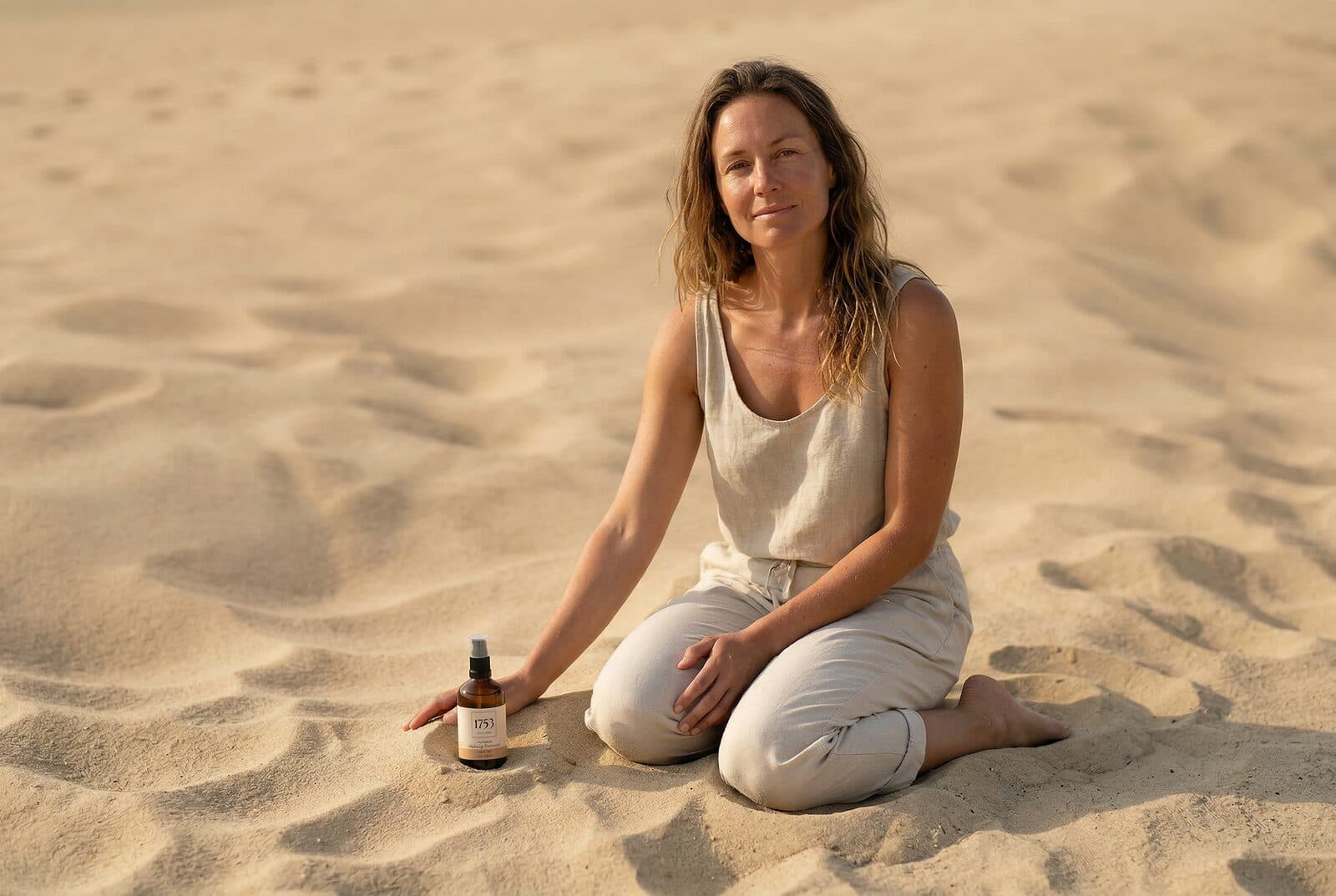
Au Naturel Makeup Remover
A cleansing oil with MCT and CBD that removes makeup and buildup without stripping your skin bare.
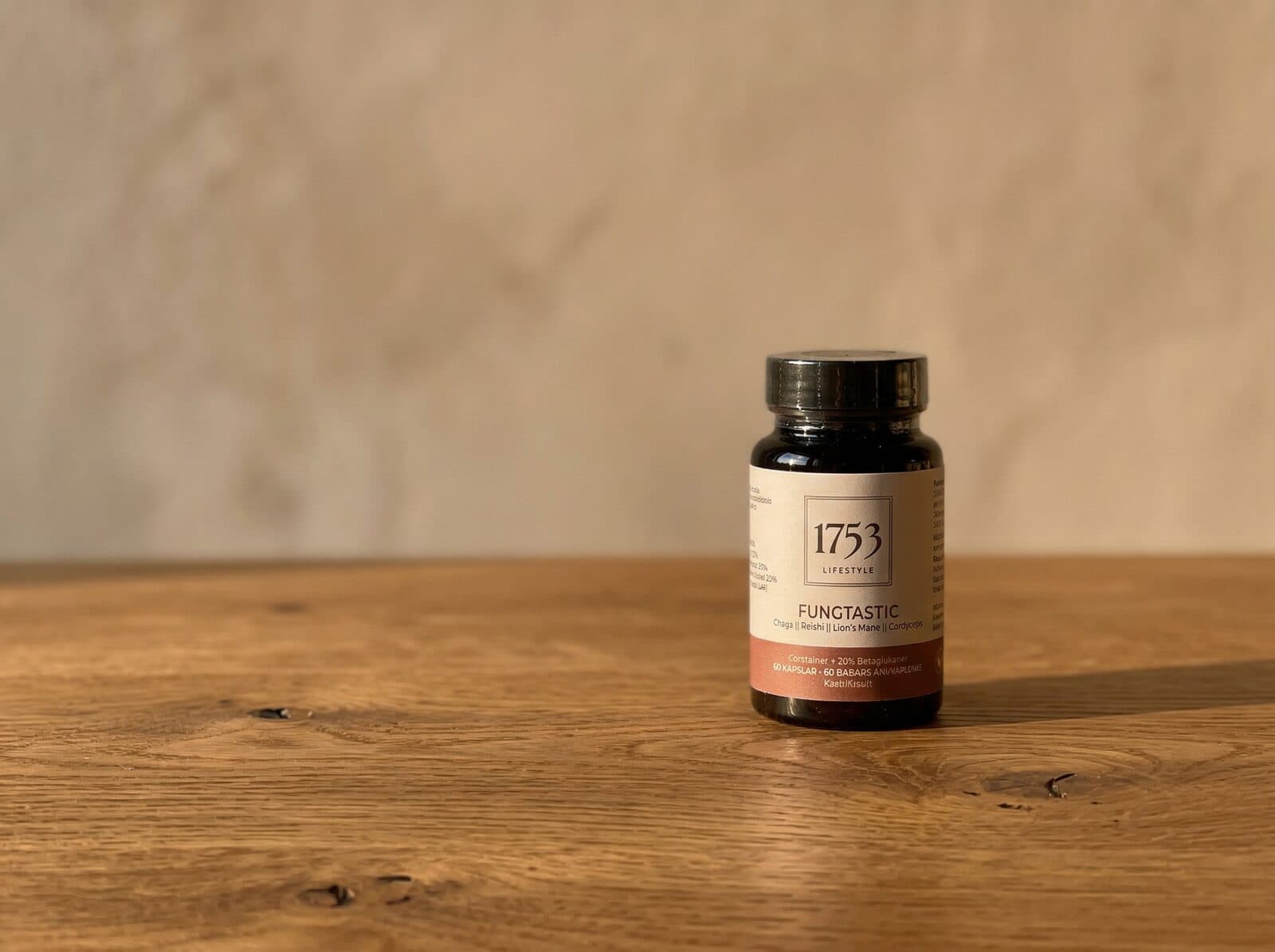
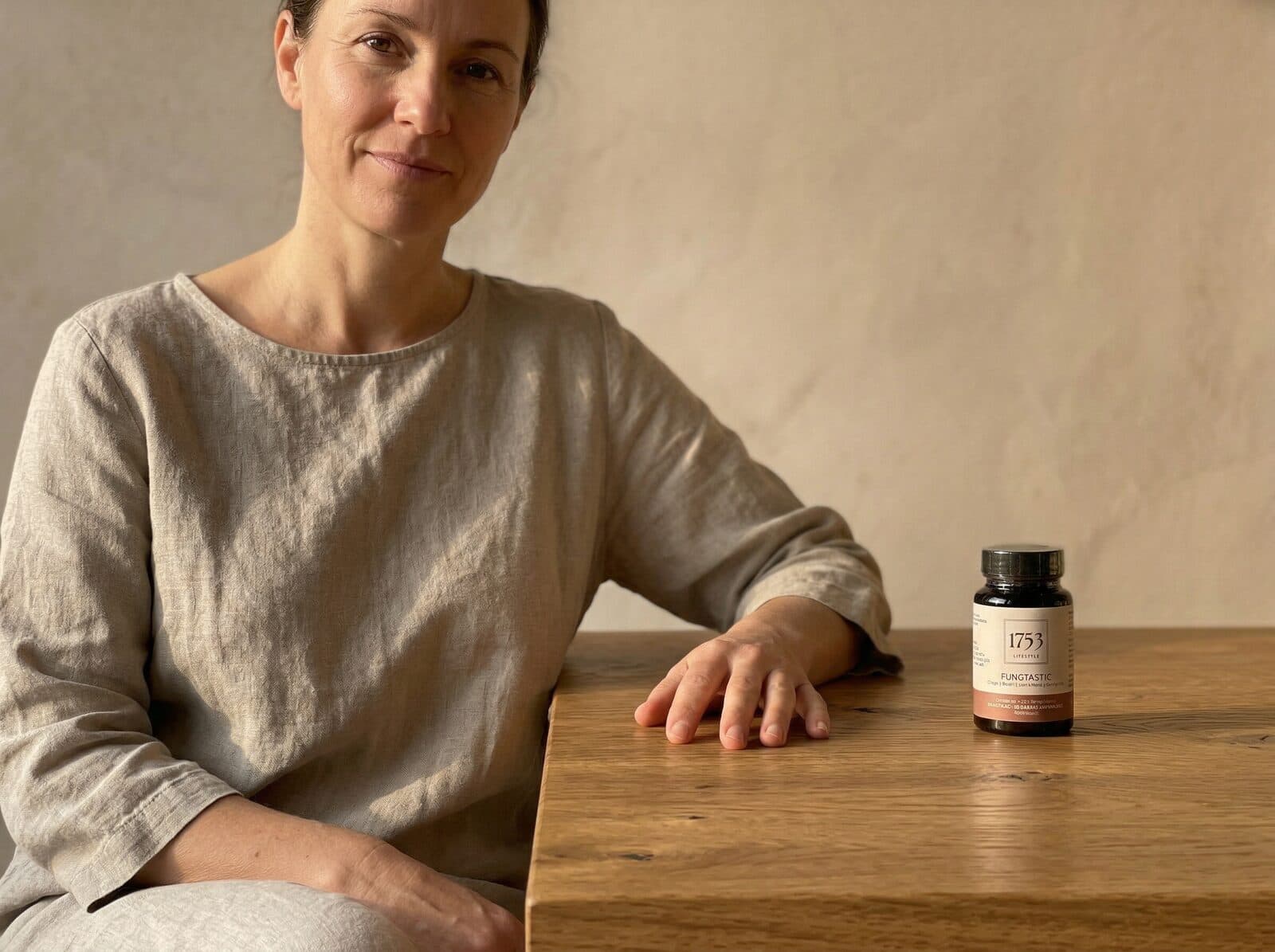
Fungtastic Mushroom Extract
Four mushrooms in one formula to support immunity, focus, energy and sleep from within.
Frequently asked questions
Is 1753 SKINCARE organically certified?
Our hemp is organically grown and we use organic ingredients wherever possible. We prioritize transparency about our entire chain rather than purchasing a logo.
Why is organic skincare more expensive?
Organic farming yields less, certifications cost money, and quality control requires more resources. You're paying for genuine quality instead of industrial mass production.
Does it really matter if skincare is organic?
Skin absorbs directly without filtering through the liver. Ingredients grown without pesticides and chemicals reduce the burden on both your body and the environment.
Can organic skincare be equally powerful?
Absolutely. CBD and CBG are potent bioactive compounds regardless of farming method, but organic cultivation yields cleaner extracts without chemical residues that can disrupt skin biology.
Sources
- Byrd AL, Belkaid Y, Segre JA. The human skin microbiome. Nat Rev Microbiol 2018;16(3):143–155.
- Bíró T, Tóth BI, Haskó G, Paus R, Pacher P. The endocannabinoid system of the skin in health and disease. Trends Pharmacol Sci 2009;30(8):411–420.
Article reviewed by Christopher Genberg, founder of 1753 SKINCARE.
Related articles
CBD Face Oil
CBD oil for the face – the only guide you need
You've heard that CBD oil is great for skin, but you wonder: how do I actually use it? Which one sho...
Swedish Skincare
Swedish skincare – lagom isn't boring, it's genius
While the rest of the world chases ten-step routines and miracle ingredients, Sweden has always know...
Skin Balance
Endocannabinoid system in skin – why your skin wants to self-regulate
Your skin is not built to be bullied. It has its own control network, the ECS, that helps keep oil, ...
Lifestyle
Perimenopause and skin – when everything shifts at once
One day your skin feels drier, thinner and suddenly touchy. Adult acne may show up, fine lines look ...
CBD Skincare
CBD for acne – stop fighting your skin
Acne isn't about being dirty. It's about inflammation, hormones, and skin that needs support – not p...
CBD Skincare
CBD for oily skin – balance instead of dehydration
Drying out oily skin only makes it oilier. Sounds backwards, but that's exactly what happens. CBD of...