
Comparison
Dermarolling vs LED – micro-injury or light that works with skin?
One makes tiny punctures. The other uses light to nudge the skin along. Dermarolling vs LED is really a choice between collagen induction through micro-injury and photo-stimulation without punctures. The real question is not which sounds more advanced, but what your skin can actually tolerate.

Does skin really need controlled injury?
Dermarolling relies on tiny punctures that trigger the body’s repair response. That can increase collagen signaling and smooth texture over time, but the mechanism is straightforward: the skin reads the needles as trauma and reacts accordingly. For some people, that is exactly the point. For others, it is just unnecessary irritation.
LED masks work differently. Red and near-infrared light are used for photo-stimulation, meaning a gentle energy signal to cells rather than a wound. Studies suggest certain wavelengths may affect inflammation, circulation, and collagen production, but the effects are usually gradual and depend on consistent use. It is less dramatic than needles, but also less abrasive.
The uncomfortable truth? More intensity is not always more progress. Conventional skincare loves the idea that skin must be pushed, scrubbed, and “boosted” hard to change. But if the barrier is already stressed, micro-injury can be a poor trade. If you want results without gambling on infection risk and downtime, it makes sense to compare method to method, not hype to hype.
Five things to weigh
Check your barrier
If you flush easily, feel dry, or react fast, LED is usually the kinder option. Dermarolling asks for a skin barrier that is already stable and resilient, or recovery can drag on.
Match risk to goal
If you want collagen induction and accept punctures, dermarolling can make sense. If you want stimulation without creating tiny wounds, LED is the more logical fit. Let the goal choose the tool.
Respect hygiene
Dermarolling demands strict cleanliness, the right needle length, and careful aftercare. Even small lapses raise infection risk and irritation. LED masks are easier to keep clean and easier to repeat.
Be realistic about speed
Dermarolling may feel more immediate because something clearly happened. LED tends to build more slowly and evenly. For lasting skin change, patience usually beats aggressiveness.
Support skin gently
Whichever route you choose, skin usually does better with calming, skin-regulating support than with more actives. The ONE and I LOVE are steady options, and Ta-DA adds antioxidant support without piling on pressure.
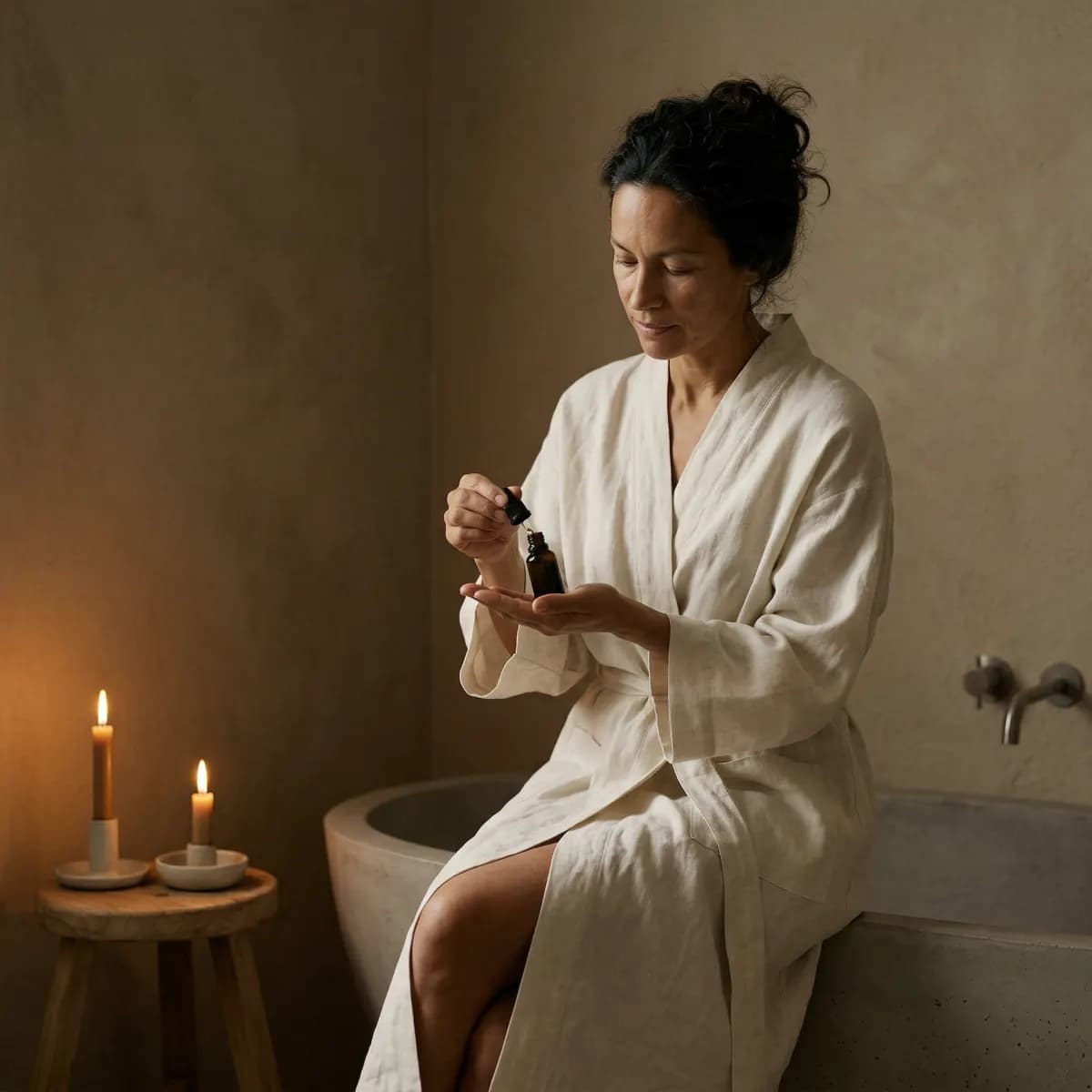
How to solve it without overworking skin
If you are choosing between dermarolling vs LED, the honest answer is simple: LED fits best when you want to stimulate skin with as little friction as possible. Dermarolling has its place when micro-injury is the goal and you are ready for the discipline, cleanliness, and recovery it demands.
For many skin types, starting with light is the smarter move. LED masks offer a lower-drama path to photo-stimulation, while dermarolling can easily become one more way to “make” skin change. This is where 1753 fits naturally: The ONE helps keep skin feeling more balanced, I LOVE is a soothing CBG serum, and the DUO kit combines CBD + CBG in a full cannabinoids spectrum as a calm companion to either route.
If you want a routine that does not fight the barrier, it is often wiser to keep the technology gentle and the support consistent. LED for stimulation. Skincare for calm. And if you want a little extra cushion, Ta-DA brings an antioxidant cocktail that suits skin you do not want to over-stress.
Products we recommend
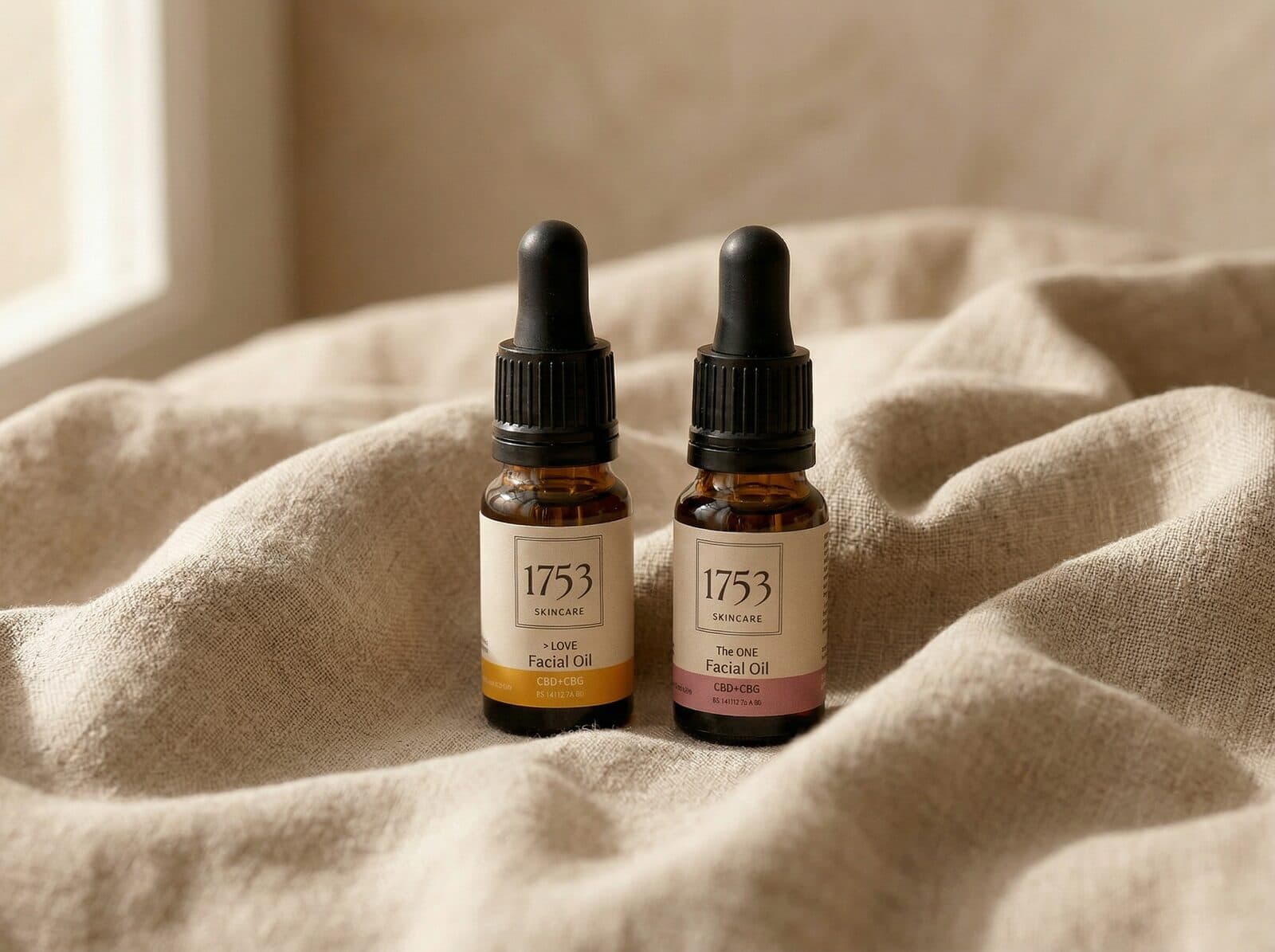
 Save €34
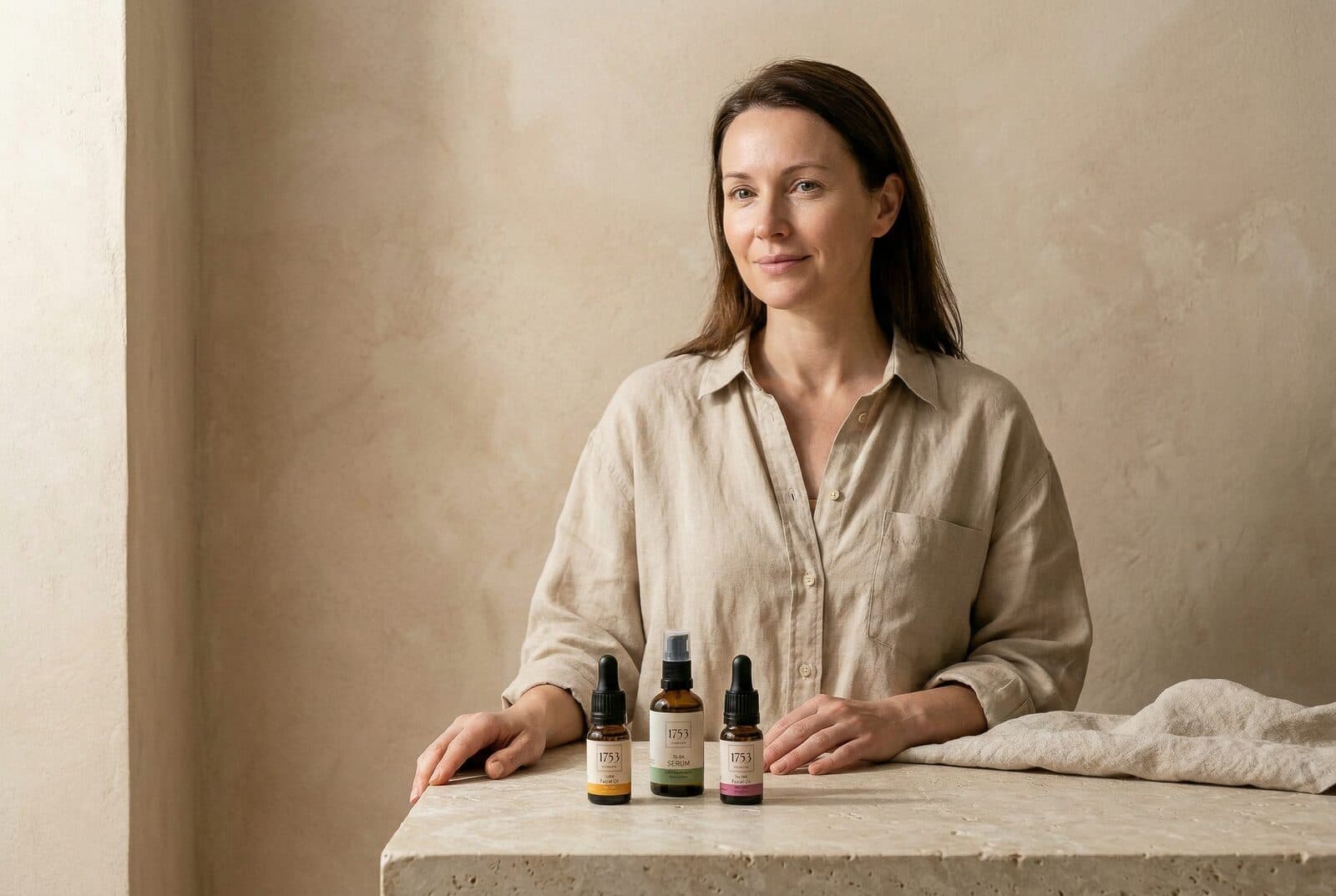
DUO kit
Two face oils, one for morning and one for evening. Simple skincare that works with your skin, not against it.
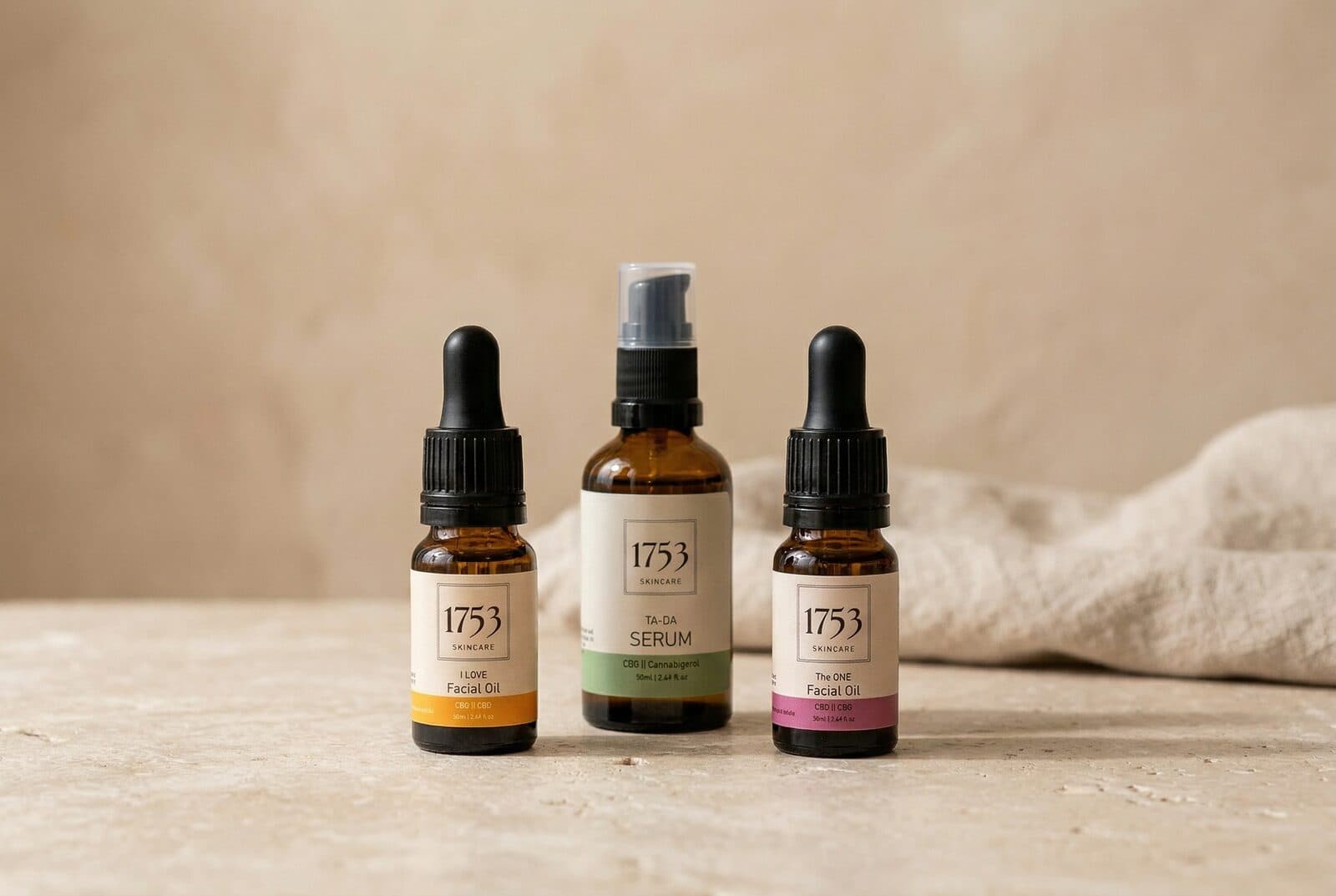
 Save €60
DUO kit + TA-DA Serum
The full routine in one: three products that help skin become calmer, stronger and more resilient.
TA-DA Serum
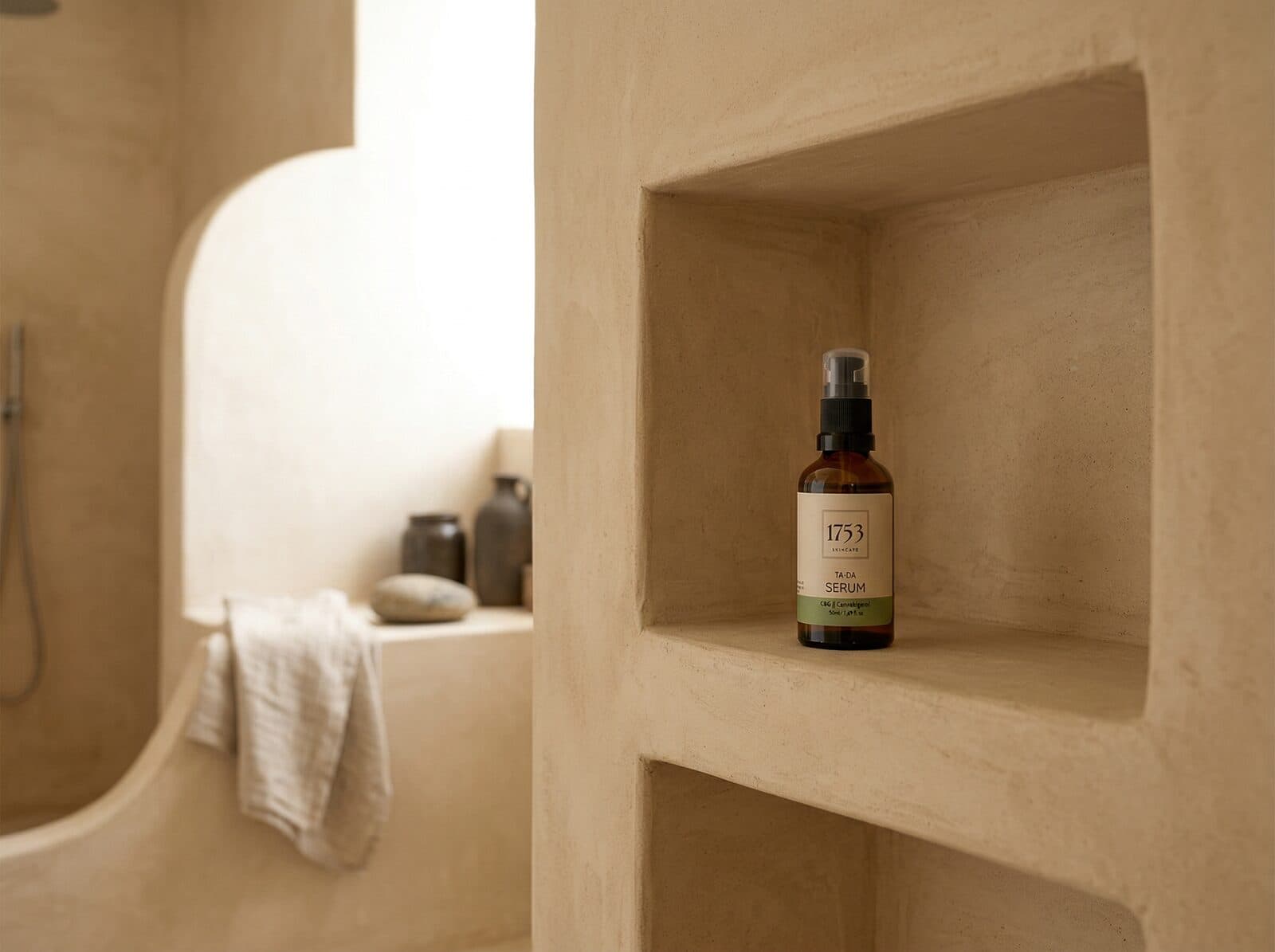
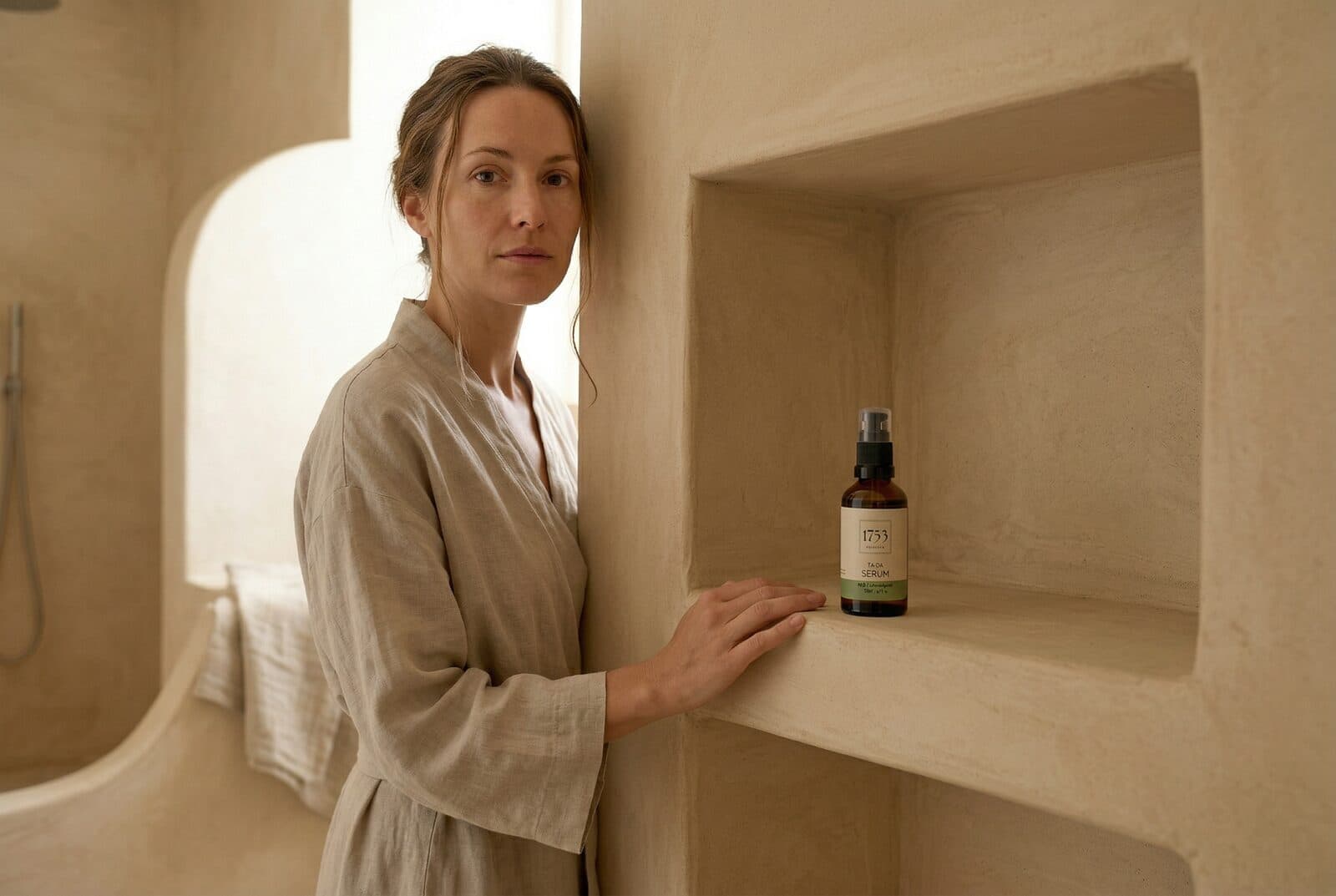
A CBG-powered serum that seals in moisture and adds glow, whatever the season.
Frequently asked questions
Is dermarolling better than an LED mask?
Not by default. Dermarolling can create a stronger repair signal through punctures, while LED is gentler and often easier to use consistently. Better depends on your skin tolerance and how much risk you are willing to accept.
Can LED fully replace dermarolling?
For some goals, partly yes. LED delivers photo-stimulation without creating wounds, so it makes sense if you want to avoid infection risk and recovery time. But if your goal is specifically micro-injury, it is not the same mechanism.
How big is the infection risk with dermarolling?
It depends heavily on hygiene, needle length, and how healthy the skin already is. At-home use with poor technique clearly raises the risk. If you have active acne, open skin, or frequent inflammation, be cautious.
What should I use after treatment?
Keep it simple. After dermarolling or LED, skin usually wants calming support rather than more acids and actives. The ONE, I LOVE, or DUO can be a gentle way to help skin settle back down.
Sources
- Oláh A, Tóth BI, Borbíró I, et al. Cannabidiol exerts sebostatic and antiinflammatory effects on human sebocytes. J Clin Invest 2014;124(9):3713–3724.
- Tóth KF, Ádám D, Bíró T, Oláh A. Cannabinoid signaling in the skin: therapeutic potential of the c(ut)annabinoid system. Molecules 2019;24(5):918.
Article reviewed by Christopher Genberg, founder of 1753 SKINCARE.
Related articles
COMPARISON
cbd vs retinol – same conversation, different jobs
CBD and retinol are often grouped together, but they do not behave the same way. Retinol pushes cell...
Comparison
cbd vs hyaluronic acid – hydration or calm?
This is not a fight between two good ingredients. Hyaluronic acid draws water in. CBD works more aro...
COMPARISON
cbd vs niacinamide – two ways to less shine
If your skin is oily but also easily irritated, it is easy to get stuck between two classics: cbd vs...
Ingredient Portrait
cbd for skin – less noise, more balance
CBD for skin is interesting because it doesn’t try to bully the skin into behaving. It works with th...
Ingredient Portrait
cbg for skin – the mother cannabinoid that calms and renews
CBG usually lives in CBD’s shadow, but skin can tell the difference. This is the cannabinoid that ma...
Ingredient Portrait
Shea butter skin – rich, warm, not for everyone
Shea butter is one of skincare’s most loved butters, and one of the most misunderstood. It comes fro...