
Winter Skin
Cold Weather Skin – when winter gets personal
When the air turns colder, the wind sharpens and humidity drops, skin often starts to complain. Cold weather skin is not just about dryness; vasoconstriction, barrier leakage and rosacea flare-ups can all become more obvious. Here’s a calm plan for getting through the season without overdoing it.

Why does skin get so reactive in the cold?
When the body meets cold, blood vessels narrow to conserve heat. That vasoconstriction can leave skin looking pale, feeling tight and becoming more reactive to stingy products. At the same time, transepidermal water loss rises as the barrier is stressed by dry air, wind and sudden temperature swings.
Research on winter skin consistently shows that low humidity and cold weaken barrier lipids and make the stratum corneum more permeable. That is why products you usually tolerate can suddenly burn. For people with rosacea, the chain is often even more obvious: cold, wind and heated indoor spaces can all drive redness and flushing.
And sometimes it is more than dryness. Prolonged exposure to minus 10, dampness freezing on the skin and harsh wind can contribute to perniosis, also called chilblains, especially on exposed areas. The point is not to fear winter; it is to stop treating skin like it should behave as if it were summer-proof all year.
What to do before the cold hits
Switch to gentle cleansing
Skip stripping cleansers that leave skin squeaky and stressed. A kind MCT-based cleanser like Au Naturel Makeup Remover lifts off grime without ripping at the barrier.
Moisturise earlier
Do not wait until skin is already stinging. Apply while skin still feels calm, ideally right after showering or washing, so you trap in more water and reduce leakage.
Block the wind
Wind cools skin fast and speeds up dehydration. Use a scarf, high collar and a product that sits like a soft shield when you head out into freezing air.
Keep showers sensible
Hot showers feel comforting, but they often hit the barrier hard. Shorter showers, lukewarm water and less rubbing do more than yet another active you probably do not need.
Plan for rosacea
If you flush easily, map your temperature shifts. Warm indoors, cold outdoors and stress is a classic trio. A steady routine beats aggressive attempts to 'treat away' redness.

How to actually build winter resilience
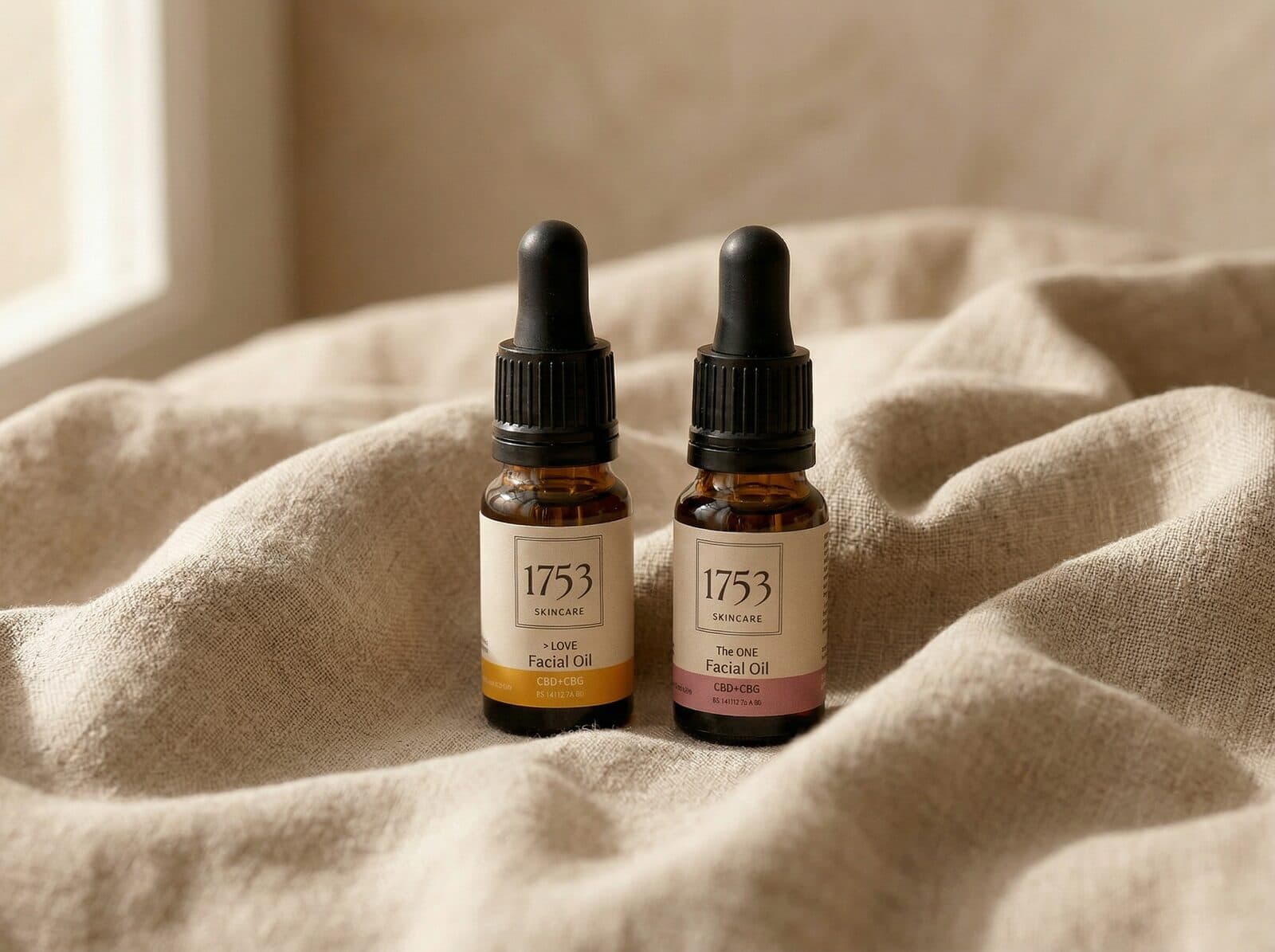
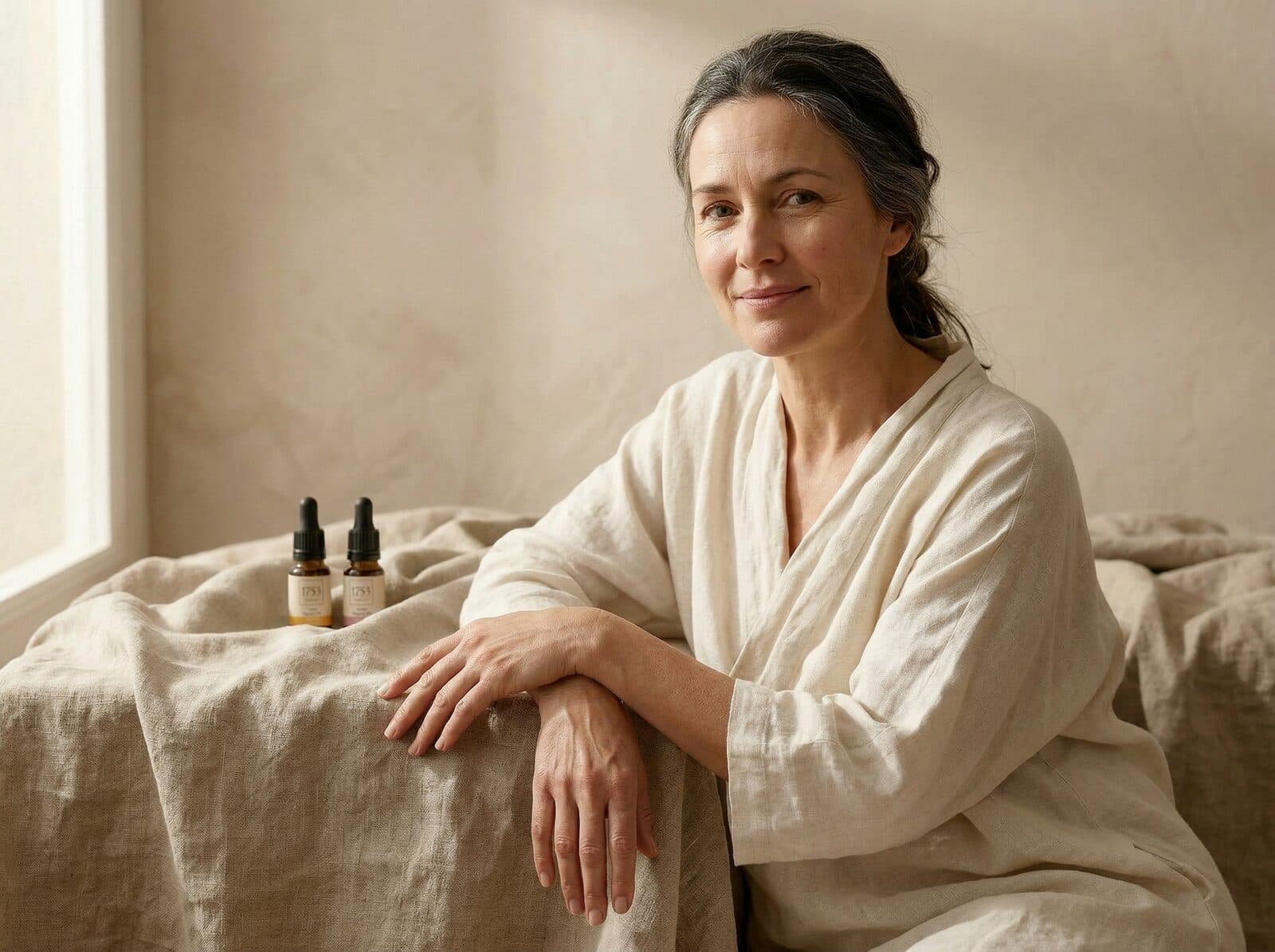
The most sensible move is to give skin stability, not more reasons to defend itself. The DUO kit, with The ONE and I LOVE, brings a full cannabinoid spectrum from hemp, which makes sense when skin needs steadier calm over time. The ONE helps keep skin regulated, while I LOVE adds CBG, especially relevant when skin is stressed, red or easily irritated by cold.
When winter turns very dry, Ta-DA serum can layer on extra protection without feeling heavy. That is the kind of step that matters when skin is facing wind, minus temperatures and indoor heating that dries everything out faster than we expect. You are not building a wall; you are building a better boundary.
And when skin is already upset by the climate, Au Naturel Makeup Remover is the gentle way in and out of the day. It cleans without stripping away the little protection skin still has left, which is exactly what winter skin needs. For many people, this is less about doing more and more about finally doing less, better.
Products we recommend
 Save €34
DUO kit
Two face oils, one for morning and one for evening. Simple skincare that works with your skin, not against it.
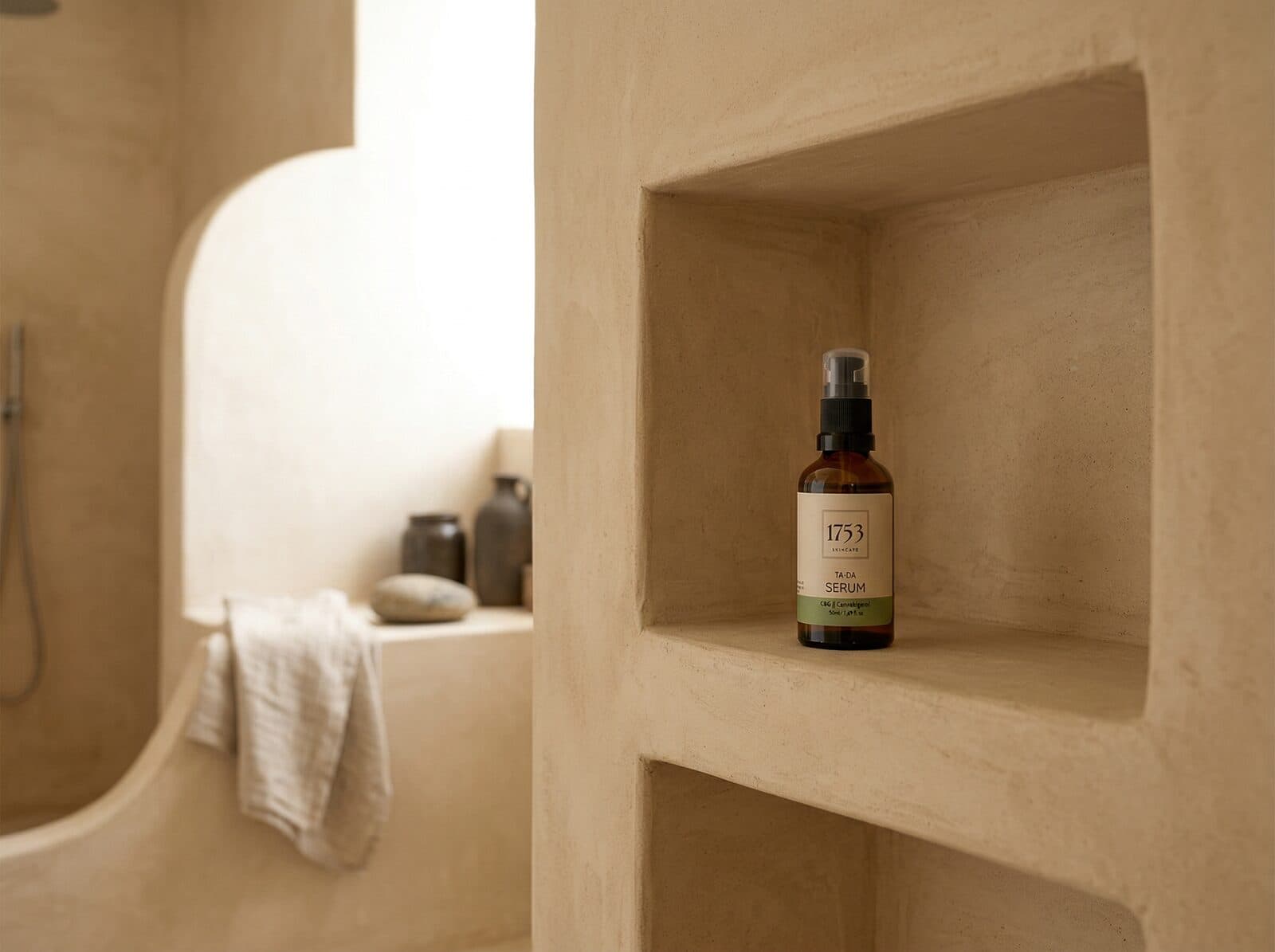
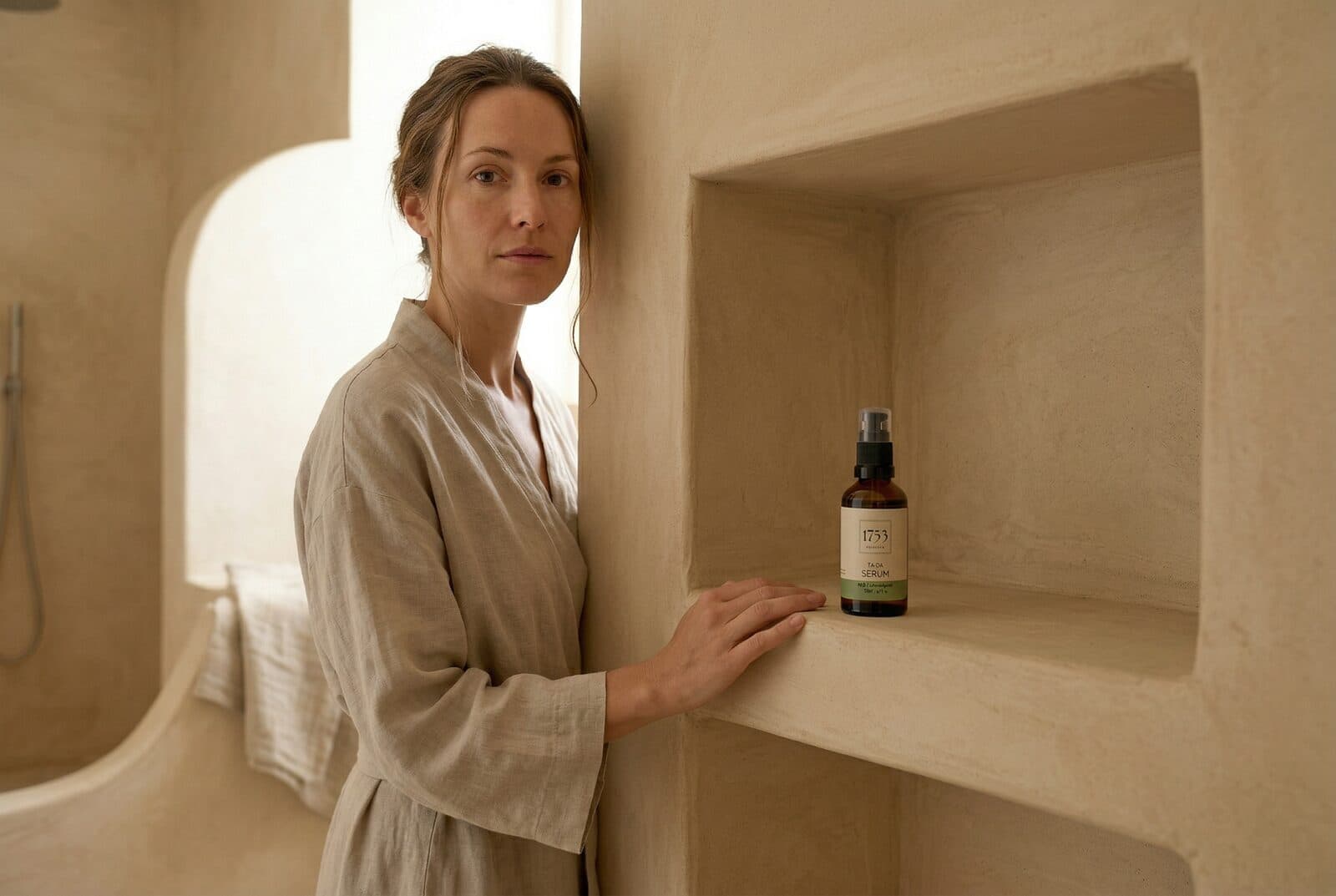
TA-DA Serum
A CBG-powered serum that seals in moisture and adds glow, whatever the season.
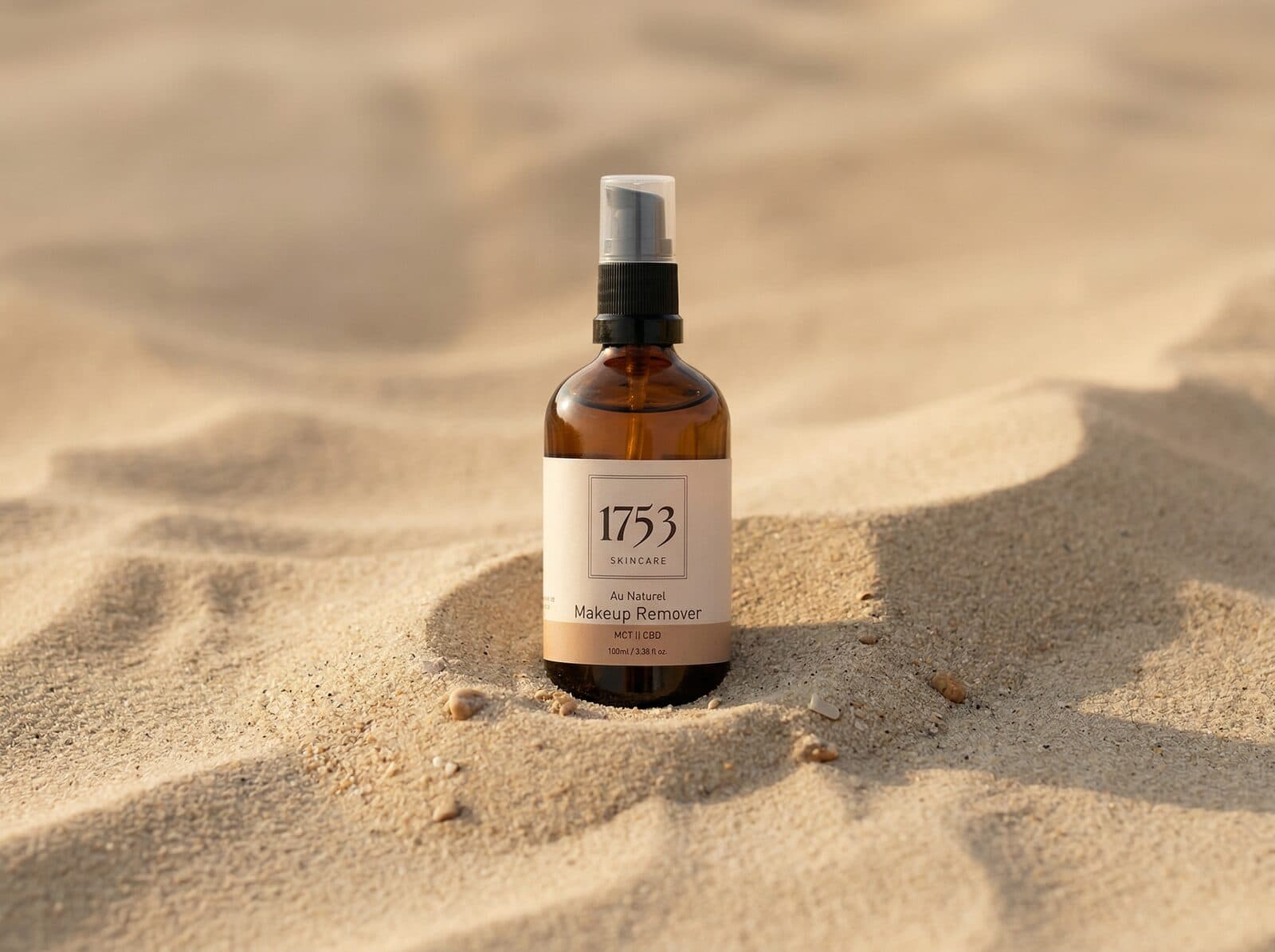
Au Naturel Makeup Remover
A cleansing oil with MCT and CBD that removes makeup and buildup without stripping your skin bare.
Frequently asked questions
Is cold weather skin the same as dry skin?
Not quite. Cold affects blood vessels, the barrier and inflammation at once, so skin can become dry, red and reactive together. Dryness is usually only one part of the picture.
Why does rosacea flare more in winter?
Temperature shifts, wind and dry air can trigger vascular responses and barrier stress. That makes redness easier to see and skin more likely to feel hot or stingy.
What are perniosis or chilblains?
They are cold-related inflammatory reactions that can cause red, tender or itchy patches, often on fingers, toes or cheeks. Long exposure to cold and moisture raises the risk.
Should I exfoliate less in winter?
Often yes. When the barrier is already under pressure from cold and low humidity, harsh exfoliation tends to add irritation rather than help. Skin usually does better with softness and consistency.
Sources
- Engebretsen KA, Johansen JD, Kezic S, Linneberg A, Thyssen JP. The effect of environmental humidity and temperature on skin barrier function and dermatitis. J Eur Acad Dermatol Venereol 2016;30(2):223–249.
- Lin TK, Zhong L, Santiago JL. Anti-Inflammatory and Skin Barrier Repair Effects of Topical Application of Some Plant Oils. Int J Mol Sci 2017;19(1):70.
Article reviewed by Christopher Genberg, founder of 1753 SKINCARE.
Related articles
Seasonal Skin
Summer Skin Guide – let skin breathe
When UV index sits at 6–11, sweat is constant and the air feels thick, your skin does not need a res...
Seasonal Damage
sunburn skin rescue – cool it, calm it, leave it alone
A sunburn often looks harmless at first, then the heat and sting start talking back. What you’re dea...
Travel Skin
Travel skin jetlag – when your face lands later
The plane may have taken you somewhere warm, but your skin often stays back in the cabin. With cabin...
Cyclic Skincare
Menstrual Cycle and Skin – why one routine doesn’t fit all
Your skin doesn’t run on a fixed schedule; it runs with your body. Across the menstrual cycle, hormo...
Postpartum Skin
Postpartum skin – why it changes so much
After pregnancy, skin can feel like it belongs to someone else. Hormones drop, sleep gets broken, an...
Skin Streaming
Minimalist 5 step routine – why less can do more
Skincare has become too much of everything: too many steps, too much exfoliation, too much cleansing...