
Comparison
Clean vs natural beauty — two words, zero clarity
Everyone says clean. Plenty say natural. Almost no one defines either. Here we strip away the marketing fog and look at clean claim, natural regulation and the kind of greenwash that comes dressed in minimalist packaging.

What does clean vs natural beauty actually mean?
Clean beauty is not a legally protected term. In practice, it means whatever the brand wants it to mean: often “free from” certain ingredients, sometimes just a reassuring vibe. The problem is that a clean claim can become shorthand for fear instead of clarity.
Natural beauty sounds simpler, but the ground is still slippery. In the EU, there are rules and standards around what can be marketed as natural, yet there is no magic line separating nature from synthetic. A natural ingredient can still irritate skin, while something made in a lab can be more consistent and gentler.
That is why this debate often gets messy. Not because people are naive, but because the words are used like feelings. If you want to avoid greenwash, ask what the product does, how it was formulated and what the label is conveniently not saying.
How to cut through the hype
Read the INCI first
The ingredient list tells you more than the word clean on the front. Start there, not with the slogan.
Don’t chase “free from”
Free-from lists sound crisp, but they rarely tell you what replaced the missing ingredients. That’s where the trade-off hides.
Ask what standard
If a brand says natural, ask which standard they follow. Otherwise it’s just a green-tinted feeling.
Watch for fear language
When skincare marketing sounds like a warning label, it usually means the argument is thin. You should not need scare tactics to trust a formula.
Choose by skin response
What matters is whether the product calms, balances and holds up over time. Not whether it sounds the purest in an ad.

How to choose without falling for slogans
The most honest way to choose between clean vs natural beauty is to stop treating the words as proof of quality. Clean can be useful when it means transparent formulation and sensible choices. Natural can be useful when it means thoughtful sourcing and respect for skin. But both can also be just branding.
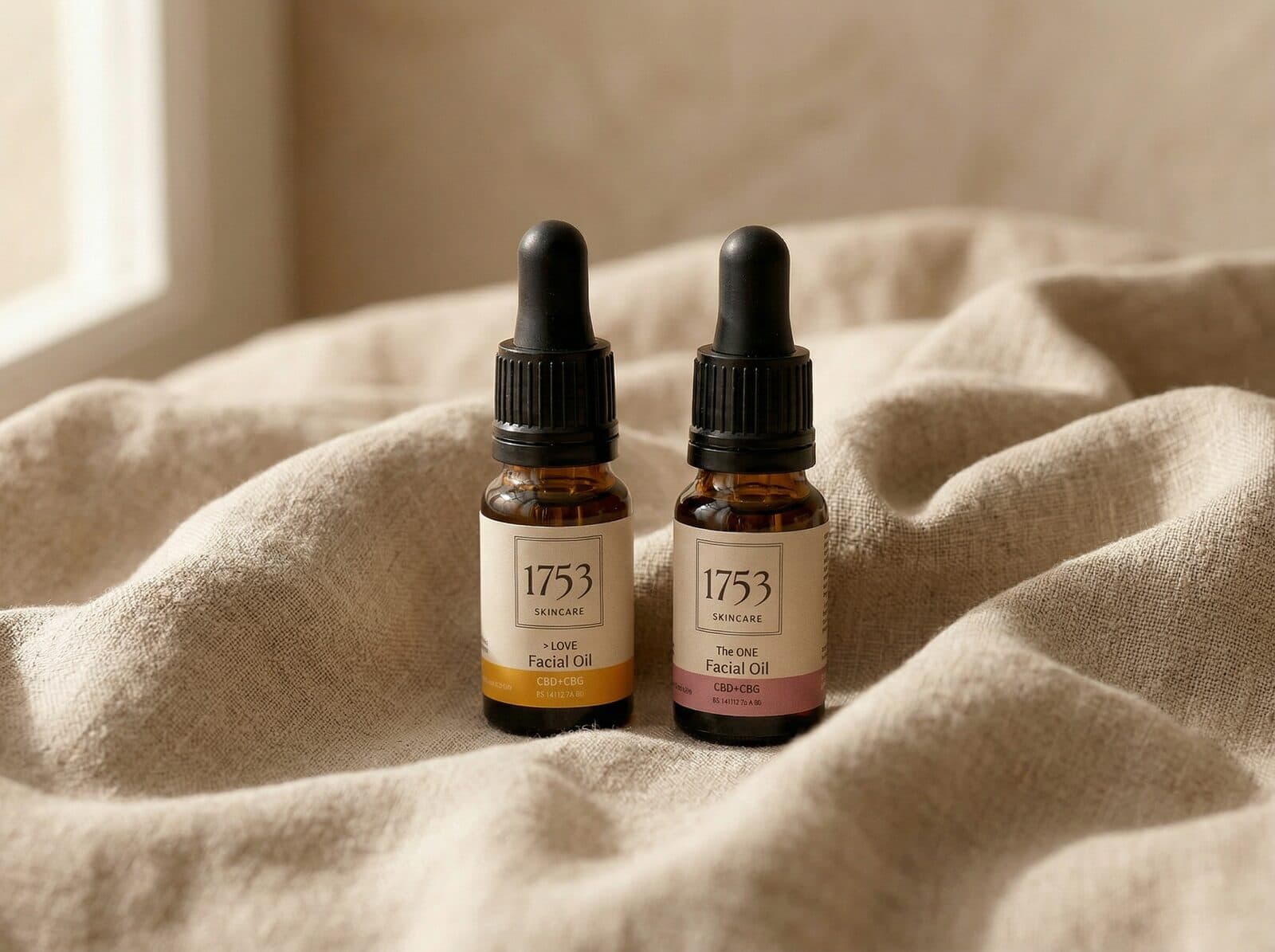
That is where 1753 makes sense as a complement, not an ideology. The ONE with CBD and I LOVE with CBG are not trying to look the cleanest or the most natural on a label. They are there to support skin where it actually behaves: regulation, calm and less unnecessary drama. The DUO kit gives you the full cannabinoid spectrum if you want both sides in one routine.
If you want an extra step with more antioxidant focus, Ta-DA serum fits naturally. For cleansing without aggression, Au Naturel Makeup Remover keeps things simple. This is not a war between clean and natural. It is a question of what your skin can handle, what it needs and what is just greenwash in better typography.
Products we recommend
 Save €34
DUO kit
Two face oils, one for morning and one for evening. Simple skincare that works with your skin, not against it.
 Save €60
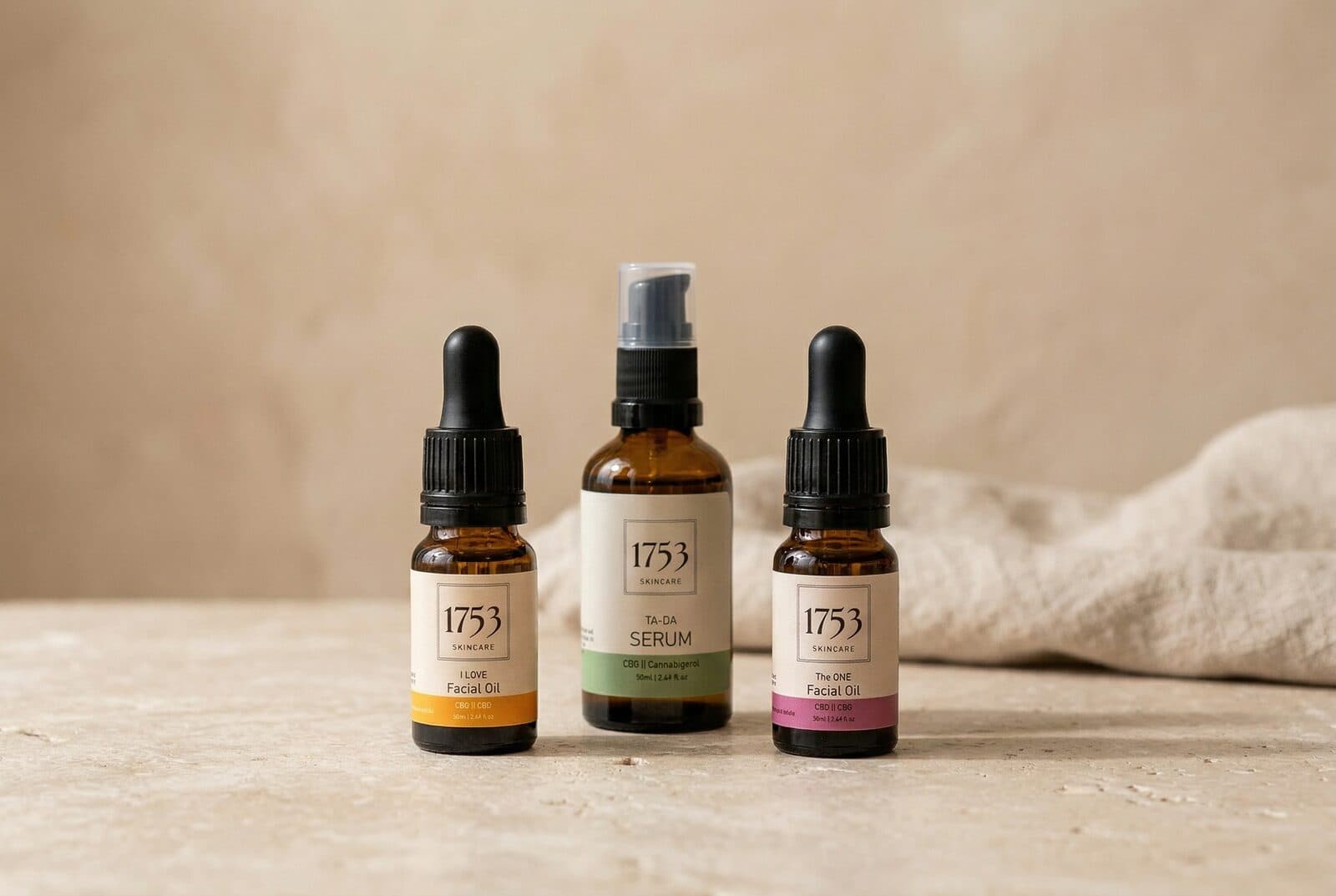
DUO kit + TA-DA Serum
The full routine in one: three products that help skin become calmer, stronger and more resilient.
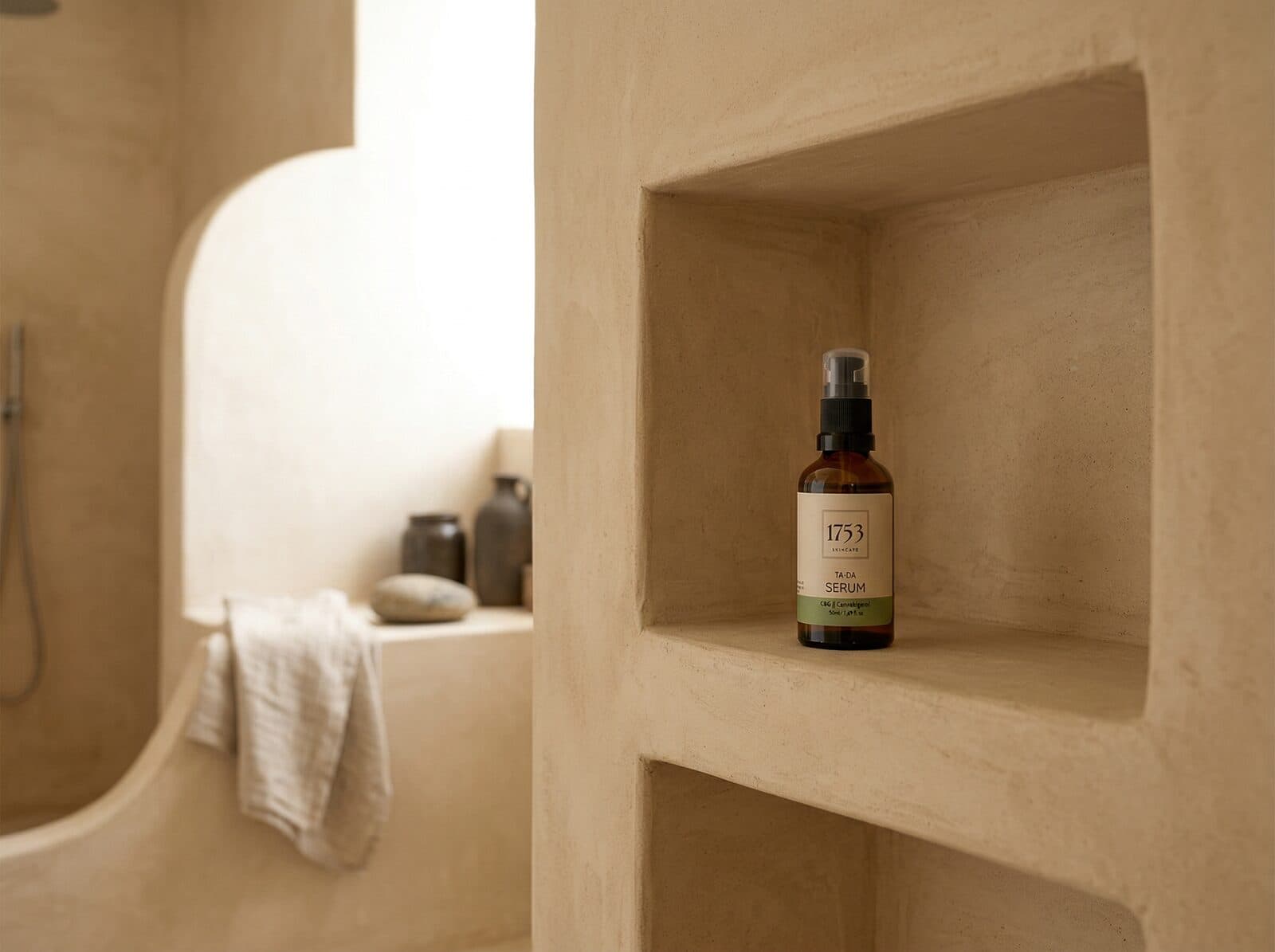
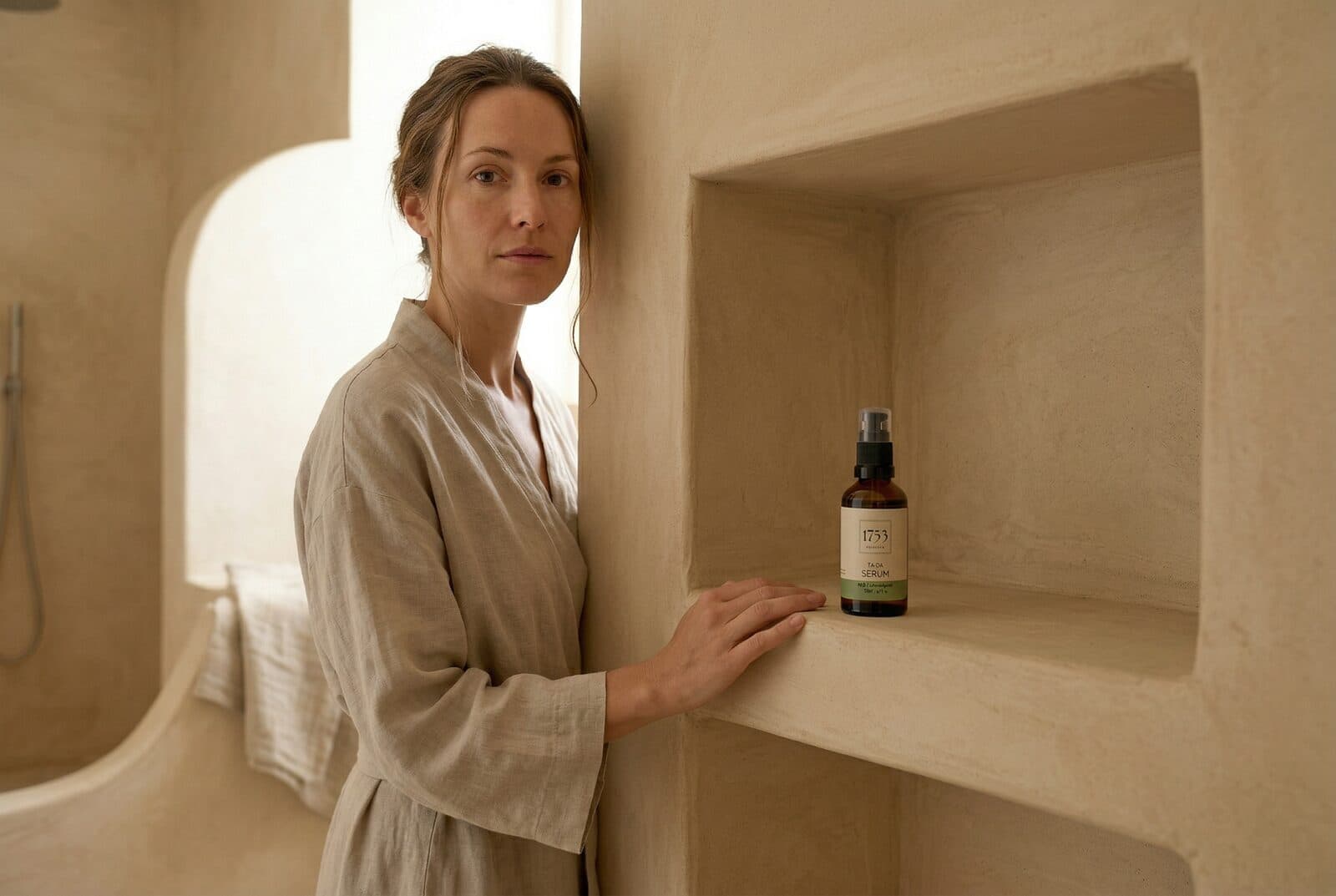
TA-DA Serum
A CBG-powered serum that seals in moisture and adds glow, whatever the season.
Frequently asked questions
Is clean beauty better than natural beauty?
Not automatically. Clean is often a marketing term, while natural is more regulated but still vague. What matters is formulation, transparency and how your skin actually reacts.
What is a clean claim?
It is a claim that a product is “clean,” but the definition is usually set by the brand itself. That is why two clean products can mean completely different things.
Is there natural regulation?
Yes, but it varies by market and standard. In practice, natural is still an area where interpretation and marketing play a big role.
How do I avoid greenwash?
Read ingredients, look for concrete explanations and be wary of vague promises. If everything sounds like a lifestyle instead of a formula, it probably is.
Sources
- Oláh A, Tóth BI, Borbíró I, et al. Cannabidiol exerts sebostatic and antiinflammatory effects on human sebocytes. J Clin Invest 2014;124(9):3713–3724.
- Tóth KF, Ádám D, Bíró T, Oláh A. Cannabinoid signaling in the skin: therapeutic potential of the c(ut)annabinoid system. Molecules 2019;24(5):918.
Article reviewed by Christopher Genberg, founder of 1753 SKINCARE.
Related articles
COMPARISON
cbd vs retinol – same conversation, different jobs
CBD and retinol are often grouped together, but they do not behave the same way. Retinol pushes cell...
Comparison
cbd vs hyaluronic acid – hydration or calm?
This is not a fight between two good ingredients. Hyaluronic acid draws water in. CBD works more aro...
COMPARISON
cbd vs niacinamide – two ways to less shine
If your skin is oily but also easily irritated, it is easy to get stuck between two classics: cbd vs...
Ingredient Portrait
cbd for skin – less noise, more balance
CBD for skin is interesting because it doesn’t try to bully the skin into behaving. It works with th...
Ingredient Portrait
cbg for skin – the mother cannabinoid that calms and renews
CBG usually lives in CBD’s shadow, but skin can tell the difference. This is the cannabinoid that ma...
Ingredient Portrait
Shea butter skin – rich, warm, not for everyone
Shea butter is one of skincare’s most loved butters, and one of the most misunderstood. It comes fro...