
COMPARISON
chaga vs reishi – two mushrooms, two different jobs
Chaga and reishi often sit in the same wellness basket, but they do not play the same role. One is mostly known for its antioxidant profile, the other for its adaptogenic reputation. Here’s what that actually means in real life.

Chaga vs reishi – what are you really comparing?
Chaga is often highlighted for its polyphenols and polysaccharides, while reishi is more commonly linked to triterpenes and a broader adaptogenic profile. Both may influence immune function, but not in exactly the same way. That’s why the comparison only makes sense when you look at mechanism, not just branding.
A lot of what gets sold as “stronger” is really just louder. Antioxidants are not magic, and adaptogens are not a shortcut around stress, poor sleep, or a skin barrier that has been pushed too hard. Studies on medicinal mushrooms often point toward immunomodulatory and anti-inflammatory effects, but results depend on extract, dose and quality.
So no, this is not about crowning one universal winner. It’s about what you want to support: oxidative balance, everyday resilience, or a more all-round approach where the mushroom is only one piece of the puzzle. If you want to be a little less easy to fool, that’s a solid start.
How to choose the right mushroom
Choose by need
If you want a more antioxidant-led angle, chaga is often the obvious pick. If you want something that feels more resilience-focused, reishi fits that brief better.
Check the profile
Polysaccharides and triterpenes tell you more than big promises on the front label. Read the extract details and look for clarity on the raw material.
Think about your routine
If you already sleep badly, eat irregularly and run on coffee, no mushroom will do the heavy lifting for you. Treat it as support, not replacement.
Avoid the hype
More is not automatically better. Inflated expectations only make you miss what works over time: consistency.
See the bigger picture
Skin, stress and recovery are connected. A calmer system often gives you more than another aggressive routine or another promise of fast results.

How to use them without the fluff
If you want the simple version: chaga fits best when you’re after a more antioxidant-oriented approach, while reishi is often chosen for its adaptogenic profile and interest in immune function. They are not opposites; they are two different angles on the same bigger question: how the body handles load.
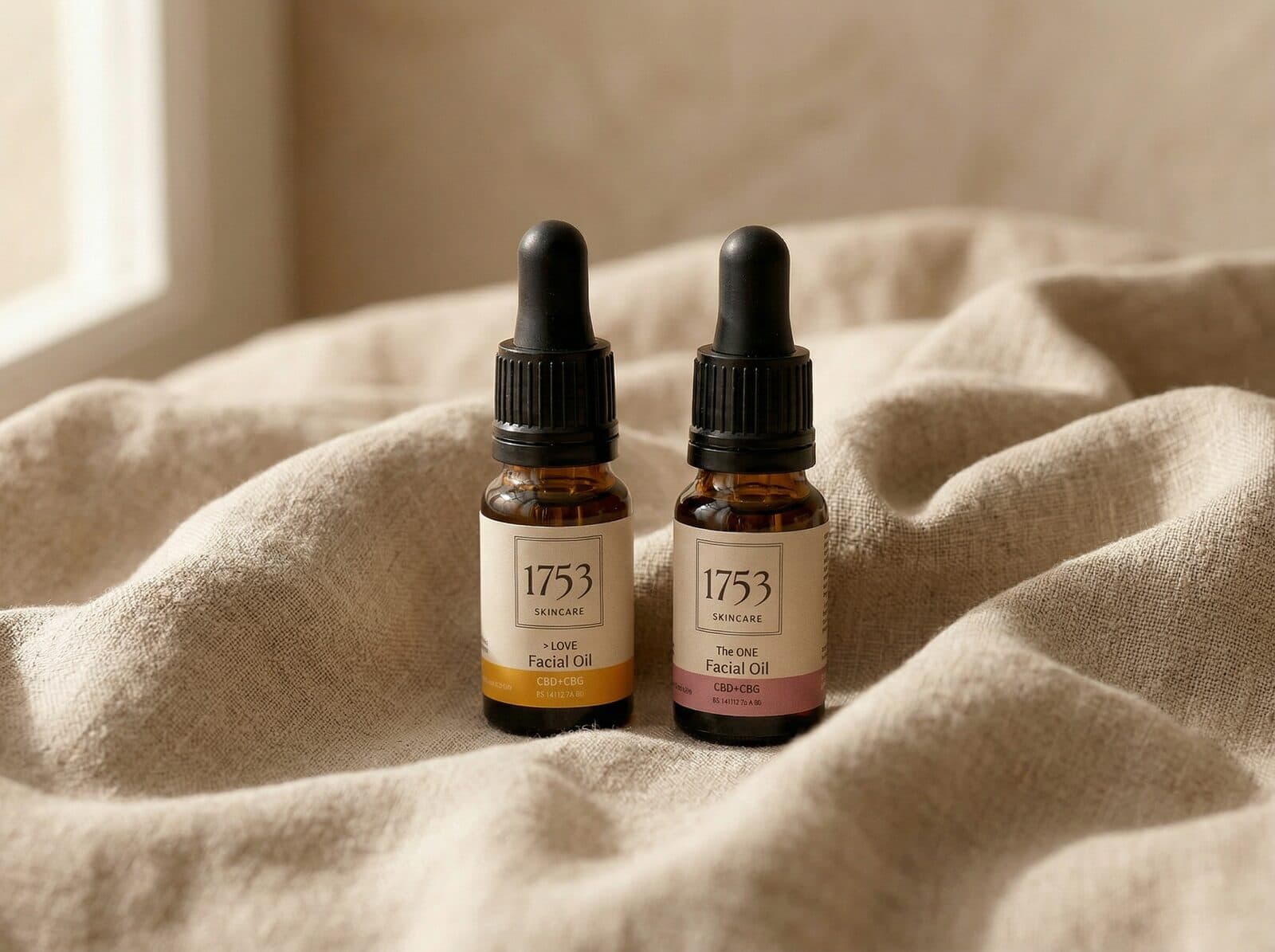
If you want to keep things even less complicated, there is another lane. 1753’s CBD + CBG combination is a rarely controversial complement, especially if you want to support skin without pushing it harder than necessary. The ONE gives you a skin-regulating oil, I LOVE adds soothing CBG, and the DUO kit brings both together in a fuller cannabinoid spectrum.
If you want to think a bit broader, Fungtastic Mushroom Extract is an easy oral option with chaga, reishi, lion’s mane and cordyceps. The point is not to collect the most actives, but to choose what actually fits your life. Less noise, more relevance.
Products we recommend
 Save €34
DUO kit
Two face oils, one for morning and one for evening. Simple skincare that works with your skin, not against it.
 Save €60
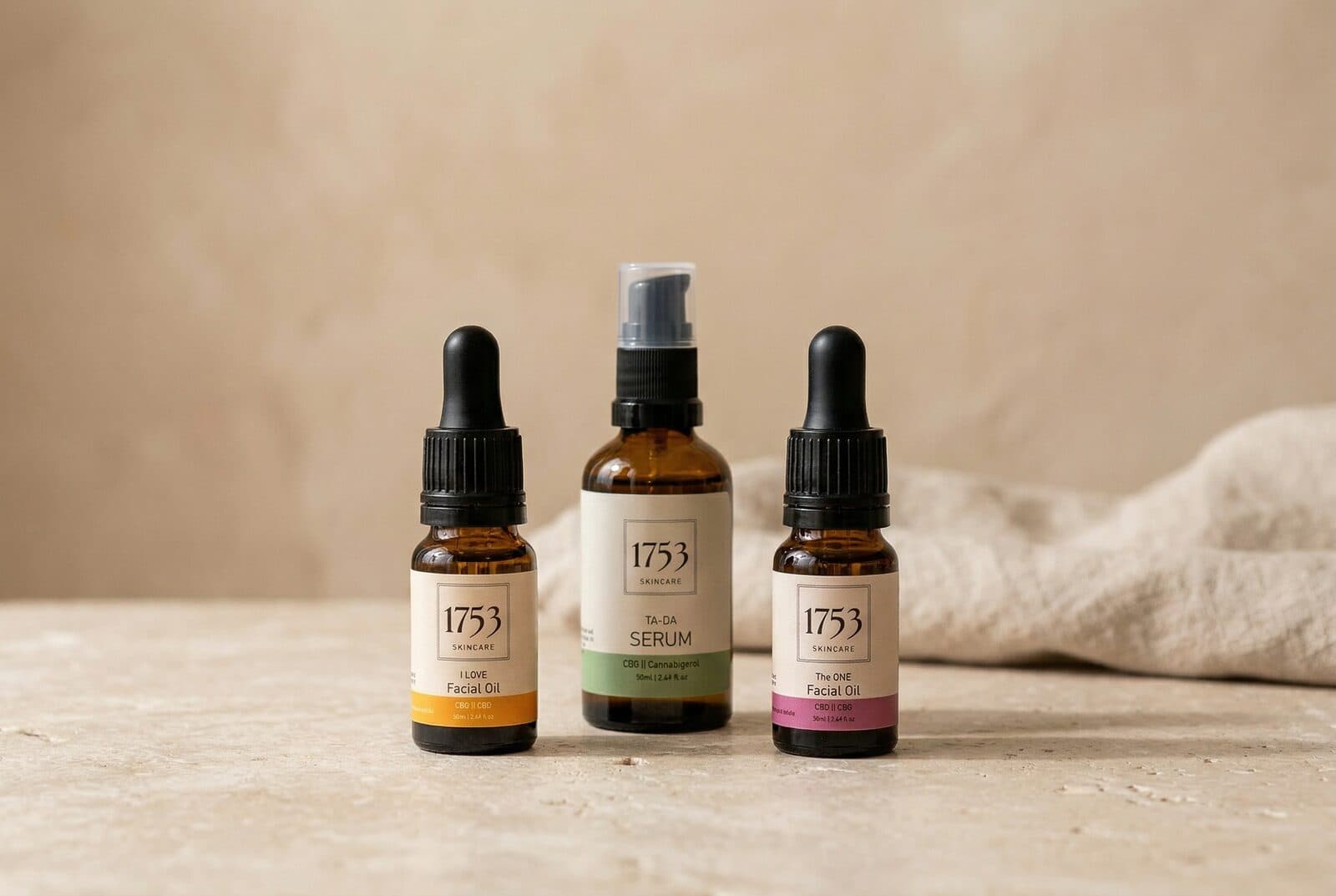
DUO kit + TA-DA Serum
The full routine in one: three products that help skin become calmer, stronger and more resilient.
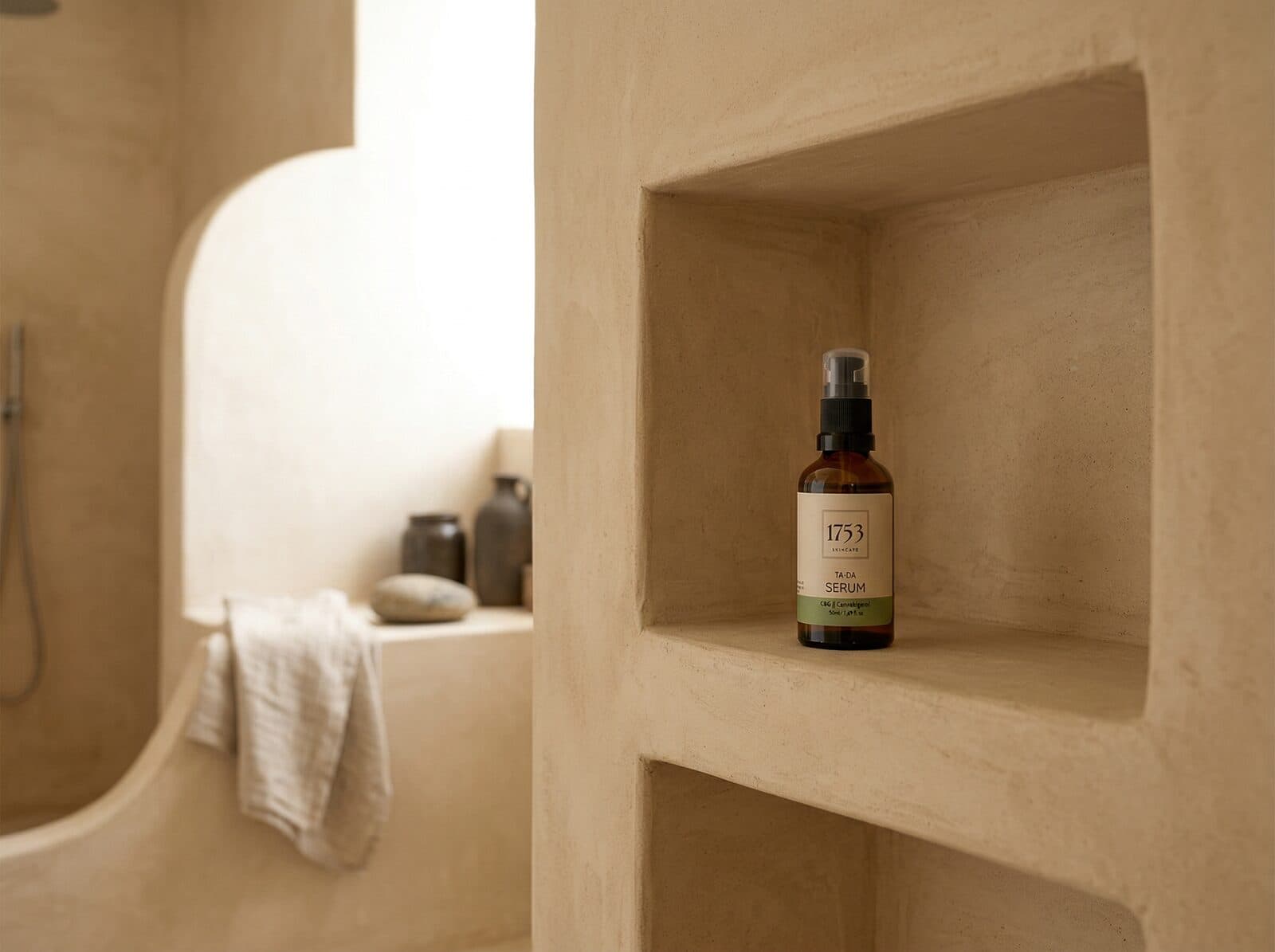
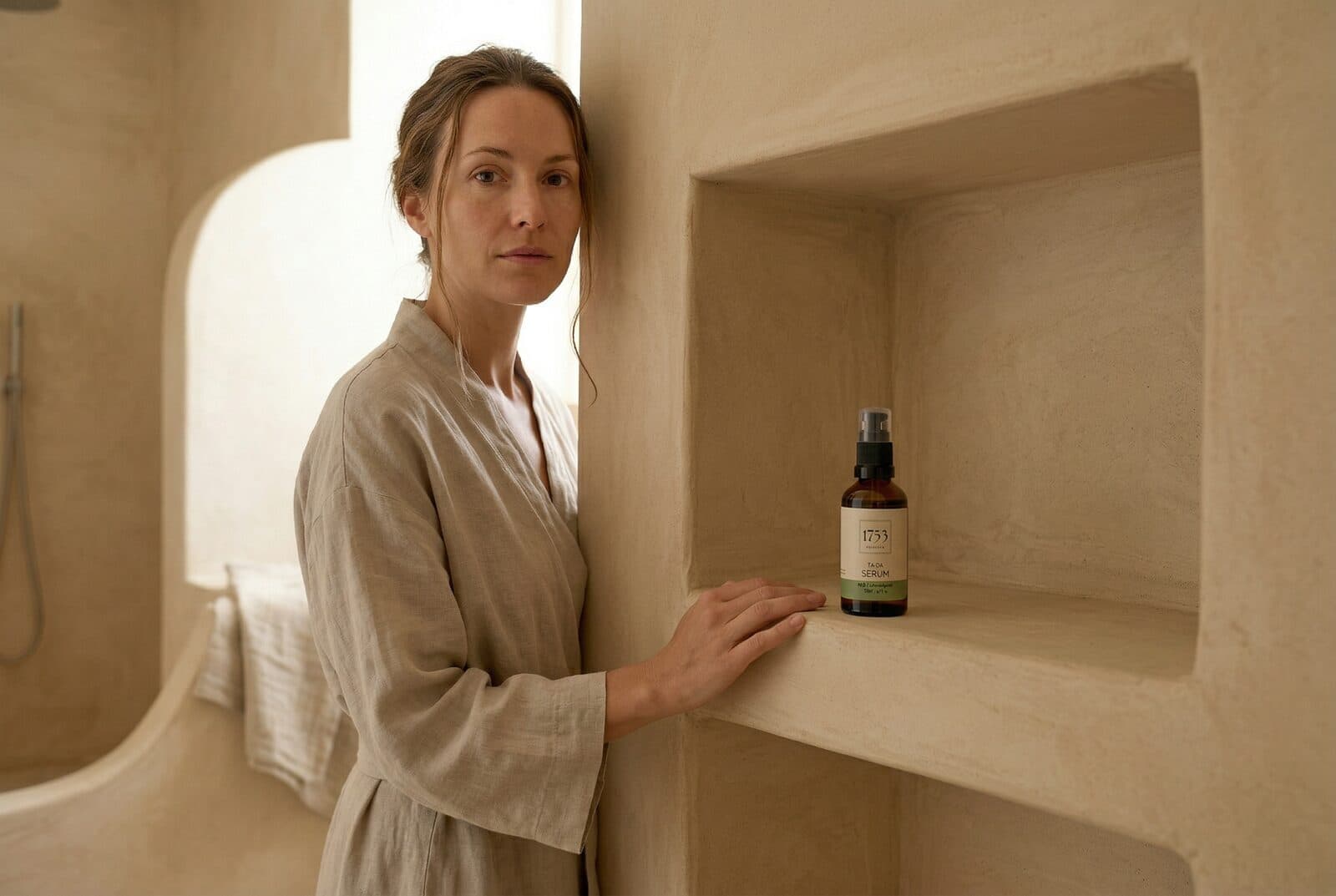
TA-DA Serum
A CBG-powered serum that seals in moisture and adds glow, whatever the season.
Frequently asked questions
What is the biggest difference between chaga and reishi?
Chaga is more often associated with antioxidant content and polysaccharides, while reishi is better known for triterpenes and adaptogenic properties. Both can support immune function, but through different pathways.
Can I take both?
Yes, many people do because they cover slightly different roles. The key is knowing why you take them, so you are not just stacking supplements without direction.
Which one is best for immunity?
There is no simple answer, because “immunity” is a broad concept. Reishi is often discussed for immune modulation, while chaga is more often praised for antioxidants and polysaccharides.
Are 1753 products an alternative to mushrooms?
Not really. CBD and CBG live in a different category, but they can be a smart complement if your goal is skin balance. The ONE, I LOVE and DUO are more about skin than mushrooms.
Sources
- Oláh A, Tóth BI, Borbíró I, et al. Cannabidiol exerts sebostatic and antiinflammatory effects on human sebocytes. J Clin Invest 2014;124(9):3713–3724.
- Tóth KF, Ádám D, Bíró T, Oláh A. Cannabinoid signaling in the skin: therapeutic potential of the c(ut)annabinoid system. Molecules 2019;24(5):918.
Article reviewed by Christopher Genberg, founder of 1753 SKINCARE.
Related articles
COMPARISON
cbd vs retinol – same conversation, different jobs
CBD and retinol are often grouped together, but they do not behave the same way. Retinol pushes cell...
Comparison
cbd vs hyaluronic acid – hydration or calm?
This is not a fight between two good ingredients. Hyaluronic acid draws water in. CBD works more aro...
COMPARISON
cbd vs niacinamide – two ways to less shine
If your skin is oily but also easily irritated, it is easy to get stuck between two classics: cbd vs...
Ingredient Portrait
cbd for skin – less noise, more balance
CBD for skin is interesting because it doesn’t try to bully the skin into behaving. It works with th...
Ingredient Portrait
cbg for skin – the mother cannabinoid that calms and renews
CBG usually lives in CBD’s shadow, but skin can tell the difference. This is the cannabinoid that ma...
Ingredient Portrait
Shea butter skin – rich, warm, not for everyone
Shea butter is one of skincare’s most loved butters, and one of the most misunderstood. It comes fro...