
Science
Autophagy skin – the cleanup your cells already know
Autophagy is the skin’s built-in recycling system: old proteins, damaged parts and cellular debris get broken down and reused. When that process is humming, skin often looks more resilient. When it’s slowed by chronic stress, constant feeding and overwork, the results are less flattering.

What happens when skin never gets to clean up?
Autophagy follows a simple biological logic: when nutrients are abundant and mTOR is switched on, the cell leans toward growth and building. When energy and amino acids are lower, or during fasting, autophagy rises and ATG genes help launch the breakdown machinery. No mysticism here, just efficient cell biology.
Research from 2020–2025 suggests autophagy declines with age and under oxidative stress, while healthier autophagic activity is linked to better cellular maintenance. In skin, that matters because it can affect how well cells deal with UV, pollution and inflammatory wear. But let’s be honest: skin does not need more punishment to become “better.”
This is where mainstream skincare often gets it wrong. Too much exfoliation, harsh cleansing and stacking actives can stress the barrier more than they help it. Skin doesn’t need to be constantly attacked to improve. It needs recovery, not just stimulation.
How to support autophagy without overdoing it
Leave longer meal gaps
Fasting-induced autophagy is real, but it doesn’t require extreme fasting. Longer breaks between meals can be enough to send a more recovery-focused signal to cells.
Cut back on over-treatment
If skin is red, tight or reactive, you’re probably doing too much. Reduce acids, scrubs and harsh cleansers so the barrier can do its job in peace.
Take sleep seriously
Autophagy and cellular repair follow circadian rhythms. Sleep is not only brain rest; it’s one of the body’s most important maintenance windows.
Reduce oxidative stress
UV, stress and pollution all add wear and tear. Antioxidant support is not about perfection; it’s about lowering the daily noise that disrupts cellular order.
Choose calmer skincare
Think fewer steps, softer textures and formulas that don’t make skin go on guard. That’s often where real improvement starts.

How to let skin handle its own maintenance
If you want to work with autophagy skin in real life, think less about pushing and more about reducing friction. A gentle routine, enough recovery and fewer unnecessary triggers give skin a better chance to keep its own maintenance system running. That matters even more when mTOR signaling stays high and cells get stuck in build mode.
This is where 1753’s approach fits naturally. The ONE, with CBD and MCT, is a skin-regulating facial oil that helps skin feel less on edge. I LOVE, a CBG serum, brings a calming, antibacterial angle for skin that feels out of balance. Ta-DA serum adds an antioxidant cocktail with CBG and adaptogens for days when oxidative stress is the main story.
The point is not to biohack your skin into youth. The point is to give it fewer reasons to defend itself. When you use safer formulas with phytocannabinoids from certified hemp, as 1753 does, it becomes easier to build a routine that respects skin’s own intelligence instead of fighting it.
Products we recommend
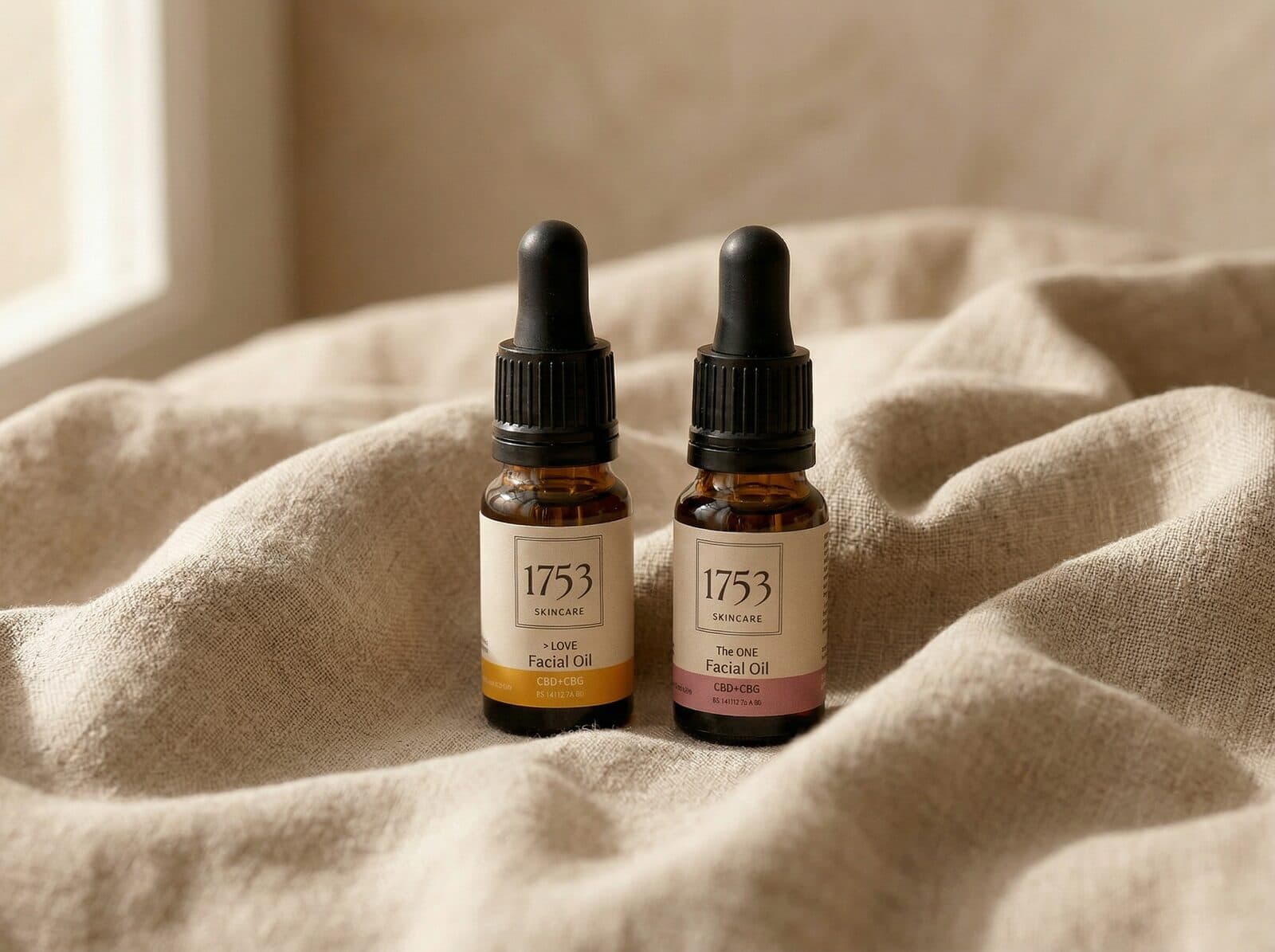
 Save €34
DUO kit
Two face oils, one for morning and one for evening. Simple skincare that works with your skin, not against it.
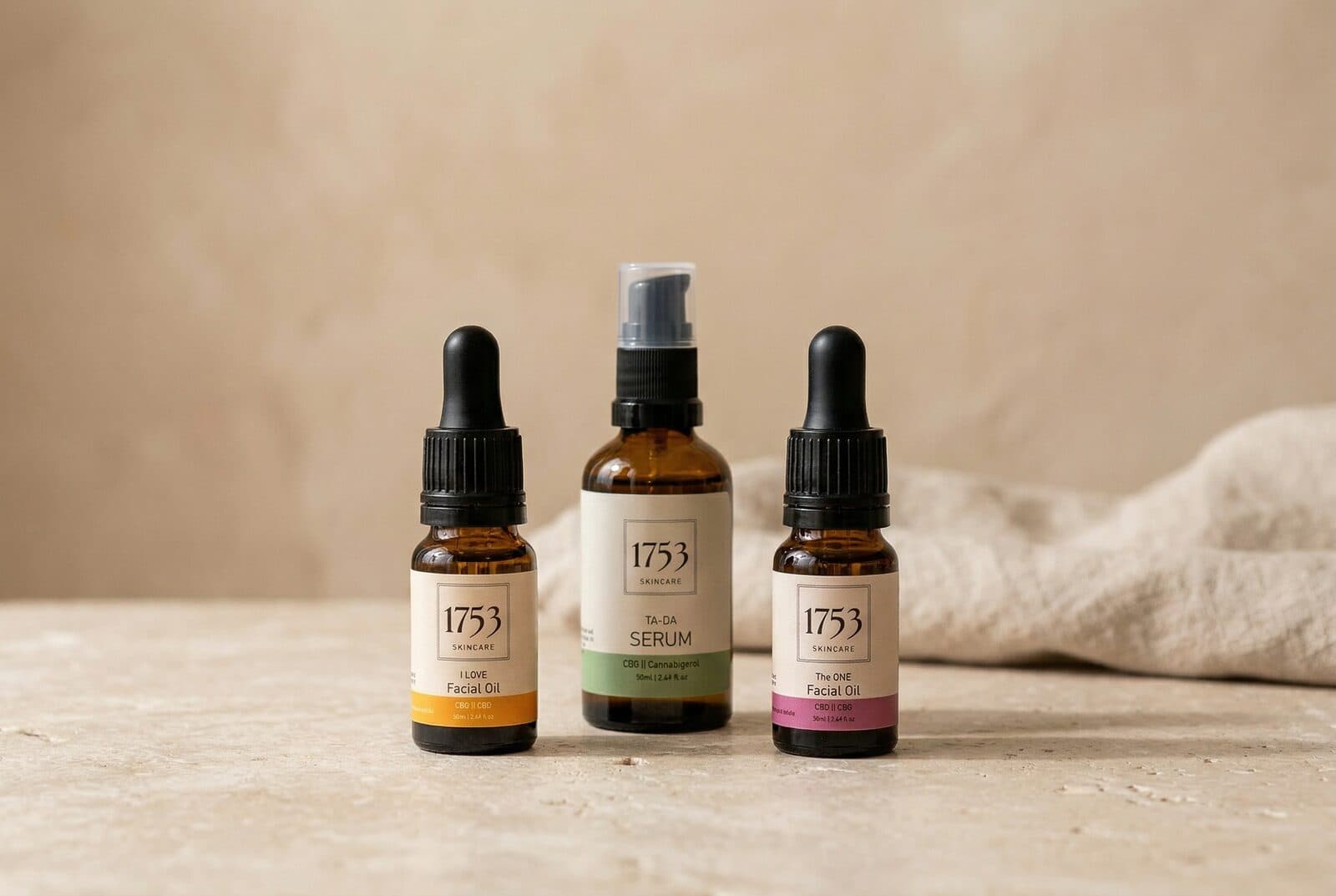
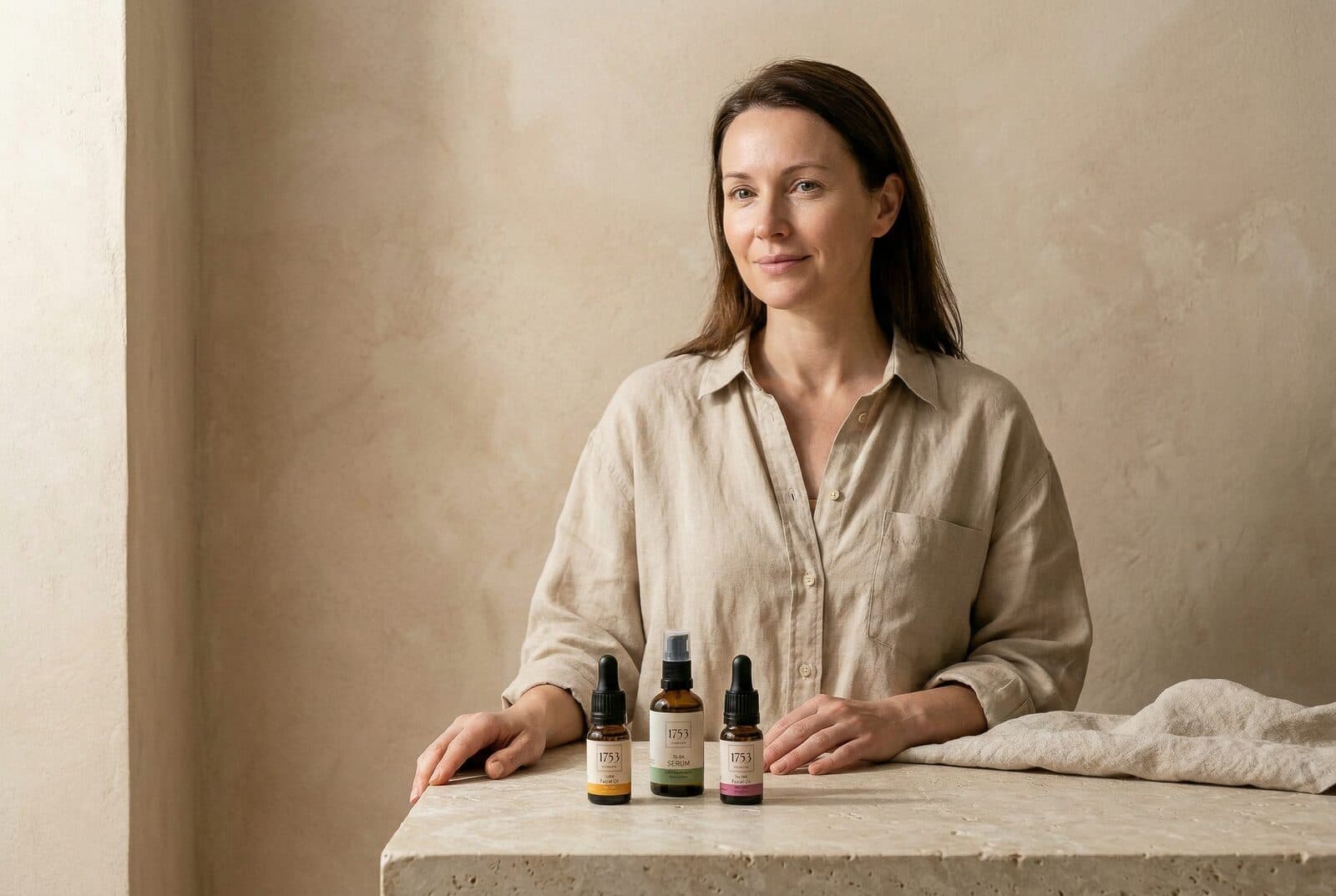 Save €60
DUO kit + TA-DA Serum
The full routine in one: three products that help skin become calmer, stronger and more resilient.
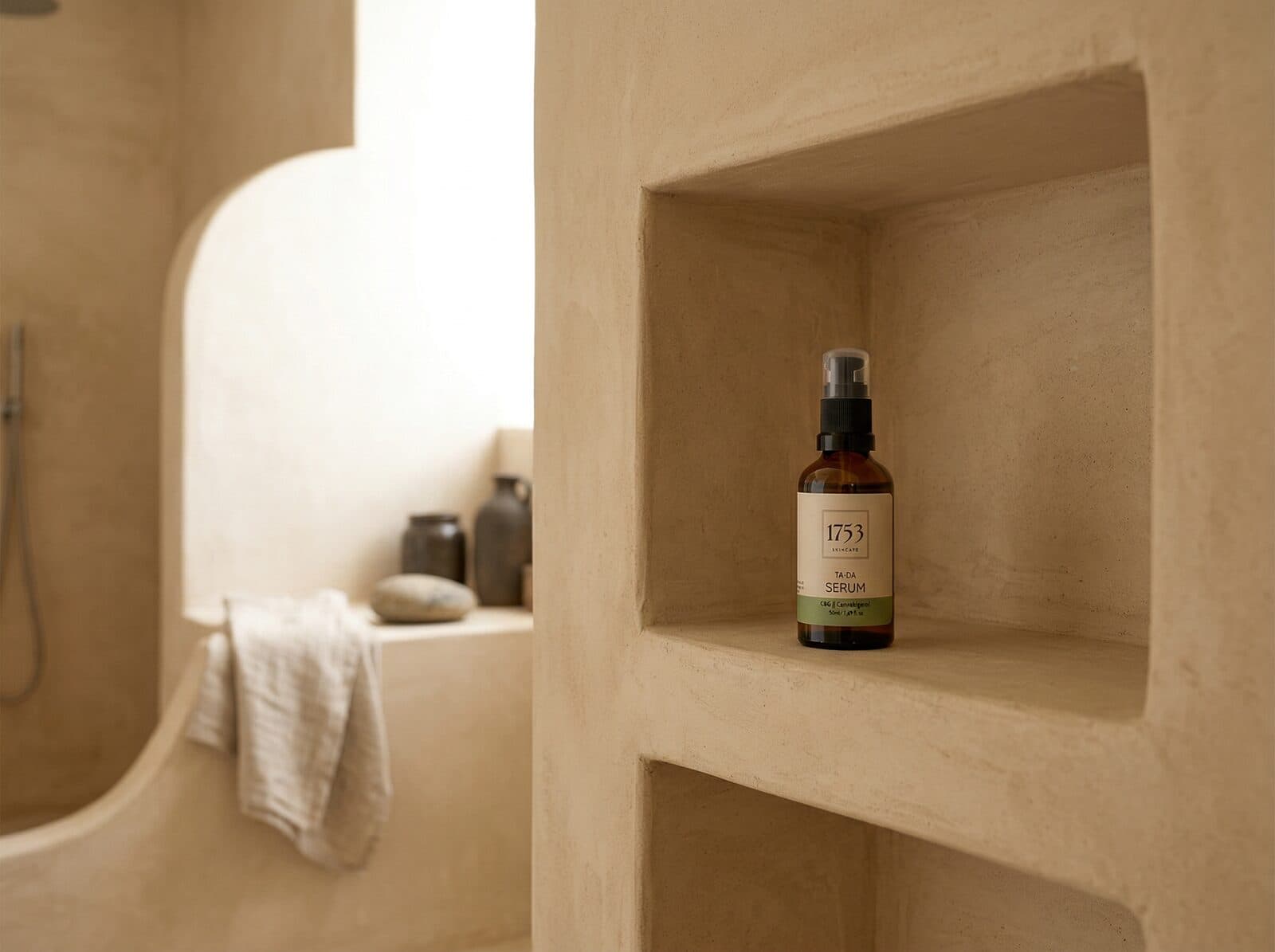
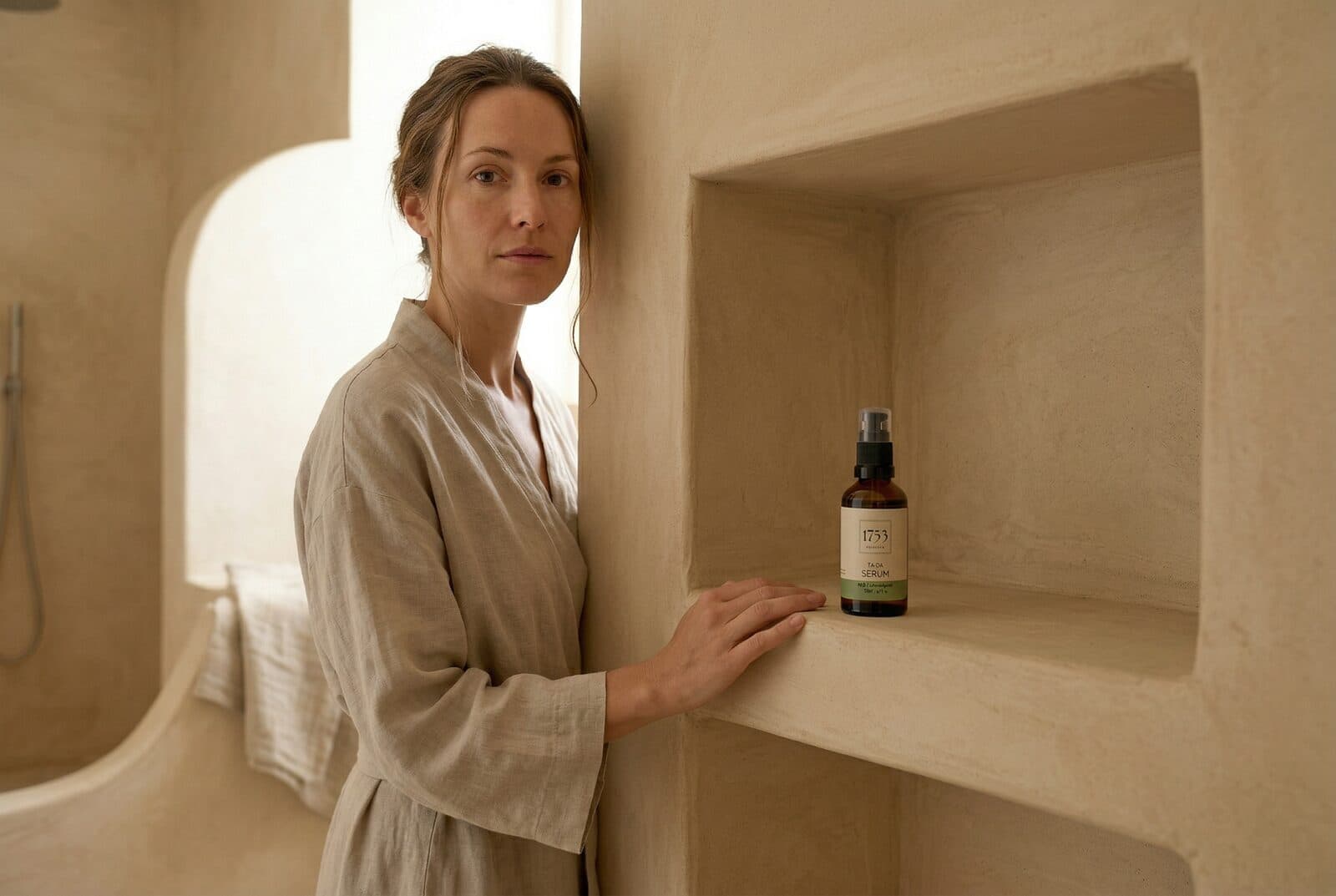
TA-DA Serum
A CBG-powered serum that seals in moisture and adds glow, whatever the season.
Frequently asked questions
What is autophagy in skin?
Autophagy is the cell’s way of breaking down and reusing damaged material. In skin, it’s part of maintenance: clearing out debris that can otherwise contribute to stress and weaker function.
Can fasting improve skin?
Fasting can influence autophagy through lower mTOR activity, but the skin outcome depends on the full picture: sleep, nutrition, stress and barrier health. It’s not a quick fix, and extreme approaches are rarely smart.
Is autophagy the same as anti-aging?
Not exactly, but they’re connected. Better autophagic activity can support cellular maintenance and reduce buildup of wear, which may translate into healthier-looking skin over time.
What ingredients suit stressed skin?
Mild, barrier-friendly formulas are usually the best call. CBD, CBG and soothing oil-based products can work well when skin needs less friction and more recovery.
Sources
- Bíró T, Tóth BI, Haskó G, Paus R, Pacher P. The endocannabinoid system of the skin in health and disease. Trends Pharmacol Sci 2009;30(8):411–420.
- Tóth KF, Ádám D, Bíró T, Oláh A. Cannabinoid signaling in the skin: therapeutic potential of the c(ut)annabinoid system. Molecules 2019;24(5):918.
- Byrd AL, Belkaid Y, Segre JA. The human skin microbiome. Nat Rev Microbiol 2018;16(3):143–155.
Article reviewed by Christopher Genberg, founder of 1753 SKINCARE.
Related articles
Science
Endocannabinoid system skin guide – your skin’s built-in calm
Your skin is not just a surface. It is a living control system trying to stay calm, resilient, and b...
SKIN SCIENCE
CB1 CB2 receptors skin – let the skin lead for once
Skin is not a passive surface. It has its own signalling network, where CB1 and CB2 help shape calm,...
Science
ECS and stress – your body’s built-in brake
Stress is not just a mindset problem. It starts as a biological chain reaction: the HPA axis fires, ...
Ingredient Portrait
cbd for skin – less noise, more balance
CBD for skin is interesting because it doesn’t try to bully the skin into behaving. It works with th...
Ingredient Portrait
cbg for skin – the mother cannabinoid that calms and renews
CBG usually lives in CBD’s shadow, but skin can tell the difference. This is the cannabinoid that ma...
Ingredient Portrait
Shea butter skin – rich, warm, not for everyone
Shea butter is one of skincare’s most loved butters, and one of the most misunderstood. It comes fro...