
Wellness
Alcohol skin – why wine shows first
It’s rarely the drink alone that gives you away. It’s how your body handles it: acetaldehyde, fluid loss, liver load and a stressed skin barrier. For some, the first sign is redness; for others, dullness, puffiness or skin that suddenly feels thinner.

Why does the skin protest first?
When you drink alcohol, the body prioritises breaking down ethanol above almost everything else. One early byproduct is acetaldehyde, a reactive molecule that can drive inflammation and slow the skin’s own recovery. That’s one reason skin can look tired before you even feel particularly impaired.
Alcohol also affects glycation and the body’s antioxidant defences. When those systems are under pressure, skin proteins and lipids are more vulnerable to oxidative stress. Add dehydration and a more active HPA axis, and you get skin that loses bounce, flushes more easily and starts acting “sensitive” even though the real issue is overload.
And yes, wine often shows first. Not because wine is magically worse, but because histamine, sulphites, sugar and the amount you actually pour often line up as a very clear trigger. If you have rosacea, alcohol can be the factor that turns a normal evening into burning cheeks after just a few sips.
What can you test tonight?
Slow the pace
Aim for no more than one drink per hour and alternate with a large glass of water. It gives your body a better chance to manage fluid balance and softens the skin-side crash.
Eat before you drink
Have a meal with protein, fat and fibre 1–2 hours before your first drink. It helps blunt the blood sugar swing and keeps alcohol from hitting your system quite so hard.
Track your rosacea trigger
Ask yourself: do I flush from red wine, white wine or sparkling drinks? Test one type at a time on different occasions and note the cheek reaction, not just how you feel in the moment.
Reduce skin friction
Skip harsh exfoliation that same night. When the barrier is already stressed by dehydration and acetaldehyde, skin needs calm, not more actives pushing it over the edge.
Use sleep as recovery
Try to go to bed within 60–90 minutes after your last drink and keep the room cool. Sleep loss amplifies inflammatory signals and makes the next morning’s skin look much rougher.

How to support body and skin together
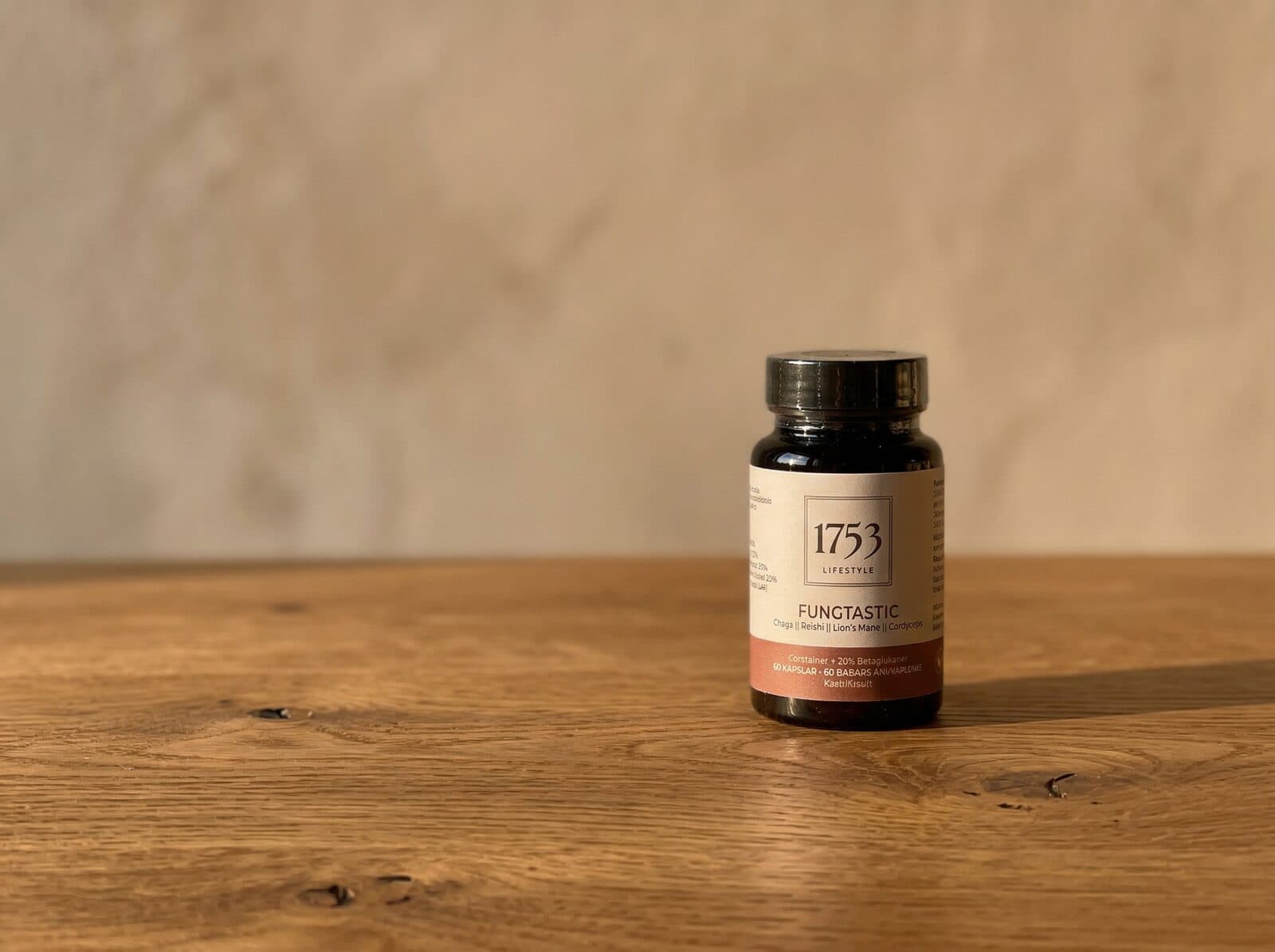
If you want to handle this more intelligently, start inside. Fungtastic Mushroom Extract supports the body with chaga, reishi, lion’s mane and cordyceps — a simple way to give the system a bit more resilience when liver load and stress are running high. It is not a pass for extra drinks. It is a way to stop treating your body like a dumping ground.
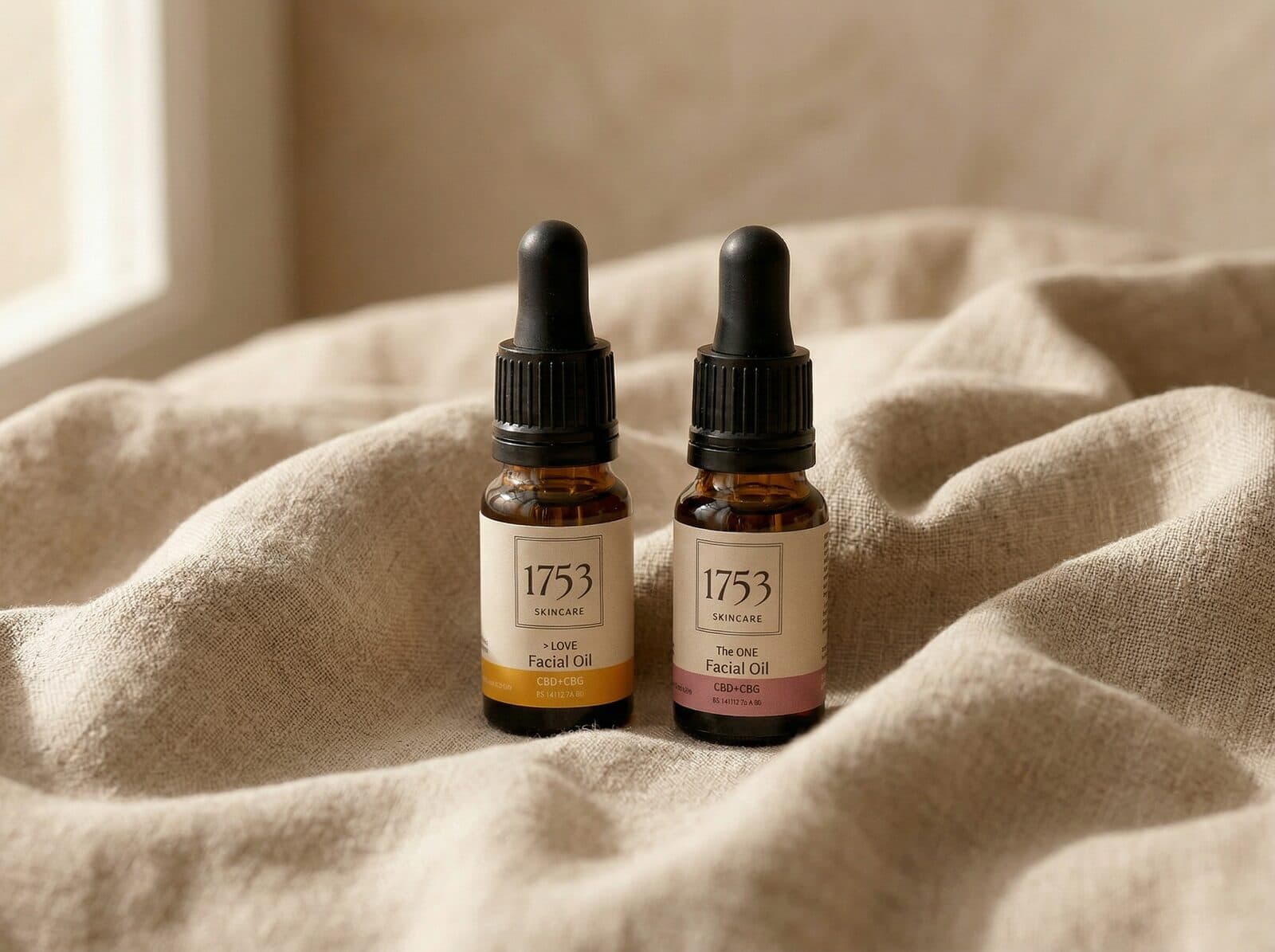
On the skin, do the opposite of the conventional “scrub harder” logic. The DUO-kit with The ONE and I LOVE gives skin a regulating CBD oil and a soothing CBG serum, which is exactly what a reactive, red or off-balance barrier tends to appreciate. Ta-DA serum fits when you want an antioxidant cocktail that actually makes sense after nights when oxidative stress has had more room than usual.
And when you simply want to remove residue without stripping the skin, reach for Au Naturel Makeup Remover. The MCT oil keeps cleansing gentle enough for skin that has already done enough work. The principle is simple: support the body from within, calm the skin from the outside, and stop pretending more friction equals better skin.
Products we recommend
 Save €34
DUO kit
Two face oils, one for morning and one for evening. Simple skincare that works with your skin, not against it.
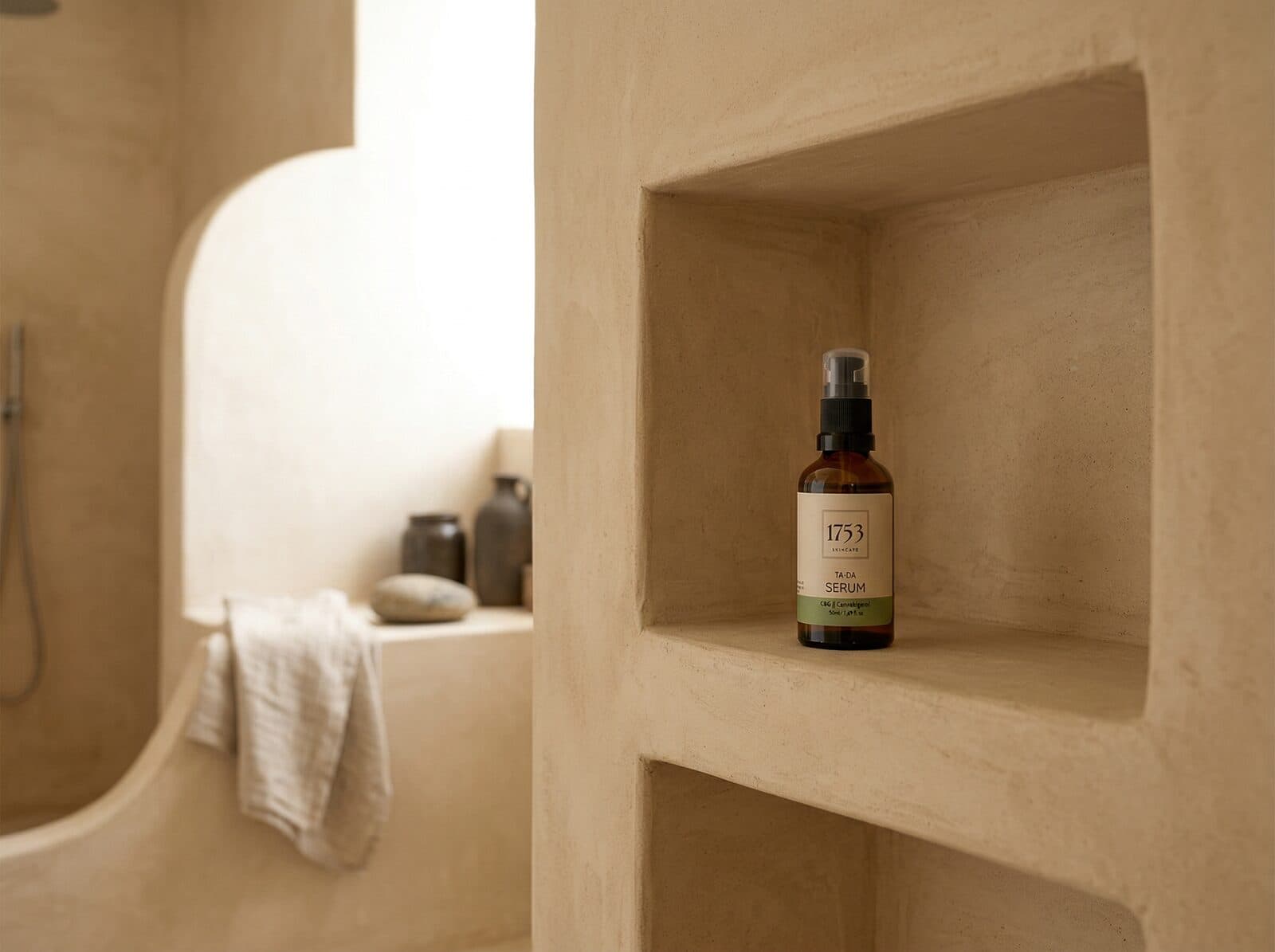
TA-DA Serum
A CBG-powered serum that seals in moisture and adds glow, whatever the season.
Fungtastic Mushroom Extract
Four mushrooms in one formula to support immunity, focus, energy and sleep from within.
Frequently asked questions
Why do I flush so fast from alcohol?
It often comes down to vasodilation, histamine responses and how your body handles acetaldehyde. If you have rosacea, the vessels can be extra reactive, so redness shows up before other symptoms.
Is wine worse than other alcohol for skin?
Not always, but wine often carries more skin triggers like histamine and sulphites. It is also easy to drink more than you think, which increases dehydration and system load.
Can I see skin changes the next morning?
Yes. Fluid loss, poorer sleep and inflammation can cause puffiness, dullness and more visible pores the very next day. Skin is often the first place the body shows that something was too much.
What matters more: less alcohol or better skincare?
Less alcohol usually has the biggest effect, but skincare decides how well the barrier handles the load. A calming routine with the DUO-kit and Ta-DA can make a real difference when you want to be smarter, not perfect.
Sources
- Chen Y, Lyga J. Brain-skin connection: stress, inflammation and skin aging. Inflamm Allergy Drug Targets 2014;13(3):177–190.
- Walker MP, van der Helm E. Overnight therapy? The role of sleep in emotional brain processing. Psychol Bull 2009;135(5):731–748.
- Katta R, Desai SP. Diet and Dermatology: The Role of Dietary Intervention in Skin Disease. J Clin Aesthet Dermatol 2014;7(7):46–51.
Article reviewed by Christopher Genberg, founder of 1753 SKINCARE.
Related articles
Wellness
Sleep skin connection – when the night does the work
Beauty sleep is not a cliché. While you sleep, cortisol drops, growth hormone rises and the body get...
Wellness Axis
Gut skin connection – when the gut shows on your face
Your skin is not a separate island. It listens to your gut, your stress, and the state of your intes...
WELLNESS
Stress skin – when your body hits the alarm button
You usually feel it before you can explain it: redness, tightness, stinging, or a psoriasis flare th...
Lifestyle
Perimenopause and skin – when everything shifts at once
One day your skin feels drier, thinner and suddenly touchy. Adult acne may show up, fine lines look ...
Cyclic Skincare
Menstrual Cycle and Skin – why one routine doesn’t fit all
Your skin doesn’t run on a fixed schedule; it runs with your body. Across the menstrual cycle, hormo...
Postpartum Skin
Postpartum skin – why it changes so much
After pregnancy, skin can feel like it belongs to someone else. Hormones drop, sleep gets broken, an...