
Skin Damage
Acne scars treatment – know the difference first
Not every mark from acne is a scar. Some are flat brown spots left behind by inflammation, others are red traces, and some are true dents where collagen has dropped off. Once you know what you’re dealing with, the next move gets a lot smarter.
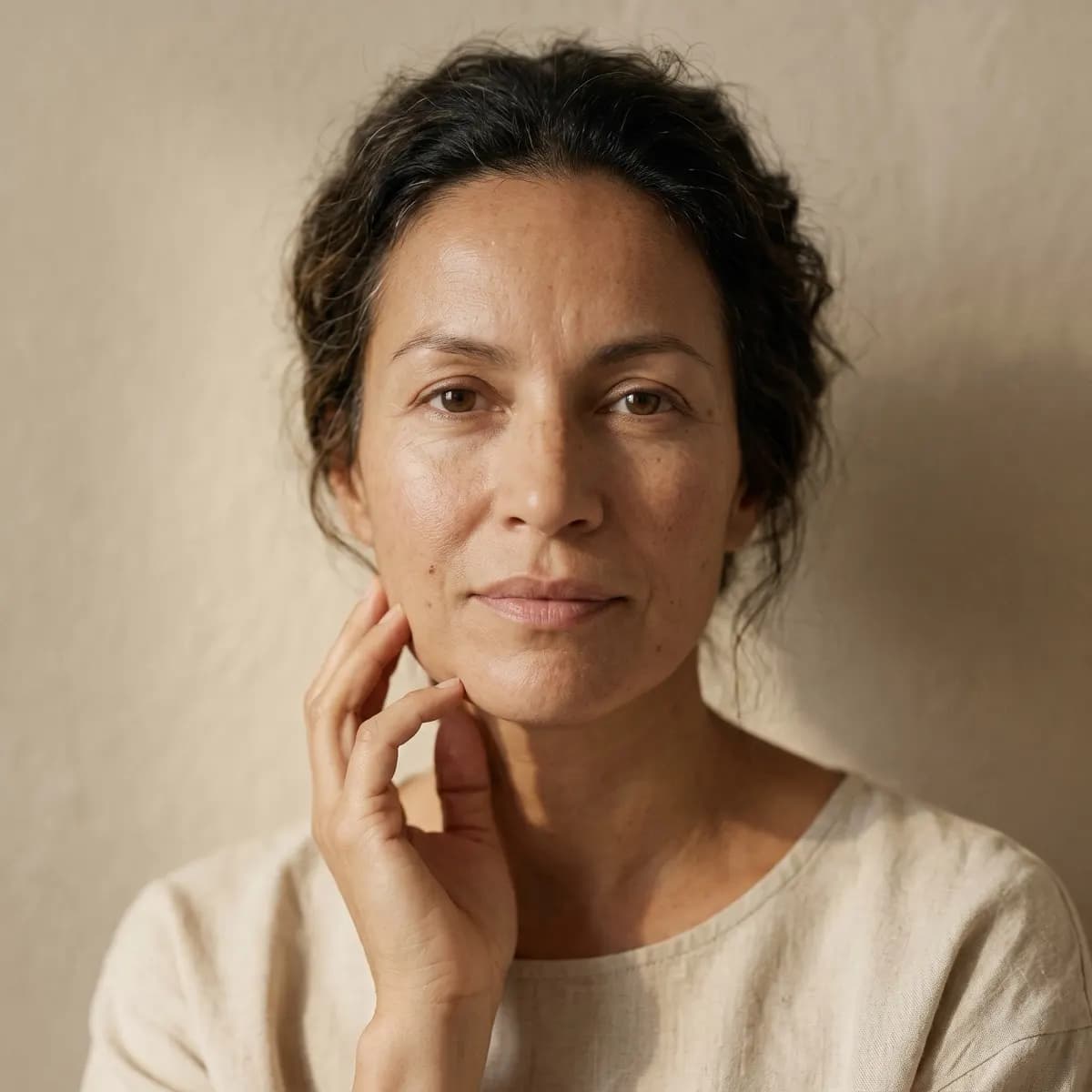
Is it really a scar, or just leftover inflammation?
What people call acne scars is often a mix of post-inflammatory hyperpigmentation, PIH, post-inflammatory erythema, PIE, and true atrophic scars. PIH is excess melanin after inflammation; PIE is lingering redness from dilated superficial vessels that haven’t fully settled down.
Atrophic scars are different. Ice-pick, rolling and boxcar scars happen when the skin doesn’t rebuild enough collagen type I and III during healing. Research on wound repair and dermal remodeling keeps pointing to collagen as the structural backbone, while repeated irritation can slow recovery instead of speeding it up.
That’s where conventional skincare often gets loud and wrong: more scrubbing, more acids, more “resurfacing,” as if inflamed skin were a dirty pan. It isn’t. If you want real progress, first identify the problem correctly. Color, redness, or actual texture loss? Those are not the same job.
Five habits that help skin
Look in daylight
Check marks in natural light and separate brown pigment, red traces and indents. It sounds basic, but naming the problem correctly saves you from chasing the wrong fix.
Calm active breakouts
If new acne keeps showing up, new marks will too. A gentler routine beats constantly attacking the skin with too many actives and too much friction.
Support, don’t provoke
Atrophic scars need remodeling, not irritation. Think in terms of steady support and patience, because collagen turnover is slow by design.
Protect fading marks
PIH can linger longer when it’s exposed to UV and heat. Consistent protection helps marks fade more evenly instead of getting re-darkened.
Choose low-drama steps
If you’re looking at microneedling alternatives, start with daily support first. Small, repeatable steps are often better than aggressive interventions the skin can’t recover from.

Here’s how to actually handle it
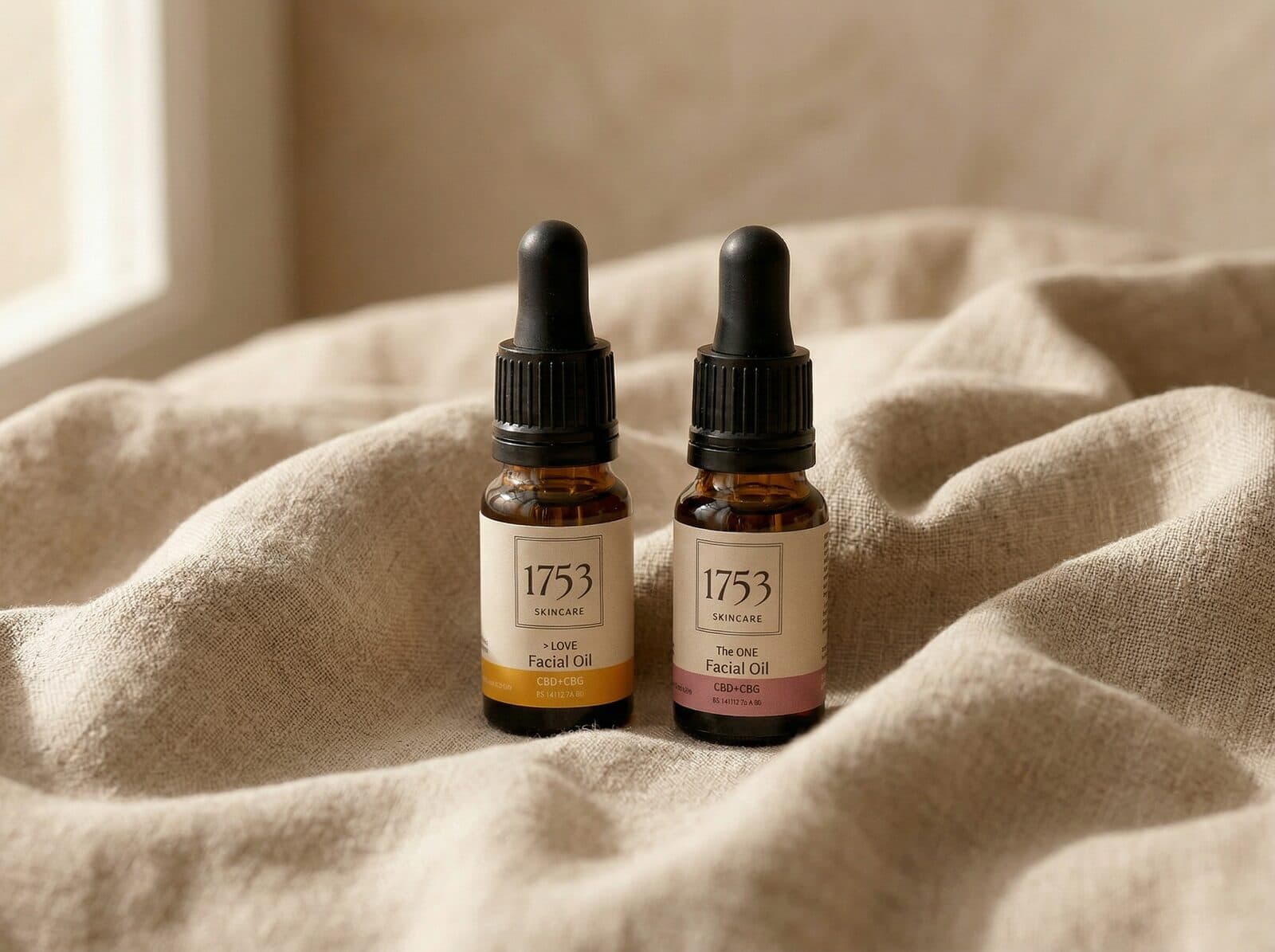
Step one is boring but essential: keep active acne under control. DUO-kit helps quiet ongoing breakouts with The ONE and I LOVE, so you stop creating new marks while trying to fix old ones. You can’t repair a surface that keeps getting re-injured.
Once the skin is calmer, Ta-DA serum becomes the smarter move. It’s made to support collagen formation and help fade PIH, while its antioxidant and adaptogenic profile gives the skin a more resilient baseline. If you want a stronger push toward renewal, DUO Ta-DA is the obvious upgrade.
This isn’t a replacement for in-clinic procedures, but for many people it works as a practical microneedling alternative in real life: less irritation, more consistency, and better odds that the skin will actually cooperate. Acne scars treatment is rarely about doing more. Usually it’s about doing the right things, in the right order, and not disrupting healing every other day.
Products we recommend
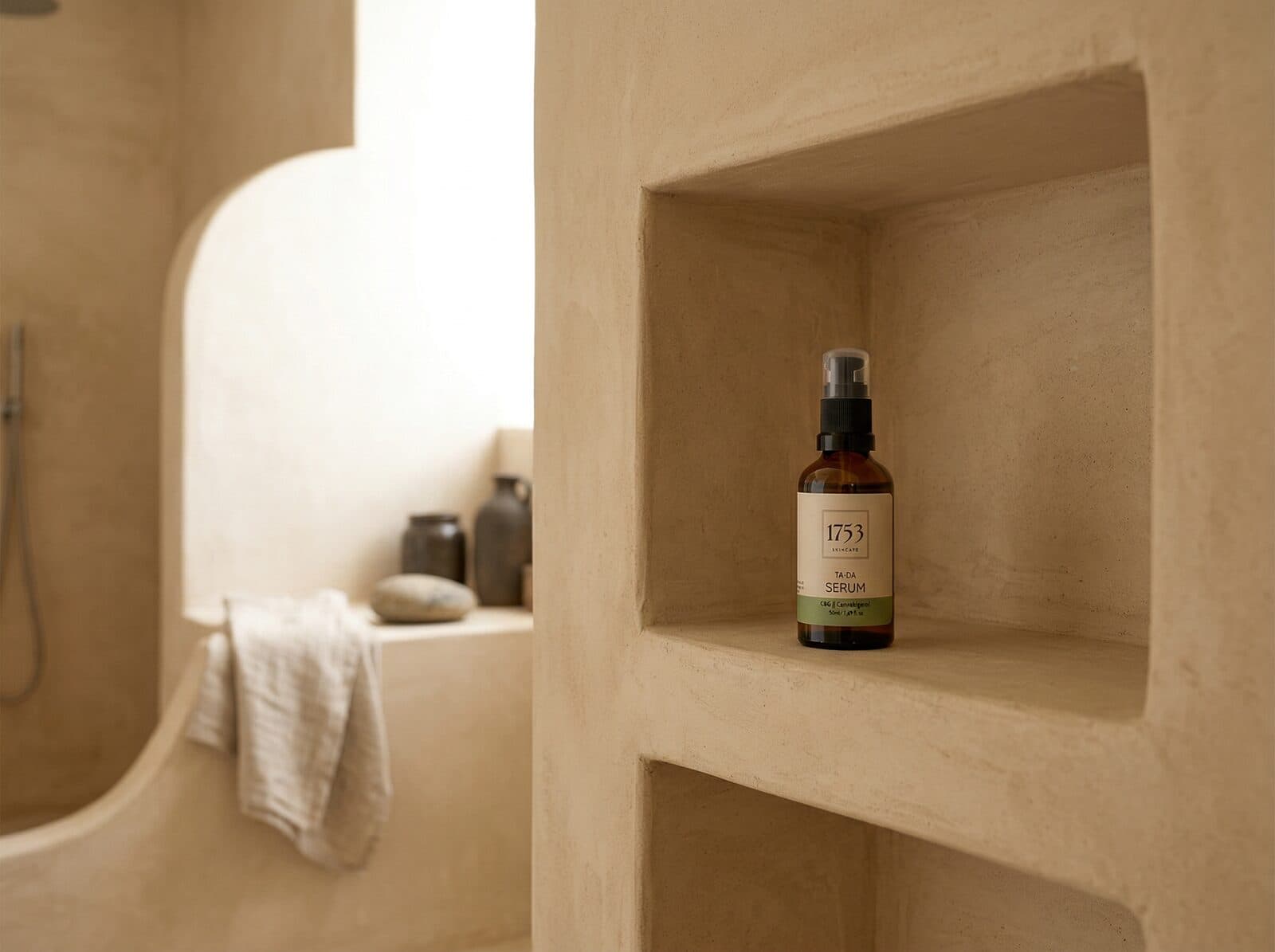
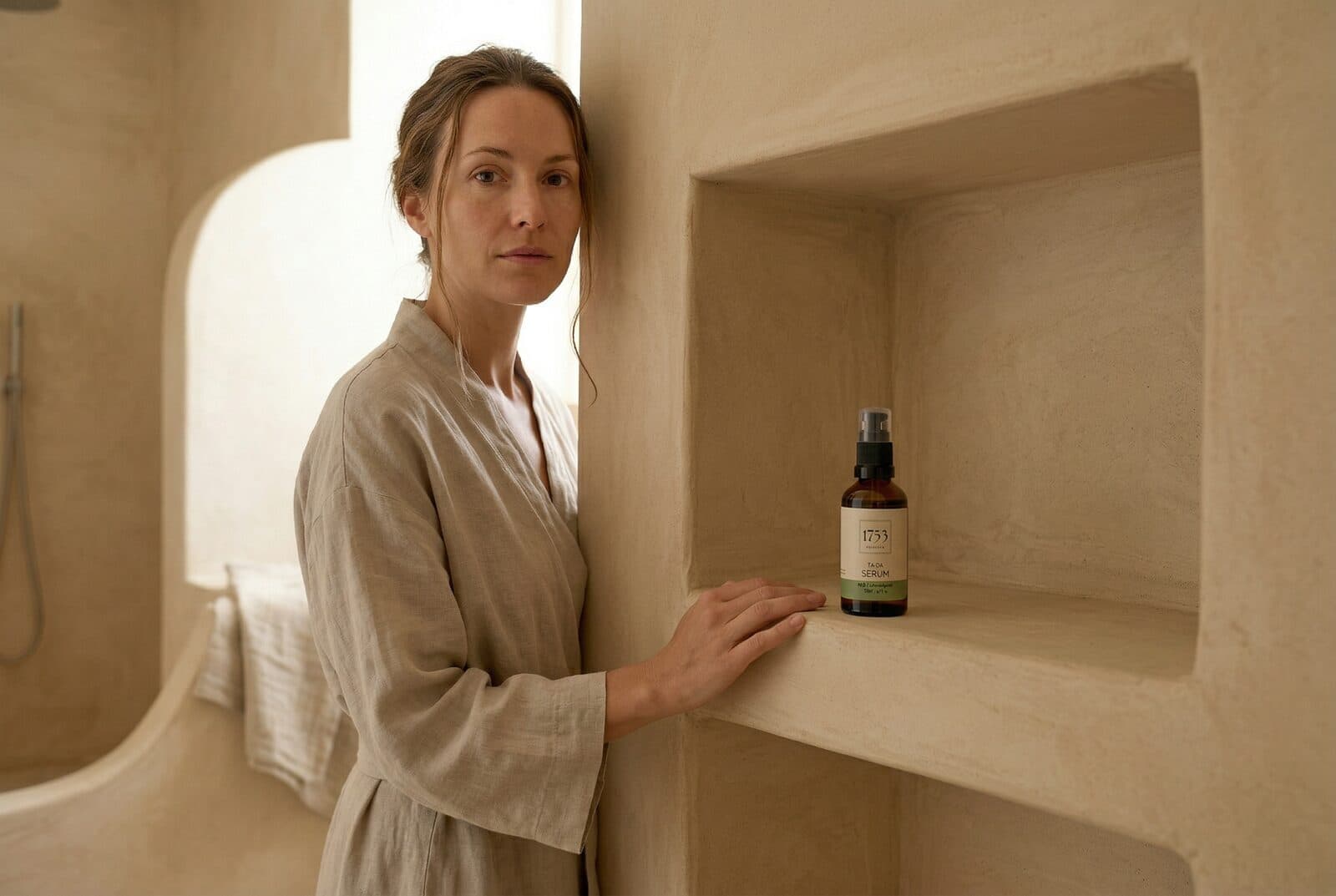
TA-DA Serum
A CBG-powered serum that seals in moisture and adds glow, whatever the season.
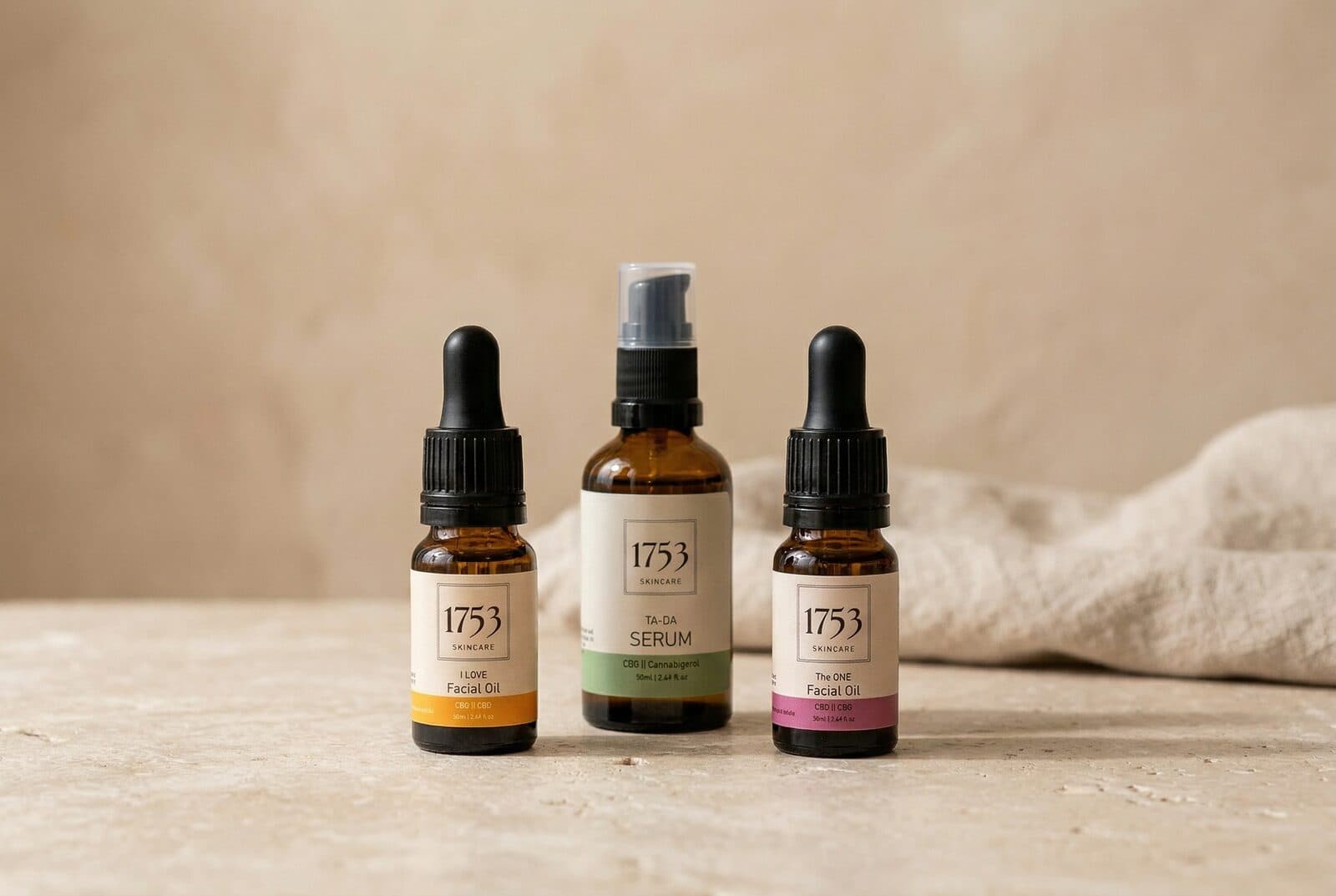
 Save €60
DUO kit + TA-DA Serum
The full routine in one: three products that help skin become calmer, stronger and more resilient.
 Save €34
DUO kit
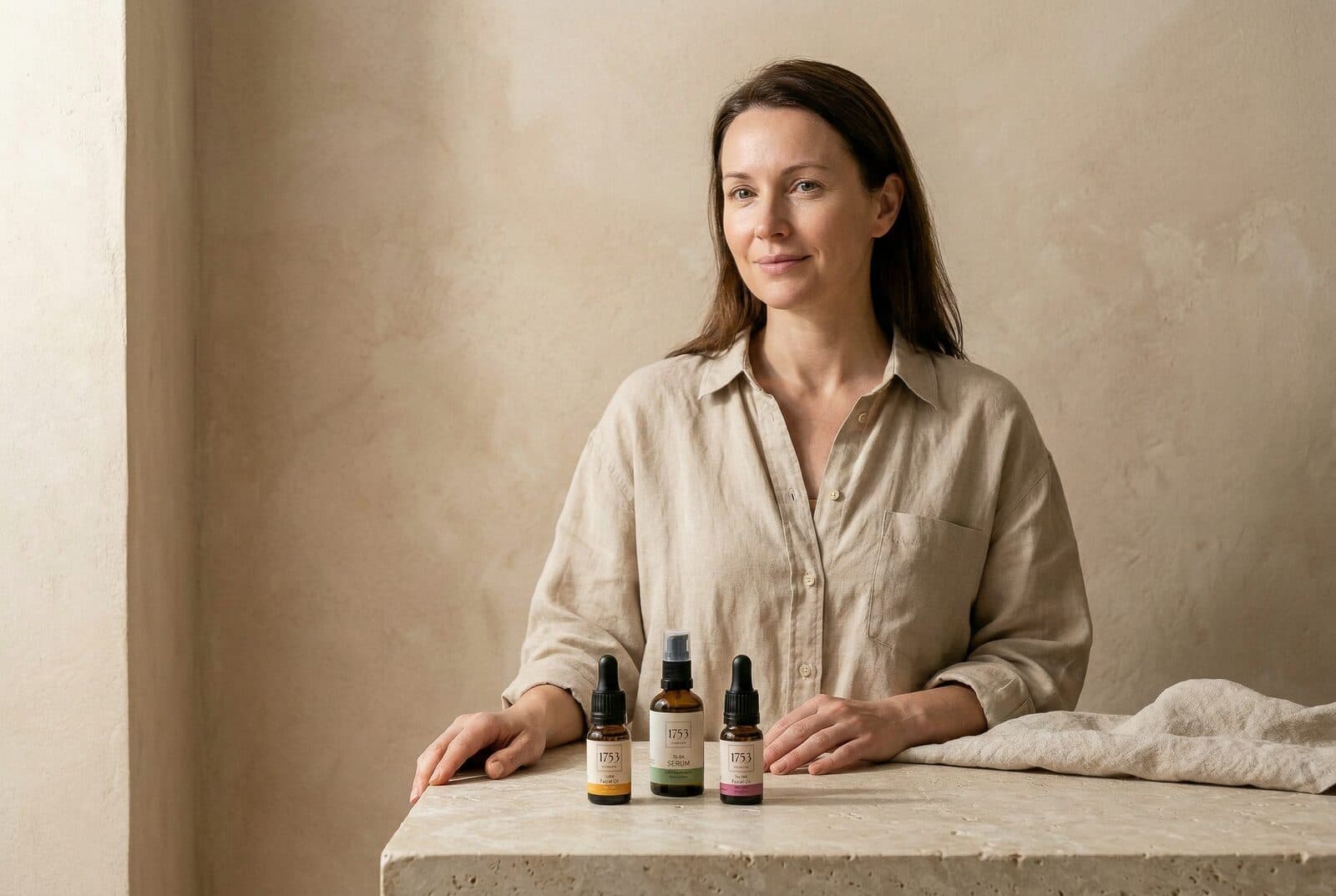
Two face oils, one for morning and one for evening. Simple skincare that works with your skin, not against it.
Frequently asked questions
Can acne scars fade completely?
PIH and PIE can fade a lot over time, especially when inflammation is controlled. Atrophic scars can also improve, but they depend on collagen remodeling and patience. The realistic goal is visible improvement, not perfection.
How do I know if I have PIH or scars?
PIH is flat discoloration; atrophic scars are dips in the skin. PIE shows up as red or pink marks. If the surface is smooth but the color is off, you’re likely dealing with pigment or redness, not true scarring.
Is microneedling always the best option?
No. Microneedling can help certain atrophic scars, but it’s not ideal for everyone and can aggravate active or sensitive skin. Often it makes more sense to calm the skin first, then reassess.
When does Ta-DA serum make sense?
It fits best once acne is more under control and you want to work on PIH and recovery. It’s especially useful if you want to support collagen formation without pushing the skin with harsh actives or over-exfoliation.
Sources
- Byrd AL, Belkaid Y, Segre JA. The human skin microbiome. Nat Rev Microbiol 2018;16(3):143–155.
- Salem I, Ramser A, Isham N, Ghannoum MA. The Gut Microbiome as a Major Regulator of the Gut-Skin Axis. Front Microbiol 2018;9:1459.
- Lin TK, Zhong L, Santiago JL. Anti-Inflammatory and Skin Barrier Repair Effects of Topical Application of Some Plant Oils. Int J Mol Sci 2017;19(1):70.
Article reviewed by Christopher Genberg, founder of 1753 SKINCARE.
Related articles
Skin Conditions
Rosacea treatment – for skin tired of reacting
Your skin flushes over nothing. A cup of coffee, a bit of wind, a stressful day – and your face is b...
Skin Conditions
Eczema treatment – break the itch cycle and restore your barrier
Eczema is more than dry skin. It's a leaking barrier, an overreacting immune system, and an itch tha...
Skin Conditions
Anti-aging skincare – stop chasing youth, start supporting your skin
The skincare industry makes billions from the fear of aging. But wrinkles aren't a disease – they're...
How to
Natural retinol alternatives – when your skin wants results, not punishment
Retinol has been crowned the answer to everything, but skin rarely cares about trends. If you’re sen...
Ingredient Portrait
cbd for skin – less noise, more balance
CBD for skin is interesting because it doesn’t try to bully the skin into behaving. It works with th...
Ingredient Portrait
cbg for skin – the mother cannabinoid that calms and renews
CBG usually lives in CBD’s shadow, but skin can tell the difference. This is the cannabinoid that ma...