
Comparison
micellar vs oil – clean skin, two different logics
This is not a battle between good and bad. It’s mechanics: surfactants lifting away grime, or lipids dissolving lipids. For some, micellar water is the ultimate lazy routine. For others, oil makes more sense—gentler, simpler, less wasteful.

What actually happens when you cleanse?
Micellar water is built on surfactants. These molecules have one part that loves water and one part that loves oil, so they can grab makeup, sebum and dirt and carry it away on a cotton pad. It works, but the method is often more mechanical than people admit: rubbing, more pads, more friction.
Oil cleansing works on a lipid-to-lipid principle. Oil dissolves oil, so sunscreen, sebum and makeup are softened without making the skin feel stripped. Research on cleansing and barrier function suggests that harsher cleansing can increase transepidermal water loss and leave skin more reactive, especially if you’re already dry or sensitive.
That does not mean micellar water is bad and oil is sacred. It means your routine should match your skin and your life. If you want speed, lightness and a barely-there feel, micellar water can fit. If you want less friction and a more skin-friendly cleanse, oil may be the better first move.
How to choose without overthinking it
Check the aftermath
Does your skin feel tight, shiny or red after cleansing? That matters more than which method sounded best online. A good cleanse should leave skin clean, not confused.
Count your cotton pads
Micellar water can become a pad-heavy habit that feels easy but creates cotton waste. If you need several pads to get everything off, the method may not be as efficient as it looks.
Match your makeup load
Light SPF and everyday makeup can often be handled by a gentle method. Heavier makeup or waterproof formulas usually ask for more, and oil is often more rational than scrubbing with pads.
Respect sensitive skin
If you flush easily, feel dry or get tight after washing, reduce friction and unnecessary surfactants in the first step. Skin often prefers calmer logic over aggressive cleanliness.
Think routine, not ritual
A lazy routine is not lazy if it works. The best cleanser is the one you’ll actually use every night, without overworking your skin or building a mountain of pads.

How to solve cleansing in real life
If you lean toward oil, Au Naturel Makeup Remover is the straightforward answer: MCT oil that dissolves dirt, sunscreen and makeup without making your skin fight back. It makes particular sense if you want to avoid the slightly stripped feeling surfactant-based cleansers can leave behind.
If you want to build a more skin-regulating routine, The ONE is a natural next step after cleansing. CBD + MCT isn’t a flashy promise; it’s simply a way to give skin something more balancing than stripping. For many people, that kind of simplicity is what makes a routine sustainable.
And if you want a companion product that doesn’t try to do too much, I LOVE fits neatly into a calm routine. CBD + CBG is a rarely controversial choice in a world where cleansing often goes too far. Whether you choose micellar water or oil, the point is the same: cleanse gently, leave the barrier alone, build from there.
Products we recommend
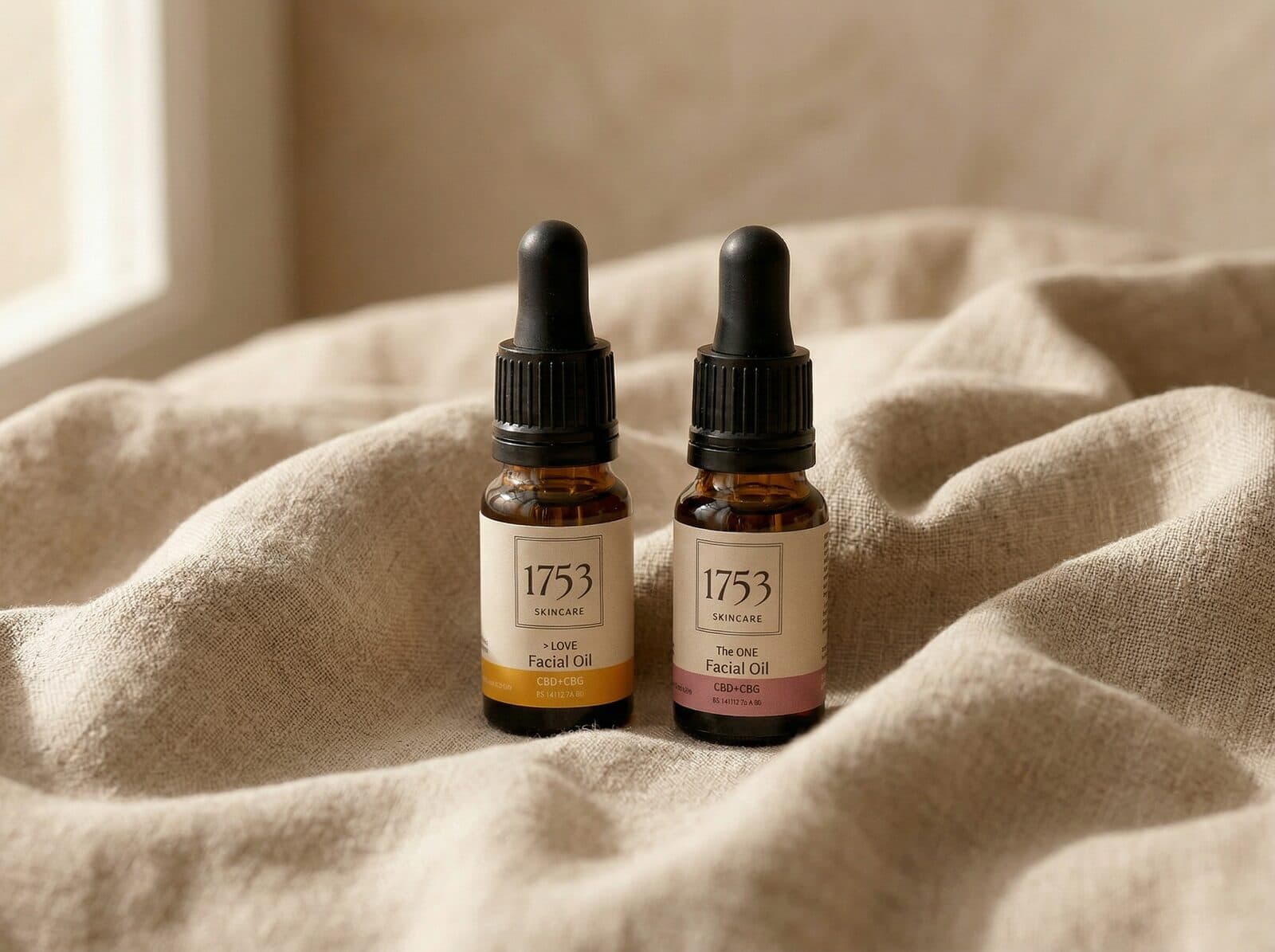
 Save €34
DUO kit
Two face oils, one for morning and one for evening. Simple skincare that works with your skin, not against it.
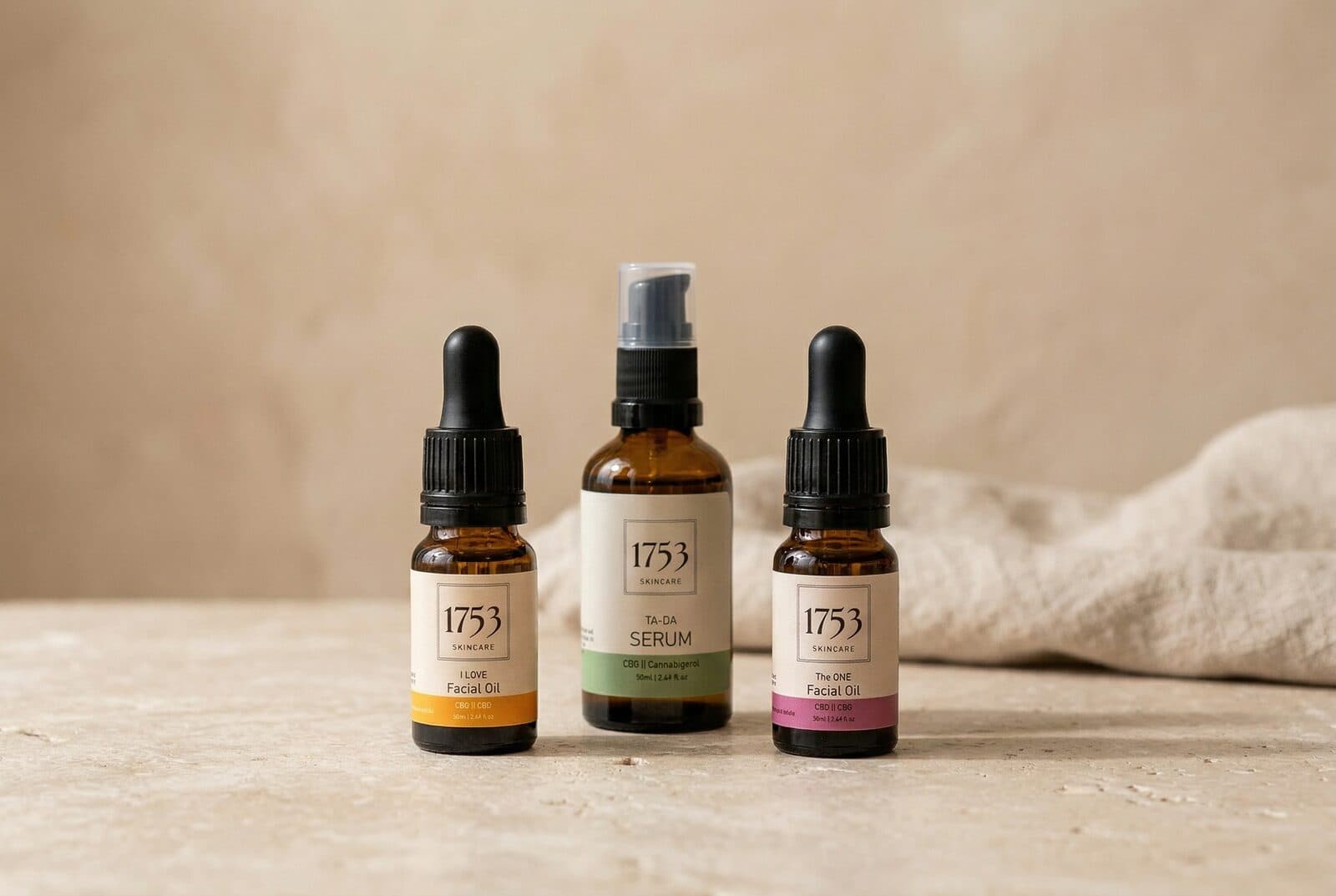
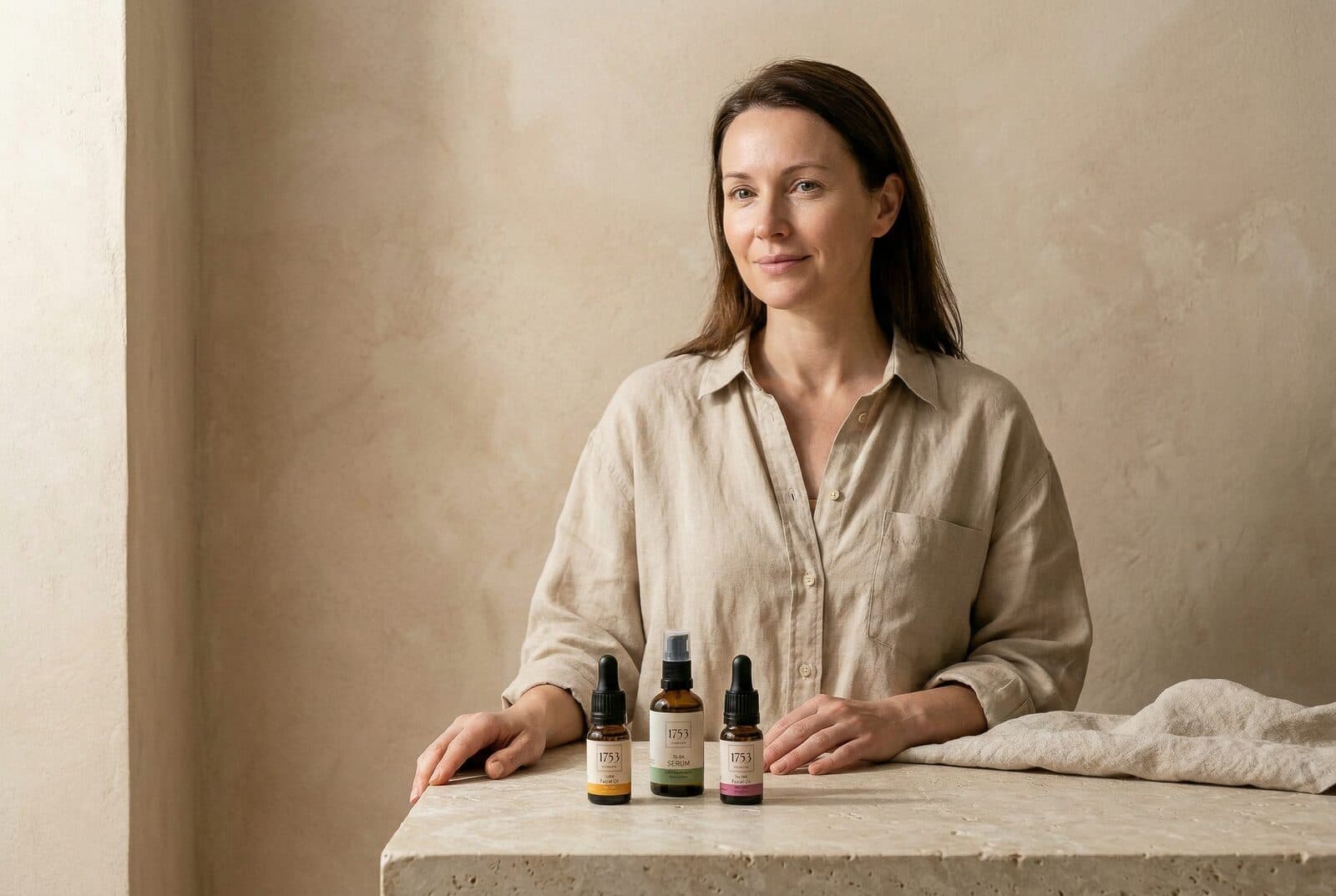 Save €60
DUO kit + TA-DA Serum
The full routine in one: three products that help skin become calmer, stronger and more resilient.
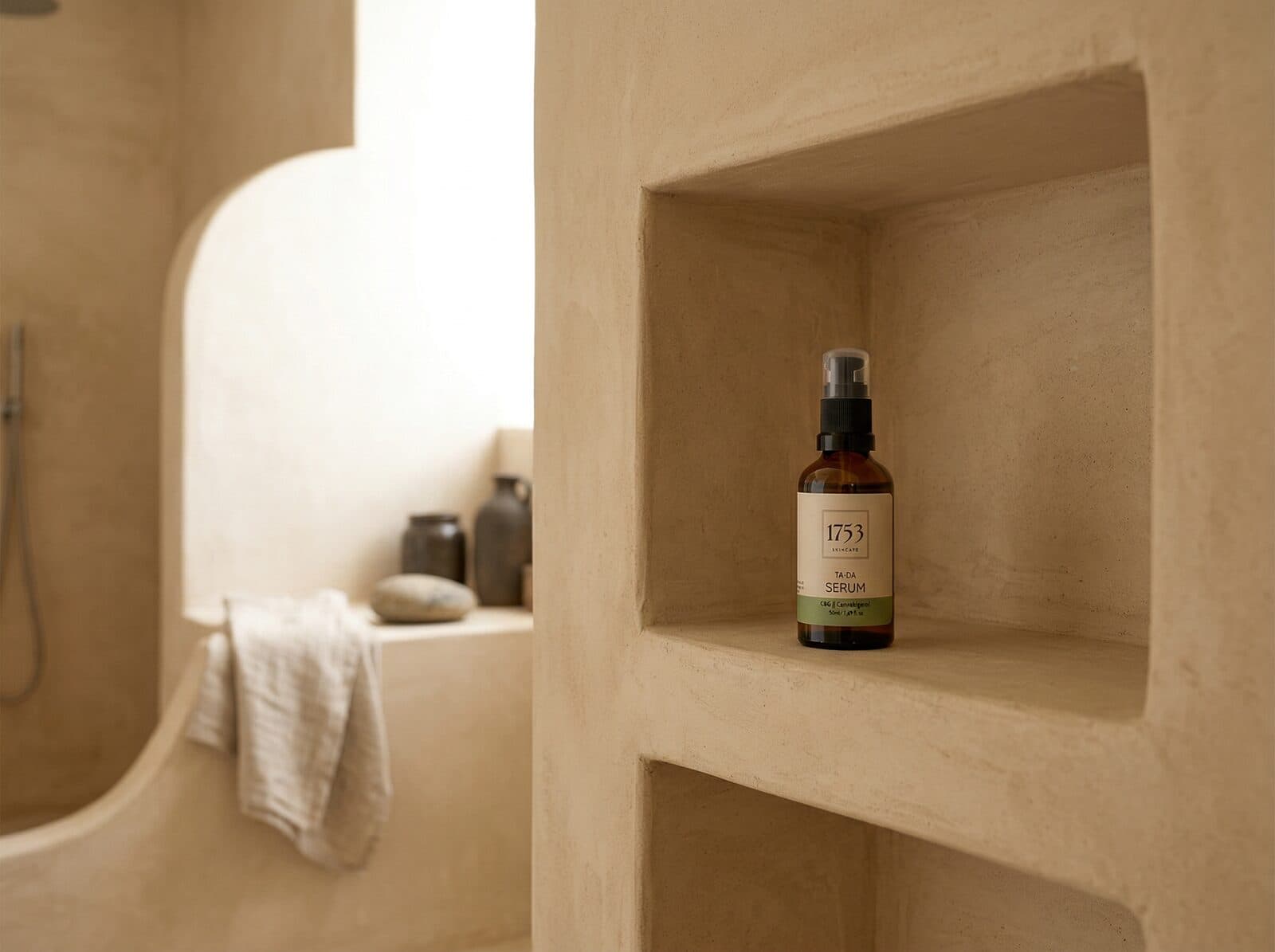
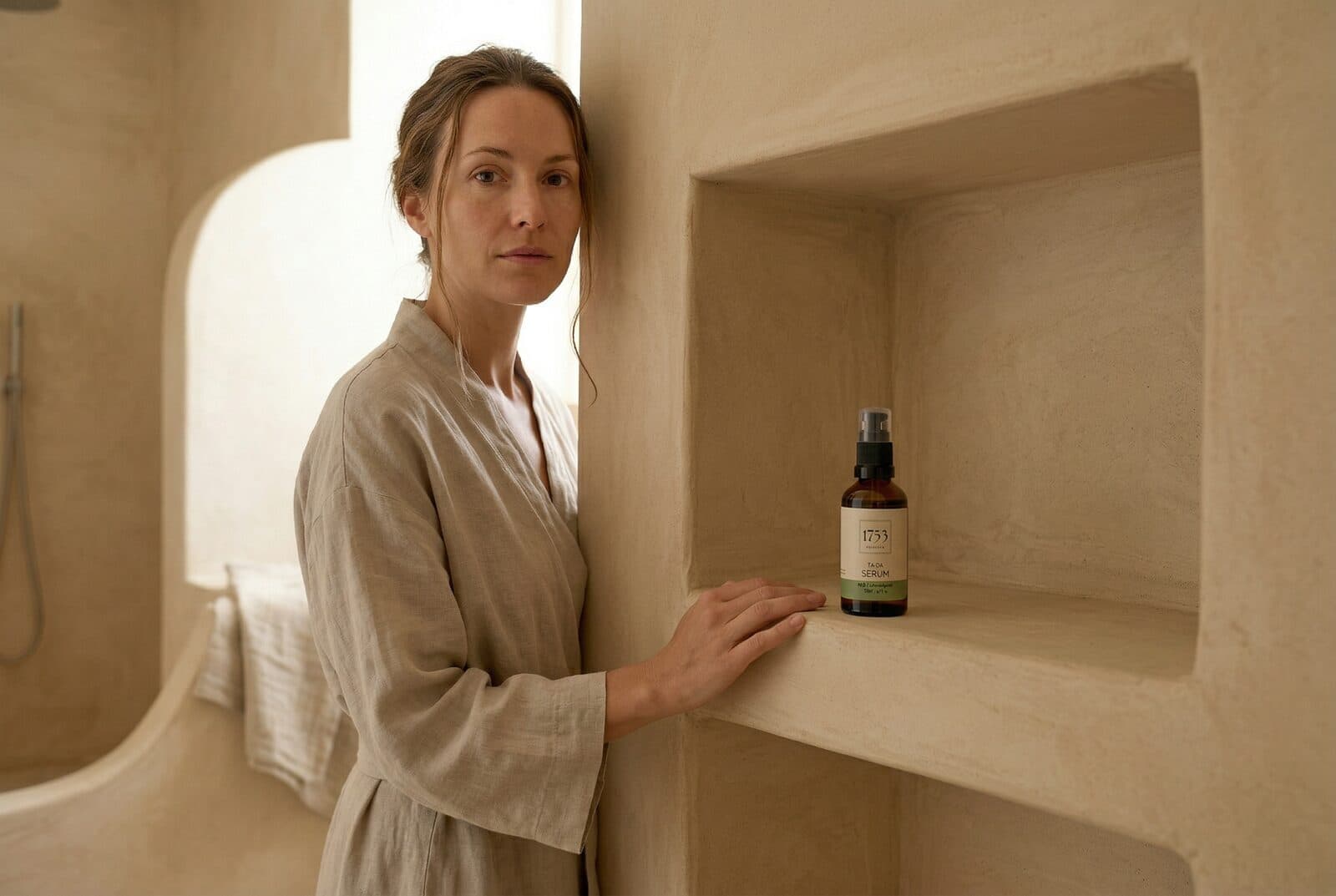
TA-DA Serum
A CBG-powered serum that seals in moisture and adds glow, whatever the season.
Frequently asked questions
Is micellar water better than oil for sensitive skin?
Not automatically. Micellar water can be gentle, but surfactants and pad friction can irritate some skin types. Oil cleansing often reduces friction, which may suit skin that gets tight or red easily.
Do I need to double cleanse?
Not always. If you wear a lot of SPF or makeup, an oil first step followed by a gentle cleanser can be practical. But if your skin is dry or reactive, less is often more.
Why does everyone talk about cotton pads?
Because micellar water usually depends on pads, which adds both friction and cotton waste. It’s a small detail that becomes a daily habit, and a needless burden if you use the product every day.
Is oil too greasy for acne-prone skin?
Not necessarily. A cleansing oil is meant to rinse away and leave skin clean, not oily. For many acne-prone skin types, it’s actually gentler than over-cleansing with strong surfactants.
Sources
- Oláh A, Tóth BI, Borbíró I, et al. Cannabidiol exerts sebostatic and antiinflammatory effects on human sebocytes. J Clin Invest 2014;124(9):3713–3724.
- Tóth KF, Ádám D, Bíró T, Oláh A. Cannabinoid signaling in the skin: therapeutic potential of the c(ut)annabinoid system. Molecules 2019;24(5):918.
Article reviewed by Christopher Genberg, founder of 1753 SKINCARE.
Related articles
COMPARISON
cbd vs retinol – same conversation, different jobs
CBD and retinol are often grouped together, but they do not behave the same way. Retinol pushes cell...
Comparison
cbd vs hyaluronic acid – hydration or calm?
This is not a fight between two good ingredients. Hyaluronic acid draws water in. CBD works more aro...
COMPARISON
cbd vs niacinamide – two ways to less shine
If your skin is oily but also easily irritated, it is easy to get stuck between two classics: cbd vs...
Ingredient Portrait
cbd for skin – less noise, more balance
CBD for skin is interesting because it doesn’t try to bully the skin into behaving. It works with th...
Ingredient Portrait
cbg for skin – the mother cannabinoid that calms and renews
CBG usually lives in CBD’s shadow, but skin can tell the difference. This is the cannabinoid that ma...
Ingredient Portrait
Shea butter skin – rich, warm, not for everyone
Shea butter is one of skincare’s most loved butters, and one of the most misunderstood. It comes fro...