
Ingredient Portrait
Salicylic acid skin – smart support or just stripping?
Salicylic acid is the ingredient that makes acne routines sound more scientific than they often are. Yes, it can help. And yes, it can also become just another harsh step that leaves skin tight, flaky, and irritated.

Why does salicylic acid work — and when does it backfire?
Salicylic acid is a BHA, a beta hydroxy acid. It is lipophilic, which means it loves oil and can move into sebum and down into pores more easily than water-based acids. There, it helps with desquamation — the skin’s natural shedding of dead cells — so pores are less likely to clog.
That is why it is widely used for acne, blackheads, and oily skin. Studies on BHA show it can reduce comedones and make pores less prone to filling up with sebum and keratin. But the same mechanism that makes it effective can also become too much if you use it too often, too strong, or stack it with other actives without thinking.
Overuse is the real problem. Then you do not just get more flaking, but a barrier that becomes stressed and reactive. And once skin starts stinging, it is easy to think you need more treatment, when what you actually need is less. This is where mainstream skincare often goes wrong: more acid, more exfoliation, less patience.
How to use it without wrecking your skin
Start low and slow
Begin with 1–2 uses a week, especially if you are new to acids. Let your skin prove it can handle the ingredient before you increase frequency.
Use it for the right problem
Salicylic acid makes the most sense for clogged pores, blackheads, and oily shine. If your main issue is dryness, redness, or sensitivity, it may be more than you need.
Apply on dry skin
Put it on clean, dry skin to reduce unnecessary irritation. Waiting a few minutes before the rest of your routine can make a real difference.
Cut back on other actives
Do not casually pair it with strong retinoids, AHA acids, or scrubs on the same night. Skin is not a lab experiment that enjoys everything at once.
Read your skin, not the label
If skin starts to sting, peel, or look more red, it is telling you to back off. Good results come from the right dose, not the most aggressive routine.

How to actually handle acne without drying out
If you want fewer breakouts without wrecking your barrier, choose a strategy that calms instead of scrapes. Salicylic acid can be effective, but it is not always gentle. For many people, a better path is moderate exfoliation plus ingredients that help skin stay resilient.
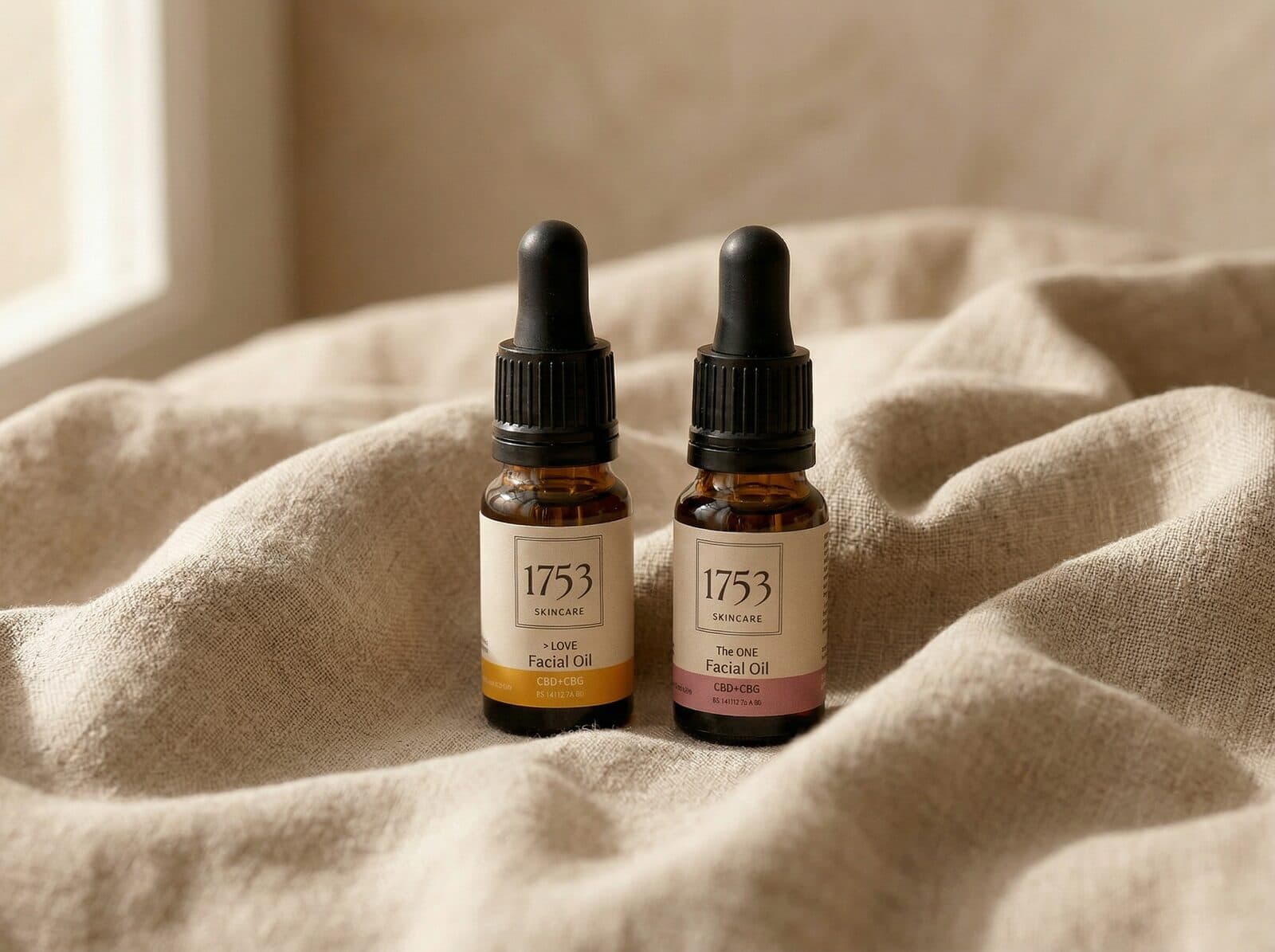
That is where I LOVE fits naturally as a milder acne option: a CBG serum with an antibacterial feel without stripping moisture from the skin. It is especially useful when you want to reduce skin stress but avoid the dry, tight route so many acids leave behind.
If you want a more balanced routine, The ONE helps keep skin regulated and calm, while Au Naturel Makeup Remover gives you a gentle cleanse without pushing you toward harsher acids to compensate. For a fuller cannabinoid-based approach, the DUO kit combines The ONE and I LOVE in a way that simply makes more sense for stressed skin.

Frequently asked questions
Is salicylic acid good for acne?
Yes, especially for blackheads, clogged pores, and oily skin. Because it is lipophilic, it can work where sebum builds up. But if your skin is already dry or sensitive, it may irritate more than help.
How often should I use salicylic acid?
For many people, 1–2 times a week is enough to start. Some skin types tolerate more, but your skin decides, not the ambition of your routine. Increase only if it stays calm.
Can I combine salicylic acid with other actives?
You can, but be careful. Stacking acids, retinoids, and harsh cleansing in one routine is a common path to overuse. Keep it simple if your skin gets red or tight easily.
Is there a gentler option for acne?
Yes. If you want less irritation, a CBG serum like I LOVE can be a smart choice. It is antibacterial without drying out the skin, which makes it kinder to already stressed skin.
Sources
- Oláh A, Tóth BI, Borbíró I, et al. Cannabidiol exerts sebostatic and antiinflammatory effects on human sebocytes. J Clin Invest 2014;124(9):3713–3724.
- Lin TK, Zhong L, Santiago JL. Anti-Inflammatory and Skin Barrier Repair Effects of Topical Application of Some Plant Oils. Int J Mol Sci 2017;19(1):70.
- Tóth KF, Ádám D, Bíró T, Oláh A. Cannabinoid signaling in the skin: therapeutic potential of the c(ut)annabinoid system. Molecules 2019;24(5):918.
Article reviewed by Christopher Genberg, founder of 1753 SKINCARE.
Related articles
Ingredient Portrait
cbd for skin – less noise, more balance
CBD for skin is interesting because it doesn’t try to bully the skin into behaving. It works with th...
Ingredient Portrait
cbg for skin – the mother cannabinoid that calms and renews
CBG usually lives in CBD’s shadow, but skin can tell the difference. This is the cannabinoid that ma...
Ingredient Portrait
mct oil skin – light, clean, surprisingly clever
MCT oil is not just another oil sitting on top of your face. It’s fractionated coconut oil built aro...
How to
Natural retinol alternatives – when your skin wants results, not punishment
Retinol has been crowned the answer to everything, but skin rarely cares about trends. If you’re sen...
Skin Streaming
Minimalist 5 step routine – why less can do more
Skincare has become too much of everything: too many steps, too much exfoliation, too much cleansing...
COMPARISON
cbd vs retinol – same conversation, different jobs
CBD and retinol are often grouped together, but they do not behave the same way. Retinol pushes cell...