
Ingredient Portrait
Hyaluronic acid facts – hydration, not the whole story
Hyaluronic acid gets praised as the skin’s moisture magnet. And yes, it can hold a lot of water. But hyaluronic acid facts from the research also show a limit: hydration is not the same as a strong barrier. That’s where many routines go off track.

Why does skin still feel tight if HA works?
Hyaluronic acid, often shortened to HA, is a humectant: it attracts and binds water in the outer layers of skin. In practice, that can mean faster plumping and less dryness, especially when applied to damp skin. Sodium hyaluronate is a common salt form used in serums.
But here’s the limit. HA does not build lipids, ceramides, or the other structures that make up a resilient barrier. If your skin is losing too much water through transepidermal water loss, a pure hydration trick may help briefly without fixing the actual problem. Molecular weight matters too: larger molecules stay more on the surface, smaller ones may go a bit deeper, but the effect is still mainly hydration, not repair.
Studies on HA usually look positive, but many are short, small, or combine several ingredients. That makes study bias worth keeping in mind. In plain language: HA is useful, but it’s not the magic barrier fix marketing likes to suggest.
How to use HA better
Apply on damp skin
Put HA serum on right after cleansing while skin is still slightly damp. That helps it bind water more effectively and feel less tight. Don’t wait until skin is fully dry, or the effect is often weaker.
Read the INCI
Look for hyaluronic acid or sodium hyaluronate, but also check where it sits in the ingredient list. Higher up usually means more of it. At the very bottom, it may be more label than substance.
Choose the right molecular weight
If a serum uses multiple molecular weights, you usually get broader hydration at the surface and a bit deeper in the epidermis. But don’t chase numbers as if higher always means better. Skin comfort matters more than lab bragging rights.
Seal it with lipids
After HA, skin needs something that reduces evaporation. Otherwise you often end up with a short-lived moisture boost. Think hydration first, then something emollient or barrier-supportive on top.
Reduce water loss
If your skin is truly dry, look at soap, hot showers, and over-exfoliation. Skin that’s constantly stressed by harsh cleansing loses more water than any serum can make up for.

How to actually fix the problem
Hyaluronic acid can be a good part of a routine, but it is only one part. If skin lacks both water and lipids, the result is often short-lived: a little plumpness, then tightness again. That’s why it helps to think of skin as a system, not a surface to drown in actives.
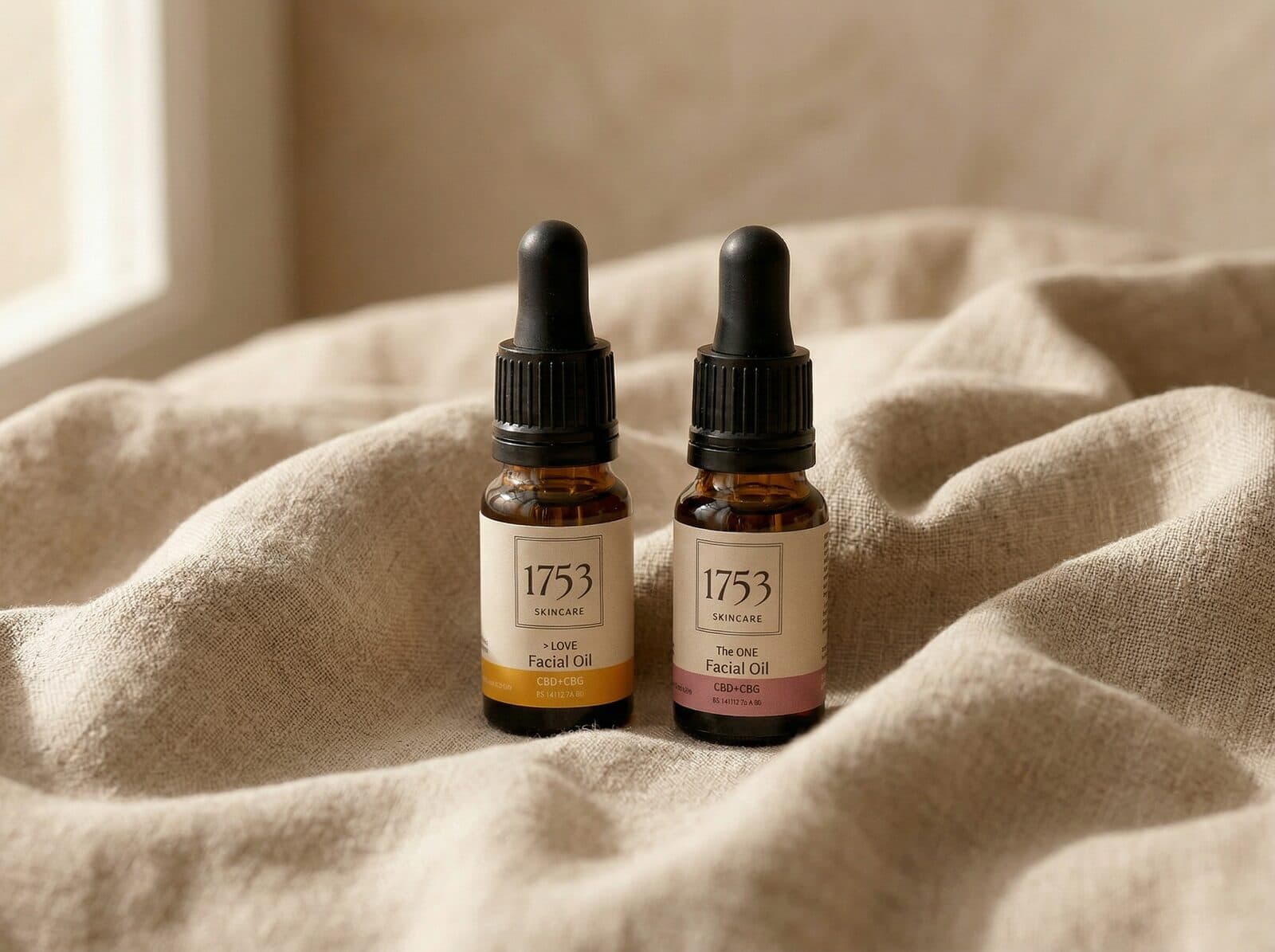
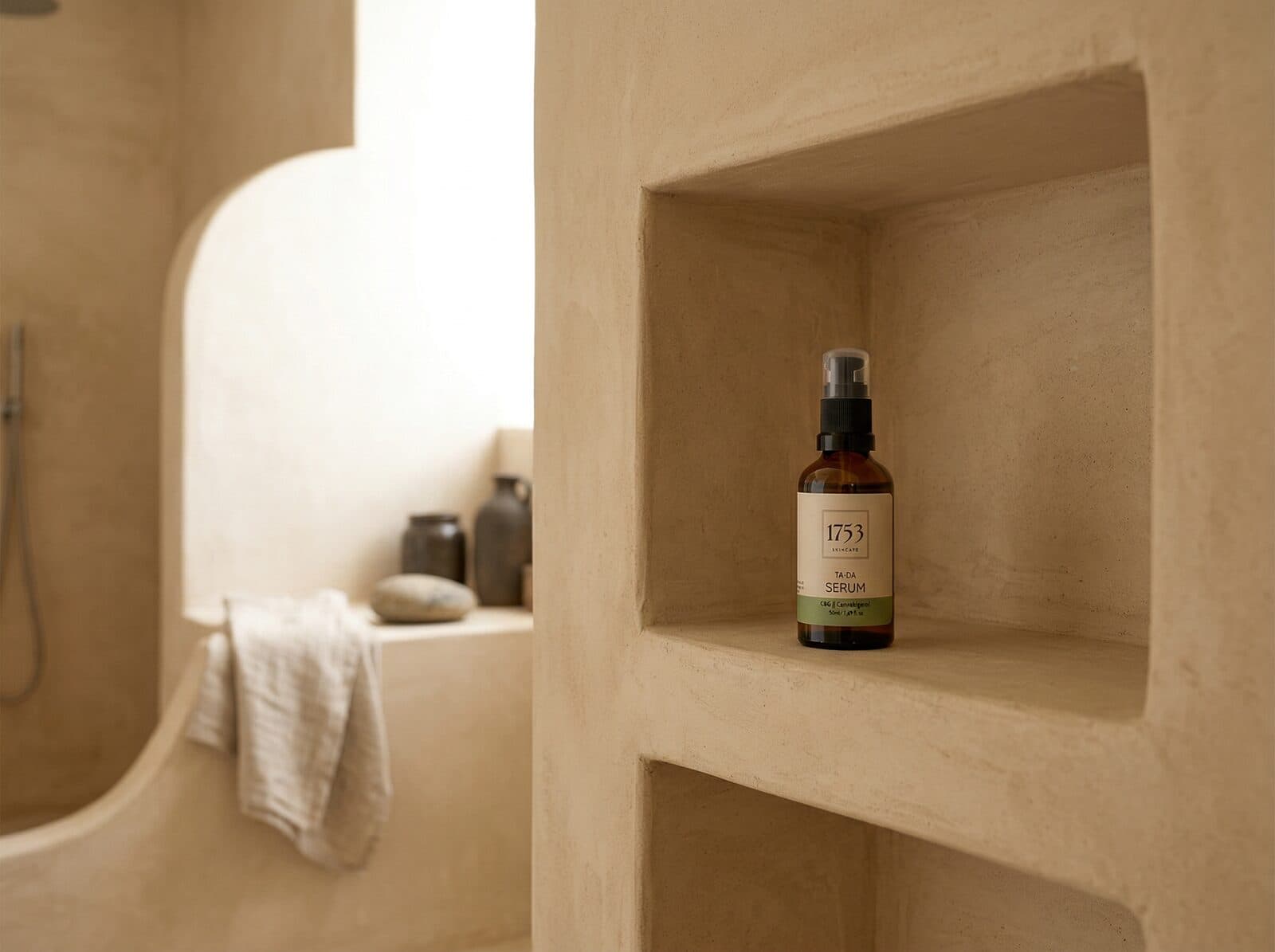
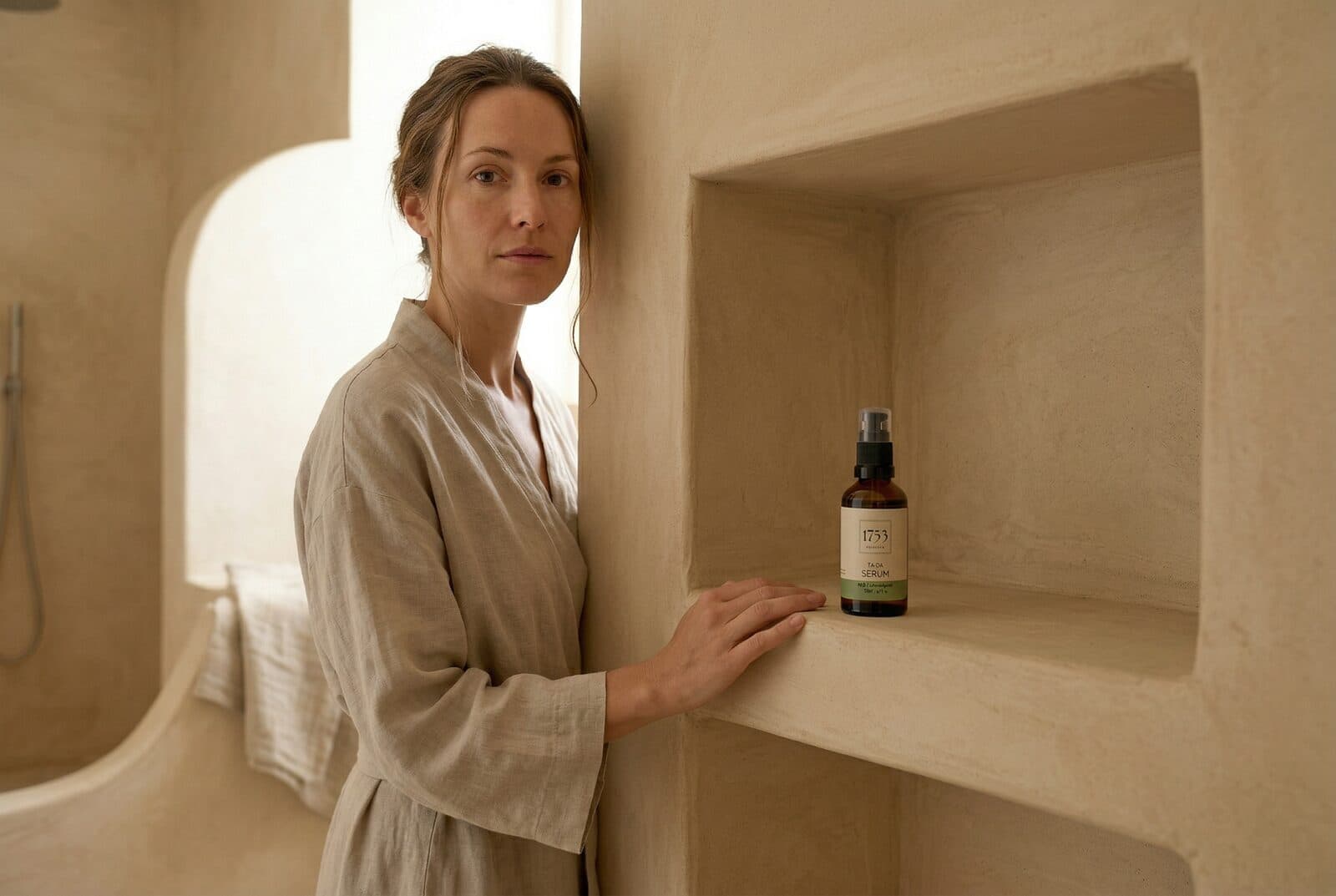
That’s where the DUO kit fits naturally: The ONE gives a skin-regulating CBD oil with lipids that help hold onto the water you already added, while I LOVE with CBG serum helps calm and support skin that gets irritated easily. If you want one step more, Ta-DA serum brings an antioxidant cocktail with CBG and adaptogens when skin feels tired, stressed, or worn down.
The point is simple: HA hydrates, but it doesn’t build a barrier. For skin that actually behaves better, you need both moisture and lipid balance. If you want a gentler cleanse before serum and oil, Au Naturel Makeup Remover is a sensible first step instead of scrubbing your skin into submission. Less dramatic than hype, far smarter in real life.

Frequently asked questions
Is hyaluronic acid the same as sodium hyaluronate?
Not exactly. Hyaluronic acid is the base molecule, while sodium hyaluronate is a salt form often used in skincare because it is more stable and easy to formulate. Both act as humectants and bind water in the upper layers of skin.
Why can HA sometimes make skin feel drier?
If you use HA on very dry skin or in dry air, it can feel tight instead of hydrating. There may not be enough water to bind, and moisture can evaporate faster. Apply it to damp skin and seal it with lipids.
Does molecular weight matter?
Yes, but not in the way marketing suggests. High molecular weight usually sits more on the surface and gives quick comfort, while lower molecular weight may behave differently in the epidermis. The overall formula matters more than one buzzword.
Is hyaluronic acid enough for dry skin?
Usually not. If the issue is increased transepidermal water loss, skin also needs lipids and a calmer routine. HA can help with hydration, but it does not replace a barrier-supportive strategy.
Sources
- Oláh A, Tóth BI, Borbíró I, et al. Cannabidiol exerts sebostatic and antiinflammatory effects on human sebocytes. J Clin Invest 2014;124(9):3713–3724.
- Lin TK, Zhong L, Santiago JL. Anti-Inflammatory and Skin Barrier Repair Effects of Topical Application of Some Plant Oils. Int J Mol Sci 2017;19(1):70.
- Tóth KF, Ádám D, Bíró T, Oláh A. Cannabinoid signaling in the skin: therapeutic potential of the c(ut)annabinoid system. Molecules 2019;24(5):918.
Article reviewed by Christopher Genberg, founder of 1753 SKINCARE.
Related articles
Ingredient Portrait
cbd for skin – less noise, more balance
CBD for skin is interesting because it doesn’t try to bully the skin into behaving. It works with th...
Ingredient Portrait
cbg for skin – the mother cannabinoid that calms and renews
CBG usually lives in CBD’s shadow, but skin can tell the difference. This is the cannabinoid that ma...
Ingredient Portrait
Shea butter skin – rich, warm, not for everyone
Shea butter is one of skincare’s most loved butters, and one of the most misunderstood. It comes fro...
How to
Natural retinol alternatives – when your skin wants results, not punishment
Retinol has been crowned the answer to everything, but skin rarely cares about trends. If you’re sen...
Skin Streaming
Minimalist 5 step routine – why less can do more
Skincare has become too much of everything: too many steps, too much exfoliation, too much cleansing...
COMPARISON
cbd vs retinol – same conversation, different jobs
CBD and retinol are often grouped together, but they do not behave the same way. Retinol pushes cell...