
Ingredient Portrait
Hemp seed oil skin – the fat your skin actually recognizes
Hemp seed oil is not a trend; it is straightforward skin biology. It comes from the seeds of Cannabis sativa and brings a lipid profile the skin can use to rebuild barrier fat. If your skin feels tight, flaky, or easily irritated, this is often where the real problem sits.

Why does skin feel dry when what it lacks is fat?
Skin needs more than “hydration”. It needs lipids that can fill the gaps in the stratum corneum and reduce transepidermal water loss. Hemp seed oil offers a remarkably balanced mix of omega-3, omega-6, and omega-9, plus gamma-linolenic acid, which is especially interesting for skin that becomes reactive or out of sync.
The mechanism is simple: those fatty acids support the skin’s own ceramides and barrier structure so water stays where it belongs. Compared with harsh cleansers, over-exfoliating acids, or “oil-free” routines that leave skin exposed, this is restoration rather than attack.
Research on plant oils and essential fatty acids keeps pointing in the same direction: when the barrier gets the right building blocks, skin feels calmer, less tight, and better able to handle daily stress. No miracle. Just skin having the materials to do its job.
How to use it properly
Apply to damp skin
Massage 2–4 drops in after cleansing while the skin is still slightly damp. That helps the oil trap water instead of sitting on top like a glossy layer.
Start with evenings
Use it once a night for 2 weeks. That gives you a clear read on whether your skin becomes softer, less tight, and more even without overload.
Don’t bury the effect
Avoid stacking too many actives on the same night. Hemp seed oil works best when it can do its job: support the barrier, not compete with it.
Think barrier, not shine
If your skin is oily but still dehydrated on the surface, you may still need lipids. This is about barrier status, not whether your skin “already makes enough oil”.
Choose cold-pressed
Cold-pressed hemp seed oil keeps the fatty-acid profile that makes the ingredient interesting. High heat and heavy refining can strip away much of the point.

How to fix it without overworking the skin
Hemp seed oil is a good reminder that the same plant can do different jobs. In our CBD-focused world, cannabinoids help with skin calm and regulation, while hemp seed oil is about the raw building material: fatty acids that help the barrier hold together. Same source, different role.
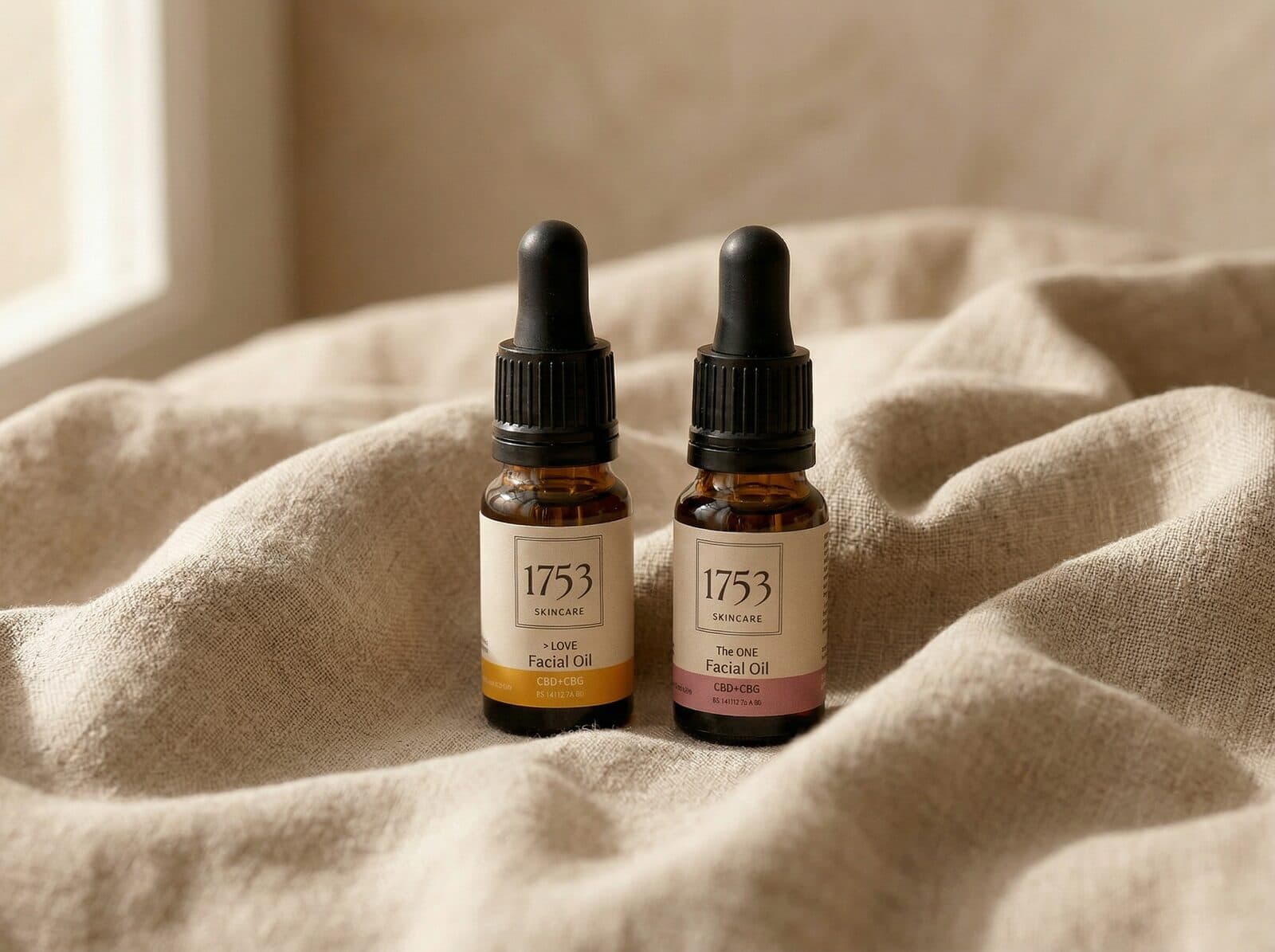
That is why The ONE makes so much sense here: CBD + MCT for skin that needs regulation without drama. Add I LOVE when the skin also needs calming and antibacterial support, and you have a routine that does not try to scrub balance into existence. For a broader cannabinoid approach, the DUO kit gives you the full spectrum feel, with oil and serum working together rather than fighting for attention.
If you want a gentle place to start, Au Naturel Makeup Remover with MCT oil is a lot kinder than a stripping cleanser that leaves skin squeaky and stressed. And if you want to think beyond the surface, Fungtastic Mushroom Extract can be a smarter inside-out addition than yet another strong acid. Skin likes building blocks, not just treatments.
Frequently asked questions
Is hemp seed oil the same as CBD oil?
No. Hemp seed oil comes from the seeds and is mainly about fatty acids that support the barrier. CBD comes from other parts of the plant and is more about calm and regulation. They complement each other rather than replace each other.
Is hemp seed oil good for oily skin?
Often, yes. Oily skin can still be barrier-impaired and surface-dry. A light, cold-pressed oil with a good fatty-acid profile can help without feeling heavy or suffocating.
How often should I use it?
Start with 2–4 drops once a day, ideally in the evening, for 2–3 weeks. If your skin likes it, you can use it morning and night, especially in dry seasons.
How is it different from regular facial oils?
Many facial oils are mostly about gloss. Hemp seed oil stands out because its omega-3:6:9 profile is close to what skin actually needs, plus gamma-linolenic acid can be especially helpful for the barrier.
Sources
- Oláh A, Tóth BI, Borbíró I, et al. Cannabidiol exerts sebostatic and antiinflammatory effects on human sebocytes. J Clin Invest 2014;124(9):3713–3724.
- Lin TK, Zhong L, Santiago JL. Anti-Inflammatory and Skin Barrier Repair Effects of Topical Application of Some Plant Oils. Int J Mol Sci 2017;19(1):70.
- Tóth KF, Ádám D, Bíró T, Oláh A. Cannabinoid signaling in the skin: therapeutic potential of the c(ut)annabinoid system. Molecules 2019;24(5):918.
Article reviewed by Christopher Genberg, founder of 1753 SKINCARE.
Related articles
Ingredient Portrait
cbd for skin – less noise, more balance
CBD for skin is interesting because it doesn’t try to bully the skin into behaving. It works with th...
Ingredient Portrait
cbg for skin – the mother cannabinoid that calms and renews
CBG usually lives in CBD’s shadow, but skin can tell the difference. This is the cannabinoid that ma...
Ingredient Portrait
mct oil skin – light, clean, surprisingly clever
MCT oil is not just another oil sitting on top of your face. It’s fractionated coconut oil built aro...
How to
Natural retinol alternatives – when your skin wants results, not punishment
Retinol has been crowned the answer to everything, but skin rarely cares about trends. If you’re sen...
Skin Streaming
Minimalist 5 step routine – why less can do more
Skincare has become too much of everything: too many steps, too much exfoliation, too much cleansing...
COMPARISON
cbd vs retinol – same conversation, different jobs
CBD and retinol are often grouped together, but they do not behave the same way. Retinol pushes cell...